0-10V Dimming vs Motion Sensor Control for Industrial LED Lights
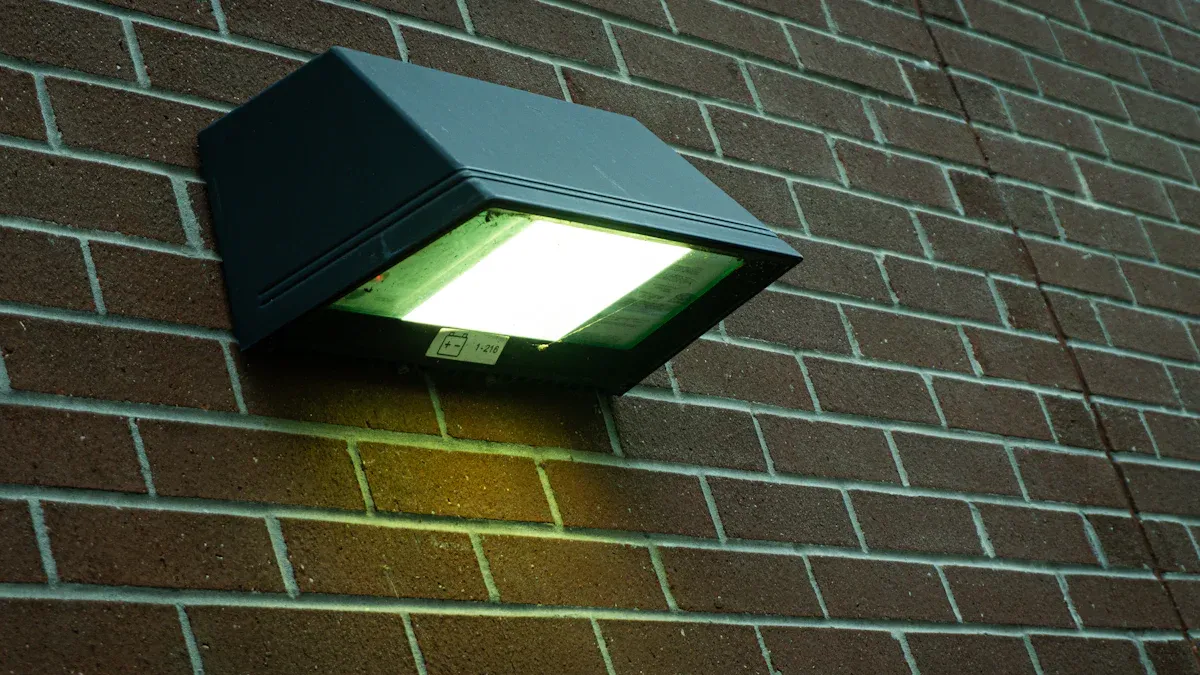
Industrial lighting managers often have to make a hard choice: 0-10V dimming or motion sensor control for their LED Lights? The right pick depends on how the facility works day to day. For many uses, starting with motion sensors saves the most energy by turning off lights automatically when no one is there. This article shows how each technology works, compares costs and benefits, and gives a simple guide to help you decide. This hands-on guide aims to cut high energy bills and boost flexibility with better LED Lights control.
Key Takeaways
Motion sensors save the most energy in rooms that are used at random times, because they turn the lights off when no one is there.
0-10V dimming gives you exact light control for areas used steadily, saving up to 50% energy at half brightness.
A system that uses both methods gives you the most savings and flexibility.
Use 0-10V when you know exactly when people will be there, and motion sensors when people come and go at different times.
Liyinled's LED panel lights work with both control methods, so upgrading is simple.
0-10V Dimming Explained
How 0-10V Dimming Works
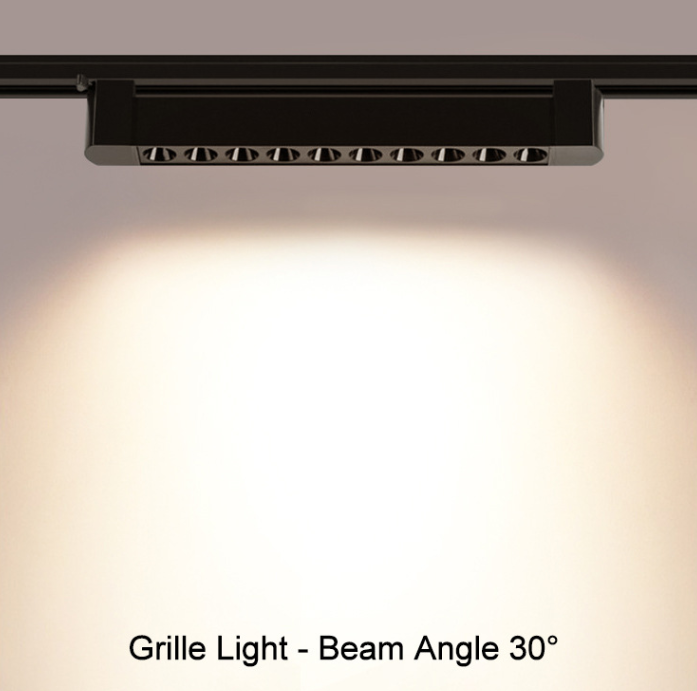
A 0-10V dimming system uses a simple analog signal to control light output. The LED driver gets a DC voltage between 0 and 10 volts. At 10 volts, the light is fully bright. At lower voltages, the light dims in a steady way. When the voltage hits 0V, the light turns all the way off. This direct link makes the system easy to understand.
The driver reads the incoming voltage and changes the power to the LED array. Many modern drivers turn the analog signal into a PWM (pulse-width modulation) output. This change gives smooth, flicker-free dimming across the whole range. Facility managers can use 0-10V controls with wall dimmers, building automation systems, or daylight sensors. The wiring needs a separate low-voltage control pair that runs next to the line-voltage power cables.
Aspect | 0-10V Dimming | 1-10V Dimming |
|---|---|---|
Minimum brightness | 0V (off) | 10% brightness |
Requires separate switch to turn off? | No | Yes |
The table above shows a key difference. Unlike 1-10V systems that stop at 10% output, 0-10V can turn off on its own. This feature means you don't need an extra relay to shut off the light fully. For retrofit projects, this simplicity means fewer parts and cleaner setups.
Key Benefits and Limitations
The main benefit of 0-10V dimming is its precision and simplicity. Users can set any brightness level from off to full output. This flexibility works well in spaces where lighting needs change during the day. The technology also works with existing LED Lights infrastructure, so it's a popular choice for upgrades.
But the system has some downsides in industrial settings. The extra low-voltage control wiring raises installation costs and complexity. Older buildings often don't have the needed conduit paths for these extra cables. Long cable runs also weaken the control signal. Voltage drop over long distances can cause uneven dimming if you don't plan the signal carefully and use amplifiers.
For facilities with steady occupancy patterns, 0-10V gives reliable, repeatable control. The technology works well without the complexity of occupancy sensing. Yet it cannot detect if someone is there or not. Someone must adjust the controls by hand or through a scheduled automation system. This limitation matters in warehouses or storage areas where foot traffic changes unpredictably.
Motion Sensor Control Explained
How Motion Sensor Control Works
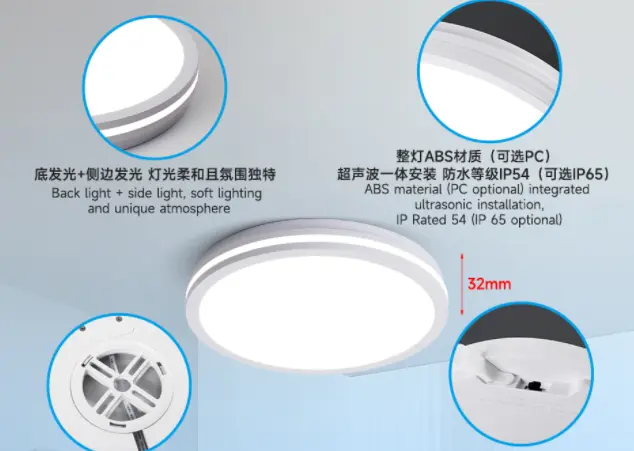
Motion sensor control automatically handles lighting by checking if someone is there. The system detects movement and responds by turning lights on, off, or changing brightness. This way, you don't need to flip switches or set timers.
Two main sensor types detect movement in factories. Passive infrared (PIR) sensors sense heat from people and machines. They work best in open spaces where nothing blocks the view. Microwave sensors send out low-energy pulses and listen for echoes. They can see through thin walls and partitions, so they work well in storage racks or divided areas.
Occupancy sensing lets lights dim or turn off after a room is empty for a set time. When someone moves, lights come back to full brightness or a chosen dim level. Managers can set the delay from seconds to minutes to fit the work pace in each area.
Key Benefits and Limitations
Motion sensor control gives big benefits to industrial buildings. The table below shows the main pluses:
Benefit Category | How It Helps Your Facility |
|---|---|
Energy Savings | Lights operate only when needed, cutting wasted electricity in unoccupied areas |
Operational Efficiency | Lower utility bills and reduced maintenance costs from fewer operating hours |
Safety & Security | Immediate illumination improves visibility and helps workers navigate equipment safely |
Smart Integration | Sensors can coordinate with HVAC systems based on occupancy for whole-building efficiency |
Using motion sensing with modern LED Lights saves the most energy. A warehouse that runs 12 hours a day but has people in it only 6 hours can cut lighting energy use by almost half. Those savings mean lower costs for the business.
Motion sensors also make workplaces safer. Well-lit warehouses help workers move around equipment and avoid injuries. When someone walks into a dark area, the lights turn on right away, removing dark spots.
The main problem is coverage gaps. PIR sensors need a clear view, so tall racks or machines can block them. Microwave sensors fix this but cost more for each unit. Buildings with tricky layouts may need extra sensors to cover everything, which raises upfront installation costs.
Energy Efficiency and Cost Comparison
Energy Savings: Occupancy vs. Continuous Dimming
Motion sensors and 0-10V dimming save energy in different ways. Motion sensors turn lights off or dim them when no one is in the room. 0-10V dimming lowers power by reducing light output based on user settings or daylight levels.
The table below shows how 0-10V dimming uses energy at different light levels.
Dimming / control condition | Energy use compared with full brightness |
|---|---|
0-10V dimming at 50% light output | About 50% less energy |
0-10V dimming at 70% average output | About 30% less energy |
0-10V dimming with motion sensors in industrial/warehouse areas | Usually 40–60% less lighting energy |
A warehouse with lights on 12 hours a day and dimmed to 50% uses half the energy of full brightness. This works well when people are around but need less light for some jobs. For example, a busy loading dock benefits from steady dimming during the work shift.
Motion sensors save energy by matching lights to actual use. A storage area with only 6 hours of daily activity can cut lighting energy by nearly 50% using motion sensors alone. The lights stay off for the other 6 hours. This method saves the most in spaces with irregular or occasional use.
The right choice depends on how often the space is used. Places with steady, predictable use do well with 0-10V dimming. Places with variable or low use do better with motion sensors. Using both together often gives the best results.
Upfront Costs and Return on Investment (ROI)
Setup costs differ between the two systems. 0-10V dimming needs a low-voltage control wire for each light or zone. This adds material and labor costs, especially in older buildings where no conduit paths exist. The wiring needs careful planning to avoid signal loss over long distances. Voltage drop can cause uneven dimming without the right wire size or signal boosters.
Motion sensors avoid some wiring costs when using wireless models. But the sensors themselves add cost. Each sensor covers a certain area. Large buildings may need many sensors to avoid blind spots. Tall racks or equipment can block PIR sensors, so extra units are needed. Microwave sensors solve this but cost more per unit.
The payback time depends on energy savings versus upfront costs. A facility with high energy rates and long operating hours sees faster ROI. For example, a warehouse running 16 hours a day with 0-10V dimming at 50% output saves 50% on lighting energy. The wiring cost is paid back through lower monthly bills.
Motion sensors in a facility with 50% occupancy save 40–60% on lighting energy. The sensor hardware cost usually pays back within 1 to 3 years. Facilities with shorter hours or lower energy rates may see longer payback times.
Both systems need an upfront investment. The key is matching the control method to how the facility is used. Good planning ensures the fastest return and the lowest total cost.
Installation and Flexibility
Wiring and Retrofit Complexity
The installation process differs significantly between the two systems. 0-10V dimming requires a separate pair of control wires for each light or zone. This wiring complicates installation in existing industrial settings where the original design did not include such infrastructure. The control wires must run alongside the line-voltage power cables, adding material and labor costs.
Long wire runs between the dimmer and fixtures create a voltage drop risk. This drop leads to inconsistent light levels across the facility. Large industrial buildings face this challenge most often. Engineers must select appropriately sized conductors and minimize the distance between the dimmer and fixtures. Thorough testing and calibration after installation ensures stable performance.
Compatibility verification adds another layer of complexity. Both the dimmer and fixtures must support 0-10V operation. Some LED fixtures require specific drivers. Failure to verify compatibility causes flickering, limited dimming range, or complete inoperability. The 0-10V signal is one-directional, which limits monitoring and feedback capabilities. This limitation matters for advanced control needs in industrial settings.
Motion sensors offer a simpler retrofit path. Wireless models eliminate the need for additional control wiring. Line-voltage sensors connect directly to the power circuit without extra low-voltage cables. This simplicity reduces installation time and cost, especially in older buildings.
Control and Customization Options
0-10V dimming provides manual and analog control. Users adjust brightness levels with wall dimmers or building automation systems. This direct control works well for spaces with predictable lighting needs. Operators set the exact light level for each task.
Motion sensors provide automated control based on occupancy. The system turns lights on when someone enters and off after a set delay. This automation removes the need for manual adjustments. Facility managers can set schedules and delays to match work patterns. Some sensors integrate with building management systems for centralized control.
The flexibility of each system depends on the application. 0-10V dimming suits steady-use areas where operators want precise control. Motion sensors suit variable-use areas where automation saves the most energy. Products like Liyinled's LED panel lights support both control methods, allowing facility managers to choose the right approach for each zone. This compatibility ensures a seamless integration across different areas of the facility.
Choosing the Right Control for Your LED Lights
Picking between 0-10V dimming and motion sensor control comes down to three things: how often people use the space, how high the ceiling is, and how the lighting zones are set up. Every facility works on its own schedule. A busy assembly line is not like a storage area. Managers need to study these patterns before they pick a system.
Best Use Cases for 0-10V Dimming
0-10V dimming works best in places where people are present all day and lighting needs change slowly. The table below lists spaces where this control method gives strong results:
Environment | Why 0-10V Works Well |
|---|---|
Offices | Lowers eye strain and balances natural light |
Retail Spaces | Exact control shows off products while saving energy |
Schools | Custom lighting for different tasks |
Theaters | Smooth, flicker-free dimming for shows |
Outdoor Areas | Adjustable levels for safety and efficiency |
Warehouses and factories also gain from 0-10V dimming. Adjustable lighting makes work areas safer and easier to see. Dimming helps workers stay productive by keeping good lighting conditions. Saving energy is possible by lowering lights during slow hours when full brightness is not needed.
Setting up 0-10V systems correctly is key to success. Teams must check the actual dimming curve instead of guessing it works. A small error can affect hundreds of lights. Proper calibration makes sure the system works as planned.
Best Use Cases for Motion Sensor Control
Motion sensors work great in low-traffic areas where lights would stay on with no one around. Warehouse aisles are a perfect example. Workers pass through these corridors now and then, not all the time. Sensors turn lights on only when someone moves, cutting wasted energy.
Research backs up these savings. Occupancy sensing saves 24–50% of lighting energy, according to Lawrence Berkeley National Laboratory. A 100,000 ft² warehouse can cut yearly energy use from 175,200 kWh to 113,880 kWh—a 35% drop—before adding daylight harvesting or task tuning.
Ceiling height affects which sensor to choose. High bay occupancy sensors rated for 20–45 ft mounting heights work for warehouses and industrial spaces. These sensors spot motion from high up and cover large floor areas well.
Wiring options also matter. Retrofits need careful planning of ceiling access, circuit grouping, and control spots. If wiring costs too much, wireless or fixture-level sensors give a cheaper path. New builds can set up control pairs and zone logic from the start.
Fixture-level sensors handle local occupancy well. They react to movement in their own area. This setup works for task zones with changing usage. For spaces with steady occupancy, 0-10V supports group dimming and central control.
Liyinled's factory in China makes LED panel lights that work with both control methods. Models like the APL-PB-2508E and APL-PB-2509 connect easily to either system. These fixtures give flexibility for facilities that need different controls in different zones. The manufacturing process follows strict quality standards, so performance stays reliable.
The final choice depends on usage patterns. Steady occupancy points to 0-10V dimming. Occasional use favors motion sensors. Many facilities do best with a mix, matching each control method to the right zone.
The Hybrid Approach: Combining Both Technologies
How a Hybrid System Works
A hybrid system pairs motion detection with 0-10V dimming to get the best of both. The motion sensor works as the trigger. When someone walks in, the sensor sends a signal that turns the lights on at a set brightness. The 0-10V control then changes that level based on the time of day or the job at hand. This setup makes sure lights never run at full power when they don't need to.
The Leviton Smart PIR 0-10V Dimming Wallbox Sensor shows how this works in real life. It uses a segmented lens that splits the view into sensor zones. When motion happens, lights turn ON and stay ON while people move through the zones. A timeout feature then dims or turns off the lights after the space is empty. This design stops wasted energy in areas with occasional foot traffic.
The energy impact is big. LED lighting with controls typically uses 25-75% less energy than lights without controls. A meta-analysis by Lawrence Berkeley National Laboratory looked at 240 savings cases across 88 papers. The study confirmed average savings from all control types. These numbers show why many facility managers pick the hybrid route.
The strategy also meets modern energy codes. Occupancy sensing makes sure lights run only when people are there. Personal dimming controls let workers adjust light output for their own tasks. Layering these strategies in the same space meets both owner needs and regulatory standards.
Why Liyinled's LED Panel Lights Support Both
Liyinled makes LED panel lights that work with both control methods. The factory in China produces models like the APL-PB-2508E and APL-PB-2509 with drivers that accept 0-10V signals and connect easily to motion sensors. This dual compatibility gives facility managers flexibility. They can install a hybrid system without swapping fixtures later.
The APL-PB-2508E comes in recessed and surface-mounted versions. The APL-PB-2509 offers an ultra-slim profile for modern spaces. Both models deliver bright, even illumination at 6500K. The aluminum and PC bodies ensure durability and heat dissipation. These features make them suitable for industrial and commercial settings.
Choosing Liyinled's LED Lights means choosing adaptability. A facility can start with motion sensors alone, then add 0-10V dimming later. Or it can install both at once for maximum savings. The fixtures support either path. This flexibility protects the investment and makes future upgrades easier.
For facilities with mixed usage patterns, the hybrid approach delivers the best of both worlds. Motion sensors handle the empty periods. Dimming controls fine-tune the occupied periods. Together, they cut energy use while keeping workers comfortable and productive.
No single control system works for every facility. Motion sensors do well in empty spaces, saving energy on their own. 0-10V dimming gives exact light levels for busy areas where needs change during the day. A hybrid setup uses both strengths, giving the best savings and flexibility.
Facility managers should look at how often spaces are used and when before they choose. Liyinled's LED panel lights, like the APL-PB-2508E and APL-PB-2509, work with both control types. This fit makes setup easy now and allows changes later.
Talk to a lighting expert today to get a custom review of your facility's needs.
FAQ
Can 0-10V dimming work with existing LED fixtures?
Yes, most modern LED drivers accept 0-10V control signals. Facility managers should verify driver compatibility before installation. Liyinled's LED panel lights, including the APL-PB-2508E and APL-PB-2509 models, come with drivers that support 0-10V dimming. This compatibility makes retrofits straightforward.
How much energy can motion sensors save in a warehouse?
Motion sensors typically reduce lighting energy use by 40–60% in spaces with intermittent occupancy. A warehouse operating 12 hours daily with only 6 hours of active use can cut lighting costs nearly in half. The exact savings depend on occupancy patterns and sensor placement.
Do motion sensors work with high ceilings?
Yes, high bay occupancy sensors rated for 20–45 foot mounting heights work well in warehouses and industrial spaces. These sensors detect motion from elevated positions and cover large floor areas. Microwave sensors penetrate thin partitions, while PIR sensors need clear sightlines to detect movement.
What is the difference between 0-10V and 1-10V dimming?
0-10V dimming reaches true off at zero volts. 1-10V systems stop at 10% brightness and require a separate switch for full shutdown. This distinction matters for retrofit projects because 0-10V eliminates the need for additional relay wiring.
Can facility managers combine both control methods?
Yes, a hybrid system pairs motion sensors with 0-10V dimming. The sensor triggers lights on at a preset level, then dims or turns them off after the space empties. Liyinled's factory in China produces panel lights compatible with both controls, allowing seamless integration.