15 Things You Should Know Before Using Ceiling Brackets
Before using a bracket ceiling, people should learn important things. Safety is the most crucial aspect. Installing it correctly prevents accidents. Choosing the right type is essential for every room. Guangdong Liyinled Lighting Co., Ltd offers excellent options like the Circular LED Recessed Ceiling Mount Frame Bracket. You should consider both its functionality and aesthetic appeal.
Key Takeaways
Always make sure the ceiling is strong before you put in a bracket. Use tough materials like drywall, concrete, or wood to keep things safe.
Pick the right bracket for the weight of your fixture and the type of ceiling you have. This stops accidents and makes the room look better.
Check your ceiling brackets often for problems like rust or loose screws. Finding these issues early helps keep things safe and working well.
Bracket Ceiling Types
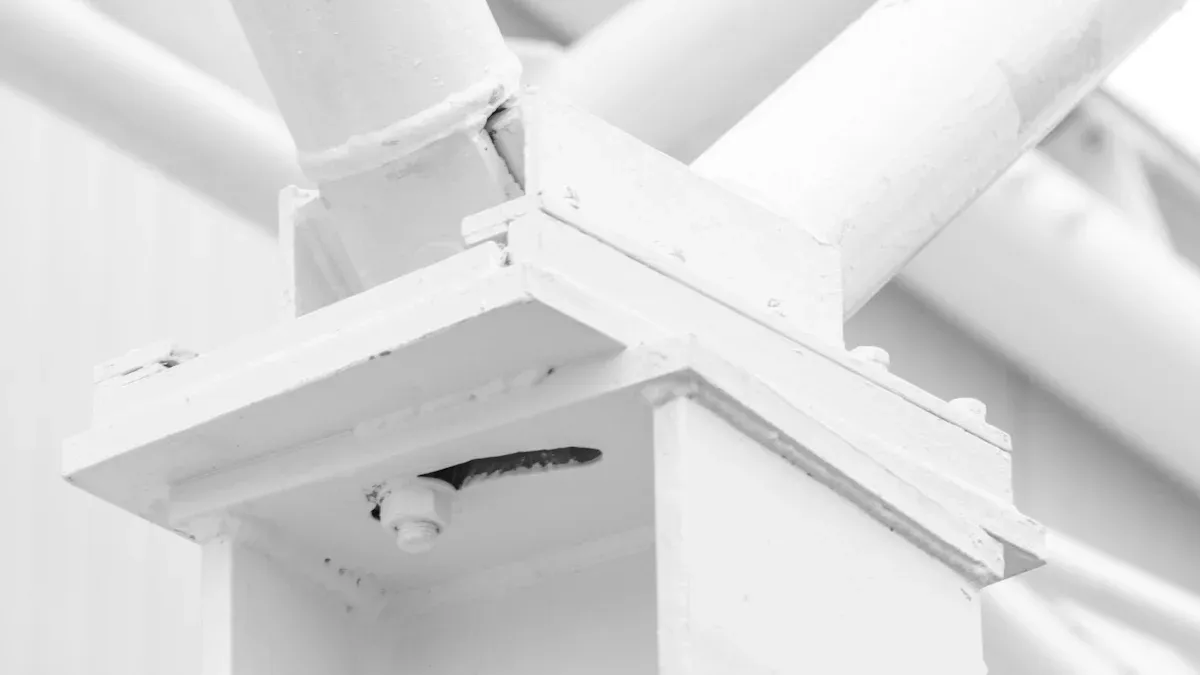
Picking the right bracket ceiling type makes a room safe and nice. People pick different brackets for homes, offices, or stores. Each bracket type works with certain lights and ceiling styles.
Type of Bracket | Description |
|---|---|
Standard Mounting Brackets | Used for flush-mounted ceiling lights, supporting various fixture sizes. |
Adjustable Mounting Brackets | Ideal for pendant lights, allowing height adjustments. |
Swivel Mounting Brackets | Provides versatile positioning for directional lighting. |
Specialty Mounting Brackets | Tailored for specific fixtures or architectural features for unique solutions. |
Suitable Ceiling Materials
The ceiling must be strong for a bracket ceiling. Drywall, concrete, and wood are good choices. These materials can hold up the bracket and light. People should check the ceiling before they start. A solid ceiling keeps the bracket safe and stops accidents.
Tip: Always use the correct anchors for your ceiling. This helps the bracket stay in place.
Identifying Unsafe Ceilings
Some ceilings are not strong enough for a bracket ceiling. Weak plaster, broken drywall, or old tiles can break. People should look for cracks, water marks, or soft spots. These things mean the ceiling might not be safe. If the ceiling feels weak, ask a professional for help.
A safe ceiling keeps everyone in the house safe. Careful checks can stop problems before they happen.
Load Capacity
Calculating Weight Limits
Each ceiling bracket can hold a certain amount of weight. You need to check the bracket type and ceiling material before you install it. The ceiling’s strength and the bracket ceiling model decide how much weight it can handle. Look at the table below to see common bracket types and their usual load limits:
Bracket Type | Typical Load Capacity | Common Applications |
|---|---|---|
Standard Steel L-Bracket | 50–100 lbs | Light fixtures, small shelves, decor items |
Reinforced T-Bracket or U-Bracket | 100–150 lbs | Large plants, medium TVs, ceiling fans |
Industrial-Grade Mounts | 150–300+ lbs | Projectors, heavy machinery, commercial lighting |
Always check what the manufacturer says about the bracket. Guangdong Liyinled Lighting Co., Ltd gives clear instructions for their Circular LED Recessed Ceiling Mount Frame Bracket. If you follow these rules, you can stop accidents and keep the ceiling safe.
Avoiding Overload
Putting too much weight on the bracket can cause big problems. The risks are:
The ceiling might crack or fall down if it is overloaded.
The bracket ceiling could break, and things might drop.
People in the room could get hurt if the system fails.
Always add up the total weight of the fixture, bulbs, and any extras. Never guess how much weight the bracket can hold. Careful planning and checking often keeps the ceiling strong and safe for everyone.
Bracket Selection
Choosing the Right Model
Picking a bracket ceiling model needs careful thought. You should think about how heavy the fixture is. The ceiling type matters too. The style you want is also important. The right bracket keeps the light safe. It also makes the room look nice. Here are some things to think about when choosing a ceiling bracket:
Factor | Description |
|---|---|
Load capacity | The bracket must hold the fixture and extras. |
Compatibility | The bracket should fit the fixture and ceiling. |
Mobility | Some brackets can move to aim the light. |
Cable management | Built-in guides keep wires neat and hidden. |
Always check the product details before you buy. Read the instructions to avoid mistakes. This keeps the installation safe.
Guangdong Liyinled Lighting Co., Ltd Options
Guangdong Liyinled Lighting Co., Ltd has good choices for lighting. Their Circular LED Recessed Ceiling Mount Frame Bracket is a top pick. It works with MR16 and GU10 bulbs. This gives you more ways to design your lights. The round shape fits most ceilings. It makes any room look modern.
The recessed design lets the fixture sit flat with the ceiling. This gives a clean look. Strong materials make it last long. It is easy to install in homes, offices, and stores. People can trust Guangdong Liyinled Lighting Co., Ltd for quality and style.
Tools & Materials
Essential Installation Tools
People need the right tools to install a bracket ceiling safely and correctly. Professional installers use specific tools for the best results. The following table shows common tools and their main purposes:
Tool | Purpose |
|---|---|
1-1/4-in. drywall nails | Nails the wall angle at every stud for strong support. |
Fence staples | Secures the wall angle between wall studs, especially in gaps. |
Lag screws | Hangs the main tees and keeps them straight. |
Grid punch | Makes rivet holes quickly for suspended ceiling projects. |
Aviator snips | Cuts main tees to length for a clean and neat finish. |
A tape measure helps check distances. A pencil marks drill points. A drill makes holes for screws or anchors. A level ensures everything stays straight. Safety goggles protect eyes from dust and debris.
Tip: Always wear gloves and goggles when working with metal or power tools.
Compatible Materials
The right materials make the installation strong and long-lasting. Drywall, concrete, and wood work well for most ceiling brackets. People should avoid weak plaster or damaged tiles. Quality anchors and screws match the ceiling type and bracket weight. Using the correct bulbs, such as MR16 or GU10, ensures the fixture works as designed. Paint or finish can match the bracket to the room’s style. Good materials help the bracket ceiling stay safe and look great for years.
Installation Steps
Preparing the Ceiling
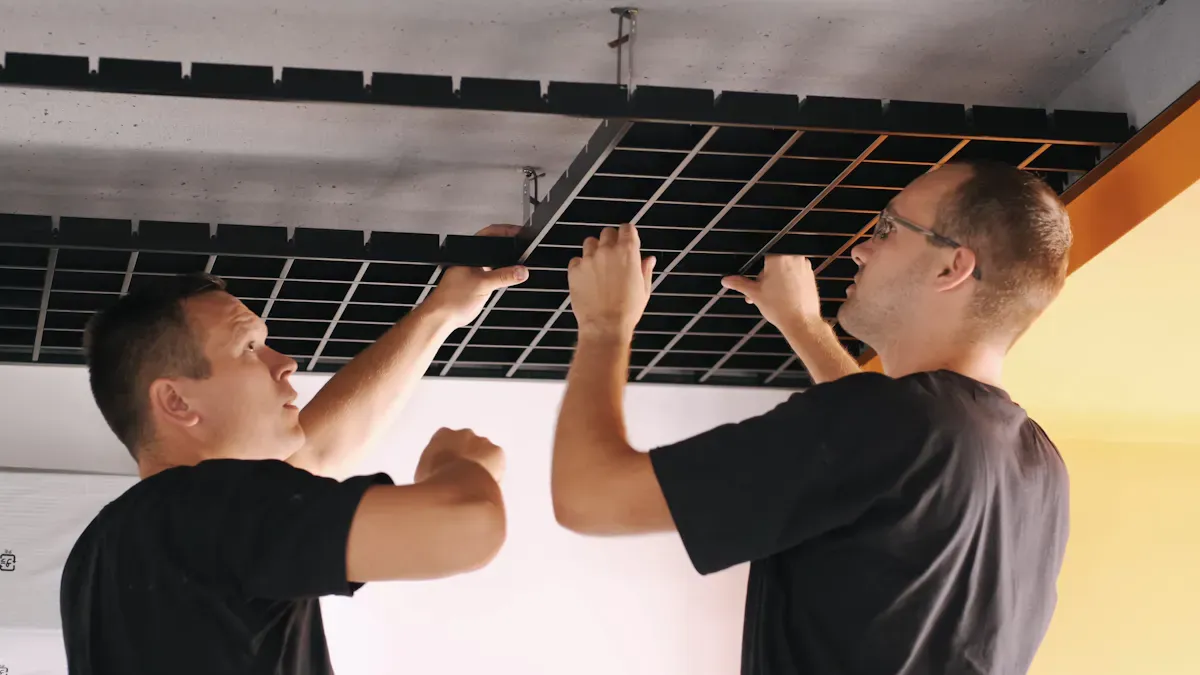
Before you put up a bracket ceiling, you need to get the ceiling ready. Workers measure and mark where the bracket will go with a tape measure. They hold the bracket up to the ceiling and line it up with the marks. A level helps them see if the bracket is straight. They use a pencil to mark where the screws will go. Workers check the marks again, especially if they are putting up more than one bracket. Writing down the measurements helps them match the brackets on other joists.
Tip: Getting ready the right way stops mistakes and keeps everyone safe.
Step-by-Step Guide
Installers use easy steps to put up ceiling brackets. First, they turn off the power so no one gets shocked. Then, they take down the old light from the junction box and use a tester to check the wires. Workers use a hammer and a wood block to push the old box up and out of the ceiling. They put the ceiling fan brace through the hole and make it longer until it fits tight between the joists. Next, they put the saddle on the brace, put the wire into the new box, and make it tight.
Step | Action |
|---|---|
1 | Turn off power |
2 | Remove old fixture and check wires |
3 | Remove old junction box |
4 | Insert and extend ceiling fan brace |
5 | Attach saddle, feed cable, secure new box |
Installers look at their work after each step. They make sure the bracket ceiling is strong and safe.
Safety Checks
Inspecting Brackets
Safety checks are important to stop accidents. They help keep everyone safe. People should look at all parts before and after installing a bracket ceiling. They need to check for damage or wear on brackets, cables, cable guides, and fasteners. Labels and markings must be easy to see and read. If something falls or an accident happens, a trained person should check the whole system. They make sure it is safe to use again.
After putting in the bracket ceiling, people should:
Start with a small weight, like 25% of the total load, to test the bracket.
Watch for any movement, bending, or strange sounds.
Make sure all screws are tight and nothing is loose.
Turn on the light fixture and check each bulb.
Wipe the fixture with a soft, damp cloth and look for damage or wear.
Tip: Checking the bracket ceiling often helps find problems early. This keeps everyone safe.
Proper Anchoring
How you anchor the bracket depends on the ceiling type. The right anchor keeps the bracket ceiling strong and safe. The table below shows the best way to anchor for each ceiling:
Ceiling Type | Recommended Anchoring Method |
|---|---|
Concrete Ceilings | Anchor bolts, wedge anchors, or drop-in anchors |
Wood Joists | Lag screws or structural wood screws |
Steel Framing | Self-drilling screws or toggle bolts for metal studs |
Drop Ceilings/Drywall | Specialized toggle bolts or ceiling support systems |
Installers should always use the right anchor for the ceiling. This stops the bracket from coming loose or falling.
Compatibility
Fixture Matching
It is important to match the ceiling bracket to the lighting fixture. This keeps everything safe and working well. Installers first check how much the fixture weighs. They pick a bracket that can hold that weight. The bracket material should work with both the fixture and the ceiling. This stops rust and keeps the bracket strong for a long time. The table below lists key things to check for compatibility:
Factor | Description |
|---|---|
Weight Capacity | Each bracket has a weight limit. Installers match the bracket to the fixture’s weight to stop problems. |
Material Compatibility | The bracket material should work with the fixture and ceiling. This helps avoid rust or damage over time. |
Guangdong Liyinled Lighting Co., Ltd makes brackets that fit many fixtures. Their Circular LED Recessed Ceiling Mount Frame Bracket works with MR16 and GU10 bulbs. The company uses strong materials so the bracket lasts a long time. Installers trust this brand because it is reliable.
Tip: Always look at the fixture’s details before picking a bracket.
Checking for Obstructions
Installers check for things in the way before putting up a ceiling bracket. They look for pipes, wires, or beams above the ceiling. These things can block the bracket or fixture. Workers use a stud finder or look at the ceiling to find safe spots. They mark where it is safe to install the bracket. If they find something in the way, they move the bracket to a clear spot.
Pipes and wires can be dangerous.
Beams can stop the bracket from being anchored right.
Air ducts can block where the fixture goes.
Installers check for these things early to avoid mistakes. This step helps make sure the job is safe and easy.
Maintenance
Regular Inspection
Ceiling brackets need regular checks to stay safe and last longer. People should look at the brackets before each use, especially in places where the lights get used a lot. In busy areas, one check a day may not be enough. Workers should inspect the brackets during shift changes or when the lighting setup changes. For most homes and offices, a qualified electrician should check the brackets at least once a year. In places with heavy use or harsh conditions, inspections every month or quarter help catch problems early.
Tip: Regular maintenance checks can spot loose brackets or early signs of damage. This keeps the ceiling safe and the lights working well.
A good inspection includes looking for loose screws, checking the bracket’s position, and making sure the wires are safe. Proper installation also helps the bracket last longer.
Signs of Wear
People should know what wear and tear looks like on ceiling brackets. Early signs help prevent bigger problems. Here are common things to watch for:
Rust or discoloration on the bracket’s surface
Cracks or bends in the metal
Loose or missing screws and anchors
Flickering or dim lights
Unusual noises when the light turns on or off
If someone sees these signs, they should fix the problem right away. Quick action stops accidents and keeps the lighting system strong. Regular checks and fast repairs help ceiling brackets, like the Circular LED Recessed Ceiling Mount Frame Bracket from Guangdong Liyinled Lighting Co., Ltd, work safely for many years.
Common Mistakes
Skipping Safety Steps
Some installers skip important safety steps when putting up ceiling brackets. This can cause accidents or damage. People sometimes forget to use fall protection. They may not lift heavy things the right way. Some do not handle power tools safely. Workers might miss checking for electrical hazards. They may not wear the right safety gear. Sometimes, they do not talk clearly with others on the job.
Safety Step | Consequence |
|---|---|
Fall Hazards | Falls happen more often without fall protection. |
Manual Handling and Lifting | Lifting wrong can hurt muscles and bones. |
Power Tools and Equipment | Using tools wrong can cause injuries. |
Electrical Hazards | Not being careful can lead to shocks or fires. |
Exposure to Hazardous Substances | Dangerous materials can make people sick. |
Structural Stability | Unsafe changes can make a building fall down. |
Fire Hazards | Fires can start if workers are not careful. |
Noise and Vibration | Loud sounds can hurt hearing or health. |
Communication and Coordination | Not talking clearly can cause accidents. |
Tip: Always follow every safety step to keep everyone safe.
Using Wrong Tools
Using tools that are not right for the job causes problems. Installers sometimes pick tools that do not fit. This can make the fixture weak. The bracket might break and the fixture could fall. Wrong tools can cause shocks, fires, or damage to property. Accidents happen more when workers use bad equipment.
Bad support can make the fixture drop.
Shocks or fires can happen if tools are unsafe.
Property can get damaged from wrong tools.
Accidents are more likely with fixtures that are not mounted well.
Guangdong Liyinled Lighting Co., Ltd makes strong ceiling brackets. Their Circular LED Recessed Ceiling Mount Frame Bracket is reliable. Their factory uses new technology to make sure every product is safe and high quality.
Professional Help
When to Consult Experts
Some ceiling bracket jobs can be tricky or confusing. People might not feel sure about every step. It is important to know when to ask an expert for help. Here are times when calling a professional is a good idea:
The instructions are hard to read or understand.
There are pipes, wires, or things hidden in the ceiling.
The ceiling feels weak or has damage.
The bracket needs to hold something heavy or valuable.
The electrical wires look old or unsafe.
The installer feels unsure about any part.
A professional can check the ceiling and bracket. They make sure everything follows safety rules. This keeps homes and businesses safe.
Tip: Getting help early can stop mistakes and accidents that cost money.
Brand Support Services
Guangdong Liyinled Lighting Co., Ltd gives help for their ceiling brackets. Their team answers questions about how to install and pick products. Customers can ask for advice about the Circular LED Recessed Ceiling Mount Frame Bracket or other lighting choices. The company gives clear guides and technical help. This helps people pick the right bracket and install it safely.
People can trust Guangdong Liyinled Lighting Co., Ltd for good service. Their support team helps with easy and hard projects. Good help makes sure the bracket ceiling works well and lasts a long time.
If you follow these 15 tips, your ceiling bracket will be safe and strong.
Benefit Description |
|---|
Gives a strong base for the ceiling light. |
Helps spread the light’s weight so it stays balanced. |
Stops the ceiling light from swinging or shaking. |
Simple steps make it easy to install without hurting the ceiling. |
Makes the fixture more steady and secure. |
People should always check these things:
How much weight each bracket can hold.
If the materials work with the ceiling and fixture.
What you need to install it safely.
Guangdong Liyinled Lighting Co., Ltd has the Circular LED Recessed Ceiling Mount Frame Bracket. It is a good pick for long-lasting results. If you focus on safety and install it right, your fixtures will stay stable and accidents will happen less often.
FAQ
Why do people trust Guangdong Liyinled Lighting Co., Ltd?
Guangdong Liyinled Lighting Co., Ltd uses new technology in their factory. They make sure every ceiling bracket is safe and high quality.
How can you pick the right ceiling bracket for your fixture?
Look at how much the fixture weighs and what socket it uses. The Circular LED Recessed Ceiling Mount Frame Bracket works with MR16 and GU10 bulbs.
Is it possible to install a ceiling bracket without an expert?
People can put up a ceiling bracket if they follow the instructions. If the fixture is heavy or the ceiling is weak, they should call an expert for help.