latest trends in LED ceiling lighting for 2026
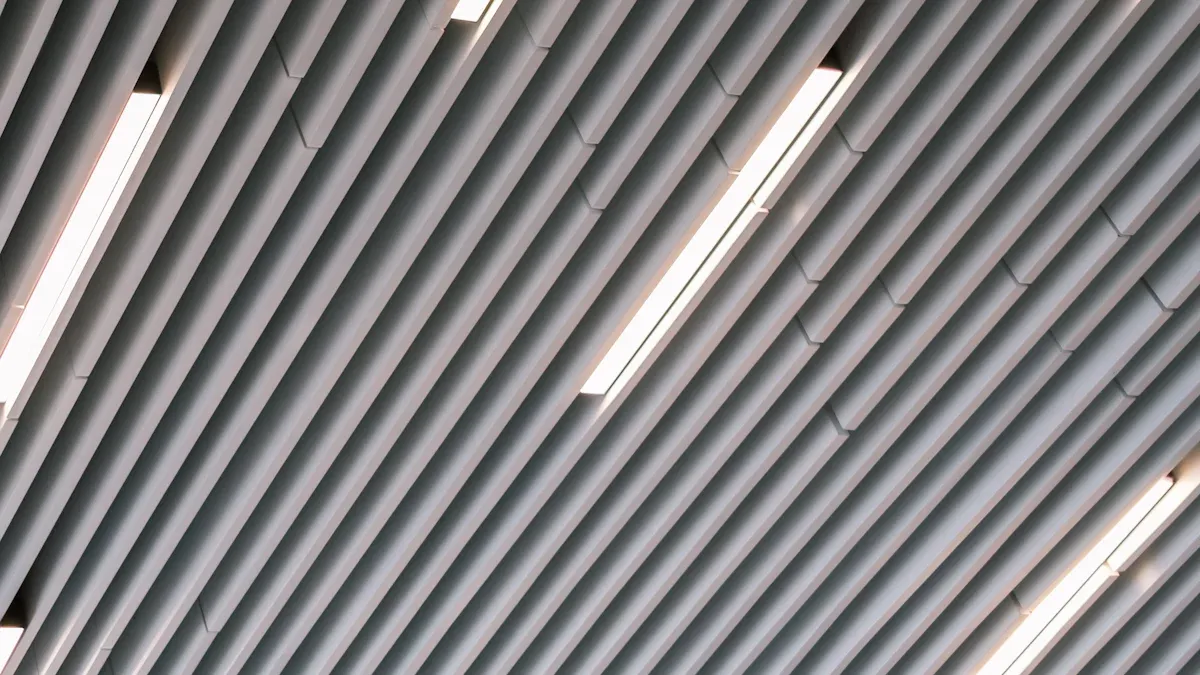
The evolution of led ceiling lighting defines the lighting trends 2026. Four pivotal trends now shape the industry: human-centric wellness, architectural integration, AI control, and biophilic design. These innovations fundamentally redefine environments. The new lighting makes spaces healthier and more intuitive. Every LED Ceiling Light Manufacturer is pushing boundaries, as led light manufacturers create advanced led light fixtures. These trending ceiling lights offer more than simple illumination; a modern LED Ceiling Light enhances the ceiling and the entire room. This shift marks a new era for intelligent lighting.
Trend 1: Human-Centric and Circadian Rhythm LED Lighting
The most significant of the lighting trends 2026 is the shift toward human-centric design. Modern lighting now actively supports physical and mental well-being, moving far beyond simple illumination. This approach leverages scientific insights to create healthier indoor environments.
The Science of Light and Well-being
Understanding Circadian Rhythms
Every person operates on an internal 24-hour clock known as a circadian rhythm. This natural cycle regulates sleep-wake patterns, hormone release, and alertness. Exposure to light is the primary signal that synchronizes this internal clock with the external environment.
How Light Spectrum Affects Health
Scientific research confirms that light directly influences human physiology. Specific light spectrums trigger immediate changes in the brain, affecting mood, attention, and cognitive performance. Studies show that blue-enriched light improves alertness, while a lack of natural light can negatively impact mood and sleep quality. Research analyzing data from 500,000 individuals found that more time spent in natural light was linked to a lower risk of depression and improved happiness. This understanding is crucial for designing artificial lighting that maximizes health.
The Rise of Home Wellness Technology
Consumers now seek solutions that enhance their quality of life. This demand fuels the integration of wellness features into smart home devices. Lighting technology has become a cornerstone of this movement, offering dynamic control that supports a healthier lifestyle.
Defining Tunable White LED Technology
Tunable white is the core technology enabling human-centric lighting. It allows users to adjust both the color and intensity of white light to match specific needs or times of day.
Adjusting Color Temperature (Kelvins)
Tunable white systems work by blending light from warm and cool led diodes. By mixing LEDs of different color temperatures—for example, a warm 2700K and a cool 6500K—a fixture can produce any shade of white light between them. This is measured in Kelvins (K).
Controlling Brightness and Intensity (Lumens)
Alongside color temperature, users can control the brightness, or lumen output. This allows for a full range of adjustments, from bright, intense light for focused work to a dim, soft glow for relaxation.
Mimicking Natural Daylight Cycles
This technology expertly mimics the sun's natural progression. A system can be programmed to emit a warm, gentle light in the morning, transition to a cool and energizing blue-white light at midday, and return to a warm, amber hue in the evening. This helps align the body's internal clock with a natural rhythm.
2026 Application: Automated Wellness Ecosystems
In 2026, these trends converge into fully automated wellness ecosystems that operate seamlessly in the background.
Syncing with Sleep and Fitness Trackers
Advanced lighting systems can sync with wearable health trackers. The system uses data on sleep quality and activity levels to automatically adjust lighting conditions, creating a truly personalized environment.
Integration with Smart Home Schedules
Lighting integrates with smart home platforms to align with daily routines. A "Focus" scene might trigger cool, bright light, while a "Movie Night" scene dims the lights and shifts them to a warmer tone.
Creating Task-Specific Lighting Modes
Users can activate pre-set modes designed for specific activities.
Example Lighting Modes:
Circadian Mode: Automatically shifts color temperature and intensity throughout the day to support the sleep-wake cycle.
Night Mode: Provides a very dim, red-toned light for nighttime navigation, minimizing sleep disruption.
Productivity Mode: Delivers bright, cool-toned light to reduce eyestrain and enhance focus during work hours.
Key Benefits for Home and Office
The adoption of human-centric lighting systems delivers tangible advantages for both residential and commercial spaces. These intelligent systems actively improve daily life by aligning artificial light with human biology. The benefits extend beyond simple visibility, directly impacting productivity, sleep, and overall well-being.
Boosting Productivity and Alertness
In professional environments, the right lighting is a powerful tool for enhancing performance. Cool-toned, high-intensity light mimics midday sun, signaling the brain to increase focus and energy. Offices implementing circadian lighting systems report significant gains in employee effectiveness. This strategic use of light helps combat afternoon slumps and keeps teams engaged.
Note: Data from office environments with circadian systems shows quantifiable improvements across several key performance metrics.
Metric | Increase |
|---|---|
Productivity | 12.5% |
Wakefulness | 81% |
Mental Sharpness | 190% |
Reaction Time | 300% |
Motivation | 78% |
Feeling Refreshed | +3 hours |
This data illustrates how optimized lighting directly translates to a more alert and productive workforce.
Improving Natural Sleep Quality
Perhaps the most profound benefit of tunable lighting is its ability to improve sleep. By reducing blue light exposure in the evening, these systems help the body produce melatonin, the hormone that regulates sleep. A study from Brown University found that residents in a care facility exposed to tunable lighting experienced longer, better sleep. The system provided full blue light in the morning and almost none at night, leading to a statistically significant positive effect. Other clinical trials support these findings. One study on patients with dementia showed that a tailored lighting intervention significantly improved sleep quality scores and reduced nighttime sleep fragmentation. This reinforces the direct link between circadian-aligned light and restorative rest.
Enhancing Mood and Overall Focus
Light has a direct and immediate impact on mood. A well-lit environment feels more positive and energizing. Human-centric systems can create a bright, cheerful atmosphere during the day to elevate spirits and a calm, relaxing ambiance in the evening to help people unwind. Caregivers in the Brown University study noted a reduction in resident agitation, linking the lighting intervention to improved mood and behavior. By providing the right light for the right time, these systems support not just task performance but also emotional well-being and sustained mental focus throughout the day.
Trend 2: Ultra-Minimalist and Integrated Architectural Lighting
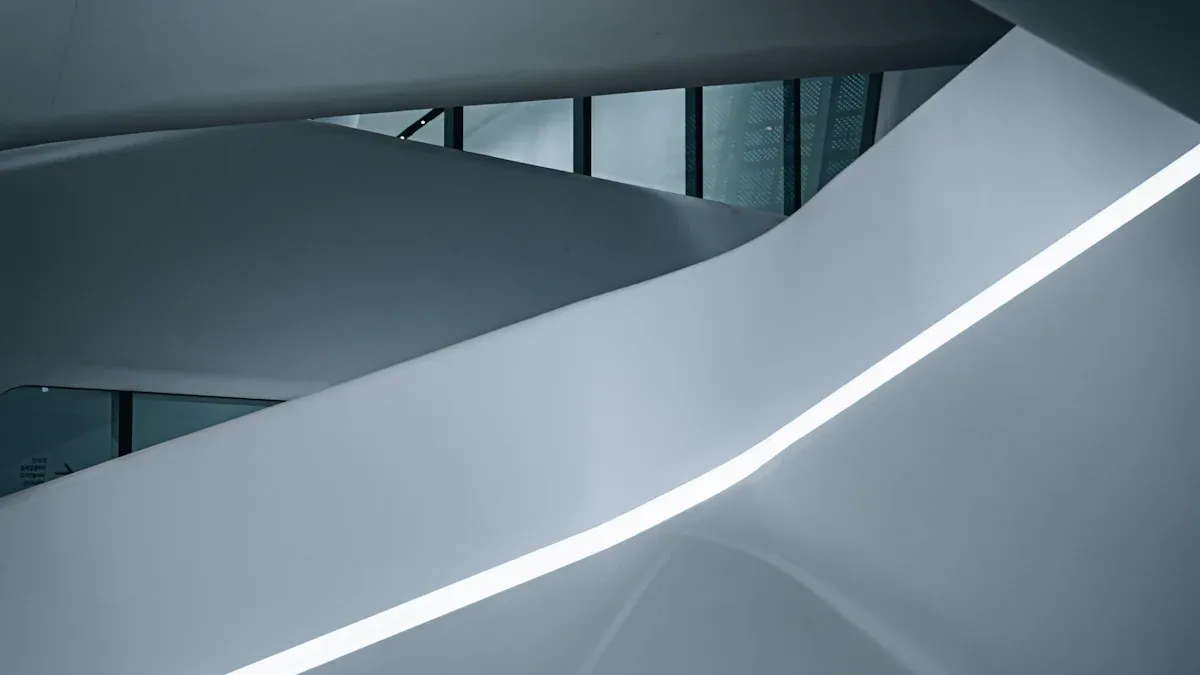
The second major shift in the lighting trends 2026 is the move toward ultra-minimalism. This aesthetic prioritizes clean lines and uncluttered spaces. The light source itself often vanishes, becoming an integral part of the building's architecture.
The "Disappearing" Light Source Aesthetic
The goal of this aesthetic is to see the effect of light, not the fixture producing it. Design publications like gb&d Magazine highlight solutions where the light source seemingly disappears into the space. The focus is purely on the illumination. Similarly, Azure Magazine has featured fixtures that can almost disappear when turned off, blending perfectly with their surroundings.
What Are Trimless Fixtures?
Trimless fixtures are recessed lights installed without a visible outer edge or trim. They sit perfectly flush with the ceiling or wall surface, creating a smooth, uninterrupted plane.
The Technique of "Plaster-In" LEDs
"Plaster-in" is the installation method for achieving this seamless look. An led channel or housing is mounted directly to the drywall studs or ceiling joists. Installers then apply plaster or joint compound right up to the edge of the fixture's opening, making the light source appear as a natural cutout in the surface.
Creating Seamless Wall and Ceiling Surfaces
This technique results in a clean, modern finish. Light emerges from simple lines or apertures in the wall or ceiling, removing the visual clutter of traditional fixtures and enhancing the architectural form.
2026 Application: Dynamic and Sculptural Lighting
Architects now use integrated lighting to create dynamic and sculptural effects. Light is no longer just for illumination; it is a building material.
The Evolution of Modern Cove Lighting
Cove lighting has evolved from a simple hidden strip to a key design element. It washes walls with a soft glow, defines perimeters, and adds a sense of height and openness to a room.
Using Linear LEDs to Define Spaces
Designers use linear fixtures to create striking visual statements. These trends allow for incredible creativity:
Fixtures can form geometric patterns like rectangles, hexagons, or zigzags.
Curved and free-flowing designs can snake across surfaces, linking walls to the floor.
Installations can create "light curtains" that divide a space without physical barriers.
Creating Architectural Highlights
Strategic lighting can highlight a room's best features. A line of light can draw the eye down a hallway, frame a piece of art, or accentuate the sharp angle of a modern staircase.
Light as a Structural Element
In advanced applications, lighting becomes a structural element. The Hyundai Capital Convention Hall in Seoul uses a flexible lighting "shell" that conceals multiple light types. This design creates fascinating graphics and shapes, making the space feel like an immersive art installation.
Achieving a Clean, Minimalist Aesthetic
A successful minimalist design requires careful planning. The "less is more" philosophy guides every choice, ensuring each element has a clear purpose.
Principles of Minimalist Lighting Design
Key principles include focusing on function, embracing negative space, and layering light with purpose. Designers identify a few key focal points to highlight, using shadows to add depth and visual interest.
Integrating Light into Walls
Wall-integrated lighting can serve as a guide, provide ambient glow, or create artistic patterns. Low-level linear lights along a corridor can improve safety and add drama.
Integrating Light into Ceilings
Ceiling integration offers the most dramatic effects.
Manufacturers now produce linear luminaires with fully illuminated corners and invisible couplings. This allows designers to create multi-dimensional shapes and patterns that flow across the ceiling, providing a unique look that blends with any architectural style.
Practical Installation Considerations
Achieving a seamless, integrated look requires more than just choosing the right fixture. It demands meticulous planning and expert execution from start to finish. Homeowners and designers must address practical considerations early to ensure a successful and lasting installation.
Early Planning in Construction
Integrated architectural lighting cannot be an afterthought. It must be a core component of the initial design phase, ideally before construction begins.
Early planning allows architects and designers to address potential structural limitations. Factors like ceiling height, joist placement, and pre-existing elements can restrict fixture placement. Mapping out the locations for trimless and plaster-in fixtures at the blueprint stage ensures they integrate flawlessly with the building's structure. This proactive approach prevents costly and time-consuming modifications down the line.
Working with Electricians and Contractors
Effective collaboration between all trades is vital. The architect, interior designer, electrician, and drywall contractor must work in unison to execute the design vision. Clear communication prevents conflicts and ensures every detail is handled correctly.
Key coordination points include:
Electrical Infrastructure: The electrician must verify that the home's wiring can support the power loads of modern LED systems and their advanced controls.
Fixture Housing: The contractor installs the fixture housings at the correct depth before the drywall goes up.
Plastering: The drywall team must be skilled in the plaster-in technique to create a truly seamless finish around the fixture aperture.
This coordinated effort is essential for a high-quality outcome.
Long-Term Maintenance and Repair
While minimalist designs are visually clean, they can present long-term maintenance challenges. Since the fixtures are built into the ceiling or walls, access for repairs or replacement is more complex than with traditional lighting.
Designers must plan for longevity and serviceability.
Specify High-Quality Fixtures: Choosing LEDs with long lifespans (50,000+ hours) minimizes the frequency of replacements.
Design for Accessibility: Whenever possible, designers should incorporate discreet access panels or choose modular systems where components can be serviced without major demolition.
Use Reputable Brands: Established manufacturers often provide better warranties and long-term support for their integrated lighting products, ensuring replacement parts are available if needed.
Thinking about maintenance from the beginning ensures the beautiful aesthetic remains functional for years to come.
Trend 3: Advanced Smart Integration and AI in Trending Ceiling Lights
The third major development in the lighting trends 2026 is the fusion of advanced smart controls with artificial intelligence. This evolution moves beyond simple commands, creating lighting systems that are predictive, autonomous, and deeply integrated into the smart home. These trends make trending ceiling lights more intuitive than ever.
The Foundation: Universal Control with Matter
A unified standard is the bedrock of this intelligent revolution. The Matter protocol finally delivers on the promise of a truly connected home.
What Is the Matter Protocol?
Matter is a universal connectivity standard developed by major technology companies, including Apple, Google, and Amazon. It operates on top of existing network technologies like Wi-Fi and Thread. Matter creates a common, IP-based language that allows smart devices to communicate seamlessly, regardless of their manufacturer.
Unifying Smart Home Platforms
Matter's platform-agnostic architecture breaks down the walls between competing smart home ecosystems. Its multi-administrator capability allows different platforms to control the same device simultaneously. A family can use both Google Home and Apple Home to manage the same set of trending ceiling lights without conflict.
The End of Brand Compatibility Issues
For years, consumers faced frustrating compatibility problems. Matter resolves this issue by standardizing device communication.
Cross-Brand Automation: Devices from different brands can now work together in complex automations.
Simplified Setup: The protocol streamlines the device pairing process, making it faster and easier to add new lights.
Single App Control: Users can manage their entire smart lighting system from one preferred application, eliminating the need for multiple brand-specific apps.
2026 Application: AI-Powered Predictive Lighting
In 2026, AI transforms the ceiling from a static surface into a responsive interface. AI-powered fixtures learn and anticipate user needs, delivering a new level of automation.
How AI Learns User Habits and Preferences
AI algorithms analyze data from sensors and user interactions over time. The system learns a household's daily routines, such as when people wake up, when they work, and when they relax.
Proactive Scene Adjustments
Using this learned data, the AI proactively adjusts lighting scenes. It might automatically brighten the kitchen lights on a weekday morning or dim the living room ceiling lights for a movie night without any user command.
Occupancy and Activity Sensing
Advanced sensors detect not only the presence of people but also their activities. The lighting system can differentiate between a person reading on the sofa and someone exercising, tailoring the light accordingly.
AI-Driven Energy Optimization
AI makes lighting systems incredibly efficient. By analyzing occupancy data and natural light levels, the system dims or turns off lights in empty rooms.
Note: Real-world implementations show dramatic results. A California municipality cut energy use by 42% with AI-controlled streetlights. Some commercial offices have reported energy reductions of up to 70% by dynamically adjusting brightness based on occupancy and daylight.
The Evolved User Experience in 2026
This combination of Matter and AI creates a user experience that is seamless and intuitive.
Advanced Voice and Gesture Controls
Interaction moves beyond simple "on/off" commands. Users can employ more natural language or even simple hand gestures to control complex lighting scenes.
The Diminishing Role of Smart Hubs
Because Matter-certified devices can communicate directly over a home's IP network, the need for multiple brand-specific hubs is greatly reduced. This simplifies the overall system architecture.
Creating Personalized Lighting Profiles
Ultimately, these technologies allow for the creation of deeply personalized lighting profiles. The system adapts automatically to each individual's preferences, creating the perfect environment for any task or mood.
Security and Privacy in Smart Lighting
As smart systems become more intelligent, ensuring security and privacy is paramount. The data collected by advanced lighting, from occupancy patterns to daily routines, requires robust protection. In 2026, manufacturers and consumers share the responsibility for creating a secure smart home environment. This focus on security builds trust and ensures the safe operation of these deeply integrated technologies.
Understanding Data Encryption Standards
Protecting data begins with strong encryption. Using devices with industry-standard data encryption is crucial for mitigating privacy and security threats. All communication pathways, from the device to the cloud, should be secured with end-to-end encryption. This prevents unauthorized parties from intercepting and reading the data.
Leading manufacturers now adhere to strict security protocols to protect their smart lighting systems.
AES-128 Encryption: This advanced encryption standard is a common requirement for securing device-level communications.
Transport Layer Security (TLS): Secure TLS protocols are advised for all remote access, encrypting data transmitted between mobile apps and cloud services.
End-to-End AES Encryption: This method ensures that data remains encrypted from its origin to its destination, providing a comprehensive layer of security.
These standards make it extremely difficult for malicious actors to compromise the system.
User Control Over Personal Data
Beyond technical safeguards, 2026 trends emphasize user empowerment. Consumers demand transparency and control over their personal information. In response, leading brands provide clear privacy policies and user-friendly dashboards. These tools allow homeowners to see what data their lighting system collects and manage their privacy settings. Users can often opt out of certain data collection or request the deletion of their historical data, giving them final say over their digital footprint.
Securing Your Home Wi-Fi Network
A smart lighting system is only as secure as the network it connects to. Protecting the home Wi-Fi network is a critical step in safeguarding all connected devices. A compromised network can expose every smart device to potential attacks.
Best Practices for Network Security:
Use Strong Passwords: Homeowners should replace default router passwords with complex, unique credentials.
Enable WPA3 Encryption: WPA3 is the latest security protocol for Wi-Fi, offering superior protection over older standards like WPA2.
Create a Guest Network: Isolating smart home devices on a separate guest network can prevent a security breach on one device from affecting the entire home network.
Following these fundamental security practices creates a strong defense for the entire smart home ecosystem.
Trend 4: Sustainable, Biophilic, and Artistic Designs
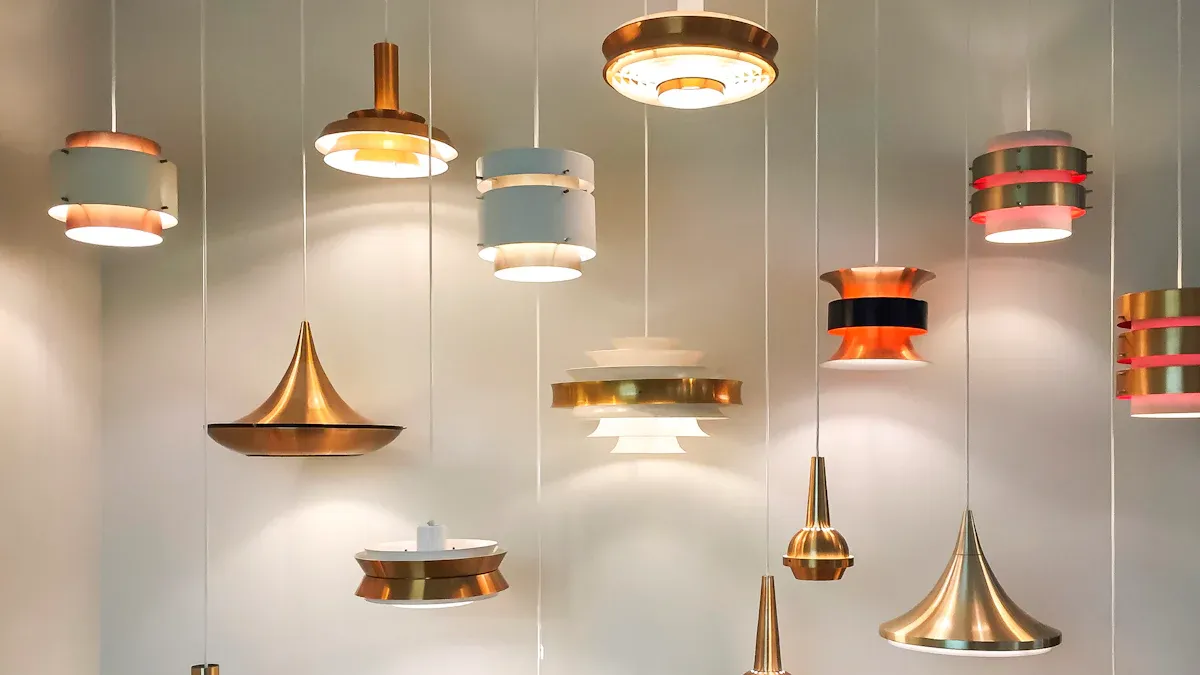
The final pillar of the lighting trends 2026 is a powerful fusion of sustainability, nature-inspired aesthetics, and artistic expression. This movement shifts the focus toward environmentally responsible manufacturing and fixtures that serve as sculptural centerpieces. These trends create a deeper connection between indoor spaces and the natural world.
Eco-Conscious Manufacturing and Materials
Sustainability is no longer an option; it is a core design principle. Manufacturers are rethinking the entire product lifecycle, from material sourcing to end-of-life recyclability.
The Rise of Eco-Friendly Materials
The industry is embracing innovative, eco-friendly materials to reduce its environmental footprint. This includes everything from post-consumer waste to naturally abundant elements.
GreenLightDepot uses recycled plastics and reclaimed wood fibers in its fixtures.
LightZero produces fixtures from nearly 100% recycled materials.
Airelight by Goldeneye employs a non-toxic, recyclable ceramic that also acts as a self-cooling heat sink.
Fixtures from Recycled Plastics and Metals
Leading brands are demonstrating a strong commitment to using recycled content. This practice conserves resources and reduces landfill waste. The table below highlights several companies prioritizing sustainable practices.
Brand | Sustainable Practices / Materials Used |
|---|---|
Ansell Lighting | Focus on energy efficiency and responsible manufacturing. |
EGG Lighting | Known for energy-saving LED lighting and circular economy principles. |
Luceco | Committed to sustainable manufacturing and responsible waste management. |
Tamlite Lighting | Focuses on product recyclability and sustainable operations. |
Whitecroft Lighting | Emphasizes circular design and the use of recycled materials. |
Fixtures from Sustainable Wood and Bamboo
Natural materials like FSC-certified wood and rapidly renewable bamboo are gaining popularity. They add warmth and organic texture to modern ceiling fixtures while offering a sustainable alternative to plastics and metals.
Designing for Longevity and Modularity
To combat electronic waste, the industry is moving away from a "throwaway" culture. The new focus is on creating durable, repairable, and upgradable lighting systems.
The Importance of Modular Designs
Modular systems allow for the replacement of individual components, such as the led module or driver. This approach significantly extends a fixture's lifespan.
Designing for Disassembly (DfD) is a key strategy. It uses mechanical fixings like screws instead of adhesives. This practice allows for easy access to components for repair, refurbishment, or recycling.
Repairable and Upgradable Fixtures
Serviceability is crucial for sustainability. Modular designs ensure that a single failed part does not render an entire fixture useless. This approach dramatically reduces maintenance costs and system downtime over the long term.
Reducing Electronic Waste (E-Waste)
By prioritizing repair over replacement, modular lighting directly addresses the growing problem of e-waste. This circular economy model ensures that valuable materials remain in use for as long as possible.
2026 Application: Biophilic and Nature-Inspired Forms
Biophilic design seeks to connect people with nature through architecture and products. In 2026, ceiling lighting fixtures become a primary vehicle for this connection, transforming spaces with organic shapes and dynamic effects.
Fixtures Mimicking Natural Shapes
Designers draw inspiration from the natural world.
Bomma’s Mussels Collection features handcrafted glass that emulates the texture of mollusc shells.
Gubi's Obello lamp offers a soft glow from a form reminiscent of a glowing mushroom.
Dynamic Sky and Cloud Panels
Advanced LED panels can now realistically mimic the sky. These large-format fixtures simulate the gentle drift of clouds and the changing color of daylight, creating a sense of openness and tranquility.
Branch and Vine-Like Structures
Fixtures are taking on the form of tree branches and creeping vines. These sculptural systems spread across the ceiling, creating intricate patterns of light and shadow that evoke a forest canopy.
Honeycomb and Cellular Patterns
The geometric efficiency of honeycomb and other cellular structures inspires modular lighting systems. These designs can be configured in endless patterns, adding visual interest and a sense of natural order to a room.
Sculptural and Artistic Fixtures as Centerpieces
Beyond function, ceiling fixtures in 2026 are becoming primary artistic statements. This trend elevates lighting from a utility to a central element of interior design, blending form and function into a single, expressive piece.
Lighting as Functional Art
Designers now treat fixtures as functional sculptures. A modern ceiling light does more than illuminate a room; it defines the space's character and serves as a focal point. This approach transforms the ceiling into a canvas for creative expression. The fixture itself becomes a conversation piece, contributing to the room's aesthetic narrative just as much as a painting or sculpture would.
The Trend of Large-Scale Fixtures
Oversized fixtures create dramatic impact and a strong sense of scale. These large, sculptural pieces command attention and anchor a room's design. Several designers are leading this movement with bold, artistic creations.
Verena Hennig designed the Reb Lamp, which functions more like an art installation. Its long, snake-like form can be shaped into an abstract chandelier.
Studio Truly Truly created the Big Glow collection. These large pendant lights resemble blimps and feature luxurious, soft wool shades that add understated drama.
Nader Gammas designed the WOAW collection, abstracting the classic candelabra into quirky tubular steel forms that bring a sense of wonder to the space.
Hyper-Tactile and Textured Materials
Materials are becoming more expressive and tactile. Designers are moving beyond smooth, polished surfaces to embrace textures that invite touch and add visual depth. This trend emphasizes a sensory experience.
Examples of Trending Textures:
Rough, unglazed ceramics
Woven fabrics and natural fibers
Brushed or hammered metals
Fluted and reeded glass
These materials give fixtures a tangible presence, making the lighting feel more grounded and organic.
Color-Tinted Glass Globes and Domes
Color is making a bold return through tinted glass. Globes, domes, and shades in rich hues like amber, smoke gray, and deep jewel tones add a layer of mood and sophistication. This use of color transforms the fixture into a decorative object that remains visually interesting even when turned off. The colored glass casts a soft, atmospheric glow, enhancing the ambiance of the entire room. This trend allows for a personalized touch in modern lighting design.
Exploring the Top Lighting Trends 2026: A Synthesis
The lighting trends 2026 are not isolated concepts; they converge to create holistic and intelligent environments. The most innovative designs synthesize multiple trends, blending aesthetics with advanced functionality. This synthesis marks the future of interior illumination.
Combining Minimalism with Biophilia
The intersection of minimalism and biophilia creates a balanced and serene aesthetic. This approach softens the starkness of modern design with the warmth of nature.
Balancing Clean Lines with Organic Forms
Designers now merge the clean, uninterrupted lines of architectural lighting with organic, nature-inspired shapes. A trimless linear fixture might terminate in a sculptural element resembling a branch, or a minimalist ceiling plane could feature a soft, cloud-like luminaire. This balance creates visual interest without clutter.
Using Natural Materials in Minimalist Fixtures
Minimalist fixtures are incorporating more natural materials. Sustainable wood, bamboo, and textured ceramics add warmth and tactile appeal to otherwise simple forms. These materials connect the clean aesthetic of modern led ceiling lighting to the organic beauty of the natural world.
Smart Technology Meets Human-Centric Design
The fusion of AI and human-centric principles creates lighting that is truly autonomous and supportive of well-being. Technology becomes an invisible partner in creating a healthier indoor environment.
Automating Wellness with AI
AI-powered fixtures automate wellness by learning and adapting to household routines. These systems proactively adjust lighting to support focus, relaxation, and energy levels throughout the day. The technology operates seamlessly in the background, enhancing life without requiring constant manual input.
Personalized Circadian Lighting Schedules
Advanced systems create deeply personalized circadian lighting schedules for every user. AI algorithms learn individual preferences and routines to deliver the right light at the right time.
The system builds user profiles by tracking interactions with lighting controls.
It combines behavioral patterns with face or voice recognition to distinguish between users in a shared space.
Profiles track preferences for brightness, color temperature, and activity-based lighting scenes.
This data allows trending ceiling lights to transition from cool, energizing light during the day to warm, relaxing light in the evening, tailored specifically to each person's internal clock.
How to Choose the Right Trend for Your Space
Selecting the right led ceiling lighting involves a careful assessment of architecture, lifestyle, and budget. These trends offer diverse solutions for any project.
Assessing Your Home's Architecture
The home's architectural style should guide lighting choices. An ultra-modern home is a perfect canvas for integrated, minimalist lighting, while a home with traditional elements may benefit from sculptural, biophilic fixtures that act as centerpieces on the ceiling.
Aligning Lighting with Your Lifestyle
A household's daily activities are a critical factor. A family that works from home needs task-oriented, human-centric lighting. A person who entertains frequently might prioritize dramatic, artistic fixtures. The best ceiling lighting system aligns with the occupants' lifestyle.
Budgeting for Advanced Lighting Systems
Advanced systems represent a significant investment. Homeowners must budget for not only the fixtures but also the necessary infrastructure, controls, and professional installation required for integrated and smart lighting solutions.
The future of led ceiling lighting in 2026 is intelligent and integrated, moving far beyond simple illumination for the ceiling. The dominant lighting trends 2026—Wellness, Integration, AI, and Sustainability—demonstrate a shift towards lighting that actively enhances our lives. As people plan their next lighting upgrade, they should consider which of these forward-thinking trending ceiling lights and led ceiling lighting concepts best fits their space, aesthetic, and overall lighting goals. These trends redefine the modern ceiling.
FAQ
What is the primary benefit of circadian rhythm lighting?
Circadian lighting supports the body's natural sleep-wake cycle. It uses tunable white LEDs to mimic the sun's daily progression. This technology boosts occupant well-being, improves focus during the day, and promotes better sleep quality at night.
Is integrated architectural lighting difficult to install?
This lighting style requires meticulous planning during a project's initial design phase.
Successful installation depends on close collaboration between the architect, electrician, and drywall contractor. This teamwork is essential to achieve a truly seamless, high-quality finish.
How does the Matter protocol improve smart lighting?
The Matter protocol unifies smart home devices from different brands. It eliminates compatibility issues, allowing all fixtures to communicate directly. This simplifies setup and enables users to control their entire system from a single platform.
What makes a ceiling fixture sustainable in 2026?
Sustainable fixtures use eco-friendly materials like recycled plastics or bamboo. They also feature modular, repairable designs that extend the product's lifespan. This focus on longevity and disassembly helps reduce electronic waste.
Can homeowners combine these different lighting trends?
Yes, the most innovative designs often synthesize multiple trends. A minimalist fixture can incorporate biophilic materials. A sculptural light can feature smart, human-centric technology, blending aesthetics with advanced function for a holistic environment.
What is the most important factor for choosing a 2026 lighting trend?
The best choice aligns with a person's lifestyle and the home's architecture. A family might need wellness lighting for a home office. A minimalist home, in contrast, provides a perfect canvas for integrated architectural fixtures.