Alternatives to LED flush mount ceiling lights for low ceilings
Homeowners often select standard led flush mount ceiling lights for rooms with low ceilings. However, many lighting solutions offer distinct benefits beyond basic flush mounts. An expert LED Ceiling Light Manufacturer and other led light manufacturers provide diverse led light fixtures and lighting options. These choices offer superior lighting and style.
Key Alternatives Include:
Semi-flush mounts, which add decoration while preserving headroom.
Recessed lighting for a completely clean, space-saving look.
Wall sconces, which create an illusion of height.
A modern LED Ceiling Light can transform a space.
1. Semi-Flush Mount Lights: A Touch of Elegance
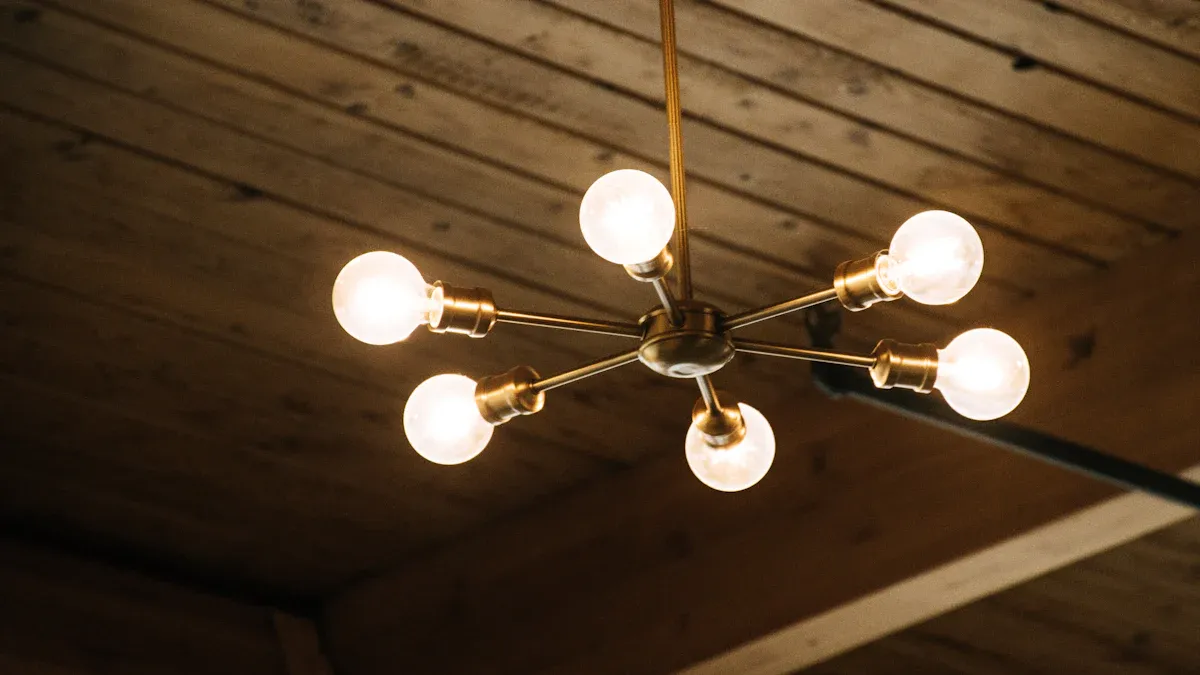
Semi-flush mount fixtures offer a perfect compromise between the low profile of flush mounts and the decorative flair of a chandelier. A semi-flush light hangs just a few inches from the ceiling, providing a stylish upgrade without sacrificing precious headroom. These options are ideal for homeowners seeking more visual interest than standard flush mount lights can offer.
Why They Work for Low Ceilings
Creating an Upward Glow
A key benefit of a semi-flush fixture is the space between the light and the ceiling. This gap allows light to cast both downwards and upwards. The upward glow reflects off the ceiling, creating an ambient wash of light that makes the room feel brighter and taller. This effect helps counter the closed-in feeling that low ceilings can sometimes create.
Adding a Decorative Element
Unlike their flatter counterparts, semi-flush lights introduce a decorative element to a room. They come in countless designs, from modern geometric shapes to traditional glass bowls. A well-chosen semi-flush fixture acts as a focal point, adding personality and sophistication that enhances the overall decor. This makes the semi-flush a versatile lighting choice.
Best Use Cases
The semi-flush design is highly adaptable. It works well in various spaces where both style and clearance are important.
Bedrooms and Nurseries
In bedrooms, a semi-flush light provides soft, ambient lighting that is more appealing than harsh, direct light. The decorative nature of a semi-flush fixture can complement the room's design, creating a cozy and inviting atmosphere.
Hallways and Entryways
Hallways and entryways benefit greatly from semi-flush fixtures. These areas often have limited space, but they also make the first impression. A stylish semi-flush light adds character without obstructing the path, welcoming guests with warm illumination.
Smaller Living Areas
For smaller living rooms or dens with low ceilings, a large chandelier is impractical. A semi-flush light offers an elegant lighting solution that defines the space. It provides ample light without overwhelming the room or reducing the available headroom.
Key Considerations
Homeowners should evaluate a few factors before selecting a semi-flush fixture. Proper planning ensures the new lighting looks and functions perfectly.
Measuring Drop Height
The "drop height" is the distance from the ceiling to the bottom of the fixture.
Pro Tip: Ensure at least 7 feet of clearance from the floor to the bottom of the semi-flush light in walkways. This prevents anyone from bumping their head and maintains an open feel.
Matching Your Decor Style
The wide variety of semi-flush designs makes it easy to find one that matches your home's aesthetic. Consider these styles:
Modern: Look for clean lines, metallic finishes, and simple geometric forms.
Traditional: Choose fixtures with classic details, such as ornate metalwork or frosted glass.
Transitional: A transitional semi-flush blends modern and traditional elements for a timeless look.
Understanding Light Spread
The design of the semi-flush shade or globe directly impacts how light is distributed. A clear glass shade will provide bright, direct light, while an opaque or frosted shade will create a softer, more diffused glow. Consider the room's primary function when deciding on the desired light spread for your semi-flush fixture.
2. Recessed Lighting: The Ultimate Space-Saver
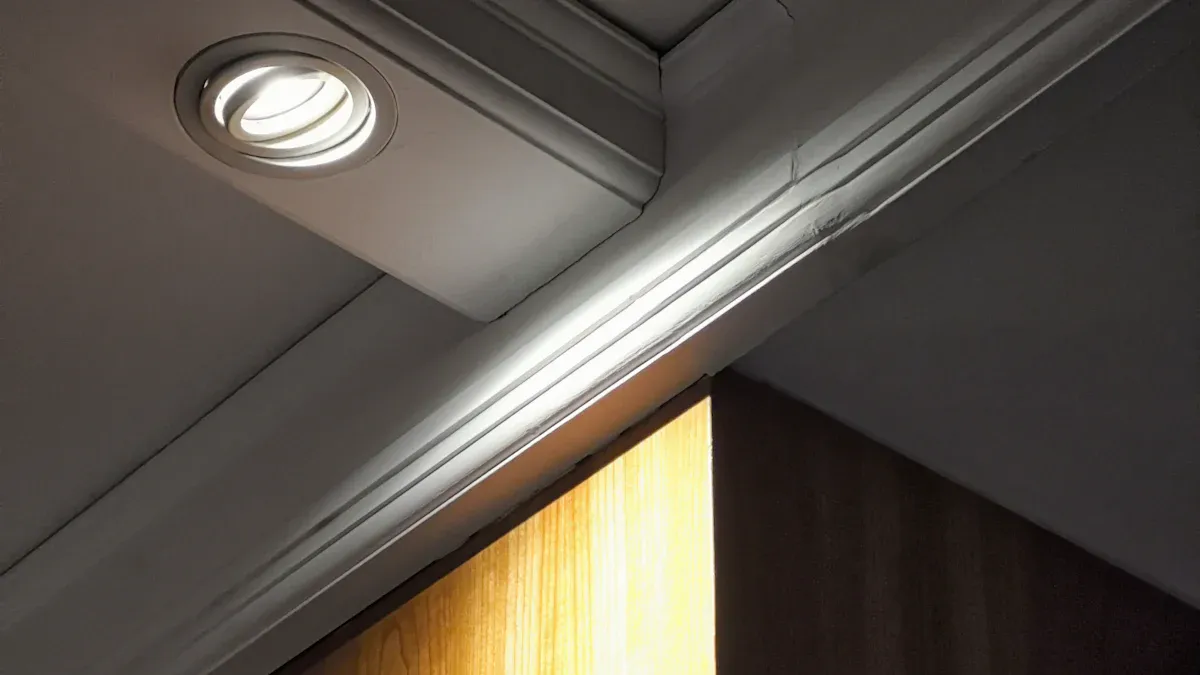
Recessed lighting offers the most streamlined solution for rooms with low ceilings. These fixtures, also known as can lights or downlights, install directly inside the ceiling. This design completely eliminates any vertical obstruction, maximizing available headroom. Their minimalist appearance provides a clean, modern aesthetic that makes any space feel larger and more open. The space-saving benefits of recessed lighting are unmatched.
Why They Work for Low Ceilings
Zero Vertical Footprint
The primary advantage of recessed lighting is its zero-profile design. The entire housing sits above the ceiling plane, so the fixture does not hang down into the living space. This feature is critical for maintaining clearance and an uncluttered feel, preserving every inch of precious headroom.
Creating a Clean, Uncluttered Look
Recessed fixtures blend seamlessly into the ceiling. This integration creates a smooth, continuous surface that is visually quiet. For homeowners aiming for a minimalist or contemporary style, recessed led downlights provide effective illumination without adding visual bulk.
Best Use Cases
The versatility of recessed lighting makes it suitable for numerous applications, especially where function and a clean look are priorities.
Kitchens and Workspaces
Kitchens demand bright, functional task lighting. Strategically placed recessed led downlights can illuminate countertops, sinks, and other work areas without casting shadows. A comprehensive lighting plan ensures optimal coverage.
Kitchen Lighting Tips:
Space recessed lights 3 to 4 feet apart for even coverage.
Choose a color temperature between 3000K and 3500K for crisp, clean light.
Install dimmers to adjust brightness for cooking or entertaining.
Basements and Home Theaters
Basements and home theaters often have low ceilings. Recessed fixtures provide broad, even illumination without interfering with sightlines to a screen. Using multiple recessed lights on a dimmer switch allows users to control the ambiance perfectly.
Modern Living Rooms
In modern living rooms, a grid of recessed led downlights can establish a sleek, architectural feel. This approach provides excellent ambient lighting that complements other light sources like floor lamps or wall sconces.
Key Considerations
Proper planning is essential for a successful recessed lighting installation. Homeowners should consider installation requirements, spacing, and trim options.
Professional Installation Needs
Installing recessed fixtures often requires a professional electrician. The type of housing depends on whether the ceiling is already finished. There are two main options.
Feature | Remodel Housings | |
|---|---|---|
Installation | Fasten directly to exposed ceiling joists before drywall. | Secure to existing drywall with spring-loaded clips. |
Best For | New builds or major renovations with open ceilings. | Adding lights to an existing, finished room. |
Access Needed | Requires full access to the ceiling structure. | Requires only a small hole cut into the drywall. |
Planning Proper Spacing
Correct spacing prevents dark spots and harsh glare. A general guideline is to space recessed lights apart by a distance equal to half the ceiling height. For an 8-foot ceiling, this means placing lights about 4 feet apart.
Choosing the Right Trim Style
The trim is the visible part of the recessed fixture. It shapes the light and defines the fixture's appearance. Two popular styles offer distinct benefits.
Gimbal Trim for Directional Light
A gimbal trim features an adjustable head that pivots. This allows users to direct the light toward artwork, a fireplace, or a specific task area, offering flexible accent led lighting.
Baffle Trim for Reduced Glare
Baffle trim contains interior ridges that absorb excess light. This design minimizes glare and creates a softer, more comfortable illumination, making it ideal for general ambient lighting.
3. Track Lighting: Flexible and Modern Illumination
Track lighting provides a highly versatile and modern solution for challenging spaces. This system uses individual light heads mounted on a continuous track, allowing homeowners to direct light precisely where it is needed. Its adaptability makes it an excellent choice for rooms that serve multiple functions.
Why It Works for Low Ceilings
Low-Profile Track Design
Modern track lighting systems offer sleek, minimalist designs. Many tracks mount nearly flush with the ceiling, creating a low-profile fixture that preserves valuable headroom. This design provides the functional benefits of multiple lights without the visual weight of several separate fixtures.
Directing Light to Draw the Eye
The primary strength of track lighting is its directionality. Homeowners can aim the light heads toward walls, artwork, or architectural features. This technique, known as "wall washing," illuminates vertical surfaces and draws the eye upward, creating an illusion of height and space. This strategic lighting makes the room feel larger and distracts from the low ceilings.
Best Use Cases
Track lighting excels in rooms that require focused, adaptable illumination. Its customizable nature suits various functional and aesthetic needs.
Home Offices and Studios
In a home office, adjustable LED track lighting is an ideal choice. Users can position a compact fixture directly over a desk for bright, focused task lighting. This reduces eye strain and improves productivity. The ability to re-aim the lights accommodates changing workspace layouts.
Kitchens for Task Lighting
Kitchens benefit from layered lighting. A track system can run above countertops or a central island, providing targeted light for food preparation. This approach ensures work zones are well-lit without casting shadows.
Highlighting Artwork or Features
Track heads act like miniature spotlights. They can create a gallery-like effect by highlighting paintings, sculptures, or a textured accent wall. This adds a layer of drama and sophistication to the room's design.
Key Considerations
Selecting the right track system involves more than just picking a style. Homeowners should consider the track type, head size, and overall visual impact.
Choosing Compact Track Heads
For rooms with low ceilings, a compact track head is essential. Large, bulky heads can create visual clutter and make the ceiling feel lower. Smaller, streamlined heads provide ample light while maintaining a clean, unobtrusive look.
Monorail Tracks for a Curved Look
Monorail tracks are mounted on standoffs and can be bent into gentle curves. This offers a more decorative and fluid aesthetic compared to straight tracks. These options can add a soft, sculptural element to a room.
Standard Tracks for Simplicity
Standard linear tracks are straightforward and functional. They are easy to install and offer a clean, geometric look that complements modern and industrial decor styles.
Avoiding Visual Clutter
Proper planning ensures the track lighting enhances the space instead of overwhelming it.
Tips for a Clean Installation:
Select a track finish that blends with the ceiling color.
Position tracks to highlight key areas rather than running them randomly.
Install a dimmer switch to control light intensity and create ambiance.
4. Wall Sconces: Lighting from the Sides
An exceptional lighting strategy for rooms with low ceilings involves shifting the focus from overhead fixtures to the walls. Wall sconces offer a unique and effective way to illuminate a space without consuming any ceiling real estate. These fixtures mount directly to vertical surfaces, providing stylish and functional light from the sides. This approach not only preserves precious headroom but also introduces a sophisticated design element that can dramatically alter a room's perceived dimensions.
Why They Work for Low Ceilings
Freeing Up Ceiling Space Entirely
By moving light sources off the ceiling, wall sconces create a more open and airy atmosphere. They are an excellent alternative for homeowners who want to avoid any fixtures hanging down, ensuring a completely clear vertical space. This method is particularly effective in rooms where every inch of height matters.
Creating the Illusion of Height
Wall sconces are masters of illusion. Uplight sconces direct their beams toward the ceiling. This light reflects off the surface, making the room feel larger and the ceiling appear higher. This technique counteracts the confining effect of low ceilings. In contrast, downlight sconces cast light downwards, fostering a more intimate atmosphere that can make larger rooms feel cozier. The direction of the light directly influences the perception of space.
Best Use Cases
Wall sconces are highly versatile and can be used in various settings to enhance both function and style. They are perfect for framing a bed, providing symmetrical and soft lighting ideal for reading without needing bedside table lamps. Similarly, placing sconces on either side of a bathroom or entryway mirror delivers even, flattering light that eliminates shadows.
Framing a Bed or Mirror
For long, narrow hallways, wall sconces provide an elegant solution. A rhythmic pattern of light can be created by installing them at regular intervals.
Illuminating Long Hallways
Position sconces approximately 60 inches from the floor for optimal aesthetics.
Place them at eye level to ensure even light distribution and minimize shadows.
Use upward-facing sconces to enhance the sense of height in spaces with low overheads.
Adding Ambient Light in Living Rooms
In living rooms, wall sconces contribute beautiful ambient lighting. They add a warm, inviting glow that complements the primary light source, creating a layered and well-rounded illumination scheme.
Key Considerations
When selecting wall sconces, several factors require consideration. The choice between uplighting and downlighting is crucial. Uplighters make a room feel taller, while downlighters create focused task lighting or a cozy ambiance.
Uplighting vs. Downlighting Sconces
Homeowners must also decide between hardwired and plug-in options. Hardwired sconces offer a clean, seamless look but require professional installation. Plug-in models provide greater flexibility and are perfect for renters or those who prefer a simpler setup.
Hardwired vs. Plug-In Options
It is important to recognize that wall sconces typically provide ambient or accent lighting, not primary illumination. They work best as part of a layered lighting plan, supplementing other fixtures to create a balanced and functional environment.
Providing Ambient, Not Primary, Light
5. Ultra-Thin LED Panels: The Modern Flush Mount
Ultra-thin LED panels represent the next evolution of low-profile lighting, offering a contemporary alternative to standard led flush mount ceiling lights. These fixtures sit perfectly flat against the ceiling surface, providing powerful illumination with a nearly invisible profile. Their design makes them an exceptional choice for spaces with very low ceilings where even traditional flush mounts might feel too bulky. The result is a clean, architectural look that maximizes the sense of height and space.
Why They Work for Low Ceilings
A Seamless, Integrated Look
An LED panel light integrates directly into the ceiling plane. This creates a smooth, uninterrupted surface that is visually quiet and uncluttered. Unlike decorative fixtures, these panels do not draw attention to themselves. Instead, they blend in, making the ceiling feel higher and the room more expansive. This seamless quality is ideal for modern and minimalist interiors.
Superior Light Distribution
Ultra-thin LED panels deliver exceptionally even lighting. They achieve this through advanced design that eliminates hot spots and harsh shadows common with other fixtures. This makes the entire room feel consistently bright and comfortable.
Many panels use edge-lit technology, where LED chips are placed along the fixture's perimeter.
A specialized light guide plate directs this light inward.
A diffuser then spreads the light evenly across the panel's surface, providing uniform, soft illumination.
Best Use Cases
The functional design of LED panels makes them a practical solution for various rooms where clear, consistent light is the top priority.
Utility Rooms and Closets
In spaces like laundry rooms, pantries, and walk-in closets, bright and even lighting is essential for visibility. An LED panel floods these areas with consistent light, making it easy to see and organize items.
Home Gyms and Garages
Home gyms and garages benefit from the high-output, wide-coverage lighting of an LED panel. This ensures the entire workspace is safely and brightly lit without the need for multiple fixtures. The low-profile design also stays out of the way of equipment and activity.
Minimalist-Designed Spaces
For interiors that prioritize clean lines and simplicity, an ultra-thin LED panel is a perfect fit. It provides ample illumination without adding any decorative clutter, reinforcing a minimalist aesthetic.
Key Considerations
While these panels are highly functional, homeowners should understand their specific characteristics before choosing them over other options.
A Functional, Not Decorative, Style
The primary strength of an LED panel is its function, not its form. These fixtures are not designed to be decorative focal points. Homeowners seeking a fixture with personality or visual flair may prefer other lighting solutions.
Understanding Color Temperature
The color temperature of an LED panel significantly impacts a room's atmosphere. It is measured in Kelvin (K).
For home gyms, a cooler color temperature between 4000K and 5000K can boost alertness and energy. This range mimics natural daylight, creating an invigorating environment for workouts. Warmer tones are better suited for relaxation areas.
Dimmable vs. Non-Dimmable
Many LED panels are available in dimmable versions. Choosing a dimmable model provides greater control over the lighting intensity. This allows users to adjust the brightness for different activities, from bright task lighting to a softer ambient glow.
6. Pendant Lights: Focused Light for Low Ceilings
A pendant light might seem counterintuitive for rooms with low ceilings, but it offers excellent focused lighting in specific, non-traffic areas. A pendant hangs from the ceiling on a cord or chain, providing targeted illumination that is both functional and stylish. While not suitable for general room lighting in these spaces, a pendant excels at defining and brightening distinct zones.
Why They Work in Specific Areas
Adjustable Cord and Chain Lengths
Most pendant fixtures feature adjustable cords or chains. This flexibility allows homeowners to set the hanging height precisely for the intended task. The ability to customize the drop length ensures the pendant provides effective lighting without becoming an obstacle, making it a viable choice over fixed surfaces.
Defining a Zone (e.g., Kitchen Island)
A pendant light effectively defines a functional zone, such as a kitchen island or dining nook. The focused downward light creates a visual boundary, separating the area from the rest of an open-plan room. However, homeowners must consider the overall layout. A pendant can sometimes create visual clutter and obstruct views, particularly in open-concept spaces where the eye travels through the kitchen to other rooms.
Best Use Cases
The targeted nature of a pendant makes it ideal for specific applications where direct light is needed.
Over Kitchen Islands
Placing a pendant or a series of pendants over a kitchen island provides excellent task lighting for food preparation. This is one of the most popular and practical uses for this type of fixture.
Above Dining Nooks
A single pendant centered over a small dining table or breakfast nook creates an intimate and well-lit eating area. The pendant acts as a focal point, anchoring the space beautifully.
In Corners as Accent Lighting
A stylish pendant can transform an empty corner into a functional reading nook. Paired with a comfortable chair, the pendant provides direct light for reading while adding a decorative touch.
Key Considerations
Careful planning is essential to use a pendant successfully in a room with low ceilings. Homeowners should evaluate placement, scale, and clearance.
Placing Them Outside of Walkways
A pendant should never hang in a primary walkway. It poses a head-bumping hazard and visually shrinks the space. Reserve these fixtures for placement above furniture or countertops.
Using Multiple Small Pendants
Instead of one large fixture, consider using two or three smaller, compact pendant options. This approach distributes light more evenly and often creates a less cluttered, more modern look.
Ensuring Sufficient Clearance
Functionality is paramount for pendant lighting. The fixture must be low enough for effective task lighting but high enough to avoid obstructing views.
Clearance Guidelines:
Hang a pendant so its bottom is 30 to 36 inches above the countertop or table surface.
For low ceilings, aiming for the 30-inch minimum is generally best to preserve an open feel.
7. Floor and Table Lamps: Layering Your Light
Floor and table lamps provide a foundational lighting strategy that requires no ceiling modifications. These portable fixtures are essential for creating a layered and inviting atmosphere, especially in rooms with low ceilings. They draw the eye away from the ceiling plane and add warmth and dimension at different heights within the space.
Why They Work for Low Ceilings
Adding Light at Different Levels
Lamps introduce light at human-scale levels, from side tables to seating areas. Placing lights at varying heights creates a dynamic interplay of light and shadow that enhances the room's atmosphere. This technique adds depth and dimension, defining specific zones and making the overall space feel more thoughtfully designed.
No Ceiling Installation Required
One of the greatest advantages of floor and table lamps is their simplicity. They offer complete flexibility without the need for an electrician or complex installation. Homeowners can easily move them to adapt to changing furniture layouts or lighting needs, making them practical and versatile options.
Best Use Cases
Lamps are adaptable fixtures that serve multiple functions, from providing broad ambient light to focused task lighting.
Reading Nooks and Seating Areas
A floor lamp placed next to a sofa or armchair offers perfect task lighting for reading. It provides direct, focused light while contributing to the room's overall warmth. Table lamps on end tables serve a similar purpose, creating cozy and functional seating arrangements.
Dark Corners and Entryways
Lamps are an excellent solution for illuminating dark corners that overhead fixtures cannot reach. Brightening these areas makes a room feel larger and more complete. A stylish table lamp on an entryway console table creates a welcoming first impression.
Bedrooms for Bedside Lighting
In bedrooms, table lamps on nightstands provide soft, accessible light. They are ideal for winding down at the end of the day and offer convenient lighting without having to get out of bed.
Key Considerations
Selecting the right lamps involves considering their design, function, and how they fit into the room's overall lighting plan.
Choosing the Right Lamp Shade
The lamp shade's material and shape significantly influence the light's quality.
Opaque shades direct light up and down, creating focused pools of light.
Translucent shades diffuse light, casting a soft, ambient glow.
Lighter-colored shades reflect more light, while darker shades absorb it for a moodier effect.
Using Arc Floor Lamps for Overhead Light
For those who want the effect of an overhead fixture without ceiling work, an arc floor lamp is an innovative solution. Its slender profile extends over a seating area or coffee table, mimicking the function of a pendant light. This design provides targeted lighting while occupying minimal floor space.
Balancing Light Sources in a Room
Lamps work best as part of a complete lighting scheme. Using multiple sources creates a balanced and inviting room. For example, a floor lamp can soften shadows cast by a central fixture like a semi-flush mount or a strategically placed pendant. This layered approach, which combines general ambient lighting with task-specific lamps, ensures a room is both functional and comfortable.
Buyer's Guide: How to Choose the Right Light Fixtures for Low Ceilings
Selecting the right light fixtures for low ceilings requires careful planning. This guide walks through the essential steps, from measuring your space to matching fixtures with your decor. Following these steps ensures a functional and stylish outcome.
Step 1: Measure Your Ceiling Height
Accurate measurements are the foundation of a successful lighting plan. They prevent common mistakes like choosing a fixture that hangs too low or looks out of proportion with the room.
The 7-Foot Clearance Rule
A critical guideline for any overhead fixture is the 7-foot clearance rule. This professional standard ensures safety and maintains an open feel in walkways.
A general guideline is to maintain at least 7 feet of clearance from the floor to the bottom of a light fixture. This minimum head clearance prevents anyone from bumping into the fixture.
Calculating Maximum Drop Height
To find the maximum drop height for a fixture, subtract 7 feet (84 inches) from your total ceiling height. For an 8-foot (96-inch) ceiling, the maximum drop height is 12 inches. This calculation is crucial for selecting semi-flush mounts or pendants.
Step 2: Define the Room's Purpose and Lighting Needs
Different rooms require different types of lighting. Understanding the three main layers of light helps create a balanced and functional space.
Ambient vs. Task vs. Accent Lighting
A complete lighting plan incorporates three distinct layers. Each layer serves a specific purpose.
Lumens per Square Foot | Purpose | |
|---|---|---|
Ambient Lighting | 20 | Provides overall, general illumination. |
Task Lighting | 50 | Offers focused light for specific activities. |
Accent Lighting | 30 | Highlights architectural features or decor. |
Matching Light to Activity
The room's function determines its lighting needs. A kitchen requires bright task lighting over countertops, while a living room benefits from soft ambient light. To calculate the total lumens needed for a room, multiply its square footage by the required lumens per square foot. For example, a 100-square-foot kitchen needing task lighting would require 5,000 lumens (100 sq ft x 50).
Step 3: Match Fixtures to Your Decor Style
The right fixture complements your home's aesthetic. Choosing a style that aligns with your decor creates a cohesive and polished look. There are many options available.
Modern and Minimalist Fixtures
Modern design favors clean lines and simple forms.
Recessed lighting
Ultra-thin LED panels
Sleek track lighting systems
These fixtures blend seamlessly into the ceiling, reinforcing a minimalist and uncluttered aesthetic.
Traditional and Transitional Choices
Traditional styles embrace classic details and elegant forms. Semi-flush mounts with frosted glass or ornate metalwork fit well in these spaces. Transitional fixtures blend modern and traditional elements for a timeless appeal.
Industrial and Farmhouse Styles
Industrial and farmhouse styles often use durable materials like metal and wood. Fixtures with black iron finishes or distressed wood can introduce an industrial flair. These styles often blend, creating a look that is both rustic and modern.
Step 4: Plan Your Light Distribution for Maximum Benefits for Low Ceiling Spaces
Strategic light distribution offers significant benefits for low ceiling spaces. The way light interacts with surfaces can dramatically alter a room's perceived size. Proper planning ensures the chosen light fixtures for low ceilings deliver maximum impact.
How Light Reflects and Spreads
Light reflection is a powerful tool. Lighter colors bounce light around a room, while darker colors absorb it. A bright white or light gray ceiling acts as a large reflective surface. It spreads illumination evenly, making the entire space feel brighter and more open. The design of a fixture's shade also dictates how light spreads. Opaque shades create focused pools of light, whereas translucent shades provide a soft, diffused glow. Understanding these principles helps homeowners maximize the effectiveness of their lighting.
Using Light to Create Perceived Height
Homeowners can use light to create an illusion of height. This technique draws the eye upward and makes low ceilings feel less confining. Several methods achieve this effect.
Uplighting: Wall sconces or track lighting aimed at the ceiling wash it with light. This makes the surface appear to recede, enhancing the sense of vertical space.
Strategic Mirrors: A large, well-placed mirror can reflect light onto the ceiling. This brightens the surface and adds visual depth to the room.
Blurred Boundaries: Painting the top few inches of a wall the same light color as the ceiling blurs the transition line. This visual trick makes it harder for the eye to tell where the wall ends and the ceiling begins.
Layering Light for a Complete Feel
A single overhead fixture rarely provides adequate illumination. A layered lighting plan combines different light sources to create a balanced and functional environment. This approach offers the most benefits.
Layering involves using three types of light: ambient for general illumination, task for specific activities, and accent for highlighting features. Combining these options ensures all functional and aesthetic needs are met.
For example, recessed lights can provide ambient illumination. A floor lamp next to a chair offers task lighting for reading. A gimbal trim recessed light can provide accent lighting on a piece of art. This combination creates a rich, inviting atmosphere that distracts from the room's vertical limitations.
Homeowners find excellent alternatives to standard led flush mount ceiling lights. The best lighting solutions include semi-flush mounts, recessed fixtures, and wall sconces. Even traditional flush mounts offer benefits when layered with other lighting options. A stylish semi-flush or led fixture provides soft illumination, while a semi-flush design adds ambiance.
People should measure clearance and consider light distribution. Layering different lighting solutions creates an inviting room.
These led lighting solutions and semi-flush options help homeowners find a stylish and functional choice, moving beyond basic led flush mount ceiling lights.
FAQ
What is the best light fixture for a low ceiling?
Recessed lighting is the ultimate space-saver, offering a zero-profile design. Semi-flush mounts provide a decorative touch while preserving headroom. The best choice depends on the room's style and functional needs.
How much clearance does an overhead light fixture need?
A light fixture should have at least 7 feet (84 inches) of clearance from the floor to its lowest point. This rule ensures safety and prevents the fixture from obstructing walkways.
Can pendant lights work in a room with low ceilings?
Yes, but only in specific zones. Homeowners should place pendants over surfaces like kitchen islands or dining nooks. They must hang outside of main traffic areas to avoid creating an obstacle.
How can lighting make a low ceiling feel higher? ⬆️
Uplighting is an effective technique. Fixtures like wall sconces or track lights aimed upward wash the ceiling with light. This effect draws the eye up and creates an illusion of greater height.
What is the purpose of layering light?
Layering light combines three types of illumination:
Ambient: For general brightness.
Task: For specific activities.
Accent: For highlighting features.
This approach creates a balanced, functional, and inviting atmosphere in any room.
Are wall sconces a good primary light source?
No, wall sconces typically provide ambient or accent light. They work best as part of a layered lighting plan. They supplement other fixtures rather than serving as the sole source of illumination for a room.