Alternatives to LED downlights for indoor lighting
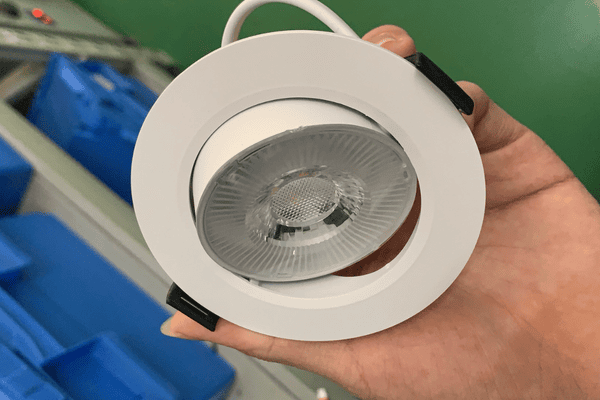
Many interiors rely on standard led downlights for general lighting. A world of stylish lighting alternatives exists beyond this common choice. The right lighting fixtures can dramatically alter a room's atmosphere and highlight its design.
An expert LED DownLight Manufacturer, along with other top led light manufacturers, knows that diverse led light fixtures are essential for creative projects. Strategic lighting selection is key to creating truly elevated indoor spaces with dynamic lighting.
Why Look for Alternatives to LED Downlights?
While led downlights offer efficient general illumination, relying on them exclusively can limit a room's design potential and emotional impact. Homeowners and designers often seek alternatives to create more dynamic, inviting, and personalized spaces. Exploring different lighting options moves an interior from simply being lit to being thoughtfully designed.
Understanding the "Sea of Dots" Effect
Overusing recessed fixtures often creates a "sea of dots" on the ceiling. This grid-like pattern can feel monotonous and impersonal, resembling a commercial office or showroom rather than a comfortable home. This approach casts a uniform, downward glow that flattens architectural details and fails to create visual interest. A room's character gets lost in a wash of generic light, which is why many look for more creative lighting solutions.
The Importance of Layered Lighting Design
Professional designers use a layered lighting strategy to build depth, flexibility, and atmosphere. This technique involves combining three distinct types of lighting. Each layer serves a unique purpose, working together to create a cohesive and functional environment.
A well-designed space balances these three essential lighting layers.
Lighting Layer
Also Known As
Primary Function
Ambient Lighting
General Lighting
Provides overall illumination for adequate visual of the entire area.
Accent Lighting
Decorative Layer
Highlights points of interest like architecture or artwork, and acts as secondary light sources.
Task Lighting
N/A
Provides illumination for specific tasks performed in an area, removing shadows and glare.
Moving Beyond Purely Functional Lighting
Effective lighting design extends far beyond simple visibility. It directly influences a room's mood and the well-being of its occupants. Thoughtful lighting choices can transform a house into a sanctuary, promoting relaxation and comfort. Studies show a strong connection between light and emotional health.
Soft, ambient lighting can create an immediate sense of comfort. It may even trigger the release of calming neurotransmitters like serotonin.
Warm lighting, with its golden tones, often elevates mood and promotes feelings of joy.
Layered lighting creates visual relaxation and establishes focal points, which can enhance mindfulness and reduce stress.
A well-lit entryway signals the end of a busy day, encouraging peaceful routines and preparing the mind for rest.
Enhancing Architectural Features and Decor
Strategic lighting choices transform a room's best qualities from overlooked details into stunning focal points. Unlike the flat, uniform illumination from a grid of downlights, thoughtful lighting design sculpts a space. It draws the eye to features like vaulted ceilings, textured walls, exposed beams, and curated art collections. This approach adds depth, drama, and personality, making the architecture itself a key part of the decor. Designers use several specific lighting techniques to achieve these effects.
Pro Tip: The goal is to use light as a brush, painting architectural elements with highlights and shadows to reveal their true character.
Several methods are particularly effective for accentuating a room's structure:
Indirect Linear Uplighting: This technique places linear light sources out of direct view, often in a cove or on top of cabinetry. The light bounces off the ceiling, creating a soft, ambient glow that makes the entire space feel taller and more open. It adds a sense of appeal without a visible fixture.
Recessed Downlighting: While often used for general illumination, recessed cans can also serve as precise accent lights. Installers can place them within exposed beams, matching the trim to the wood finish for a seamless look. They can spotlight furniture below or highlight the beam itself.
Track Lighting: This flexible system is exceptionally well-suited for rooms with high or open ceilings. A track can run alongside a beam or hang between several, allowing adjustable heads to aim light exactly where it is needed. Modern track lighting is compact and offers many options for highlighting different features as a room's layout evolves.
Point Source Grazing: For a truly dramatic statement, designers use point sources to graze light across a surface. A narrow beam directed at a stone or brick wall will create deep shadows, emphasizing its texture. A wider beam produces a softer "wash" effect. This method powerfully draws attention to the material and form of an architectural element.
This approach to lighting moves beyond simple function. It integrates light with the home's physical structure, creating a dynamic and visually engaging environment. Each beam, arch, and surface becomes an opportunity to add another layer of beauty and sophistication to the interior design.
Ceiling-Mounted Fixtures: Beyond the Recessed Can
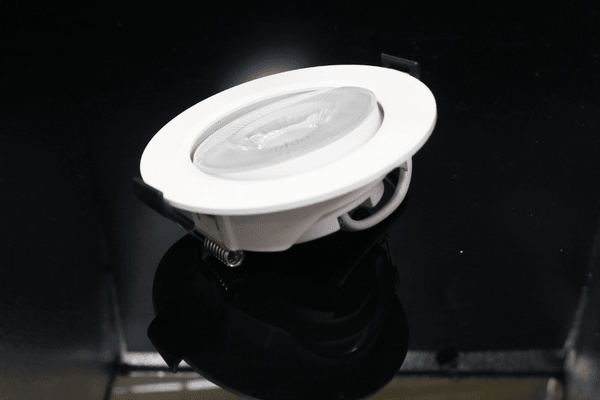
Ceiling fixtures offer far more personality and directional control than recessed cans. They serve as decorative elements and functional light sources, shaping a room's character from above. Exploring options like track lighting, pendants, and chandeliers opens up a world of design possibilities.
Track Lighting: The Ultimate in Flexibility
What Is Track Lighting?
Track lighting is a system where individual light fixtures, or "heads," attach to a continuous track. This track contains electrical conductors, allowing homeowners to position lights anywhere along its length. This system offers unmatched adaptability for rooms with evolving layouts.
Key Benefits and Features
Track lighting empowers individuals to tailor their lighting experience. Users can dim the lights or change bulbs to create different moods. This makes the system excellent for multi-purpose spaces. Key benefits include:
Highlighting Focal Points: It excels at drawing attention to artwork and architectural features.
Customizable Ambiance: Fixtures can use different shades and color temperatures to set a mood.
Strategic Placement: The ability to adjust light direction suits changing room layouts.
Best Rooms for Track Lighting
This flexible lighting solution works well in kitchens for task areas, in living rooms to highlight decor, and in home offices. Galleries and rooms with high or sloped ceilings also benefit greatly from its directional capabilities.
Style and Design Considerations
Track lighting provides a different quality of light compared to recessed cans. It offers precise, directional illumination instead of a wide, fixed downward beam.
Feature | Recessed Can Lights | Track Lights |
|---|---|---|
Light Distribution | Narrow, downward beam | Flexible, directable light heads |
Effect | "Spotlight" effect | Can illuminate specific areas effectively |
Overall Illumination | May require careful planning for adequate room light | Fewer fixtures can illuminate a space effectively due to precise direction |
Pendant Lights: The Jewelry of Your Ceiling
Understanding Pendant Lighting
A pendant light is a single light fixture that hangs from the ceiling, usually suspended by a cord, chain, or rod. Unlike chandeliers, pendant lights are typically smaller and often used in multiples.
Why Choose Pendants Over Downlights?
Pendant lights serve as both functional light sources and decorative focal points. They offer a distinct advantage over simple downlights.
Versatile Functions: A single pendant can provide ambient, task, or accent lighting.
Aesthetic Appeal: They come in countless designs to define a space or make a statement.
Direct Lighting: A pendant offers concentrated light exactly where it is needed.
Adjustability: Homeowners can often adjust the height to control the room's feel.
Ideal Placement for Pendant Lights
The focused light from a pendant is perfect for specific zones. People commonly install pendant lights in a series over kitchen islands, as a single fixture over a dining table, or in pairs flanking a bathroom mirror.
Sizing and Spacing Your Pendants
Proper scale is crucial. The size of the pendants should complement the space without overwhelming it. Spacing them correctly ensures balanced illumination and a clean, intentional look.
Chandeliers: Making a Grand Statement
The Modern Chandelier Explained
Modern chandeliers move beyond traditional crystal designs. They feature sleek lines, geometric shapes, and diverse materials like metal, glass, and wood. They act as a sculptural centerpiece for a room.
When to Use a Chandelier
Chandeliers are ideal for creating a strong focal point in rooms with sufficient ceiling height. They anchor a space and establish a clear style.
Choosing the Right Style
The right fixture depends entirely on the room's function and scale.
Room Type | Key Considerations |
|---|---|
Dining Room | Size & Shape: Should be about 12 inches narrower than the table. Hangs 30-34 inches above the table. |
Living Room | Size: Add the room's length and width (in feet) to get the ideal diameter (in inches). Place it over the main seating area. |
Entryway/Foyer | Scale & Proportion: Use a large, dramatic fixture for high ceilings or a semi-flush style for lower ceilings. |
Installation and Height Guidelines
Installation height is critical for both safety and aesthetics. The guidelines in the table above provide a professional standard for placement, ensuring the fixture feels integrated into the room's design.
Flush and Semi-Flush Mounts: For Low Ceilings
Flush and semi-flush mounts are practical solutions for rooms where hanging fixtures are not an option. They provide ample illumination without sacrificing vertical space, making them essential for interiors with standard or low ceiling heights. These fixtures have evolved from purely functional items into stylish design elements.
Defining Flush vs. Semi-Flush
Understanding the difference between these two fixture types is simple. The distinction lies in how they attach to the ceiling.
Flush Mount: A flush mount fixture sits directly against the ceiling with no gap. It offers a clean, unobtrusive profile.
Semi-Flush Mount: A semi-flush mount hangs a few inches below the ceiling, suspended by a short stem. This small gap allows light to cast both upwards and downwards, creating a softer ambient effect.
Advantages in Space-Constrained Rooms
These fixtures offer significant benefits in rooms with limited vertical clearance, typically ceilings under eight feet. Their compact design is both a practical and an aesthetic advantage.
Safety and Clearance: They provide safe clearance in high-traffic areas like hallways and entryways, eliminating the risk of people bumping into a low-hanging fixture.
Unobstructed Views: Their low profile keeps sightlines open, making a small room feel larger and less cluttered.
Broad Illumination: They cast a wide spread of ambient light, effectively illuminating an entire room from a central point. This makes them an excellent base layer of lighting.
Where to Install Flush Mounts
The practical nature of flush and semi-flush mounts makes them suitable for a variety of spaces. They are ideal for areas that require good general lighting without a decorative centerpiece. Common locations include hallways, closets, laundry rooms, and bathrooms. They also work well as the primary light source in bedrooms or home offices with lower ceilings, where a chandelier or pendant would feel overwhelming. A semi-flush mount can add a touch more decorative flair in these spaces.
Design Trends in Flush Mount Lighting
Modern flush mount fixtures have shed their utilitarian reputation. Designers now offer a vast array of stylish options that rival more decorative lighting types. Current trends move toward bold materials and sophisticated shapes. Fixtures featuring matte black, aged brass, and polished nickel finishes are popular. Geometric forms, such as squares and hexagons, add a contemporary touch. Many new designs incorporate integrated LED technology, allowing for incredibly slim and minimalist profiles that provide powerful, even illumination. These updated styles prove that practical lighting can also be a beautiful design statement.
Wall-Mounted Lighting: Adding Depth and Ambiance
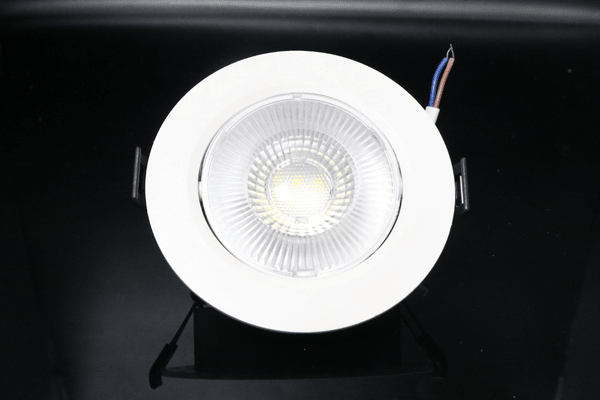
Wall-mounted fixtures introduce light from the side, creating a layered "lightscape" that adds visual depth and prevents a room from feeling flat. This type of lighting breaks up monotonous surfaces and draws attention to a room's vertical dimensions, adding character and warmth that ceiling lights alone cannot achieve.
Wall Sconces: The Workhorse of Layered Lighting
What Are Wall Sconces?
A wall sconce is a light fixture attached directly to a wall. These versatile fixtures project light upwards, downwards, or outwards, depending on their design.
Functional and Aesthetic Benefits
Wall sconces are crucial for a layered lighting plan. They provide softer ambient or accent light that builds atmosphere and creates visual depth. By highlighting architectural features like a fireplace or framing a piece of art, they add focus and elegance to a space.
Creative Uses for Wall Sconces
Sconces serve multiple functions within a single room. Their application determines the type of lighting they provide.
Ambient Lighting: Fixtures with translucent shades diffuse a soft, general glow, making them ideal for hallways.
Task Lighting: A downward-facing sconce beside a bed offers focused light for reading, freeing up nightstand space.
Accent Lighting: Placing sconces on either side of a bathroom mirror creates a beautiful and functional focal point.
Uplight vs. Downlight Sconces
The direction of the light dramatically changes a room's feel. Uplight sconces cast light toward the ceiling, making a space feel larger and more open. In contrast, downlight sconces direct light downwards, creating a cozier and more intimate atmosphere.
Picture Lights: Highlighting Your Art
The Purpose of a Picture Light
A picture light is a specialized fixture designed to illuminate artwork or photographs. Its purpose is to showcase a piece accurately without causing glare or damage.
How They Differ from Other Lights
Unlike other fixtures, picture lights cast a narrow, even wash of light across a specific surface. They are engineered to bring out the true colors and details of the art they illuminate.
Installation and Positioning Tips
For professional results, technical specifications matter. A high Color Rendering Index (CRI) ensures colors appear natural, while the beam angle should correspond to the artwork's size.
Specification | Recommended Value |
|---|---|
Color Rendering Index (CRI) | 90+ |
Beam Angle | 20° to 40° (Adjusted for art size) |
Color Temperature (CCT) | 2700K or 3000K (Warm White) |
Choosing the Right Size and Finish
A picture light should be about half to two-thirds the width of the artwork frame. Homeowners should choose a finish, like brass or matte black, that complements the frame and the room's decor.
Swing-Arm Lamps: Directional Wall Lighting
Defining the Swing-Arm Lamp
A swing-arm lamp is a wall-mounted fixture with an adjustable, articulated arm. This design allows users to extend, retract, and pivot the light source for precise placement.
Best Applications for Task Lighting
These lamps excel at providing focused task lighting. They are highly effective in specific zones where direct illumination is necessary.
Reading Nooks: An adjustable arm directs light perfectly onto a book.
Home Offices: Mounting one above a desk provides clear, shadow-free light for work.
Bedside: They serve as excellent reading lamps, saving space on a nightstand.
Hardwired vs. Plug-In Options
Hardwired models offer a clean, built-in look with a wall switch. Plug-in versions provide more flexibility, as they do not require an electrician for installation and can be moved if needed.
Style Considerations for Your Room
Swing-arm lamps are available in styles from industrial to mid-century modern. The choice of material and shade design should align with the room's overall aesthetic.
Indirect and Architectural Lighting: The Hidden Glow
Indirect and architectural lighting integrates light sources directly into a room's structure. This technique hides the fixtures from view, creating a seamless and sophisticated glow. The focus shifts from the light source to the beautiful effect it produces, washing walls and ceilings in soft, even illumination. This type of lighting adds a layer of elegance that is difficult to achieve with standard fixtures.
Cove Lighting: The Secret to Ambient Glow
What Is Cove Lighting?
Cove lighting is a form of uplighting where fixtures are hidden within a ledge, shelf, or molding near the ceiling. The light is directed upwards, bouncing off the ceiling and reflecting down into the room. This principle of reflection diffuses the light, creating a soft, even brightness that minimizes glare and harsh shadows. The result is a warm and elegant ambient glow with no visible source.
How It Makes a Room Feel Bigger
Indirect lighting has a significant psychological impact on how people perceive a space. By illuminating the ceiling plane, it draws the eye upward and creates an illusion of height and openness. Studies show that this technique can make a room feel more expansive and pleasant.
A room is perceived as larger when more light is supplied indirectly.
Environments with indirect lighting are associated with more pleasant and cool feelings.
This type of lighting can even impact neurophysiological responses related to emotional states.
Best Locations for Cove Lighting
Cove lighting is highly effective in living rooms, dining rooms, and bedrooms where a soft, relaxing atmosphere is desired. It also works well in foyers and hallways to create a welcoming and spacious entry. Designers often use it to highlight architectural details like vaulted or tray ceilings.
Technical and Installation Basics
Successful cove lighting requires careful planning. The cove itself must be deep enough to conceal the light fixtures, which are typically linear LED strips. The distance from the fixture to the ceiling affects the spread of light, so professional installation is often recommended to achieve a smooth, even wash without hot spots.
LED Strip Lighting: Versatile and Modern
Understanding LED Strips
LED strips are flexible circuit boards populated with light-emitting diodes. Their low profile and adhesive backing make them incredibly versatile for a wide range of applications. They offer a modern and efficient way to add layers of lighting to almost any space.
Under-Cabinet and Bookshelf Applications
LED strips excel at providing both functional and creative lighting. In kitchens, they are perfect for under-cabinet task lighting, illuminating countertops for food preparation. They also serve as excellent accent lights along bookshelves, inside display cabinets, or behind mirrors to highlight decor and create a sense of depth.
Creating "Floating" Effects
One of the most popular uses for LED strips is creating a "floating" effect. Installers place them under vanities, beds, or kitchen islands to cast a glow on the floor beneath. This technique makes heavy furniture appear weightless and adds a dramatic, high-end touch to the design.
Color Temperature and Smart Controls
Modern LED strips offer a wide range of color temperatures, from warm white (2700K) to cool white (5000K). Many are also available with RGB (Red, Green, Blue) capabilities, allowing for full-color customization. Integrating them with smart home systems enables users to change colors, dim the lights, and even synchronize them with music for dynamic ambient effects.
Valance and Cornice Lighting
Defining Valance Lighting
Valance lighting involves a fixture mounted inside a horizontal board or valance placed above a window or on a wall. This setup directs light both upwards toward the ceiling and downwards along the wall, providing balanced ambient illumination.
Defining Cornice Lighting
Cornice lighting is similar in structure but directs light exclusively downwards. The fixture is concealed behind a cornice board mounted near the ceiling, washing the wall below with light. This technique is excellent for accentuating wall textures or draperies.
How They Shape a Room's Atmosphere
The directional difference between these two lighting types creates distinct moods. A valance provides a more open, general feel by illuminating both the ceiling and the wall. A cornice creates a more dramatic, focused effect by highlighting the vertical surface below it.
Integrating with Curtains and Blinds
Both valance and cornice lighting integrate beautifully with window treatments. A valance can illuminate draperies from above and below, while a cornice can cast a graceful light down the front of curtains, adding texture and visual interest to the window area.
Portable and Freestanding Solutions: No Installation Needed
Portable lighting offers incredible freedom and flexibility, making it an ideal choice for renters or anyone who enjoys redecorating. These solutions require no complex installation, drilling, or rewiring. Homeowners can simply plug them into standard outlets, allowing for easy setup and removal. This approach is landlord-friendly and ensures that your favorite lighting fixtures can move with you to your next home.
Pro Tip for Renters: Portable smart lighting allows for complete personalization. You can tailor your lighting to match a mood or activity, creating a space that truly feels like your own without making any permanent changes.
Floor Lamps: Anchoring a Room with Light
The Role of a Floor Lamp
A floor lamp does more than just illuminate a dark corner. It acts as a vertical design element that can anchor a seating area, add height to a room, and contribute a significant stylistic statement. It is a key component in a layered lighting scheme.
Types of Floor Lamps (Arc, Torchiere, Task)
Floor lamps come in several primary forms, each serving a different purpose.
Arc Lamps: Feature a long, curved arm that extends over furniture, perfect for illuminating a sofa or coffee table.
Torchiere Lamps: Direct light upwards, bouncing it off the ceiling to provide soft, ambient illumination for an entire room.
Task Lamps: Offer adjustable, directional light, making them ideal for reading or other focused activities.
Using Floor Lamps to Create Zones
Floor lamps are powerful tools for defining functional zones within a larger room. Placing a stylish floor lamp beside an armchair instantly establishes a cozy reading nook. This simple addition provides focused task lighting and makes an open space feel more intimate. For the best experience, position the lamp slightly behind or to the side of your shoulder to cast light directly onto your book without creating glare.
Style and Material Choices
The style of a floor lamp should harmonize with the room's existing decor. Options range from sleek, metallic designs for modern interiors to warm, wooden frames for rustic or mid-century spaces. The material and finish contribute to the overall aesthetic, making the lamp a functional sculpture.
Table and Desk Lamps: The Finishing Touch
More Than Just Task Lighting
Table lamps are the essential finishing touch in a room's design. While they provide valuable light for reading or working, they also act as decorative objects that add color, texture, and personality. They contribute a warm, human-scale layer of lighting that makes a space feel complete and inviting.
How to Choose the Right Size Lamp
Selecting the correct scale is crucial for a balanced look. The lamp should be proportionate to the table it sits on and the surrounding furniture.
A good rule of thumb is to choose a lamp that is about 1.5 times the height of the end table. When seated, the bottom of the lampshade should be at or just below eye level to avoid glare. Crucially, no part of the lamp or its shade should extend beyond the edge of the table.
Layering with Table Lamps
Using multiple table lamps throughout a room creates pockets of warm light, building a cozy and welcoming atmosphere. Placing them on end tables, consoles, and buffets adds visual interest and provides balanced ambient lighting that softens the space.
The Importance of the Lampshade
The lampshade plays a significant role in shaping the light. A translucent, light-colored shade will diffuse a soft glow, while an opaque shade will direct light up and down, creating a more dramatic effect. The shape and material of the shade are just as important as the lamp base in defining the fixture's style.
Specialty and Surface-Mounted Alternatives
Specialty fixtures offer focused illumination without the extensive installation that recessed cans require. These surface-mounted options provide targeted light for specific features or general light in areas where cutting into the ceiling is not feasible.
Monopoint and Directional Spotlights
What Are Monopoint Lights?
A monopoint light is a single, directional spotlight mounted directly to the ceiling from a single point of connection. It functions like an individual track head but without the need for a long track, offering a clean and minimalist look.
Precision Lighting for Specific Features
Monopoints excel at providing precise accent lighting. Installers can aim them to highlight a piece of art, an architectural detail, or a specific task area. This focused beam draws the eye and creates dramatic points of interest within a room.
Comparing Monopoints to Track Lighting
While both offer directional light, their core difference lies in flexibility versus simplicity.
Track lighting provides ultimate adaptability, allowing users to move and add multiple heads along the track. A monopoint, in contrast, offers a fixed, singular point of light that is less visually intrusive and simpler to install.
Installation and Placement
The installation of a monopoint is straightforward. It mounts directly to a standard ceiling junction box, making it an excellent choice for both new construction and retrofit projects where only a single point of light is needed.
Surface-Mounted Downlights and Disk Lights
A Direct Replacement for Recessed Cans
Surface-mounted downlights and ultra-thin disk lights are modern alternatives to traditional recessed led downlights. They mimic the downward-facing illumination of a recessed can but mount directly onto the ceiling surface.
Benefits of Surface-Mounted Fixtures
These fixtures offer distinct advantages over recessed lighting, particularly regarding installation and accessibility.
Feature | Surface-Mounted Fixtures | Traditional Recessed Lighting |
|---|---|---|
Installation | Mounts directly to the ceiling; no cutting required. | Requires cutting a precise hole and sufficient ceiling clearance. |
Aesthetics | The fixture is visible but comes in sleek, modern designs. | Fixture is hidden for a seamless, flush appearance. |
Accessibility | Easily accessible for maintenance and bulb changes. | Can be difficult to access, especially in high ceilings. |
When to Choose a Disk Light
Disk lights are an ideal solution for challenging installations where recessed led downlights are impractical. Their slim profile is perfect for rooms with solid concrete ceilings or limited overhead space. Key advantages include:
No need for cutting deep holes into the ceiling.
No risk of hitting hidden pipes or wiring.
Easier and safer installation in areas with no plenum space.
Design Styles and Finishes
Modern surface-mounted fixtures have evolved into stylish design elements. They are available in a wide array of finishes, from matte black and white to brushed nickel and brass, allowing them to complement any interior design scheme.
Comparing Key Alternatives for Popular Rooms
Choosing the right fixture depends heavily on the room's function. A successful design layers different lighting solutions to create an environment that is both beautiful and practical. Each space presents unique challenges and opportunities for creative illumination.
Kitchen Lighting Solutions
The kitchen demands a robust, layered lighting plan for safety and ambiance. A combination of fixtures ensures every zone is properly lit.
Pendants Over Islands
A series of pendants over a kitchen island provides excellent focused task lighting for food preparation. Their placement is critical to avoid glare and shadows.
Under-Cabinet LED Strips
Under-cabinet LED strips are essential for eliminating shadows on countertops. This creates a safe, brightly lit workspace for chopping and other tasks.
Track Lighting for Task Areas
Track lighting offers flexibility over sinks or other work zones. Its adjustable heads allow homeowners to direct light precisely where it is needed most.
Flush Mounts for General Illumination
A central flush or semi-flush mount fixture provides the base layer of ambient light. This ensures the entire kitchen has good overall visibility. Combining these lighting solutions creates a highly functional and inviting kitchen.
Living Room Lighting Strategies
Living rooms are multi-functional spaces that require a flexible approach. A layered strategy accommodates everything from quiet reading to social gatherings.
Combining Floor Lamps and Sconces
Designers often combine floor lamps and wall sconces to build depth. A floor lamp can anchor a reading corner, while sconces flanking a fireplace add soft, ambient warmth.
Using a Chandelier as a Focal Point
Large chandeliers serve as a stunning focal point over a central seating area. They provide broad ambient light and establish the room's decorative style. Modern chandeliers offer sculptural appeal.
Cove Lighting for Ambient Mood
For a truly sophisticated feel, cove lighting washes the ceiling in a soft, indirect glow. This technique makes the room feel larger and more serene.
Picture Lights for Artwork
Picture lights offer a dedicated accent layer. They draw attention to artwork and add a curated, gallery-like feel to the space.
Bedroom and Hallway Lighting
Bedrooms and hallways benefit from lighting that promotes relaxation and ensures safe navigation. The goal is a calm and uncluttered atmosphere.
Bedside Sconces or Pendants
Wall-mounted sconces or a single hanging pendant on each side of the bed are excellent space-saving alternatives to table lamps. A pendant provides direct light for reading, while a sconce offers a softer glow.
Flush Mounts for Hallways
Flush mounts are the ideal choice for hallways. Their low profile provides ample general light without creating a hazard in a narrow, high-traffic area.
Using Dimmers for Ambiance
Installing dimmers on all fixtures is crucial. This allows for complete control over the lighting intensity, transitioning from bright, functional light to a soft, relaxing glow.
The Role of Table Lamps
A stylish table lamp on a dresser adds a final decorative touch. It provides a warm pool of light and contributes to the room's cozy, layered feel.
Homeowners can embrace creative lighting design by moving beyond a single fixture type. The most effective plans layer different light sources to build a functional and stylish environment. A successful lighting strategy considers each room's purpose and the desired mood.
Ambient lighting provides general illumination.
Task lighting offers focused light for activities.
Accent lighting adds character by highlighting features.
Experimenting with various fixtures helps create a dynamic, inviting, and personalized home. This thoughtful approach to lighting transforms a space from simply lit to beautifully designed.
FAQ
What is the "sea of dots" effect?
The "sea of dots" effect describes a ceiling with too many downlights. This grid-like pattern creates a flat, monotonous look. It often resembles a commercial space rather than a comfortable home. Designers use varied fixtures to avoid this impersonal appearance.
How do you light a room with low ceilings?
Flush mounts and semi-flush mounts are excellent for low ceilings. They provide broad ambient light without taking up vertical space. Their low profile ensures safe clearance in high-traffic areas and makes a room feel less cluttered.
What is the best way to highlight artwork?
Picture lights or directional monopoints are the best options for highlighting art. They cast a focused, even wash of light. This brings out the true colors and details of a piece without creating glare or damaging the artwork.
What is the most flexible lighting alternative?
Track lighting offers the most flexibility. Homeowners can easily move, add, or aim individual light heads along the track. This adaptability is perfect for multi-use rooms or for highlighting different features as decor changes over time.
How can I create a soft glow without seeing the light bulb?
Indirect lighting techniques create a soft, hidden glow. Cove lighting directs light toward the ceiling, while LED strips can hide under cabinets or furniture. These methods produce beautiful ambient light from a concealed source for a sophisticated effect.
What is the difference between a flush mount and a semi-flush mount?
A flush mount sits directly against the ceiling. A semi-flush mount hangs a few inches down on a short stem. This small gap allows the semi-flush fixture to cast light both upwards and downwards, creating a softer ambient glow.
Why is layered lighting so important?
Layered lighting combines ambient, task, and accent lights to create a functional and atmospheric space. Each layer serves a purpose. This strategy adds depth, prevents flat illumination, and gives users control over the room's mood and utility.