what are the benefits of LED track lighting
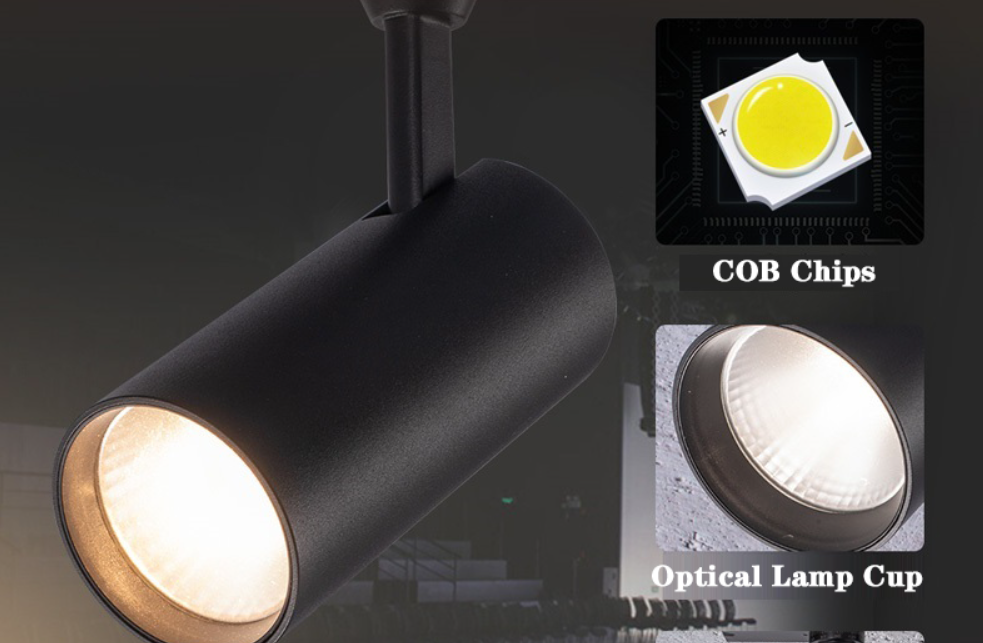
The global LED Track Light market is expanding, with a projected 7.10% CAGR. This growth highlights the clear benefits of led track lighting. The LED technology holds a dominant 65% market share, driven by demand for low energy use. An LED track lighting system delivers unmatched flexibility. These key features of led track lighting appeal to both homes and businesses. The primary advantages of led track lighting are its long lifespan and superior light quality. LED light manufacturers, including any specialized LED Track Light Manufacturer, design sleek led light fixtures. This modern led track lighting elevates any interior aesthetic.
Benefit 1: Unmatched Flexibility and Customization
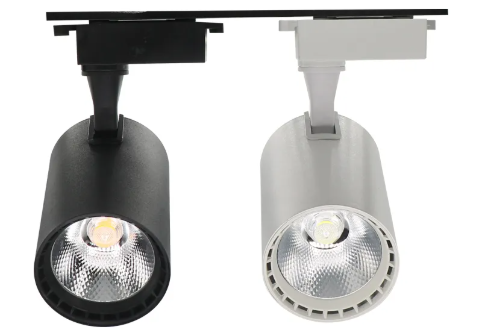
One of the most compelling advantages of using track lights is their incredible adaptability. An LED track lighting system empowers users to become the masters of their own lighting design. It provides a level of control that fixed fixtures simply cannot match, allowing illumination to evolve alongside the space it inhabits.
Easily Reposition and Aim Light Heads
The core of track lighting's flexibility lies in its adjustable heads. Users can modify their lighting scheme in minutes without needing tools or an electrician.
Slide Fixtures Along the Track
Each light fixture can slide smoothly along the entire length of the track. This feature is invaluable for dynamic environments. For instance, a restaurant can reconfigure its dining layout for an event. Staff can then slide pendant-style track heads to align perfectly with the new table arrangement, ensuring every guest has appropriate lighting.
Pivot and Rotate for Precision Aiming
Track heads offer exceptional directional control. Different styles provide unique aiming capabilities to achieve specific effects.
Gimbal Style Heads: These led fixtures pivot and rotate freely, offering a wide range of aim points similar to studio lights. They can direct a focused beam precisely where it is needed.
Pendant Style Heads: These add decorative flair and functional versatility. Moving a pendant along the track allows for targeted light over a kitchen island or dining table.
This precision allows for dynamic task lighting. A homeowner noted, "I can focus on my cutting board when prepping vegetables, then redirect the heads to illuminate my stovetop when cooking."
Adaptable to Any Room Layout
Track lighting’s design makes it a problem-solver for challenging architectural spaces where traditional lighting falls short.
Ideal for Sloped or High Ceilings
Vaulted and sloped ceilings often present installation difficulties. An led track lighting system is an excellent solution for these tricky angles. Individual led heads can be aimed to wash a wall with a soft glow, highlight architectural beams, or spotlight a piece of art. Magnetic track systems further enhance this capability, allowing for instant repositioning to ensure optimal light distribution without hot spots or dark areas.
Perfect for Multi-Functional and Evolving Spaces
Modern homes often feature open-plan layouts that serve multiple purposes. Track lighting excels in these environments. A living room may function as a media center, a home office, and a place for relaxation. The system’s versatility allows users to create layered lighting, directing intense light for reading while providing soft ambient light for watching a movie.
A Key Advantage of Using Track Lights
The ability to adapt lighting to changing circumstances is a primary benefit. A room is not a static display; it is a living environment that changes with seasons, events, and personal tastes.
A designer often uses track lighting to "wash light across stone countertops to bring out their natural beauty." Angling the led heads at 30 degrees can make granite countertops "come alive," revealing flecks and patterns previously unnoticed.
Change Lighting for New Furniture Layouts
When you rearrange your furniture, your lighting needs change too. With a track system, you can easily slide and re-aim the fixtures to highlight a new seating area, illuminate a different piece of art, or provide task lighting for a relocated desk.
Adjust for Seasonal Decor or Events
Track lighting makes it simple to adjust for temporary changes. You can spotlight a Christmas tree during the holidays or create a dramatic focal point for a party. This adaptability ensures your lighting always complements the room's current function and aesthetic.
Benefit 2: Significant Energy Efficiency and Cost Savings
An LED track lighting system offers substantial financial and environmental advantages. Its core design prioritizes efficiency. This translates directly into lower operational costs and a smaller carbon footprint, making it a smart choice for any property owner. The commitment to energy saving and environmental protection is a key feature of modern lighting.
Drastically Lower Energy Consumption
The most immediate benefit of switching to LED technology is the dramatic reduction in power usage. This efficiency is a cornerstone of the technology's design.
Uses Up to 80% Less Energy Than Halogen
LED fixtures consume a fraction of the energy required by their halogen counterparts. An LED bulb can produce the same amount of light while using up to 80% less power. This difference in energy consumption is significant, as shown in the comparison below.
Halogen Wattage | Equivalent LED Wattage |
|---|---|
20W | 4-5W |
35W | 5-7W |
50W | 6-8W |
75W | 9-12W |
This remarkable efficiency means every light head on the track contributes to substantial energy savings.
A Greener, More Sustainable Lighting Choice
Lower energy use makes an LED track lighting system an inherently eco-friendly option. By reducing electricity demand, these systems help decrease the strain on power grids and lower greenhouse gas emissions. This focus on energy saving and environmental protection aligns with modern green building standards. For commercial projects, choosing an energy efficient LED solution can contribute to achieving LEED (Leadership in Energy and Environmental Design) certification points, rewarding the commitment to a healthier environment.
Reduce Your Monthly Electricity Bills
The efficiency of LED lighting directly impacts your finances. Lower power consumption results in smaller monthly utility bills, providing a clear and measurable benefit.
See a Tangible Return on Investment
While the initial cost of an LED system may be higher than traditional options, the return on investment (ROI) is rapid. The significant saving on electricity costs quickly offsets the upfront expense. A typical commercial retrofit project can see a payback period of less than a year.
Metric | Value |
|---|---|
Project Type | LED Retrofit (100 Halogen to LED) |
Total Project Cost | $4,000 |
Total Annual Savings | $7,056 |
Payback Period | 0.57 years (approx. 7 months) |
Return on Investment | 76.4% |
Long-Term Financial Savings
The financial benefits continue long after the initial payback period. Over the extensive lifespan of the LED fixtures, the cumulative savings on energy bills represent a substantial financial gain for homeowners and businesses alike.
Minimal Heat Output Lowers Cooling Costs
Unlike older lighting technologies, LED fixtures generate very little heat. This secondary efficiency provides another avenue for cost reduction, especially in warmer climates or commercial settings.
LEDs Run Cooler Than Traditional Bulbs
Traditional halogen bulbs operate at extremely high temperatures, creating a noticeable heat load in a room. In contrast, LED lights remain cool to the touch.
Halogen bulbs can reach scorching temperatures of 350°F (177°C), creating a safety risk. An LED, however, emits very little forward heat, making it a much safer and more comfortable option.
Reduces Strain on Your HVAC System
The minimal heat from an LED system means your air conditioning does not have to work as hard to maintain a comfortable room temperature. This reduced strain on your HVAC system leads to even more energy savings during warm months, further lowering your overall utility costs.
LED Track Lighting
The longevity of an LED track lighting system is a significant benefit that delivers both convenience and financial returns. This extended operational life minimizes disruptions and maintenance costs, making it a highly reliable and practical choice for any setting. The long lifetime of these fixtures is one of the key advantages of led track lighting.
Extended Operational Life Reduces Hassle
The impressive lifespan of LED technology fundamentally changes the user's relationship with their lighting. It eliminates the constant cycle of purchasing and replacing bulbs common with older technologies.
Lasts Up to 50,000 Hours or More
An LED fixture boasts an exceptionally long operational life. Many are rated for 50,000 hours or more of use. This figure dwarfs the performance of traditional bulbs, showcasing a clear technological superiority.
Bulb Type | Average Lifespan (Hours) |
|---|---|
Incandescent | Around 1,000 |
Halogen | About 2,000 |
LED | 50,000+ |
This durability means an LED track lighting system can operate for years, or even decades, without needing a single bulb replacement.
Drastically Reduces Replacement Frequency
The extended lifespan directly translates to fewer replacements. An LED bulb can last 25 to 50 times longer than an incandescent one. This reliability makes the system a 'set it and forget it' solution, offering peace of mind and freeing up time for more important tasks. This low maintenance quality is especially valuable in commercial environments.
Save Money on Maintenance and Labor
Reduced replacement frequency leads to substantial financial saving over the system's life. The benefits go beyond just the cost of the bulbs themselves.
Fewer Bulb Purchases Over the Years
While an individual LED bulb may have a higher upfront cost, the long-term expense is far lower. A halogen system requires frequent, costly bulb purchases that accumulate over time. The yearly cost for a halogen bulb can be over four times that of an LED. This difference creates significant savings, as illustrated by the cumulative cost over a decade.
Ideal for Hard-to-Reach Installations
For installations on high or sloped ceilings, frequent bulb changes are not just inconvenient—they can be difficult and hazardous. The long lifespan of an LED system eliminates the need for ladders or specialized equipment, reducing labor costs and improving safety.
Durable and Reliable Performance
LED fixtures are not only long-lasting but also incredibly durable. Their modern construction ensures they perform consistently from the first day to the last.
Solid-State Technology Resists Shock
Unlike fragile incandescent and halogen bulbs with delicate filaments, LED lights are solid-state devices. They are more resistant to shock, vibrations, and impact. This durability makes them a robust choice for any environment, from busy commercial spaces to active homes.
Consistent Light Output Over Time
LEDs experience a phenomenon called lumen depreciation, where brightness can slowly decrease over thousands of hours. However, manufacturers counteract this with constant lumen output technology. This feature intelligently adjusts the power to the LED chip over its life, compensating for any minor light decay. The result is a stable, consistent light output that users can rely on for the entire duration of the fixture's life.
Benefit 4: Superior Light Quality for Any Application
Beyond flexibility and efficiency, an led track lighting system provides exceptional light quality. This superior illumination enhances the appearance of a space, improves functionality, and offers advanced control over the environment. The quality of light directly impacts how people perceive colors, perform tasks, and experience a room's atmosphere.
Excellent Color Rendering (High CRI)
The Color Rendering Index (CRI) is a crucial metric for light quality. It measures a light source's ability to reveal the true colors of objects compared to natural daylight. A higher CRI score, with a maximum of 100, indicates more accurate color reproduction.
See True-to-Life, Vibrant Colors
LED technology offers very high CRI values, ensuring that colors appear rich and natural. While a CRI of 80 is considered adequate, premium lighting begins at a CRI of 90.
CRI 90: This level is excellent for most residential and commercial settings, rendering colors with significant accuracy.
CRI 95+: This premium range is ideal for applications where color is critical, such as in design studios, art galleries, and high-end retail. It reveals subtle nuances in decor, artwork, and even food.
Different applications have unique requirements for color accuracy.
Makes Decor, Artwork, and Merchandise Pop
In commercial environments, high CRI lighting is essential. It ensures products look their best, which can directly influence customer perception and sales. For example, a fashion retailer relies on high CRI led lights to show the true hue of fabrics. In an art gallery, it allows visitors to appreciate the artist's original color palette. Low CRI lighting, in contrast, can make merchandise appear dull and unappealing.
Focused, Directional Illumination
Track lighting excels at directing light precisely where it is needed. This is achieved through various track heads with different beam angles, which control the spread of the light.
Beam Angle | Application | Purpose |
|---|---|---|
Narrow (8°-25°) | Accent Lighting | Highlights specific objects like artwork or retail displays. |
Medium (30°-45°) | Task & Local Lighting | Provides focused light for kitchen counters or office desks. |
Wide (50°+) | Ambient Lighting | Creates broad, even illumination for large, open rooms. |
Perfect for Task Lighting in Kitchens and Offices
Directional heads are perfect for task lighting. In a kitchen, a homeowner can install a track with several gimbal heads aimed at the stove, sink, and countertops. This creates a bright, shadow-free workspace, improving both safety and efficiency during food preparation.
Ideal for Accent Lighting and Wall Washing
Track lighting is a powerful tool for interior design. A narrow beam can spotlight a sculpture, creating a dramatic focal point. A wider beam angled toward a wall produces a "wall washing" effect. This technique makes a room feel larger and brighter by evenly illuminating a vertical surface.
Advanced Dimming and Control
Modern led track lighting systems offer sophisticated control options that go far beyond a simple on/off switch. These features allow users to tailor the lighting to any activity or mood.
Create the Perfect Ambiance for Any Mood
Many advanced led fixtures feature WarmDim technology. This innovation allows the light to become warmer in color temperature as it dims, perfectly mimicking the cozy, amber glow of a traditional halogen bulb. Users can transition from bright, cool light for tasks to a soft, warm glow for relaxation.
Compatibility with Modern Smart Home Systems
Many systems integrate seamlessly with smart home ecosystems like Amazon Alexa and Google Home. Users can control their lighting with voice commands, create automated routines, and manage lighting zones from a smartphone. For instance, a "Movie Night" scene could dim the main lights and activate a soft accent led light with a single command.
Benefit 5: Modern Aesthetics and Enhanced Interior Design
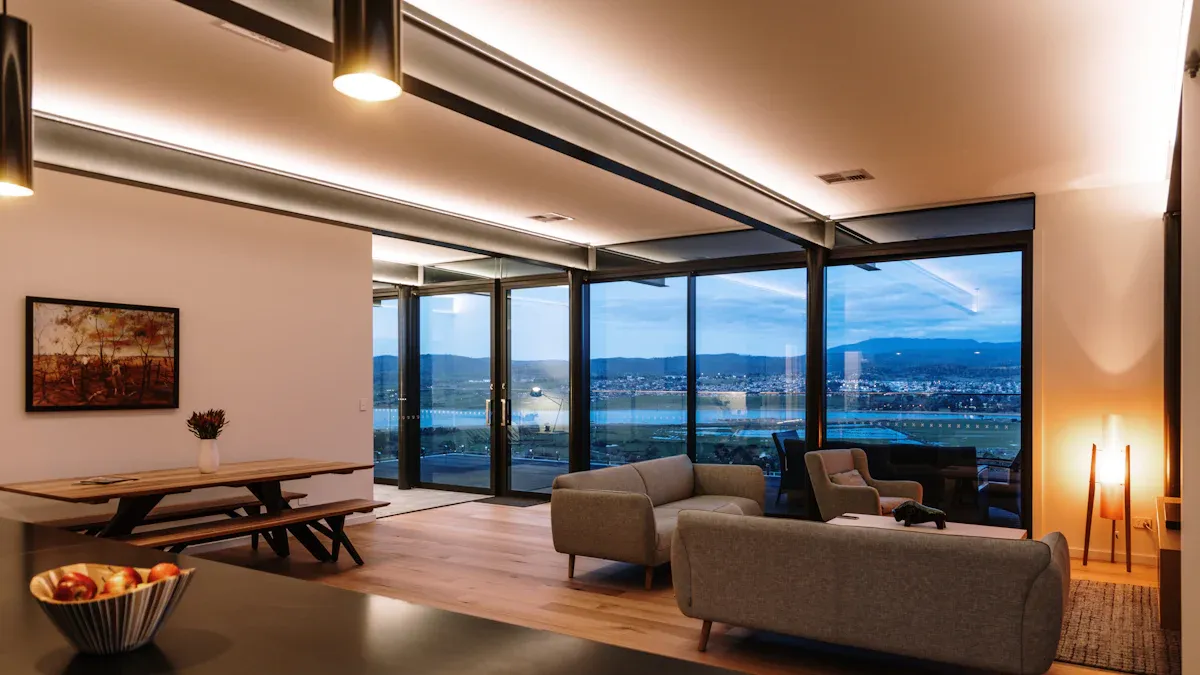
An led track lighting system offers more than just functional illumination; it is a powerful design tool. Its modern form enhances a room's aesthetic, providing a sophisticated and polished look that elevates any interior design scheme. The visual appeal and adaptability make it a favorite among design professionals.
Sleek, Minimalist Appearance
The inherent design of track lighting is clean and unobtrusive. It provides a streamlined look that integrates seamlessly into modern architectural spaces, contributing to a refined and uncluttered environment.
Complements Contemporary and Industrial Styles
Track lighting is exceptionally well-suited for popular design aesthetics. Its versatility allows it to adapt to different visual themes.
Minimalist Design: A simple black or brushed nickel track serves as a subtle yet functional element. The adjustable heads can highlight curated areas without overpowering the space's simplicity.
Industrial Style: For lofts with exposed beams or brick, industrial-inspired track lighting adds rustic charm. These systems often feature matte black finishes, dark bronze tones, and robust materials like iron, complementing the rugged beauty of the space.
Available in Various Finishes like Black, White, and Brushed Nickel
Manufacturers offer track systems in a variety of finishes. This allows designers to make strategic choices that align with their vision. Contemporary track lighting often uses brushed metal or black finishes for an elegant touch. A matte black track can create a bold contrast against a white ceiling, while a white track can blend in for a more discreet, functional approach.
Highlight Architectural Features and Artwork
The directional nature of an led track lighting system makes it the perfect tool for creating visual interest. It allows users to guide the eye and transform ordinary objects into stunning focal points.
Draw Attention to Your Favorite Pieces
Users can precisely aim light to accentuate their most valued possessions. Angling the fixtures toward artwork allows the light to graze the surface, emphasizing texture and detail. This technique reveals the subtle beauty in a painting's canvas or a sculpture's form. Using focused beams creates powerful accent lighting that makes individual pieces pop.
Create Dramatic Focal Points in a Room
A well-placed led light can turn an architectural feature, like a fireplace or a textured wall, into a dramatic centerpiece. This deliberate use of light and shadow adds depth and character to a room.
Pro Tip: Incorporate dimmer switches to adjust the light's intensity. This allows for a seamless transition from bright, functional light to a soft, ambient glow, tailoring the room's atmosphere for any occasion and enhancing its overall beauty.
Achieve a Clean, Uncluttered Ceiling
One of the most significant aesthetic benefits is the ability to simplify a ceiling's appearance. A single track can do the work of many individual fixtures, reducing visual noise.
Consolidate Multiple Light Sources onto One Track
A single track can power ambient, task, and accent lighting simultaneously. This consolidation is especially effective in kitchens, galleries, and retail spaces. Many commercial led track lights are designed specifically for this purpose, offering a unified and professional solution.
Reduces Visual Clutter for a Streamlined Look
Replacing multiple ceiling fixtures with one track creates a clean, organized, and streamlined look. This minimalist approach makes a space feel more open and sophisticated, contributing to a cohesive and intentional design.
Benefit 6: Why an LED Track Lighting System is Easy to Install and Modify
Beyond its aesthetic and performance advantages, an led track lighting system is remarkably user-friendly. Its design prioritizes straightforward installation and effortless modification. This accessibility empowers homeowners and facility managers to install and adapt their lighting with minimal complexity.
Straightforward Installation Process
Installing a track system is often less disruptive and labor-intensive than setting up multiple individual light points. The process is logical and manageable for both professionals and skilled DIY enthusiasts.
Simpler Than Installing Multiple Recessed Lights
Installing recessed lighting requires cutting multiple large holes in the ceiling and running separate wiring to each fixture. A track system, by contrast, typically requires only a single electrical connection point. This consolidation significantly reduces the amount of cutting, patching, and wiring needed, saving both time and labor costs.
Options for Surface-Mounted or Suspended Tracks
Track systems offer versatile mounting options to suit different ceiling types and design goals. Surface-mounted tracks attach directly to the ceiling, while suspended tracks hang from cables, ideal for very high or sloped ceilings. The installation for a standard surface-mounted system follows a clear sequence:
Preparation: First, determine the track layout and gather the necessary tools, including a drill, level, and screwdriver.
Track Installation: Mark the placement on the ceiling, drill holes, and secure the track using the provided mounting hardware.
Fixture Installation: Connect the track to the power source. Then, insert each led light head into the track, ensuring a secure connection.
Testing: Finally, restore power and test the system, adjusting the direction of each light as needed.
Simple to Add or Change Fixtures
The true genius of track lighting lies in its modularity. Users can easily alter their lighting scheme long after the initial installation without needing an electrician.
Easily Swap Out Light Heads for a New Style
Updating the look of a room is simple. Homeowners can swap out existing track heads for new ones with a different style, finish, or beam angle. The process involves turning off the power, removing the old fixture, and snapping or sliding a new, compatible led head into place. This allows for quick and cost-effective design refreshes.
Expand Your System by Adding More Track Sections
A system can grow as needs change. Expanding the track is a manageable project that adds immense flexibility.
Important Note: Before adding fixtures or track sections, always verify the circuit's maximum wattage capacity. A standard 15-amp circuit safely supports up to 1,440 watts. Sum the wattage of all fixtures to ensure the total does not exceed this limit.
Using straight or angled connectors, users can add new track sections to extend the layout. This makes it possible to bring light to a newly defined area, such as a reading nook or a new art display, without undertaking a major electrical overhaul.
The primary benefits of led track lighting make it a standout choice for modern illumination. Its core advantages include unmatched flexibility, superior light quality, and an extended lifespan. An led track lighting system is an adaptable solution that evolves with a space's needs. Property owners enjoy significant cost savings from reduced energy consumption and minimal maintenance. Ultimately, investing in this led technology is a smart, modern, and cost-effective decision for enhancing any residential or commercial environment.
FAQ
Can I install LED track lighting myself?
Yes, many homeowners can install a basic track system. The process involves connecting a single power source to the track. However, for complex layouts or if you are uncomfortable with electrical work, hiring a licensed electrician is the safest option to ensure a proper and secure installation.
Are all LED track light heads compatible with any track?
No, compatibility is not universal. There are several common track standards, such as H-type, J-type, and L-type. Each system has a unique connector design. Users must ensure that the track heads they purchase match the specific type of track they have installed.
How do I choose the right color temperature for my space?
Color temperature affects a room's ambiance.
Warm White (2700K-3000K): Creates a cozy, inviting atmosphere ideal for living rooms and bedrooms.
Cool White (3500K-4100K): Provides a bright, clean light perfect for kitchens, offices, and bathrooms.
Daylight (5000K+): Offers crisp, energizing light suitable for task-oriented areas.
Can I use LED track lighting as the only light source in a room?
Yes, it is possible. A well-designed system can provide ambient, task, and accent lighting from a single track. Combining different fixture types and beam angles allows for a complete lighting solution. This versatility is one of the key benefits of led track lighting for modern spaces.
What are the main differences between LED and halogen track lights?
The primary differences highlight the benefits of led track lighting. LEDs use up to 80% less energy, last over 25 times longer, and run significantly cooler than hot halogen bulbs. This results in lower electricity bills, reduced maintenance, and improved safety.
Is LED track lighting suitable for commercial spaces?
Absolutely. Commercial environments greatly appreciate the benefits of led track lighting. Its durability, low maintenance needs, and excellent color rendering make it ideal for retail stores, art galleries, and restaurants. The system effectively highlights products and enhances the customer experience while saving on operational costs.
See Also
Discovering the Prime Advantages of Modern LED Downlight Illumination
Understanding LED Track Lighting: Its Functionality and Operational Mechanics
Unveiling the Essential Advantages of Flat Panel LED Lighting Fixtures