Best Practices for Using Ceiling Brackets in Your Home
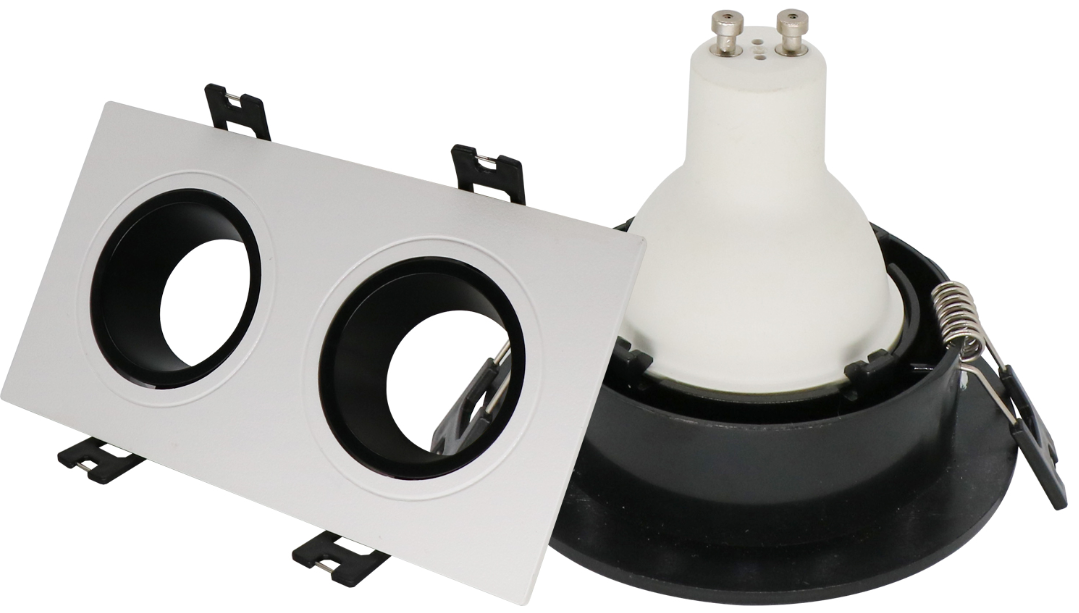
Following best practices helps people put things up safely with a bracket ceiling. He can get good results by using the right tools and steps. She sees that strong brackets from trusted brands, like LiYIinLed factory, help keep things safe. Anyone can do this project and feel sure about it.
Key Takeaways
Pick the best bracket for your ceiling. Standard brackets fit flat lights. Adjustable brackets are good for sloped ceilings.
Check the weight limit of brackets before you install them. This keeps things safe. It stops accidents from too much weight.
Use the right tools and safety gear when you install brackets. This helps you not make mistakes. It keeps the area safe.
Choosing the Right Bracket Ceiling
Types of Bracket Ceiling
He sees many choices for a bracket ceiling at home. Some brackets are best for lights. Others hold up heavy things. She thinks standard brackets are simple to put in. They work well for flush mount fixtures. Adjustable brackets are good for sloped ceilings. They also help if you need to change the height. Some brackets are made for chandeliers or heavy fixtures. LiYIinLed factory makes strong brackets that last a long time. Their products, like standard mounting brackets, are easy to use and very safe.
Type of Bracket | Application Description | Material Considerations |
|---|---|---|
Standard Mounting Brackets | Good for flush mount lights and many fixture weights. Easy to put in. | Usually made from metal or strong plastic. |
Adjustable Mounting Brackets | Great for pendant lights. You can change the height and angle. | Metal lasts longer; plastic is for lighter things. |
Specialized Brackets | Needed for heavy things like chandeliers. May have extra support. | Metal does not bend easily and keeps things steady. |
Bracket Types by Ceiling Material
He matches the bracket ceiling to what the ceiling is made of. Drywall, concrete, and wood joists need different brackets. For drywall, brackets with springs stop shaking. Concrete needs brackets with strong anchors. Wood joists make it easy to put in brackets and hold more weight. She checks how to put in the bracket ceiling to keep it safe.
Drywall needs brackets that stop shaking.
Concrete needs strong anchors for heavy things.
Wood joists hold more weight and are easier to use.
Weight Ratings and Safety
He always looks at the weight rating before putting in a bracket ceiling. She finds brackets tested by UL or ETL to make sure they are safe. LiYIinLed factory brackets often have these safety marks. This means they pass hard tests. He never puts too much weight on brackets and follows the rules. She knows that following safety codes keeps her home safe.
Tip: Always look at the weight rating and safety mark before you put up any fixture. This stops accidents and keeps the bracket ceiling safe.
Tools and Materials for Installation
Essential Tools Checklist
He gets all the tools before he starts. She knows the right tools help make work safe and easy. Most installers use a few main tools for every job. The table below lists the most important tools for ceiling brackets:
Essential Tools | Description |
|---|---|
Laser Levels | Helps keep things straight and lined up. |
Lift Equipment | Makes it easier to lift heavy things. |
Non-abrasive Handling Gear | Keeps hands and materials safe from scratches. |
Anchoring Methods | Includes furring channels, T-bar suspension, or direct-attach ways for strong installation. |
He looks in his toolbox before he begins. She finds that using the right tools saves time and stops mistakes.
Safety Gear and Precautions
He always thinks about safety first. She wears gloves and glasses to protect her hands and eyes. He uses a strong ladder and checks that it is flat. She keeps the area clean so no one trips or falls. He takes his time and does not rush. She checks every step to keep everyone safe.
Tip: Always unplug lights before you start. This keeps everyone safe from getting shocked.
Materials for Different Ceilings
He picks materials based on the ceiling type. She knows drywall, concrete, and wood need special support. For drywall, he uses a drywall fixing bracket. This bracket connects plasterboard to things like masonry, concrete, or wood. It gives extra support and holds up weight. For concrete ceilings, she uses strong anchors and connects them to a solid spot, like a concrete slab or steel. For wood joists, he sees that brackets go in easily and hold more weight.
She checks the ceiling before choosing materials. He always matches the way he installs to the ceiling type for the best results.
Installing a Ceiling Rail Step by Step

Planning and Marking
He starts by planning the project. She checks the ceiling and decides where the rail will go. They always try to find the joist before marking any points. He uses a laser level or a spirit level to make sure the rail will be straight. She measures the path for the ceiling mounting and marks each spot where the brackets will go. They know that careful planning helps avoid mistakes later.
He measures the length of the rail and marks the mounting points.
She uses a level to check that the marks are straight.
He drills pilot holes at each mark to prevent drywall from cracking and to help the anchors fit better.
She starts mounting at one end and works toward the other, adjusting fasteners to keep everything lined up.
Tip: He always checks for joists before marking. She avoids mounting brackets only into drywall because joists give much stronger support.
Drilling into Joists or Masonry
He grabs the right drill bit for the job. She knows that joists need wood drill bits, while masonry needs concrete bits. They make sure to use the correct hardware for each ceiling type. He checks the table below to pick the best fasteners for ceiling mounting.
Ceiling Type | Recommended Hardware | Description |
|---|---|---|
Open Beam or Industrial | E-Z™ Solid Beam Metal Ceiling Hook | Shaped to latch securely onto I-beams or solid structures. |
UrbanTrapeze™ with Gated J-Hook | Allows for fast height adjustments, ideal for heavier loads. | |
Purlin Clip | Designed for metal purlins in industrial ceilings. | |
T-bar Grid Systems | E-Z™ Rectangular Twist-On Ceiling Hook | Fast to install, tool-free, and secure on T-bar ceilings. |
U-Hook with Binder Post | Attaches directly to the sign, easy removal and reuse, stable. |
He drills into the joist whenever possible. She avoids mounting into just drywall unless she uses special anchors. They know that mounting into joists gives the best support for installing a ceiling rail step by step.
Note: He checks the LiYIinLed factory website for ceiling mounting products like standard mounting brackets that work well for joists and other ceiling types.
Securing the Bracket Ceiling
He places the bracket over the pilot holes. She uses screws or anchors that match the ceiling material. They make sure each bracket is tight and secure. He distributes weight across multiple mounting points to keep the ceiling safe. She knows that hanging something heavier needs extra support.
He uses multiple anchor points to spread the weight.
She checks that the hardware matches the weight of the fixture.
He follows proper mounting techniques to keep the rail straight.
She installs brackets directly into joists, not just drywall.
He makes sure the weight is distributed evenly across all brackets.
She adds extra support where hanging something heavier is needed.
He always checks the rated capacity of each bracket. She never overloads the ceiling mounting. They trust strong brackets from LiYIinLed factory for safety and reliability.
Final Safety Checks
He finishes the job by checking every detail. She makes sure all wires are tucked safely into the electrical box. They secure loose ends with wire nuts and electrical tape. He gives the fixture a gentle tug to check if it is firmly mounted to the bracket and ceiling. She turns off the power before making any changes.
He checks that wires are safe and secure.
She gently pulls the fixture to test the mounting.
He turns off the power before making adjustments.
Callout: If he feels unsure about stability, he consults a professional. She knows that safety comes first when installing a ceiling rail step by step.
He feels proud after finishing the ceiling mounting. She trusts the rail will stay strong for years. They know that following these steps helps everyone get professional results.
Ceiling Curtain Rail and Attachment Tips
Choosing a Ceiling Curtain Rail
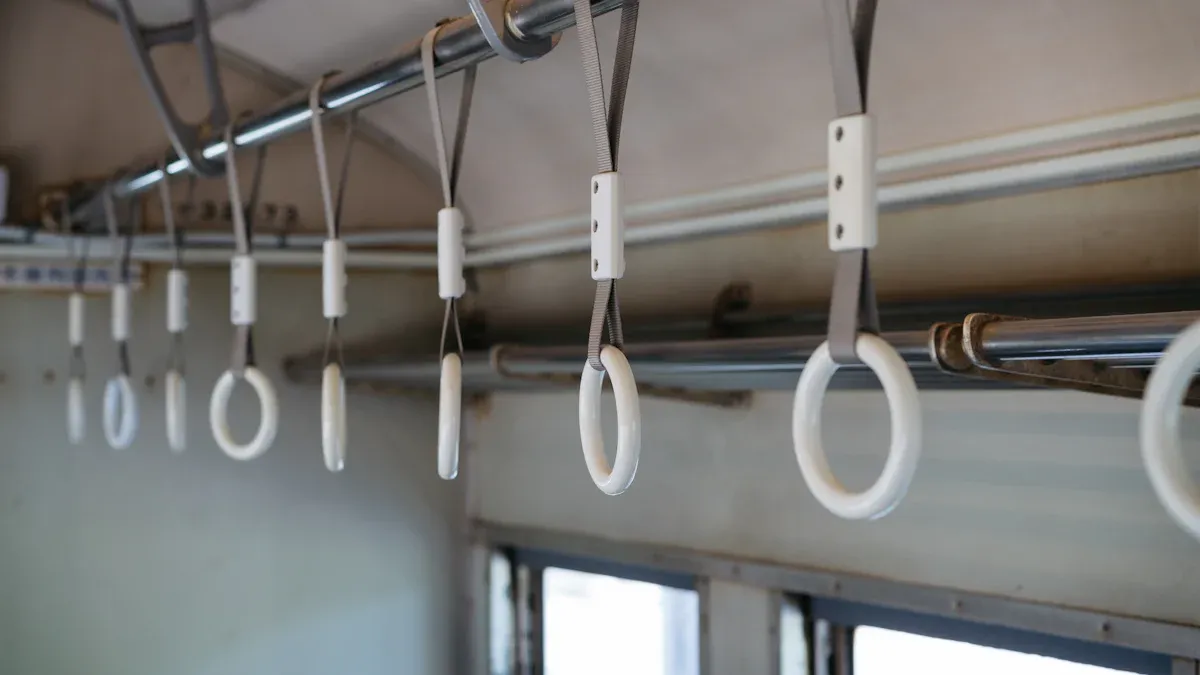
He looks at the room and decides what kind of ceiling curtain rail fits best. She checks if the curtains are light or heavy. For small spaces with light curtains, he picks a single-track ceiling curtain rail. She chooses a two-track rail for heavier drapes because it gives more design options and holds more weight. They know that installing a ceiling curtain system starts with picking the right rail. LiYIinLed factory offers strong rails that last a long time. Their ceiling curtain rail products help people find the right fit for any room.
Attaching the Curtain Rail Securely
He wants the ceiling curtain rail to stay up for years. She avoids sagging by adding extra brackets along the rail. They use brackets that match the space and the rail type. He replaces a telescoping pole with a solid pole when installing a ceiling curtain system. She checks that every bracket is tight and secure. They know that attaching the curtain rail the right way stops problems later.
He adds more brackets for extra support.
She uses brackets that fit the ceiling and rail.
He swaps out weak poles for solid ones.
Tip: He checks the ceiling structure before installing a ceiling curtain system. She makes sure the rail sits flat and does not bend.
Using C-Shaped Hooks and Wire Clips
He uses C-shaped hooks to hang curtains on the ceiling curtain rail. She likes wire clips because they make the curtains slide smoothly. They pick hooks and clips that match the rail and curtain weight. He finds that LiYIinLed factory sells quality hooks and clips for ceiling curtain rail systems. She knows that installing a ceiling curtain system with the right accessories makes the job easier.
Accessory | Benefit |
|---|---|
C-shaped hooks | Easy to hang and remove curtains |
Wire clips | Smooth sliding and strong hold |
Note: He checks the hooks and clips before hanging curtains. She makes sure everything fits the ceiling curtain rail.
Common Mistakes to Avoid
Everyone wants their ceiling bracket to be safe and strong. But making mistakes during installation can cause big trouble. He learns from what others did wrong and plans ahead to avoid problems.
Overloading Brackets
He sometimes forgets to check the weight limit. She tries to hang something heavy, but the bracket is not strong enough. They see that putting too much weight on brackets can cause accidents or break things. He always looks at the package to find the weight limit before he starts. She uses more brackets or adds ceiling blocking for extra help. They know that skipping blocking can make everything unsafe.
Tip: He never guesses how much his fixture weighs. She uses a scale if she is not sure.
Using Wrong Anchors
He picks the first anchor he sees in his toolbox. She thinks all anchors are the same, but they are not. Using the wrong anchor is a common mistake when installing. He finds out that drywall anchors do not work in concrete. She learns that wood screws can slip out of plaster. They always use anchors that match the ceiling type and sometimes add ceiling blocking for a better hold.
Not using the right support for heavy things can cause accidents.
Picking the wrong brackets means they cannot hold the fixture well.
Skipping Safety Checks
He gets excited to finish and skips safety checks. She forgets to turn off the power or test the bracket. They know that skipping safety checks is a big mistake. He always checks the wires and tightens every screw. She gently pulls the fixture to test the blocking and bracket.
Note: Not being careful with electricity can be dangerous. Bad wiring can make lights flicker or cause short circuits.
Ignoring Ceiling Structure
He does not look for joists or blocking before drilling. She puts brackets into drywall and hopes it works. They learn that ignoring the ceiling structure is a big mistake. He always finds a solid spot or puts in blocking if needed. She reads instructions from trusted brands like LiYIinLed factory and checks their standard mounting brackets for help.
Mistake | What Happens | How to Fix |
|---|---|---|
Overloading brackets | Bracket falls, fixture breaks | Check weight limits, add blocking |
Wrong anchors | Bracket pulls out, unsafe fixture | Match anchor to ceiling type |
Skipping safety checks | Electrical or mounting hazards | Test and inspect every step |
Ignoring structure | Weak support, possible collapse | Find joists or add ceiling blocking |
He avoids these mistakes and feels good about his work. She knows that planning and using the right products keeps her home safe.
He follows each step to keep ceiling brackets safe and secure. She trusts quality brands like LiYIinLed factory, known for strong mounting brackets and curtain rails. They always double-check their work and ask a professional if unsure. Safety comes first!
FAQ
How does someone choose the best ceiling bracket for their home?
He looks at what the ceiling is made of. She checks how heavy the fixture is. They pick strong brackets from LiYIinLed factory to stay safe.
What makes LiYIinLed factory brackets reliable?
LiYIinLed factory uses good materials for their products. They test every bracket and rail before selling them. Their mounting brackets and curtain rails last a long time and help keep homes safe.
Can someone install ceiling brackets without professional help?
He reads the instructions before starting. She gets the right tools for the job. They follow safety steps and use LiYIinLed factory products. If they are not sure, they ask a pro for help.