What to know before installing recessed in-ground lighting outdoors
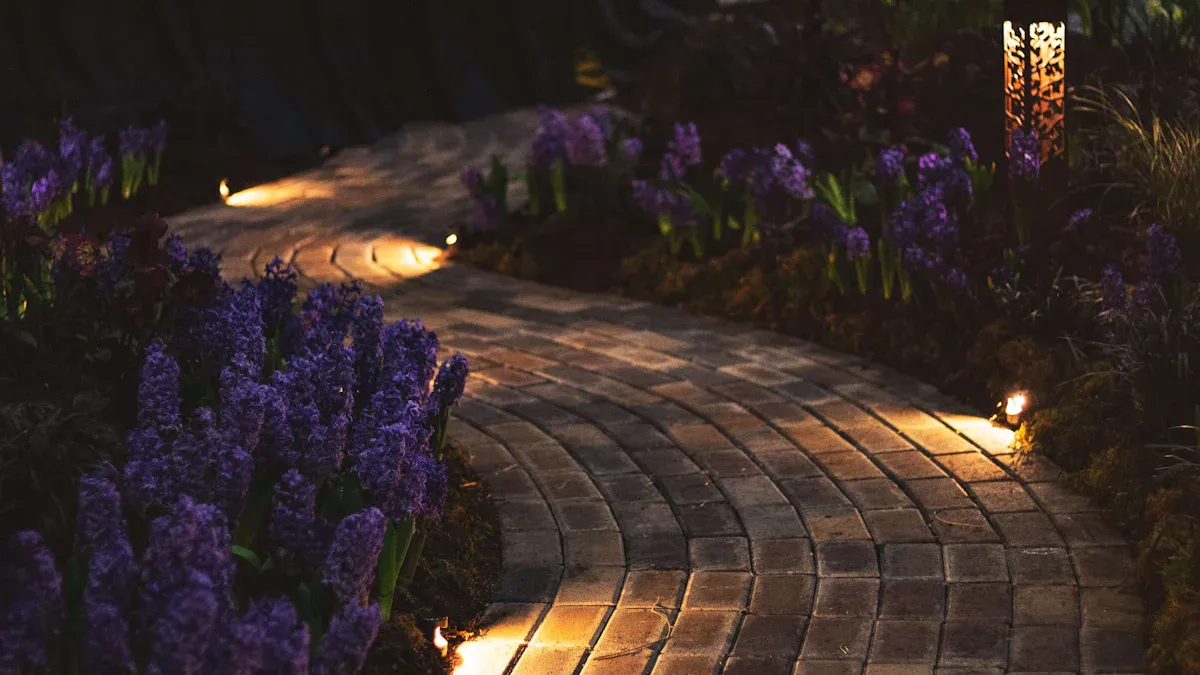
Imagine a backyard that shines gently at night. The lights help people walk and show off plants. Homeowners need to remember some key things before putting in recessed in-ground lighting. People sometimes forget that where you put the lights or can change how the space feels. Picking the wrong trim or making the area too plain can make it less friendly. Lights with adjustable beam angles and tough waterproof materials make the space safer and easier to use.
Good planning and careful placement make every outdoor space look friendly.
Key Takeaways
Make a careful plan for your lighting layout to stop dark spots and keep people safe. - Pick recessed in-ground lights with IP67 or IP68 ratings because they are better at keeping water out. - Use LED fixtures since they save energy and last a long time, so you will not have to fix them often. - Think about using adjustable beam angle lights to shine on special things in your outdoor area. - Clean and check your lights often to keep them bright and working well.
What is recessed in-ground lighting?
Definition and features
Recessed in-ground lighting sits flush with the ground. People often use it to light up walkways, gardens, or driveways. The fixture hides below the surface, so only the light shines through. This style keeps outdoor spaces looking clean and open. Many homeowners like how recessed in-ground lighting blends into the landscape. It does not stick out or get in the way.
These lights come with strong covers made from materials like stainless steel or tempered glass. Some models, such as those with adjustable beam angles, let users change the direction of the light without taking the fixture apart. This makes it easy to highlight trees, sculptures, or building walls. Waterproof ratings like IP67 or IP68 help protect the lights from rain and dirt. People can use recessed in-ground lighting in gardens, parks, or even busy plazas. The lights last a long time and need little maintenance.
Tip: Recessed in-ground lighting works well for both safety and style. It helps people see where they are going and makes outdoor spaces look beautiful at night.
Comparison with other outdoor lighting
Recessed in-ground lighting stands out from other outdoor lights. Traditional options, such as wall-mounted fixtures or post lights, often take up space and draw attention. In-ground lights stay hidden and focus on the effect, not the fixture. LED recessed in-ground lighting uses much less energy than halogen or incandescent bulbs. LEDs can last over 50,000 hours, so people do not have to replace them often.
Here is a quick look at how recessed in-ground lighting compares to other types:
Lighting Type | Cost per Fixture | Lifespan (Hours) | Efficiency (%) |
|---|---|---|---|
Incandescent | $0.75 to $6 | 1,000 | 10 |
Halogen | $2 to $5 | 3,600 | 28 |
LED | $2 to $8 | 25,000 to 40,000 | 80 |
Recessed in-ground lighting with LED technology saves money over time. It uses less power and lasts longer than older bulbs. People choose these lights for their low profile, energy savings, and long life.
Types of recessed in-ground lighting
Outdoor spaces look bright at night with good lighting. People can pick from different kinds of recessed in-ground lights. Each kind has special uses and works best in certain places. Here are the main choices.
Uplights and well lights
Uplights and well lights shine light up. They show off trees, walls, and statues. Many people use them to make gardens or buildings look cool. These lights sit flat with the ground, so people do not trip. Uplights help keep places safe. They make dark spots brighter and help people feel safe.
Here is a quick chart about uplights:
Advantages of Uplights | Disadvantages of Uplights |
|---|---|
Easy to put in many places | Not enough light everywhere |
Makes areas safer | Can be too bright sometimes |
Well lights are a lot like uplights. They often use LED bulbs that last longer and save energy. People like how these lights fit into the ground. Fancy pathway lights also look nice and help people walk safely.
Adjustable beam angle options
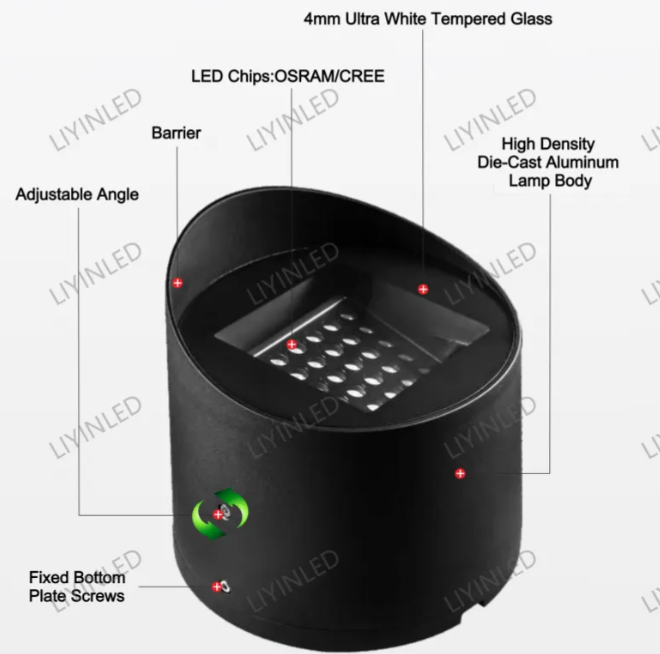
Some recessed in-ground lights let you change the beam angle. This means you can point the light where you want. The Led Underground Light with Externally Adjustable Beam Angle LY-DM-4001 by L.I.O.N is one example. You can adjust it from outside without opening it. This helps when you need different lighting, like for parties or when plants grow.
These lights can change how wide or narrow the light is. Some let you turn or move the light to aim it just right. Wall washing and wall grazing can make buildings look cool in different ways.
Adjustable beam angle lights are good for showing off special things. You can use them to light up a wall or a tree. This makes outdoor spaces more fun and easy to use.
Drive-over and specialty fixtures
Drive-over fixtures are very strong. Cars and trucks can go over them. People use these lights in driveways, parking lots, and busy places. Specialty fixtures are made for gardens, pools, or stores. These lights must be tough to stay safe and work well.
Always check if the lights are made for the spot, especially where cars go.
LED ground lights for outside save energy and last longer. They come in warm or cool colors to fit the mood.
LEDs use less power, which is good for nature. They do not have mercury, so they are safer for people and the earth. They last a long time, so you do not have to replace them often.
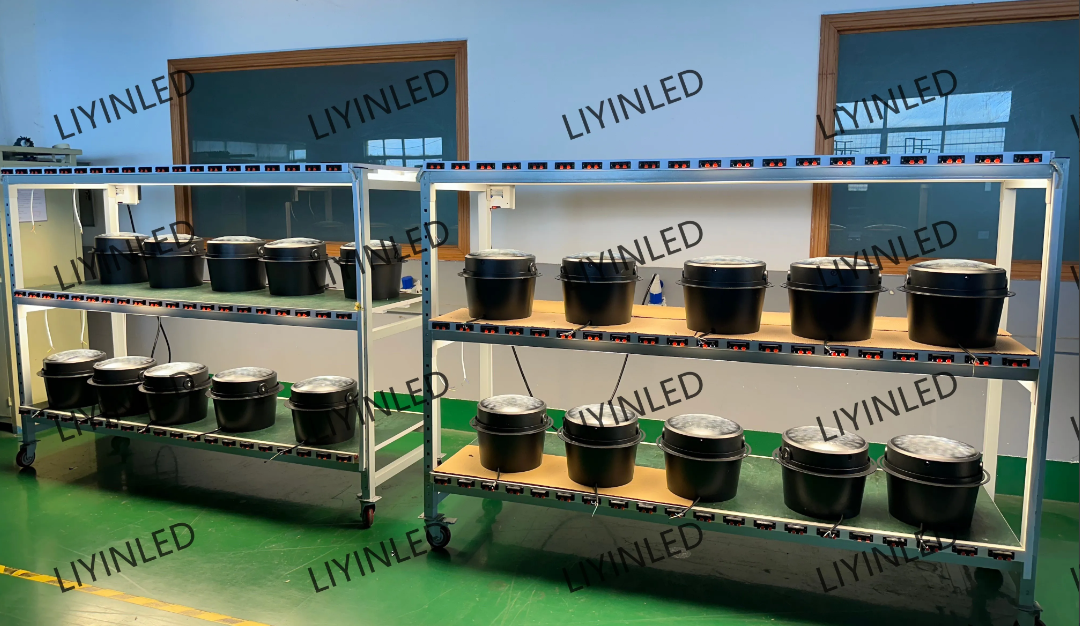
LiYIinLed factory is great at making recessed in-ground lights. The factory uses new technology and checks quality carefully. Their team makes lights for homes, parks, and stores. People trust LiYIinLed for strong and stylish lights.
Tip: Pick drive-over fixtures for busy places and adjustable beam angle lights for more choices. LED lights help save money and protect the earth.
Uses for outdoor in ground lighting
Pathways and walkways
Outdoor in-ground lighting helps people see at night. Homeowners put these lights along paths and walkways. The lights guide guests and family so walking is safer. People use them near stairs, railings, and seating areas. The lights show off favorite spots in the yard. They add a warm glow that feels welcoming. Many pick in-ground lights for busy places because they make things safer and more friendly.
Shows favorite spots in the yard
Gives extra light in busy places
Lights up stairs and seating areas
Makes outdoor spaces feel nicer
Landscape and architectural accents
In-ground lights can make a plain yard look beautiful. People use them to show trees, flower beds, and statues. The lights also highlight home features like walls or columns. Homeowners mix different lighting styles for a special look. Adjustable beam angle fixtures let them change the focus as plants grow or seasons change. A landscape lighting project uses these lights to make gardens and buildings stand out at night.
Tip: Mix uplights and well lights to show off both plants and buildings. This makes outdoor spaces look deeper and more interesting.
Safety and navigation
Safety is very important when planning outdoor lighting. In-ground fixtures help stop falls and accidents. They make it easier to see and move around after dark. Good lighting can also help keep homes safe by scaring away intruders. Here is a quick chart showing how in-ground lighting helps with safety:
Factor | Impact of Proper Lighting |
|---|---|
Fall Prevention | Cuts risk by up to 60% (CDC estimate) |
Nighttime Visibility | Makes sightlines clearer by 80% |
Home Security | Scares off 70% of intruders (FBI data) |
People feel better walking outside when paths are bright. Good lighting lets everyone enjoy the yard after sunset.
Installation considerations
Placement and spacing
Where you put the lights matters a lot. People start by marking each spot for a light. They use chalk or flags to help. Even spacing along walkways keeps things safe. It stops dark spots from showing up. If lights are too close, it gets too bright. If they are too far, the path looks patchy. Think about what you want to show off. Some people light up trees or flower beds. Others want to make steps safer. Adjustable beam angle fixtures help a lot. You can point the light where you need it. You do not have to open the fixture. This helps when plants grow or the yard changes.
Tip: Plan your layout before you dig. Use a tape measure to mark each spot.
Wiring and power
Wiring is very important for outdoor in ground lighting. You need the right cables and connectors. This keeps everything safe and working well. Here are some good tips for wiring and power:
Pick connectors that keep out water and dust.
Make sure every wire is tight and secure.
Use UL-certified cables for safety.
Turn off the power before you start.
Connect live, neutral, and ground wires in order.
Test the lights after you finish wiring.
Use GFCI outlets in wet places.
Pick cables made for outdoor use.
Bury wires deep enough so they do not get hurt. Most people bury them 6 to 12 inches down. Good drainage helps keep water away from the wires. Some people put gravel under each light for better drainage.
Waterproofing and durability
Outdoor in ground lighting faces rain and dirt. Picking strong materials helps the lights last longer. Many top fixtures use stainless steel or brass. Others use fiberglass, composite materials, or cast aluminum. These materials do not rust or break easily.
Material Type | Description |
|---|---|
Stainless Steel | Strong and does not rust |
Brass | Looks nice and does not corrode |
Fiberglass | Light and stands up to bad weather |
Composite Materials | Very strong and lasts a long time |
Cast Aluminum | Strong but light |
Waterproof ratings are very important. IP67 means the light keeps out dust and water for a short time. IP68 is even better and works underwater longer. These ratings protect lights from rain and puddles. The first number shows dust protection. The second number shows water protection.
Note: Always look for IP67 or IP68 ratings. This keeps your lights safe from water and dirt.
Safety and code compliance
Safety is always the most important thing. Outdoor in ground lighting must follow local rules. These rules help stop fires and shocks. Here is a table with some common rules:
Requirement | Description |
|---|---|
Light Source Certification | Must use JA8-certified light sources |
Lamp Type Restrictions | No screw-based lamps; only pin-based like LED MR-16 if JA8-certified |
Airtight Certification | Must have a label for air leakage less than 2.0 cubic ft. per minute |
Sealing Requirements | Must be sealed with a gasket or caulk to stop air leaks |
Clearance Requirements | Must have space from combustible materials based on Type IC classification |
Other rules are important too:
Use shielding for lights with 6,200 lumens or more.
Follow BUG rules for backlight, uplight, and glare.
Some lights work with smart home systems. You can control them with your phone or set timers. Maintenance is easier with adjustable beam angles. You can change the light direction without opening the fixture.
Safety tip: Always check your local codes first. If you are not sure, ask an electrician for help.
Picking the right lights and following these steps helps you make a safe and nice outdoor space.
Outdoor in ground lighting installation tips
Site preparation
Getting the site ready makes the whole job easier. Here are some steps to follow before installing recessed in-ground lighting:
Clear the area. Remove rocks, debris, or plants so nothing gets in the way.
Make sure the workspace is clean. Sweep away dirt and leaves to keep things safe.
Mark the cable route. Use chalk or markers to outline where the cables will go. This helps avoid mistakes later.
Tip: Planning ahead saves time and helps prevent problems during installation.
Tools and materials
Every installer needs the right tools and materials. Here’s a handy checklist:
Tape measure
Stud finder
Pencil
Power drill
Screwdriver
Hole saw or drywall saw
Recessed light housings and trim
LED kits or bulbs
Wire connectors
12 or 14 gauge wire (depending on the circuit)
Electrical tape
Wire stripper and ripper
Side-cutting pliers
Voltage tester
Safety goggles and face mask
Ladder
Having these items ready means fewer interruptions and a smoother process.
Step-by-step overview
Most homeowners can expect to spend about 2 to 4 hours installing recessed in-ground lighting. The time depends on experience and the number of lights. Here’s a simple overview:
Prepare the site and mark each light’s location.
Dig holes for the fixtures and lay out the wiring path.
Place the fixtures in the ground and connect the wires.
Test each light before covering with soil or gravel.
Adjust the beam angle if the fixture allows, like with L.I.O.N’s adjustable models.
Remember: Always turn off the power before working with wires.
Common mistakes
People sometimes make these mistakes during installation:
Placing lights too close or too far apart
Forgetting to check waterproof ratings
Not burying wires deep enough
Skipping the test before finishing
Using the wrong wire gauge
Avoiding these mistakes helps the lights last longer and keeps everyone safe.
Maintenance and care
Cleaning and upkeep
Outdoor recessed in-ground lights face dirt, rain, and leaves every day. Regular cleaning keeps them bright and working well. People should always turn off the power before cleaning. They can remove the lamps and let them cool down. A damp sponge with a little liquid soap works best for wiping away dust and grime. For metal parts, a non-abrasive polish helps them shine. Glass covers look clear with a gentle glass cleaner. After cleaning, users can rinse the fixtures with distilled water or wipe them dry. Once everything is clean, they reassemble the lights and turn the power back on.
Tip: Clean fixtures every few months to prevent dust buildup and keep the lights looking new.
Here’s a table showing helpful maintenance routines:
Maintenance Routine | Description |
|---|---|
Regular Inspection | Spots problems like corrosion or loose wires before they get worse. |
Cleaning | Removes dust that can trap heat and damage bulbs or fixtures. |
Upgrading to LED Modules | Makes lights last longer and saves energy. |
Addressing Wiring Issues | Keeps the system safe and efficient, especially in older homes. |
Water damage checks
Water can cause big problems for outdoor lights. People should check for puddles or moisture around each fixture after heavy rain. If water gets inside, it can rust parts or break the bulb. Homeowners look for foggy glass, flickering lights, or stains on the fixture. These signs mean water might be inside. If someone finds water damage, they should dry the area and check the waterproof seals. Sometimes, replacing a gasket or resealing the fixture solves the problem.
Note: IP67 and IP68 ratings help protect lights from water, but regular checks keep them safe year-round.
Replacing bulbs and fixtures
LED bulbs last much longer than old-style bulbs. Many LED recessed lights work for up to 50,000 hours, which means several years of use. People do not need to replace them often. When a bulb does go out, they can swap it for a new LED module. This upgrade saves energy and reduces maintenance. Traditional bulbs need more frequent changes, but LEDs make life easier.
LED bulbs can last a decade or more.
Integrated fixtures often run for 50,000 hours.
LEDs need less maintenance and use less power than older bulbs.
If a fixture gets damaged, replacing it is simple. People turn off the power, remove the old fixture, and install a new one. Regular care and quick repairs keep outdoor spaces bright and safe.
Picking recessed in-ground lighting takes some planning. You need to think about how bright the lights are. The color of the lights matters too. Spacing is important so everything looks good. People want lights with strong IP67 or IP68 ratings. These ratings help keep lights safe from water and dirt. LED fixtures save energy and last a long time. Some lights have adjustable beam angles. This means you can point the light where you want. It helps make paths and trees look special.
Feature | Benefit |
|---|---|
Adjustable Beam Angle | Lets you aim light at what you want |
Durable Materials | Stays strong in rain, snow, or heat |
Checking and cleaning the lights often helps them work longer. Smart controls let you change the lights easily. They help keep outdoor spaces safe and nice every night.
FAQ
How deep should someone install recessed in-ground lights?
Most installers place lights 6 to 12 inches below the surface. This depth protects wires and fixtures from damage. Gravel under each light helps with drainage.
Can recessed in-ground lights handle heavy rain?
Lights with IP67 or IP68 ratings resist water and dust. These ratings keep fixtures safe during storms. Regular checks help spot leaks early.
Do adjustable beam angle lights need special tools?
No special tools are needed. The Led Underground Light with Externally Adjustable Beam Angle LY-DM-4001 lets users rotate the shell by hand. This makes aiming the light easy.
Are these lights safe for driveways?
Drive-over fixtures use strong materials like stainless steel. They support cars and trucks. Always check the product label for drive-over approval.