Commercial grill lights Supplier: B2B Pricing & MOQ
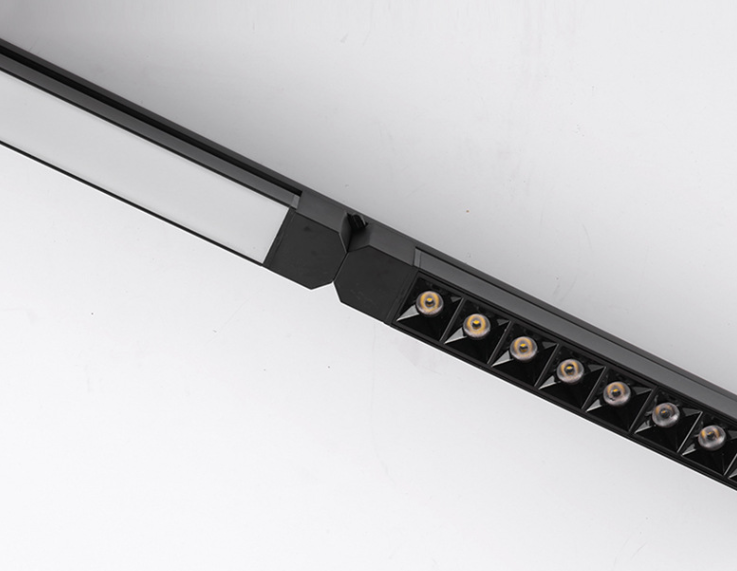
Most B2B buyers pay a per-unit price in the low-to-mid double digits for commercial grill lights, though project-grade fixtures run higher. Standard MOQs sit around 500–1,000 units, and some suppliers accept orders as low as 10 sets.
Supplier type, materials, certifications, and customization all move those numbers. Procurement managers, restaurant owners, and facility managers sourcing at business volume should treat each variable as a negotiation lever. Manufacturers such as Liyin Lighting build their pricing tiers and MOQ thresholds around the same factors.
Three practical steps follow: compare supplier types, negotiate terms, and vet a supplier before committing.
Key Takeaways
Compare supplier types to find the best match for your order size and customization needs.
Talk about how much you plan to buy and your future needs to get lower unit prices and smaller minimum order amounts.
Check the certifications and product specs with samples before you commit to a bulk order.
Know that the materials and certifications make a big difference in pricing and MOQ.
Write down all the terms you agree on, like MOQ tiers and payment schedules.
What Drives B2B Pricing For Grill Lights
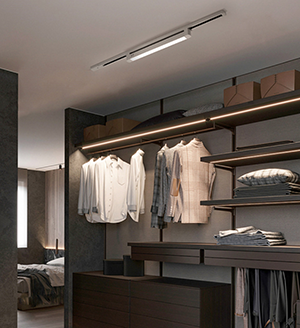
Unit cost rarely comes from just one item. Materials, certifications, order size, and delivery terms each change the quote. Buyers who know these levers can compare offers fairly.
Materials, Build Quality, And Certifications
Housing material sets the starting point. Liyin Lighting builds its LED Grille Light around a die-cast aluminum housing. Aluminum resists bending and pulls heat away from the LED board, which protects light output over a long service life. The same fixture uses DOB (Driver on Board) technology. The driver sits right on the LED board, so the design needs fewer parts and has fewer failure points. Efficacy reaches up to 100 lumens per watt, a number buyers can use to compare power draw against delivered light.
Certifications add cost, and they differ by market. ETL suits North American projects, CE covers the European Union, and SAA applies to Australia. Testing and paperwork carry a real charge per model and per variant. Confirm the exact certification list before comparing quotes. A cheaper offer without the right mark is not really cheaper.
These grill lights also serve different rooms. Track-mounted and recessed versions fit offices, retail floors, galleries, and hospitality spaces. The linear flood variant handles wall washing. Buyers should match the variant to the space first, then price it.
Order Volume, Lead Time, And Shipping Terms
Volume drives the unit rate more than anything else. Factories spread setup, tooling, and quality control across the run, so bigger orders cost less per piece. Small runs carry the same fixed costs across fewer units.
Lead time works together with volume. Stock items ship fast. Made-to-order runs need production scheduling, and rush timelines usually cost extra. Shipping terms shift cost between buyer and seller. FOB, CIF, and DDP place freight, insurance, and customs duties in different hands. Convert every quote to the same delivery term before ranking suppliers.
Payment structure matters too. Deposits, balance timing, and currency all affect the landed cost.
How MOQs Vary For Grill Lights
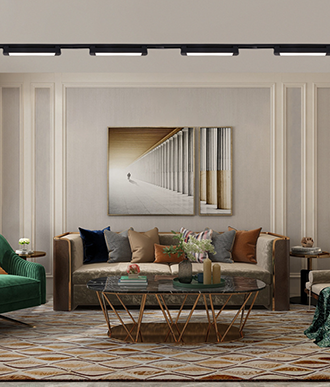
Minimum order quantities are very different across the market. A buyer who knows the normal numbers can spot a fair offer quickly.
Supplier Type And Customization Impact
Normal market data gives buyers a starting point. About 1,000 units is common for most B2B LED projects. Some Chinese grille light makers accept MOQs as low as 10 sets. Beacon-style products usually need around 500 units. The gap between 10 and 1,000 shows how much setup work a factory must cover.
Three factory cost drivers explain most of that gap. First, SMT changeover costs about $200–500 per production run. A line must stop, swap programs, and recalibrate before a new board design runs. Second, component suppliers sell parts on full reels, so a factory must buy whole reels even for a tiny order. Third, quality control adds fixed overhead per batch. Inspection, testing, and paperwork take about the same time whether a run holds 10 units or 10,000.
Customization raises MOQs. A standard finish and a stock CCT move through existing setups. A custom diffusion panel, a special mounting bracket, or a non-standard color temperature needs new tooling or a dedicated run. Liyin Lighting, for example, builds its LED Grille Light line around die-cast aluminum housings and DOB technology, and it offers smooth and prismatic diffusion options. Each variant has its own setup cost, so mixed orders usually land at higher thresholds than single-SKU orders.
Volume Tiers And Stock Versus Made-To-Order
The quoted unit price normally applies at the minimum quantity. Buyers should read every quote that way. A low headline price paired with a high MOQ often costs more in total than a slightly higher unit rate at a lower threshold.
Stock items carry the lowest barriers. A supplier holding finished goods can ship a small trial order without touching the production line. Made-to-order runs need scheduling, and the factory will set the MOQ to cover its changeover and reel costs.
Trial orders are sometimes negotiable. A buyer who commits to a follow-on volume, or who accepts a stock finish for the first batch, can often secure a smaller opening order. Procurement teams should ask directly and put the answer in writing.
Volume tiers reward planning. A buyer who forecasts annual demand and splits it into scheduled releases usually reaches a better rate than one who orders once. The factory gains predictable loading, and the buyer gains a lower unit cost across the year.
Comparing Grill Lights Supplier Types
Pricing, MOQ, And Technical Performance
Each supplier type fits a different way of buying. Manufacturers run the production line. They give the lowest unit cost at volume and the widest customization range. Distributors keep stock from many brands. They work well for buyers who need smaller mixed orders and fast delivery. Wholesalers focus on aftermarket and OEM buyers, often with large catalogs and flexible quantities.
Supplier type | Best fit | Typical strength |
|---|---|---|
Manufacturer | Custom builds, volume pricing | Design control, direct technical support |
Distributor | Small mixed orders | Stock availability, mixed brands |
Wholesaler | Aftermarket, OEM buyers | Broad catalog, flexible quantities |
Technical performance sets offers apart more than price alone. Liyin Lighting's DOB Track Grille Light is made for offices and retail floors. The Track Linear Flood Light handles wall washing and architectural accents. The Recessed Grille Linear Spotlight APL-GL-01 fits galleries and hospitality spaces, where visual comfort matters most.
Application Fit, Compliance, And Cost Of Ownership
Anti-glare design and diffusion choices change what a fixture is really worth. The recessed spotlight model uses anti-glare engineering to reduce eye strain in close-viewing spaces. Smooth and prismatic diffusion panels shape light distribution for different rooms. These features cost extra, and buyers should weigh that extra cost against the comfort and performance each space needs.
Compliance and lifetime cost complete the picture. ETL, CE, and SAA marks decide which markets a fixture can enter. A die-cast aluminum housing and DOB technology help the fixture last a long time, and efficacy up to 100 lumens per watt lowers running cost. Buyers comparing grill lights should add up purchase price, energy use, and replacement risk before choosing a supplier type.
Negotiating Better Pricing And MOQ Terms
Leveraging Volume Commitments And Forecasts
Volume commitments give buyers their best bargaining tool. A buyer who predicts yearly demand and breaks it into scheduled shipments helps the factory plan its line. That steady flow often earns a lower unit price than one big order placed a single time. Rolling forecasts work the same way. A procurement manager who shares a quarterly outlook lets the supplier stock component reels and plan runs ahead of time.
Sticking to one design across many orders also lowers the per-unit cost. Every new SKU causes a fresh SMT changeover, which costs about $200–500 per production run. A buyer who standardizes on one fixture family skips repeated setup charges. Liyin Lighting sets up its LED Grille Light line this way, with shared die-cast aluminum housings and DOB technology across track-mounted and recessed variants.
Customization, Payment Terms, And Contract Flexibility
Customization choices connect directly to MOQ tiers. Diffusion panels, mounting options, and CCT selection each carry their own setup cost. A stock smooth or prismatic panel moves through an existing setup. A non-standard CCT or a special bracket needs a dedicated run, which pushes the threshold higher. Buyers should confirm which choices stay inside the standard tier before asking for changes.
Payment terms and contract flexibility finish the negotiation. Deposits, balance timing, and release schedules are all open to discussion. A buyer who accepts a stock finish for a first batch can often get a smaller opening order. Liyin Lighting answers inquiries within 12 hours, so buyers can clarify tier boundaries and customization limits quickly. Procurement teams should put every agreed term in writing before signing.
How To Evaluate And Select A Supplier
Certifications, Product Specs, And Sample Testing
Buyers should first find out what kind of business is behind the quote. A factory runs its own production line and answers technical questions directly. A trading desk resells products and may pass questions along slowly. Both can serve a buyer well, but the factory route usually fits custom work and volume pricing.
Certification checks come next. Ask for ETL, CE, and SAA documents and match each certificate to the exact model being quoted. A certificate for a similar product does not cover the fixture on the order.
Specs deserve the same close look. Confirm brightness standards, CCT selection, and certification requirements before bulk purchases. A sample order settles the question. Test the sample for output, glare control, and finish quality, then compare it against the written spec.
Vetting Process, References, And Red Flags
A structured vetting process saves money later. Ask for references from buyers with similar projects, then ask those references about delivery timing and defect handling. Guangdong Liyinled Lighting Co., Ltd. offers a useful benchmark here. The factory builds its LED Grille Light line on die-cast aluminum housings and DOB technology, and it has supplied office, retail, gallery, and hospitality projects with track-mounted, recessed, and linear flood variants. Its stated 12-hour inquiry response shows the responsiveness a buyer should expect during vetting.
A supplier who dodges certification questions or refuses a sample order is a red flag. Walk away before signing.
Written MOQ tiers, payment terms, and warranty coverage close the process. Buyers who verify all three before committing avoid disputes after the first shipment.
Materials, certifications, volume, and supplier type all affect grill light pricing and MOQ terms. Buyers who know these levers can negotiate better deals.
Three next steps matter most. Ask for quotes from at least three supplier types, check certifications and specs with samples, and put MOQ tiers and payment terms in writing before you commit.
A transparent manufacturer like Liyin Lighting makes comparing easier. The factory shares its LED Grille Light specs, offers diffusion and mounting options, and answers questions within 12 hours.
FAQ
Which spaces suit Liyin Lighting's LED Grille Light?
This line works for offices, retail floors, galleries, and hospitality rooms. Track-mounted and recessed versions handle general lighting, and the linear flood variant takes care of wall washing. The factory has supplied projects in all these settings using all three mounting styles.
What do buyers check first during procurement?
Certifications come first. Buyers match ETL, CE, or SAA documents to the exact model they are quoted. They also confirm efficacy, CCT options, and diffusion type. A sample order settles output, glare control, and finish quality before a bulk commitment.
Can the factory customize diffusion, mounting, and CCT?
Yes. Liyin Lighting offers smooth and prismatic diffusion panels, track-mounted and recessed options, and selectable CCT. Custom choices each carry their own setup cost, so buyers should confirm which options stay inside the standard MOQ tier before ordering.
How fast does the supplier respond to inquiries?
Liyin Lighting answers inquiries within 12 hours. That reply covers pricing tiers, MOQ boundaries, certification documents, and sample requests. Fast answers let procurement teams compare quotes and clarify terms without long delays.
What common problems should buyers watch for?
Two problems come up again and again. A quote may list a unit price that only applies at the minimum quantity. A certificate may cover a similar model instead of the fixture on the order. Buyers should confirm both in writing before signing.