Commercial Kitchen Lighting Requirements
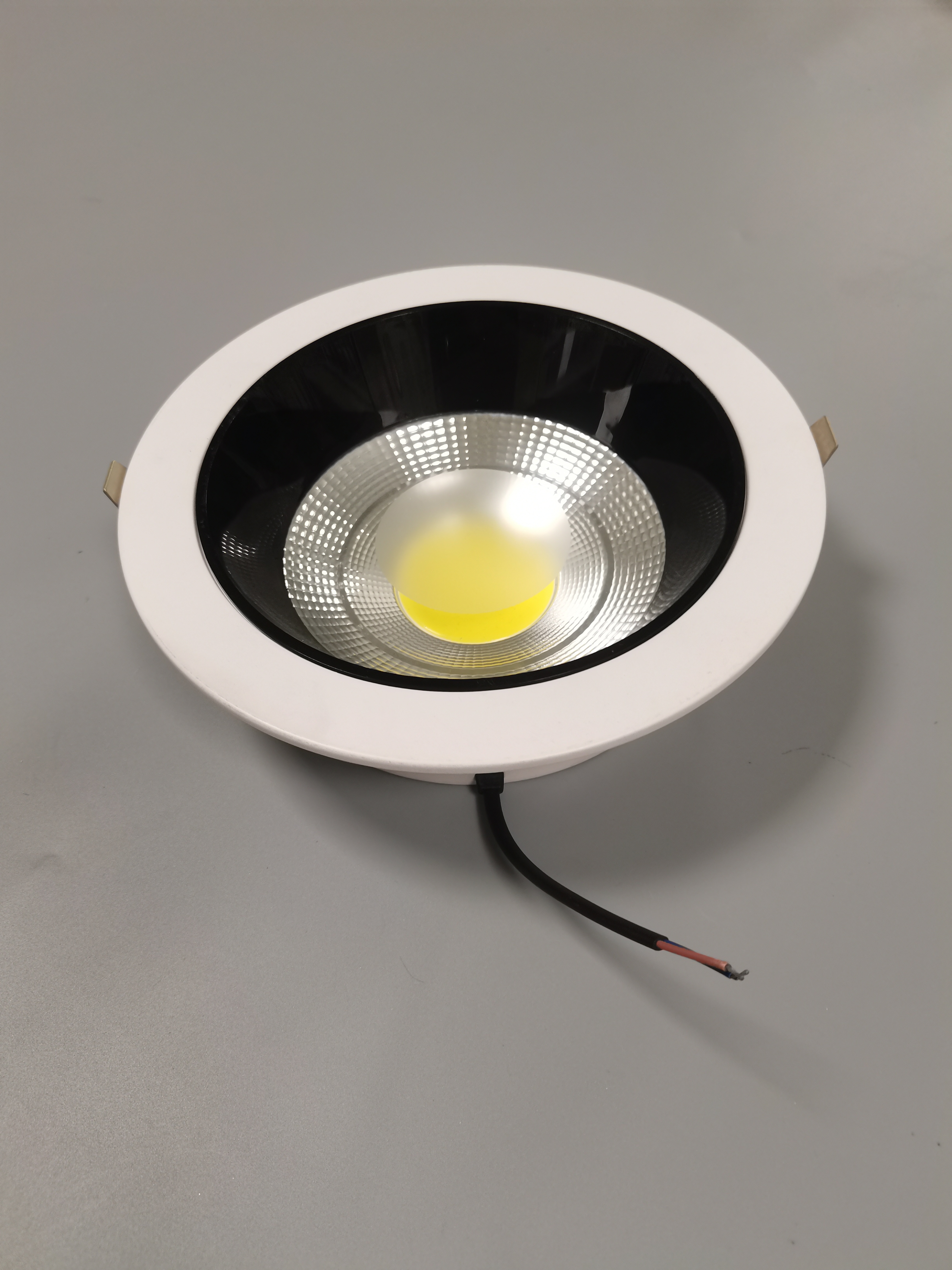
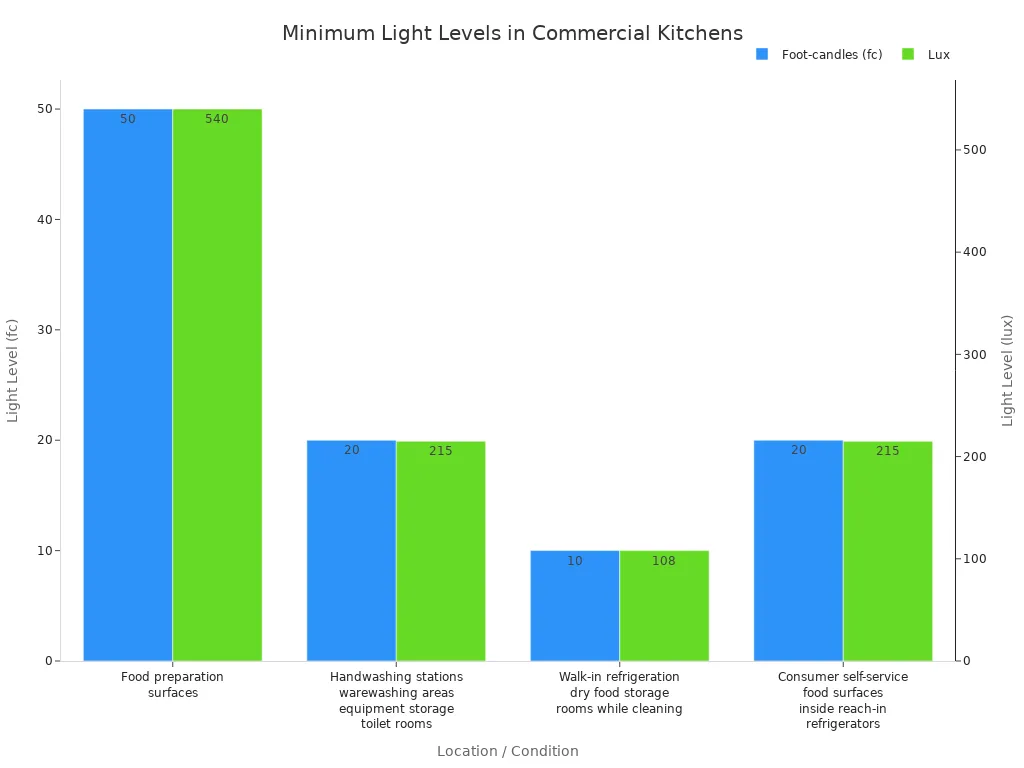
FDA Food Code rules require clear light levels in all main work spaces. Good Kitchen Lighting improves workplace safety and overall work speed.
Location / condition | Required minimum light level |
|---|---|
Food preparation surfaces where employees handle food | 50 fc / 540 lux |
Handwashing stations, warewashing areas, and utensil storage | 20 fc / 215 lux, measured 30 inches (75 cm) above floor |
Walk-in refrigeration units and dry food storage areas | 10 fc / 108 lux, measured 30 inches (75 cm) above floor |
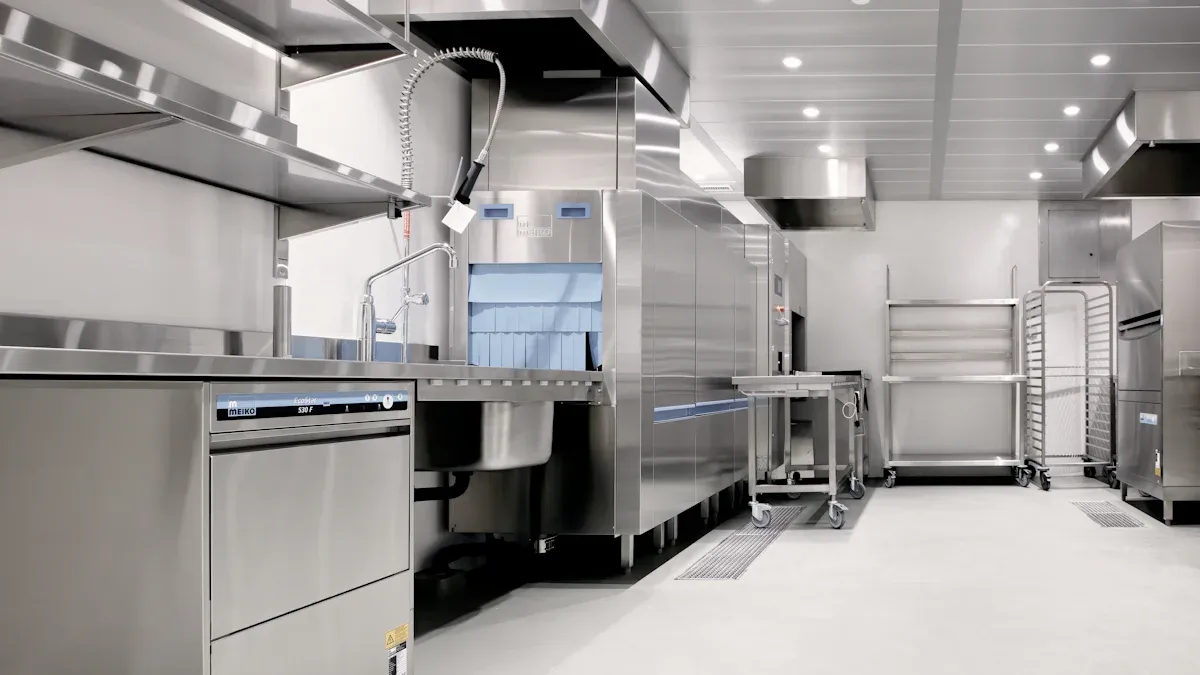
Cleanliness rules require NSF certification and IP65+ ingress protection. Changing to LED lights saves 50–75% on energy. Food service operators, facility managers, and contractors build safe system setups using tough Kitchen Lighting.
Key Takeaways
Businesses that cook food must follow government rules for having enough light in work areas.
Clear LED lights help kitchen staff chop food safely and quickly find dirty equipment.
Special water-resistant and unbreakable lights protect food by keeping away germ contamination and sharp glass pieces.
Using energy-saving LED lights reduces monthly electricity bills and helps businesses successfully pass their local health inspections.
Commercial Kitchen Lighting Standards
Good brightness levels boost daily productivity and help commercial food businesses follow strict health codes. Kitchen spaces need correct light levels to protect workers, keep areas clean, and reduce eye strain. Health inspectors enforce exact light output rules measured in foot-candles and lux inside every work zone. Kitchen leaders must choose strong light fixtures to meet these standard rules all the time. High-quality Kitchen Lighting fixtures raise total staff output while meeting local health rules easily.
Food Preparation Brightness Rules
Food prep spaces need the brightest light levels of any commercial workspace. Employees use sharp knives, run fast food slicers, and check raw ingredients in these busy spots. Regular food prep areas need steady light between 50 and 100 foot-candles (540 to 1080 lux). This light level makes cutting boards, prep tables, and cooking lines easy to see. Workers spot unwanted items and food flaws right away under bright lights.
Some detailed kitchen jobs need even clearer light to work safely. Fine cooking jobs like detailed cake decorating, exact meat cutting, and fancy garnishing need up to 150 foot-candles (1615 lux). This extra brightness gets rid of dark shadows near active cutting spots. Managers reach these high light levels by installing extra task lights right over main prep tables.
Kitchen Zone | Required Light Level (Foot-Candles) | Required Light Level (Lux) | Primary Operational Purpose |
|---|---|---|---|
High-Precision Culinary Tasks | Up to 150 fc | Up to 1615 lux | Detailed meat butchery, fine garnishing, visual inspection |
General Food Preparation Areas | 50 to 100 fc | 540 to 1080 lux | Chopping, slicing, cooking line management, plating |
Warewashing and Dishwashing Stations | 20 fc | 215 lux | Cleaning utensils, sanitation checking, plate scraping |
Dry Storage and Walk-In Cold Units | 10 fc | 108 lux | Stock rotation, shelf reading, safety navigation |
Storage and Wash Zone Illumination
Storage rooms and cleaning areas use different light rules than hot cooking areas. Health rules set a minimum level of 20 foot-candles (215 lux) for dish stations, tool storage, and buffet lines. Cleaners must check water quality and inspect washed plates for dirty spots with ease. Good light in dishwashing areas stops dirty germs from spreading during daily work shifts.
Storage rooms need less room light while keeping kitchen staff completely safe from falls. Dry pantries and walk-in coolers need at least 10 foot-candles (108 lux) of light. Inspectors test this level exactly 30 inches (75 cm) off the ground surface. Good storage lighting helps workers read item boxes fast, check dates correctly, and carry heavy loads safely.
Global lighting makers like LIYINLED build tough light units inside large 24,000-square-meter plants to hit these hard goals. Large buyers often check fixture life, waterproof ratings, power use, and light focus before buying. Basic store lights break down fast in hot and damp kitchen spaces. Direct factory changes fix these common equipment problems very well. Food businesses pick special light angles, smooth colors, and custom power levels to fit unique room plans. Custom LED setups bring clear target foot-candle levels without causing harsh light glare. Approved high-output Kitchen Lighting systems guarantee health code compliance, cut repair delays, and lower power bills for big operations.
Sanitation and Safety Regulations
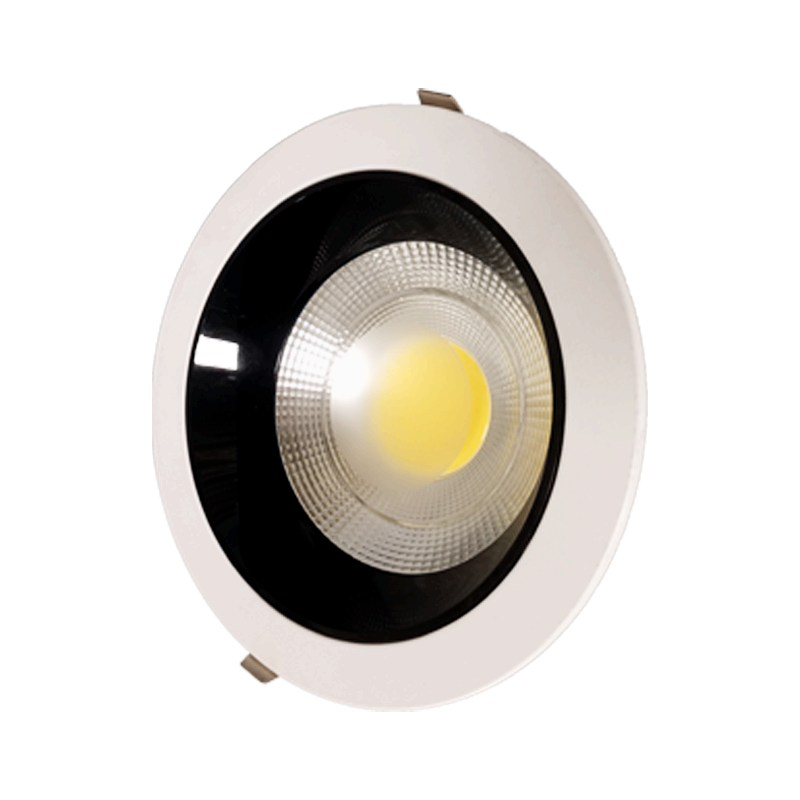
Commercial kitchen lights must follow strict health codes to keep food completely safe. Restaurant owners pick certified fixtures that easily handle daily hot water washdowns and strong chemical cleanings. Special sealed housings block moisture from getting inside light units during sudden temperature changes near fryers and steam tables.
NSF Certification and IP Ratings
Health inspectors require specialized fixtures inside active food-handling zones. Official health guidelines rely on the NSF/ANSI 2 standard for all approved equipment. This special rating proves that fixtures feature smooth, rustproof materials without open gaps where harmful bacteria, mold, or sticky grease collect over time.
Kitchen zones need exact ingress protection (IP) ratings to shield fixtures from incoming moisture and tiny dust particles:
Area | NSF-Listed Requirement | Ingress Protection Standard |
|---|---|---|
Food-Preparation Zones | Easy-to-clean NSF design built with sealed gasketed housings | IP65 minimum (dust-tight, protection against direct water jets) |
Washdown & Moisture Zones | Verified NSF status built with sealed vapor-tight housings | IP65 to IP66 (heavy splashing); IP69K for high-pressure spray |
Dry Storage (Non-Prep) | NSF listing not specifically required | IP44 acceptable in dry areas outside active prep zones |
Vapor-tight light fixtures rated IP65 or higher let employees hose down nearby walls without causing dangerous short circuits or foggy internal moisture buildup. Active high-pressure washdown stations usually combine NSF/ANSI 2 rules with IP69K ratings to survive harsh hot water jet cleaning.
LIYINLED meets these strict building demands by crafting long-lasting commercial LED solutions inside a large 24,000-square-meter plant with clean workshops and automated SMT machinery. Running under smart ISO9001 and ISO14001 standards, LIYINLED offers full OEM and ODM customization for precise power levels, light beam angles, custom CCT values, and specialized LED chip sources. With a massive 40,000-square-meter factory currently being built, the company quickly grows its total output to supply global builders everywhere. These fully tested light fixtures hold major international approvals like CE, ROHS, BIS, CB, and SAA.
Shatterproof Protection and CRI
Accidental light fixture hits over hot cook lines can send sharp glass pieces falling right into open food containers. Commercial safety laws require tough shatter-resistant lenses or protective covers to completely eliminate these dangerous physical hazards. Strong polycarbonate lenses deliver great heat stability and high impact protection during busy daily kitchen tasks. Tight sealed covers also keep out flying bugs and hot steam to protect overall cleanliness everywhere.
Visual food inspection relies heavily on strong color rendering and correct light color choices:
Recommended Value | Purpose in Kitchen Operations | |
|---|---|---|
Color Temperature (Prep) | 4000K to 5000K cool white | Looks like sunlight, boosts worker focus, and improves safety checks |
Color Temperature (Dining) | 3000K to 4000K neutral white | Provides a soft, comfortable environment for guests in dining spaces |
Color Rendering Index (CRI) | 80+ minimum; 90+ for prep | Shows true ingredient colors and highlights subtle meat spoilage easily |
While official FDA rules state exact lux levels instead of specific CRI numbers, picking high CRI 90+ light fixtures helps prep cooks check food freshness with confidence. Low CRI values can make fresh red meat look dull gray and clean green vegetables look unappealing. Selecting a 4000K to 5000K color range creates a bright, sterile workplace that supports daily quality checks. Kitchen workers spot hidden dirt, tiny food scraps, or surface stains much faster under bright cool white lighting.
Picking durable shatterproof LED lights with high CRI values keeps customers safe while boosting visual quality checks on every shift.
LIYINLED inspects every single commercial fixture using deep optical testing, waterproof leak checks, and non-stop power aging tests. Smart kitchen managers count on these custom lighting upgrades to pass strict health inspections easily, cut monthly power bills, and boost total facility work speed.
LIYINLED Kitchen Lighting Solutions
LIYINLED is a top global maker of strong commercial LED light fixtures. The firm runs a large 24,000-square-meter factory with clean rooms and automated lines. Building managers pick LIYINLED to create approved Kitchen Lighting systems that endure tough work spaces easily.
Task and Ambient Kitchen Lighting Layouts
Busy cooking areas need smart light layers to remove dark spots and keep everything clear. Builders put general lights at 300 to 500 lux using high ceiling units. This primary light layer provides balanced cover across main walkways and open work spots.
Work areas need strong direct lights set between 500 and 750 lux over counters and sinks. Installers put under-cabinet LEDs close to food prep spots. Good light placement stops body shadows on cutting boards and keeps lighting balanced everywhere.
Advanced Controls and Customized Fixtures
LIYINLED offers full OEM and ODM services to solve tough building order problems quickly. Commercial buyers can easily change light details to match exact floor designs.
Customization Option | Available Engineering Range | Primary Operational Benefit |
|---|---|---|
Optical & Electrical Setup | Custom CCT, power outputs, beam angles, LED sources | Matches target foot-candle goals without harsh glare |
Control & Packaging | Customized control systems and tailored product packaging | Fits unique architectural needs and brand standards |
Global Certifications | CE, ROHS, ISO9001, BIS, CB, SAA, ISO14001 | Guarantees international safety and quality compliance |
Smart controls lower daily power use during busy shifts and quiet breaks. Managers use motion sensors to switch off lights inside empty storage rooms automatically. Built-in dimmers and automatic timers drop room brightness during slow hours to trim power bills. These strong Kitchen Lighting controls boost facility efficiency on every work shift.
Maintenance and Inspection Compliance
Routine Cleaning Protocols
Kitchen teams need to clean light covers to keep rooms bright. Smoke, floating grease, and wet air cover light covers over time. This thick layer blocks brightness and makes work spaces hard to see. Cleaning workers should wipe down safe NSF-listed lights during normal daily chores. Smooth surfaces help workers clean off sticky oil fast without using scratchy cleaners.
Water spray cleaning helps protect light bodies in active wash spots. Maintenance teams clean IP65-rated light cases with warm water and soft soap. Workers must check rubber seals often so steam or water stays out of wires. Strong makers like LIYINLED create tough, water-sealed lights that handle daily chemical cleaning. These strong lights keep kitchen spaces bright, safe, and legal.
Light Meter Audits and Logs
Building managers test room brightness to meet FDA Food Code rules. Inspector tools measure light on food tables, dish stations, and cold rooms using a calibrated foot-candle meter. Inspectors record numbers 30 inches off the floor to check target light needs. Regular record books show health officers that the building stays bright enough all the time.
Inspection Task | Recommended Frequency | Compliance Target |
|---|---|---|
Meter Measurement Audit | Monthly check | 50 fc prep, 20 fc wash, 10 fc storage |
Lens & Seal Inspection | Weekly check | Zero cracked lenses or compromised gaskets |
Cleaning & Maintenance Log | Daily shift check | Clean NSF surface, clear grease buildup |
Leaders swap out dark or dying lights fast to avoid health rule fines. Switching to smart LED lights from LIYINLED stops quick light loss over long work days. The big 24,000-square-meter LIYINLED plant tests every light unit for strong glass and water seals. Restaurant owners keep clear light records to protect kitchen workers and earn great health test grades.
Commercial kitchens need to follow tight safety rules to pass local health checks. FDA guidelines demand exact brightness settings:
50 foot-candles (540 lux) across busy food preparation areas
20 foot-candles (215 lux) over dishwashing and tool storage spots
10 foot-candles (108 lux) inside cold walk-in units and dry pantries
Strong shatterproof covers stop broken glass from ruining food, while NSF/ANSI 2 approvals and IP69K ratings shield light units from harsh water sprays. Reliable light fixtures built by top brands like LIYINLED help businesses meet health laws, lower electric bills, and speed up kitchen work. Restaurant managers should test their current Kitchen Lighting today and reach out to LIYINLED for custom LED improvements.
FAQ
What light levels do health codes require in commercial kitchens?
Health officials enforce tight light standards based on FDA guidelines. Food prep tables must reach 50 foot-candles (540 lux). Dishwashing areas require 20 foot-candles (215 lux). Storage areas need 10 foot-candles (108 lux). Clear lighting stops work mistakes and keeps meals safe.
Which IP rating works best for wet kitchen washdown zones?
Damp spots need strong waterproof protection. Kitchen owners must pick sealed lights rated IP65 or higher for wet cleaning areas. These tight covers block water sprays, heavy steam, and airborne oil. LIYINLED builds certified waterproof fixtures that handle daily chemical washes with ease.
Why must commercial kitchen lights carry NSF certification?
NSF/ANSI 2 rules guarantee safe fixture designs. Approved lights feature smooth, stainless surfaces without open cracks. This clean setup stops harmful germs, mold, and dirty grease buildup. Managers install NSF-listed LED lights to clear health checks and protect food trays from dirt.
What color temperature and CRI should facility managers choose for food prep?
Food prep areas require bright cool white light between 4000K and 5000K. Managers should pick units with a Color Rendering Index (CRI) of 80 to 90+. High CRI lights show true food colors, helping cooks spot spoiled food and clean hidden dirt fast.
How does LIYINLED support custom commercial lighting projects?
LIYINLED runs a 24,000-square-meter automated plant holding ISO9001 and CE marks. Buyers order special CCT, power options, light angles, and OEM/ODM styles straight from the factory. LIYINLED tests every light for tight water seals and clear output to supply solid LED systems for active businesses.