Comparing top LED recessed lighting brands in 2026
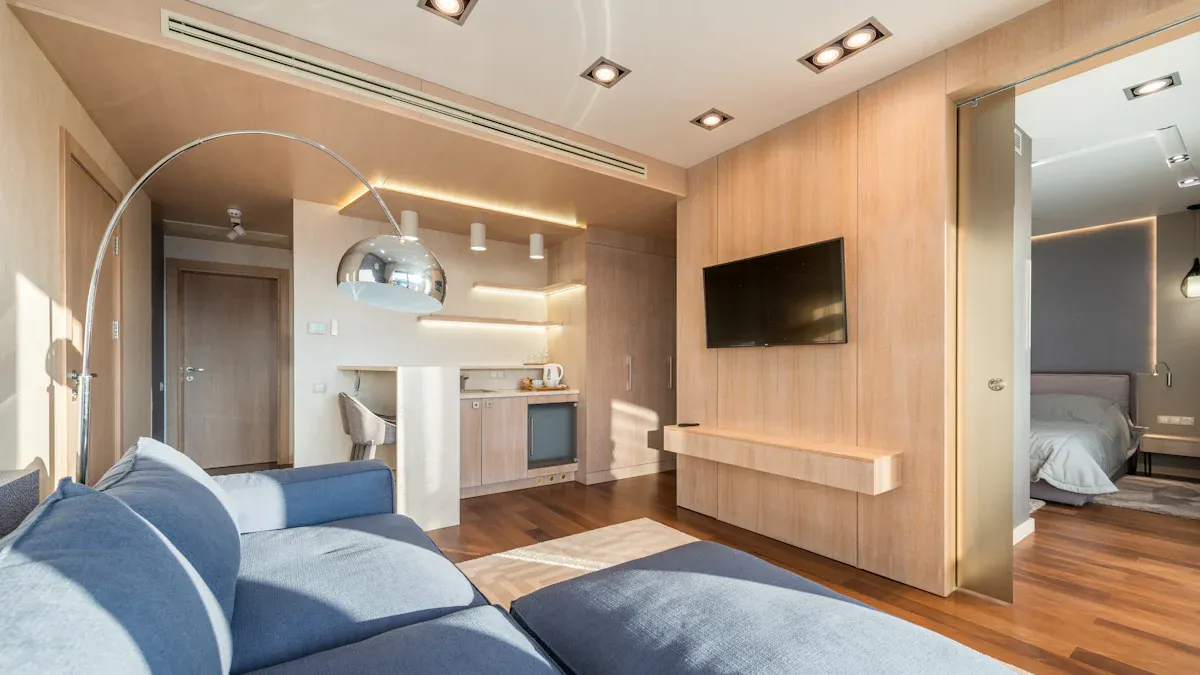
In 2026, the market for led recessed lighting brands is highly specialized. Each LED Ceiling Light Manufacturer offers distinct advantages for specific applications. Philips Hue stands out for its comprehensive smart home integration. For projects demanding true-to-life color, Cree Lighting produces downlights with exceptional accuracy. Lithonia Lighting delivers cost-effective led light fixtures for large-scale renovations. Meanwhile, professional led light manufacturers like Juno and Halo set the industry standard for new construction downlights. Choosing the right LED Ceiling Light and recessed downlights depends entirely on project requirements.
2026's Top LED Recessed Lighting Brands: A Detailed Review
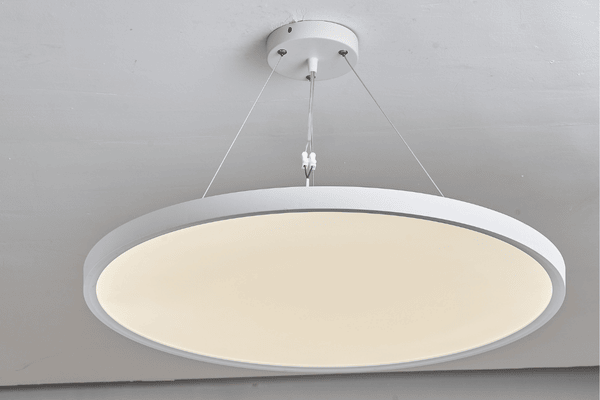
This section provides in-depth reviews of the top-performing led recessed lighting brands of 2026. Each brand excels in a specific category, from smart home automation to professional-grade color rendering. We analyze their performance, features, and overall value to help you make an informed decision.
Philips Hue: The Smart Home Champion
Philips Hue continues its reign in 2026 as the undisputed leader for homeowners seeking a fully connected lighting experience. The brand transforms lighting from a simple utility into an integral part of the modern smart home.
Unmatched Smart Ecosystem
Hue's leadership stems from its comprehensive and mature platform. The Hue Bridge acts as a central hub, creating a robust and responsive local network for all your lights. This architecture ensures reliability that Wi-Fi-only devices cannot match. By 2026, Hue's full adoption of the Matter protocol makes its integrated smart lighting ecosystems compatible with virtually every major smart home platform, including Amazon Alexa, Google Assistant, and Apple HomeKit.
Performance and Light Quality
While famous for its smart features, Hue does not compromise on light quality. Its downlights deliver consistent brightness and excellent color saturation. The fixtures provide smooth, flicker-free dimming down to very low levels, a critical feature for creating ambiance. The overall build quality ensures longevity, justifying its position as a premium brand.
Color and Temperature Options
Philips Hue offers an extensive range of options. Its White and Color Ambiance downlights produce over 16 million colors and a wide spectrum of white light, from a warm 2200K glow to a cool 6500K daylight. This flexibility allows users to tailor the lighting for any activity, whether it's vibrant colors for a party or focused cool light for a home office.
Advanced 2026 Features
In 2026, Hue has pushed beyond simple voice commands. The brand heavily incorporates advanced concepts like Human-Centric Lighting (HCL). Its systems can automate color temperature and intensity throughout the day to align with your body's natural circadian rhythm. This promotes alertness in the morning and relaxation in the evening.
Pro Tip: Use Hue’s "Natural Light" scene, which mimics the sun's movement with dynamic shifts in color and brightness. This feature supports biophilic design principles, helping to reduce stress and connect your indoor space with the outdoors.
Price Point and Value
Philips Hue products command a premium price. The initial investment in a starter kit (including the Hue Bridge) and individual downlights is higher than competitors. However, the value lies in the system's unparalleled reliability, feature set, and seamless integration. For those prioritizing a top-tier smart lighting experience, the cost is a worthy investment.
Best For Smart Home Enthusiasts
Anyone building a connected home or wanting the most powerful and flexible smart lighting on the market will find Philips Hue to be the definitive choice.
Cree Lighting: The Color Accuracy Expert
For applications where seeing true color is non-negotiable, Cree Lighting stands out as the expert. The brand has built its reputation on producing downlights with exceptional color rendering, making it a favorite among designers, artists, and discerning homeowners.
Industry-Leading Color Rendering
Cree’s primary advantage is its superior Color Rendering Index (CRI). Most of its premium downlights feature a CRI of 90+, which became the industry standard in 2026 for quality lighting. More importantly, Cree excels in rendering deep reds, measured by the R9 value. The company's foundational technology delivers a typical CRI of 95 and an R9 value of 85, ensuring that wood tones, skin tones, and artwork appear vibrant and true to life.
Brightness and Efficacy
Cree Lighting fixtures are both powerful and efficient. The brand consistently delivers high lumens per watt, providing excellent brightness without consuming excess energy. This makes their products a smart choice for spaces that require bright, clear illumination, such as task areas in a kitchen or a workshop.
CCT and Dimming Capabilities
Cree offers a range of Correlated Color Temperature (CCT) options, typically from a warm 2700K to a neutral 4000K. While some competitors offer wider tunable ranges, Cree focuses on delivering exceptional quality at the most popular color points. Their downlights are also engineered for smooth, deep dimming performance with a wide range of compatible dimmer switches, ensuring a flicker-free experience.
Innovations in Longevity
Cree invests heavily in the durability and reliability of its products. Their fixtures are known for robust thermal management, which extends the lifespan of the LEDs and maintains consistent light output over time. This focus on engineering ensures a long-term, maintenance-free lighting solution.
Price Point and Value
Cree downlights are priced in the mid-to-high range. They are more expensive than budget brands but generally more affordable than high-end smart systems like Hue. The value proposition is clear: you are paying for best-in-class color quality and professional-grade reliability.
Best For Kitchens and Galleries
Cree is the ideal choice for kitchens, bathrooms, art galleries, and retail environments—anywhere that accurate color representation is critical to the function and aesthetic of the space.
Lithonia Lighting: The Budget-Friendly Workhorse
When a project requires dependable lighting on a large scale without breaking the bank, Lithonia Lighting (an Acuity Brands company) is the go-to solution. It is the workhorse of the industry, offering practical features and exceptional value.
Exceptional Value for Large Projects
Lithonia's core strength is its price-to-performance ratio. For large residential renovations, basement finishing projects, or multi-family housing, the brand allows you to install high-quality recessed downlights at a fraction of the cost of premium brands. This makes it a favorite among contractors and DIYers alike.
Reliable Performance Metrics
While not always chart-topping, Lithonia's performance is consistently reliable. Their downlights provide good brightness, solid energy efficiency, and respectable color rendering (typically 80+ or 90+ CRI, depending on the product line). They deliver on their promises, providing a dependable lighting solution that meets modern energy codes.
Switchable White Technology
One of Lithonia's standout features is its Switchable White technology. This contractor-friendly innovation allows you to change the color temperature directly on the fixture, eliminating guesswork during installation.
Integrated CCT Switch: A simple toggle on the fixture housing lets you select from multiple color temperatures (e.g., 2700K, 3000K, 4000K).
Fewer Products to Stock: Contractors no longer need to carry multiple SKUs for different color temperatures. One fixture can satisfy various client preferences or room requirements.
On-the-Fly Adjustments: If a client decides the light is "too warm or too cool," the fix is as simple as flipping a switch.
Contractor-Friendly Features
Lithonia designs its products with the installer in mind. Many of their recessed fixtures feature an ultra-thin, canless design that is easy to install in tight ceiling spaces. This minimalist style saves time and labor, further enhancing the brand's value proposition for professionals.
Price Point and Value
Lithonia is a leader in the budget-friendly category. Its products offer the lowest cost per fixture among the top-tier brands, making it the undisputed champion for value-focused projects. While some models offer smart features, the brand's primary focus remains on providing affordable, reliable illumination.
Best For Basements and Renovations
For finishing a basement, renovating an entire house, or outfitting a rental property, Lithonia Lighting provides the best balance of cost, performance, and installation ease.
Juno: The Professional's Choice for New Builds
Juno, another brand under the Acuity Brands umbrella, carves out its niche in the high-end residential and light commercial markets. Architects, lighting designers, and custom home builders specify Juno when performance and precision are paramount. It is the brand of choice for new construction projects demanding a professional-grade solution.
Commercial-Grade Durability
Juno builds its downlights to last. The brand utilizes heavy-gauge steel and aluminum for its housings and trims, ensuring structural integrity for decades. Superior thermal management systems protect the LED components from heat degradation. This robust construction guarantees consistent performance and a long service life, minimizing the need for future replacements.
High-Performance Output
Juno fixtures deliver exceptional light quality and control. The brand focuses on high-lumen output, precise beam angles, and minimal glare. While other brands compete on smart features, Juno dedicates its engineering to the purity of the light itself. Its downlights provide clean, consistent illumination that enhances architectural features and provides functional task lighting without compromise.
Designer's Note: Juno's optics are a key selling point. Their specialized reflectors and lenses allow for precise light shaping, from a narrow spot to illuminate artwork to a wide flood for general ambiance. This level of control is essential in layered lighting design.
Architectural Trim Options
The brand offers an extensive catalog of architectural trims that integrate seamlessly into a ceiling. Juno provides a sophisticated aesthetic with options that go far beyond standard baffles.
Pinhole & Slot: Create discreet, low-glare points of light.
Gimbal & Eyeball: Offer adjustable, directional accent lighting.
Wall Wash & Lensed: Provide smooth, even vertical illumination.
These options allow designers to achieve a clean, minimalist look while delivering highly functional light.
Specialized Housing Systems
Unlike the canless trend dominating the DIY market, Juno champions the use of dedicated housing systems for new builds. These housings are engineered for specific applications, ensuring optimal performance and code compliance.
Housing Type | Primary Use | Key Feature |
|---|---|---|
IC-Rated | Ceilings with insulation | Rated for direct contact with insulation. |
Non-IC | Ceilings without insulation | Requires clearance from insulation materials. |
Airtight (AT) | Energy-efficient homes | Prevents airflow between conditioned and unconditioned spaces. |
This system-based approach provides superior long-term reliability and performance compared to all-in-one canless fixtures.
Price Point and Value
Juno products occupy a premium price tier. The initial cost for housings, LED modules, and trims is significantly higher than all-in-one solutions. However, the value lies in its exceptional build quality, optical performance, and long-term reliability. For high-end projects, the investment ensures a flawless lighting outcome that lasts.
Best For High-End Residential
Juno is the definitive choice for new custom homes, luxury renovations, and any project where the lighting is a core architectural element rather than an afterthought.
Halo (Eaton): The Versatile All-Rounder
Halo, a flagship brand from Eaton, has long been a household name in recessed lighting. In 2026, it maintains its position as the versatile all-rounder, offering a vast selection of reliable products that cater to nearly every residential need and budget. It is one of the most recognized led recessed lighting brands on the market.
Extensive Product Selection
Halo's greatest strength is its incredibly broad product catalog. The brand offers downlights in every conceivable size, shape, and format. Whether a project calls for a 3-inch accent light, a 6-inch general-purpose fixture, a square aperture, or a surface-mount alternative, Halo has a solution. This extensive selection makes it a one-stop shop for many residential projects.
Remodel and New Construction Solutions
Halo effectively serves both the DIY remodeler and the professional contractor. For remodels, its ultra-thin HLB canless series offers easy installation in ceilings with limited space. For new construction, its iconic H7 series of recessed housings remains an industry staple, known for its straightforward installation and dependability.
Performance and Reliability
Halo delivers solid, dependable performance that meets the demands of modern homeowners. Most of its products feature a 90+ CRI for good color rendering and high efficacy for energy savings. While they may not lead the industry in any single metric, Halo fixtures provide consistent quality and are backed by a strong warranty and brand reputation. Consumer reviews frequently praise the brand for its balance of performance and price.
Smart and Standard Options
Halo provides a clear path for any homeowner, offering both traditional and smart lighting. For those wanting simple, reliable illumination, their standard downlights are an excellent choice. For users seeking connectivity, the HALO Home system offers a comprehensive smart solution.
The system uses WiZ Pro technology to offer smart lights with adjustable color temperatures (2700K-5000K).
Select trims, like the RL Smart series, provide a full spectrum of 16 million colors.
Users can group lights, schedule scenes, and enable features like vacation mode.
An optional Internet Access Bridge connects the system to Amazon Alexa or Google Assistant for voice control.
This dual approach allows customers to choose the level of technology that fits their lifestyle and budget.
Price Point and Value
Halo fixtures are positioned in the accessible mid-range market. They are more affordable than premium systems like Juno or Philips Hue but offer a step up in quality and features from budget-only brands. This excellent price-to-performance ratio provides tremendous value for the average homeowner.
Best For All-Purpose Residential Use
For whole-home renovations, single-room upgrades, and general-purpose applications, Halo offers the best combination of choice, reliability, and value. Its wide range of recessed downlights makes it a safe and dependable choice for almost any residential project.
Head-to-Head: Comparing Key Features of Recessed Ceiling Light Fixtures
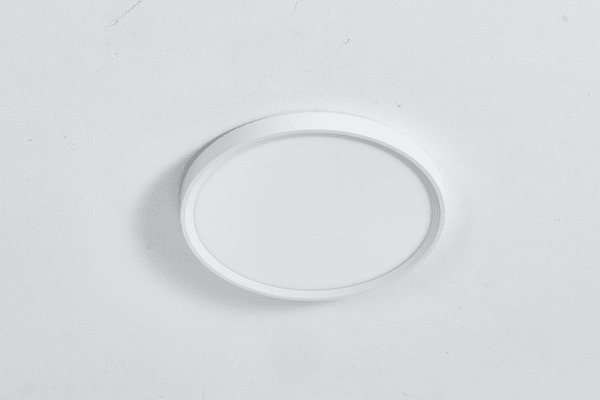
Choosing the right brand involves more than just a name. It requires a deep dive into the technical specifications that define a fixture's performance. This section breaks down the key metrics, from brightness and efficiency to color accuracy and smart flexibility, to show how the top brands stack up against one another.
Brightness and Efficiency (Lumens per Watt)
The two most fundamental metrics for any light source are brightness (measured in lumens) and efficiency (measured in lumens per watt, or lm/W). A high lm/W rating indicates that a fixture produces significant light while consuming minimal energy. This balance is crucial for both performance and long-term cost savings.
Top Performers for Brightness
Sheer brightness is essential for task lighting and large spaces. Brands achieve high lumen output through advanced LED chip technology and superior thermal management. Some specialized manufacturers lead in this area. For example, Beauty STC Group's 4-inch recessed downlights can deliver between 750 and 900 lumens while drawing only 6.5 to 8.0 watts of power. Integrated constant-current drivers ensure this brightness remains stable even with voltage fluctuations, providing consistent illumination. While professional brands like Juno also deliver high-lumen packages, consumers can find excellent performance from a range of manufacturers focused on output.
Most Energy-Efficient Brands
An efficient fixture provides powerful light without driving up electricity bills. In 2026, leading brands offer impressive energy-efficient solutions. Cree Lighting and Philips Hue often lead the pack in high-bay and commercial applications, demonstrating their technological prowess. For residential downlights, the competition remains tight, with each brand optimizing for different goals.
Brand | Product Type | Lumens per Watt (lm/W) | Notes |
|---|---|---|---|
Philips Hue | Smart Downlights | ~80-90 lm/W | Balances smart features with good efficiency. |
Cree Lighting | Premium Downlights | ~90-100 lm/W | Focuses on high-quality, efficient light output. |
Lithonia | WF6 LED Wafer | ~80-89 lm/W | Offers strong value with solid efficiency metrics. |
Cree Lighting builds its reputation on high-performance LEDs that prioritize long-term savings. Philips Hue integrates impressive efficiency into its smart products. Lithonia Lighting provides a great mix of affordability and reliability, making it a practical choice for large-scale installations.
Color Rendering Index (CRI) and Accuracy
Color Rendering Index (CRI) measures a light source's ability to reveal the true colors of objects compared to a natural light source. A higher CRI makes everything from food and furniture to skin tones appear more vibrant and accurate.
Why 90+ CRI is the 2026 Standard
In previous years, a CRI of 80 was considered acceptable. By 2026, a 90+ CRI is the established standard for quality residential lighting. This shift reflects consumer demand for better light quality that enhances home interiors. Many brands now meet this benchmark. Manufacturers like Beauty (STC) Manufacturing Co., Ltd. specify a CRI above 90 as a standard for their premium recessed lines, ensuring high spectral quality. Similarly, brands such as WAC Lighting and Bioluzled prominently feature downlights with a CRI of 90 or higher, confirming this as the new expectation for modern recessed ceiling light fixtures.
Brand Comparison for Color Purity
While many brands offer 90+ CRI, some excel at rendering specific colors. Cree Lighting remains the undisputed leader in overall color purity.
Expert Insight: Cree's advantage lies in its high R9 value, a metric measuring how accurately a light source renders deep reds. With a typical CRI of 95 and an R9 of 85, Cree downlights make wood grains and skin tones look exceptionally rich and natural.
Many designers and lighting professionals who have observed fixtures side-by-side state a clear preference for Cree's color rendition and light distribution over competitors like Juno. This makes Cree the top choice for kitchens, art displays, and high-end retail spaces where color is paramount.
Color Temperature (CCT) Flexibility
Correlated Color Temperature (CCT) describes the color appearance of the light, from a warm, cozy glow (2700K) to a cool, energizing daylight (5000K+). Modern downlights offer unprecedented flexibility in this area.
Brands with the Best Tunable White
Tunable white technology allows users to adjust the CCT of their lights dynamically via an app or smart controller. This feature is central to human-centric lighting, which syncs indoor light with natural daylight patterns.
Philips Hue: The clear champion in this category. Its White Ambiance downlights offer a seamless tuning range from a warm 2200K to a cool 6500K, all controlled through the robust Hue app.
Halo Home: This system also provides excellent tunable capabilities, typically from 2700K to 5000K. It offers a strong, accessible alternative to Hue for smart home enthusiasts.
The Rise of Switchable White Fixtures
For those who do not need dynamic control, switchable white offers a practical and cost-effective solution. These fixtures feature a small physical switch on the housing, allowing an installer or homeowner to select a fixed CCT. This feature has become a favorite among contractors for its versatility. Lithonia Lighting is a leader in this space, offering fixtures that reduce the need to stock multiple products. Its popular presets often include:
3000K (Soft White)
4000K (Cool White)
5000K (Daylight)
This simple innovation provides customization without the complexity or cost of a full smart system, making it ideal for renovations and new builds alike.
Smart Home Integration and Connectivity
A lighting fixture's intelligence is now as important as its illumination. In 2026, seamless connectivity defines the user experience, transforming simple downlights into dynamic components of a connected home. The right smart features provide convenience, automation, and enhanced control.
Matter-Ready Brands for 2026
The Matter smart home standard has revolutionized connectivity, creating a unified language for devices to communicate. This eliminates ecosystem lock-in and simplifies setup. Homeowners no longer need to worry if their lights will work with their voice assistant. Several leading brands have fully embraced this standard for their recessed downlights.
GE Cync Reveal HD+ Wafer Smart LED Downlight
Nanoleaf Matter Ultra Slim 4-inch Recessed Downlight
WiZ Connected 6-inch Slim Color Downlight
These Matter-certified products guarantee interoperability, offering a future-proof investment for any smart home.
Ecosystem Compatibility (Alexa, Google, HomeKit)
Thanks to Matter, compatibility with major ecosystems is nearly universal among top brands. Whether you use Amazon Alexa, Google Assistant, or Apple HomeKit, you can control your recessed ceiling light fixtures with simple voice commands. This universal compatibility shifts the focus from the ecosystem to the unique features each brand offers. Philips Hue, for example, leverages Matter for basic control while reserving advanced automations for its own platform.
Brands with Proprietary App Control
While Matter handles universal commands, the best smart lighting experience often comes from a brand's own application. Proprietary apps unlock a device's full potential.
App Spotlight: Philips Hue The Hue app remains the gold standard. It offers deep customization, including creating complex scenes, syncing lights with media, and setting up advanced circadian rhythm automations. These features go far beyond the simple on/off and brightness controls offered by third-party ecosystem apps.
Brands like HALO Home and GE Cync also provide robust apps that enable users to group lights, schedule timers, and fine-tune color settings, delivering a richer and more personalized experience.
Dimming Performance and Compatibility
The ability to adjust brightness is a fundamental feature of modern lighting. However, not all dimming is created equal. Superior performance means smooth, continuous dimming without any flicker, buzz, or sudden drops in light level. This is a key indicator of quality engineering in recessed ceiling light fixtures.
Flicker-Free Dimming Leaders
Flicker is a common issue with low-quality LED downlights, causing eye strain and headaches. Leading brands invest heavily in driver technology to ensure a flawless dimming experience.
Halo (Eaton): This brand is widely recognized for its exceptionally smooth and flicker-free dimming capabilities, often down to very low light levels.
Nora Lighting: Nora's premium downlights deliver consistent, smooth dimming down to 5% brightness.
Amico: A popular choice for value, Amico also provides reliable dimming performance down to 5%, making it a strong contender.
The reliability of a fixture's dimming curve is a critical factor for creating comfortable and functional living spaces.
Ensuring Dimmer Switch Compatibility
A high-quality recessed fixture is only half of the equation. The dimmer switch itself plays a crucial role. Incompatibility between the dimmer and the LED driver can lead to poor performance.
Dimmer Type | Compatibility | Best Use Case |
|---|---|---|
Leading-Edge (Incandescent) | Often incompatible | Legacy systems; not recommended for new LEDs. |
Trailing-Edge (ELV/LED+) | Widely compatible | The modern standard for most LED downlights. |
0-10V Dimming | Commercial-grade | Used with specialized fixtures for precise control. |
Pro Tip: Always check the manufacturer's compatibility list before purchasing a dimmer. Brands like Lutron, Leviton, and Eaton provide extensive lists that match their dimmer models with specific LED fixtures. This simple step prevents headaches and ensures your new lights perform perfectly.
Buyer's Guide: Selecting the Right Brand for Your Project
Selecting the right brand requires understanding your project's specific needs. The choice between a remodel and new construction fundamentally changes your options. Room function also dictates the ideal features for your recessed downlights.
Remodel vs. New Construction
The state of your ceiling—whether it is open or finished—is the first major decision point. This determines the type of fixture you can install.
Best Canless Options for Remodels
Canless downlights offer a major advantage for renovation projects. These all-in-one units are incredibly thin and easy to install into existing drywall. Installers simply cut a hole and secure the fixture with spring-loaded clips. Brands like Lithonia and Halo excel in this category.
Feature | New Construction Housings | |
|---|---|---|
Installation | Requires small hole, held by spring clips | Installed before drywall, secured to joists |
Components | All-in-one unit (LED, driver, housing) | Separate housing, then trim/bulb |
Ceiling Cavity | Ultra-thin, fits shallow cavities | Requires more space |
Project Type | Remodels, finished drywall, retrofit | New construction, exposed joists |
Top Housing-Based Systems for New Builds
New construction projects with exposed joists allow for housing-based systems. Installers secure these housings directly to ceiling joists before the drywall goes up. This method provides robust support and a wider variety of trim and design options. Brands like Juno and Halo are industry standards for these more permanent installations.
Choosing by Room Application
Different rooms have different lighting requirements. Matching the fixture's capabilities to the room's function is essential for a successful lighting plan.
Kitchens and Bathrooms (High CRI & Damp-Rated)
These task-oriented spaces demand clear, accurate light. High CRI downlights are critical for judging food ripeness or applying makeup. The light should be bright and clean.
Room
Recommended CRI
Recommended CCT
Key Feature
Kitchen
90+
3100K–4500K
High brightness for tasks
Bathroom
90+
3100K–4500K
Damp-rated for moisture
Living Rooms and Bedrooms (Tunable & Dimmable)
Comfort and ambiance are priorities in living areas. Tunable white downlights allow you to shift from cool, energizing light during the day to a warm, cozy glow in the evening (2000K–3000K). Smooth, flicker-free dimming is a must-have feature for creating a relaxing atmosphere.
Hallways and Basements (Value & Efficiency)
These areas often require numerous fixtures, making cost and efficiency primary concerns. Brands like Lithonia provide excellent energy-efficient solutions that offer reliable performance without a premium price tag. A simple, efficient fixture is often the best choice for these functional spaces.
Installation and DIY-Friendliness
The ease of installation varies significantly between recessed lighting types. Some are designed for quick DIY projects, while others require professional expertise.
Brands with the Easiest Installation
Canless LED downlights are the clear winners for DIY-friendliness. Their integrated design and simple spring-clip mechanism make installation fast and straightforward. Brands like Ensenior and Amico are also popular for their user-friendly designs.
When to Hire a Professional
While some installations are simple, certain situations demand a licensed electrician.
Running new wiring to a fixture location.
Installing a new circuit to support additional lights.
Working with complex housing-based systems in new construction.
Addressing any uncertainty about your home's existing electrical work.
Exploring Other Notable Brands for 2026
While the top-tier brands dominate the market, several other manufacturers offer specialized solutions that excel in specific niches. These notable brands provide unique value in design, longevity, and compact applications.
WAC Lighting: The Innovator in Design
WAC Lighting carves out its space in the high-end architectural market. The brand prioritizes aesthetics and clean lines, making it a favorite among interior designers and architects.
Architectural and Aesthetic Focus
WAC Lighting treats recessed fixtures as integral design elements. The company focuses on minimalist and trimless designs that blend seamlessly into a ceiling for a clean, modern look. Its products often feature:
Premium materials like die-cast aluminum.
Sophisticated finishes beyond standard white.
Discreet, low-glare apertures.
This focus on aesthetics allows designers to create layered, visually appealing lighting schemes without distracting hardware.
High-End Performance Features
Design does not come at the expense of performance. WAC integrates advanced technology to deliver exceptional light quality. The brand is known for its precision optics, which shape light with minimal spill or glare. Its fixtures consistently offer a high CRI and excellent color consistency, ensuring that the light enhances the architecture it illuminates.
Ensenior: The Leader in Lifespan
Ensenior has built a strong reputation among homeowners for its durable and long-lasting products. The brand focuses on delivering reliable performance with an impressive operational life.
Ultra-Thin Designs and Longevity
Ensenior specializes in ultra-thin, canless LED downlights that are easy to install. Its key selling point is longevity. Many of its products are rated for 50,000 hours of use, which translates to decades of service for the average household. This robust construction makes its fixtures a "set it and forget it" solution. These efficient fixtures reduce the need for frequent replacements.
Value Proposition for Homeowners
The brand's value proposition is straightforward: reliability at an accessible price. Homeowners choose Ensenior for its dependable performance and the peace of mind that comes with a long-lasting product. While it may not offer the advanced features of premium brands, it delivers excellent core functionality for everyday use.
TORCHSTAR: The Specialist for Small Spaces
TORCHSTAR excels at providing lighting solutions for tight and unconventional spaces where standard fixtures will not fit. The brand offers a range of compact and specialized products.
Compact and Slim Fixture Solutions
TORCHSTAR is the go-to brand for low-profile lighting. It manufactures some of the slimmest downlights on the market, making them ideal for ceilings with minimal clearance due to pipes, ducts, or joists. These compact fixtures solve common installation challenges in older homes and complex renovations.
Niche Applications and Accent Lighting
The brand's small-format products are perfect for niche applications.
Application Idea: Use TORCHSTAR's 3-inch gimbal downlights inside built-in bookshelves or display niches to create dramatic accent lighting. Their adjustable heads allow you to direct the brightness precisely where it is needed.
These specialized fixtures provide functional task and accent lighting in areas like under cabinets, over wet bars, and in tight hallways, proving that great lighting can fit anywhere.
Choosing among the top led recessed lighting brands requires matching a brand's strengths to your project. The 2026 market offers clear leaders for specific needs.
Philips Hue provides the most integrated smart home experience, making it a top choice for smart lighting.
Cree Lighting delivers unparalleled color accuracy for critical applications.
Lithonia Lighting offers the best value for large-scale renovations.
Juno and Halo remain the professional standards for new construction.
Ultimately, the best led recessed lighting brands are those that align with your specific goals, from smart features to budget.
FAQ
What is the difference between canless and can lights?
Canless lights are thin, all-in-one fixtures ideal for remodels. They install directly into drywall. Can lights use a separate housing installed between ceiling joists. This traditional system is best for new construction projects and offers more trim options.
What does CRI mean for my lights?
CRI stands for Color Rendering Index. It measures a light's ability to show object colors accurately. A CRI of 90 or higher is the 2026 standard. High-CRI lights from brands like Cree make food, decor, and skin tones appear vibrant and natural.
How many recessed lights do I need for a room?
A general rule helps determine placement.
Spacing Formula: Divide the ceiling height by two. This number is the recommended distance between each fixture. For an 8-foot ceiling, place lights approximately 4 feet apart. Adjust this based on room use and fixture brightness.
Can I install smart recessed lights myself?
Yes, many smart retrofit and canless downlights are DIY-friendly. They fit into existing housings or holes. However, running new electrical wiring or installing a new circuit always requires a licensed electrician for safety and code compliance. 💡
What is the best color temperature for a kitchen?
Kitchens benefit from neutral to cool light for task visibility. A color temperature (CCT) between 3000K (Soft White) and 4000K (Cool White) is ideal. This range provides bright, clean light for food preparation without feeling too harsh or clinical.
Why do my LED lights flicker when dimmed?
Flickering often results from an incompatible dimmer switch. LED fixtures require modern ELV or LED+ dimmers. Old incandescent dimmers cannot properly regulate the power. Always check the fixture manufacturer's approved dimmer list before purchasing a switch.
Are expensive recessed lights worth the cost?
Premium brands like Juno or Philips Hue justify their cost with superior performance. You pay for enhanced durability, better color accuracy, advanced smart features, and flicker-free dimming. For high-end projects, the investment ensures a flawless, long-lasting result.
See Also
Top-Rated LED Ceiling Lighting Solutions for Modern American Homes 2026
Unveiling Contemporary LED Ceiling Lighting Designs: What's New in 2026
Discovering the Foremost Modern LED Ceiling Light Designs for Your Space
LED Versus Traditional Ceiling Lights: A Comprehensive Comparison for Homeowners