CRI Explained: Why Color Rendering Matters in LED Lighting
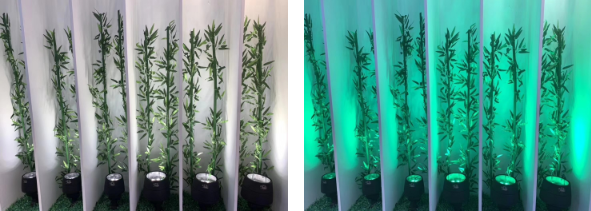
Two LED bulbs shine with the same brightness. One fills the room with warm, natural light. The other makes every color look gray and dull. The difference comes down to color rendering. Color rendering matters because it decides how natural and true colors look under a light. CRI, or Color Rendering Index, is the number behind this difference. This measurement tells people how well a light shows the real colors of objects. Knowing CRI changes how shoppers pick LED Lighting for their homes and workspaces. A high CRI makes wood floors glow, food look fresh, and skin tones look healthy. A low CRI does the opposite.
Key Takeaways
CRI measures how true colors look under a light, with 100 being natural daylight.
High CRI (90+) makes skin, food, and rooms look vibrant and welcoming.
Choose CRI 90+ for living spaces and CRI 95+ for color-critical tasks.
Check the CRI label on the box to pick the right LED for each room.
High CRI reduces eye strain and boosts mood and productivity.
What Is CRI and How Does the Scale Work?
CRI in Plain English
CRI stands for Color Rendering Index. This number shows how true colors look under a light. Scientists compare each light to natural daylight. Daylight is the perfect example. It shows colors just as they are in nature.
Think of CRI like a lens that shows colors. A good lens gives a clear picture. A bad lens makes the picture blurry. In the same way, a high CRI light makes colors look bright and real. A low CRI light makes colors look flat or odd. This affects everything from skin to food. A face can look healthy under one light but pale under another.
The scale goes from 0 to 100. A score of 100 equals natural daylight. This score means colors are as true as possible. Lower scores mean colors look less correct. At low CRI, colors can look faded or wrong. The test uses eight standard color samples. The light shows each sample. Experts then average the results to get a final score. This scientific method gives buyers a trustworthy number.
Reading the 0–100 Scale
A CRI of 100 matches natural sunlight perfectly. Incandescent bulbs also score near 100. For normal home use, a CRI of at least 75 is okay. At this level, colors look fine but not vibrant. Most standard bulbs fall into this range. This level works for hallways, garages, and utility rooms. People use these spaces for short times.
For tasks that need color accuracy, experts suggest CRI 90 or higher. At 90+, colors look bright and true. Skin tones look healthy. Food looks fresh and tasty. Artwork shows its real colors. This level is good for bedrooms, living rooms, and dining areas. People notice the difference right away. A room with 90+ CRI feels more welcoming.
Finding high-CRI LED Lighting to replace incandescent bulbs takes effort. Many standard LEDs have CRI around 80. This level works for basic tasks but not for detail work. Shoppers must check the CRI rating on the box. Some brands now offer 90+ CRI options for homes. These bulbs cost more but give better quality.
The difference between CRI 80 and CRI 90 is clear in side-by-side tests. A room with CRI 80 looks okay but lacks life. The same room with CRI 90 feels warm and lively. Colors pop and textures stand out. This difference matters most in spaces where people spend time. Paying more for higher CRI is worth it every day.
CRI is an important measure for judging LED Lighting quality. Knowing this scale helps buyers make smarter choices for their rooms. A simple number on the box tells a lot about the lighting experience.
Why Color Rendering Matters in LED Lighting
Skin Tones, Food, and Mood
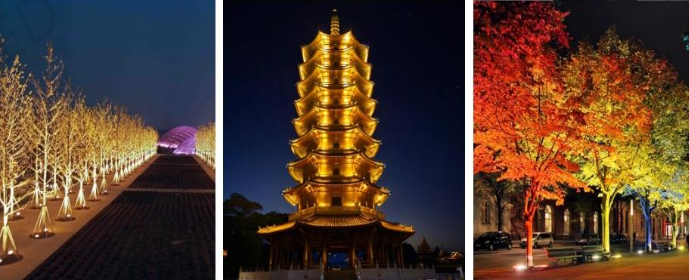
Color rendering shapes how people see the world around them. A low-CRI source makes colors dull or distorted; a high one makes them natural. This effect shows up in everyday materials. Wood, fabric, artwork, food, cosmetics, and decorative finishes all change under poor color rendering. These items can look dull, flat, or somewhat different from how they appear in daylight.
Skin tones suffer first. A face under a low-CRI bulb can look pale, gray, or even sickly. The same face under a high-CRI bulb looks healthy and warm. Food tells a similar story. A steak under poor light looks brown and tired. Under good light, it looks rich and appetizing. Fresh vegetables lose their bright greens under low CRI. They look faded and old.
Mood follows appearance. A room filled with dull, gray light feels cold and unwelcoming. A room with vibrant, true colors feels warm and inviting. People notice this difference even when they cannot name it. They simply feel better in one space than another. Natural-looking light improves mood and well-being. It makes a home feel like a place worth spending time in.
When Accuracy Really Matters
Some tasks demand exact color. A dentist matches tooth shades under light. A wrong match means a crown that does not blend. A makeup artist applies foundation that must match skin in daylight. A photographer edits images that clients will view in many settings. An artist mixes paints that must look right on a gallery wall. A retail display shows products that customers need to see as they truly are.
For color-sensitive work such as graphic design, artwork, and photography, CRI90+ is preferable where available. The table below shows what high CRI delivers across different settings.
Aspect | Documented effect |
|---|---|
Aesthetics and color rendering | CRI95 gives colors that appear vibrant, natural, and free from distortion; it reproduces daylight-like, true-to-life tones |
Display applications | Precise color rendering helps reveal fine details, making it suitable for galleries, showrooms, boutiques, and jewelry stores |
Visual comfort | Flicker-free operation provides better visual comfort |
Ambience | Warm color temperatures such as 2700K and 3000K support cozy, warm, comfortable, or relaxing premium environments |
The benefits reach beyond appearance. In retail stores, accurate color helps customers trust what they see. A shirt that looks red in the store should look red at home. In workplaces, good color rendering reduces eye strain and helps workers judge materials correctly. Natural-looking light can boost productivity. It also makes spaces feel more welcoming. For anyone choosing LED Lighting, color quality deserves the same attention as brightness.
How to Choose the Best LED Lighting for Color
CRI Values Worth Buying
Shoppers who want true colors should begin with one number. Lighting experts give clear advice for homes:
Pick light bulbs with a color rendering index (CRI) of 90 or higher.
That level covers most home needs. Bedrooms, living rooms, and dining areas all do well with CRI 90+. Colors look normal, skin looks healthy, and wood furniture keeps its warm look. A CRI 80 bulb is fine in a hallway, a closet, or a garage. People walk through those spots fast and hardly notice color there. Kitchens and bathrooms need better light. Cooking food and putting on makeup both rely on seeing colors correctly.
Some jobs need even more exact color. Makeup artists, photographers, artists, and dental workers should look for CRI 95 or higher. At that level, colors look bright and free from distortion. High-CRI LEDs give these results for a little more money than standard bulbs. The upgrade pays off in daily comfort and in work that depends on color.
Myths and Comparison Tips
A few myths confuse buyers. The first myth says brighter light means better color. Lumens measure brightness, not color quality. A bulb can fill a room with light and still make every color look gray. The second myth treats color temperature as the same thing as CRI. These are separate measurements, and the table below shows the difference.
Aspect | Color Temperature (CCT) | Color Rendering Index (CRI) |
|---|---|---|
Definition | Describes whether white light appears warm, neutral, or cool. | Describes how accurately a light source reveals colors compared to a reference source. |
Measurement | Measured in Kelvin (K), e.g., 2700K (warm), 4000K (neutral), 5000K+ (cool). | Scored from 0 to 100; higher values indicate better color fidelity. |
What it indicates | The general visual appearance of the light, not color accuracy. | The quality of color rendering – how natural objects, skin tones, and materials look. |
Practical example | Two lamps both labelled 3000K can render skin tones, fabrics, and artwork very differently. | A lamp with CRI 80+ renders colors adequately for general use; CRI 90+ is needed for color-sensitive tasks. |
Selection rule | Choose CCT based on atmosphere and desired mood (e.g., warm for bedrooms, cool for offices). | Choose CRI based on need for accurate color perception; it is independent of CCT. |
A common mistake is thinking that neutral 4000K lighting always gives better color accuracy. It does not. A 4000K bulb can have CRI 80 or CRI 90, and the two show materials in different ways. For color-sensitive work, check both values: CCT sets the mood, and CRI sets the color quality.
Good shopping habits help. Buyers should check the CRI label on the box before they compare wattage. They should compare bulbs side by side in the store when they can. They should also recall that the published CRI is an average across test colors, so two bulbs with the same score can still differ on certain hues. High-CRI options bring real benefits:
Enhanced color accuracy: High CRI LEDs show colors correctly, creating a bright and true-to-life space.
Improved visibility: High CRI lighting boosts visibility and can cut eye strain and tiredness, especially for tasks that need exact color judgment.
Enhanced atmosphere: High CRI lighting helps create a more inviting mood, making spaces feel warmer and more welcoming.
These gains make the choice easy for most rooms. Match the CRI value to the purpose of the space, and the results will show every day.
Inside LIYINLED's Approach to Color Quality
Built for True-to-Life Color
LIYINLED is a professional LED lighting manufacturer that started in 2007. The company brings over 18 years of know-how to every project. It runs a 24,000 square meter facility and has more than 150 workers. In 2020, LIYINLED added a dust-free workshop to boost product quality and improve the work space. These investments support one goal: light that shows colors the way people expect to see them.
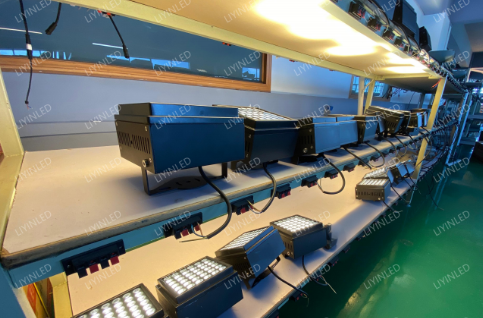
Quality control backs that goal. LIYINLED holds CE, ROHS, BIS, CB, ISO9001, and ISO140001 certifications. Complete testing systems cover aging, waterproof, and optical tests. Optical testing matters most for color work. It checks how each fixture renders tones before the fixture leaves the factory.
The product range serves color-sensitive spaces. The DOB LED Track Grille Light and DOB LED Track Linear Flood Light use die-cast aluminum housings with optional smooth or prismatic diffusion panels. The LED Recessed Grille Linear Spotlight offers anti-glare strip wall washing for architectural accents. The Modern Circular Round LED Ceiling Light provides triple color temperature dimming with smart control through a 2.4G remote and the Tuya App. The LED Solar Wall Washer Light gives outdoor spaces an eco-friendly option. Ultra-thin smart surface-mounted ceiling lights come in 18W to 70W models with CCT dip switches for living rooms.
Trusted for Global Projects
LIYINLED supports OEM and ODM services. Custom work covers product design, power, beam angle, LED source, color temperature, control systems, and packaging. Annual output exceeds US$30 million. That capacity lets the company serve distributors, contractors, and lighting partners around the world.
Completed projects show this reach. LIYINLED has delivered lighting for the Vietnam Cultural & Tourism Complex, Russia Moscow Urban Park, Vietnam High-Rise Office Building, and Konya Mosque in Turkey. Each site needed reliable LED Lighting with consistent color. The company's philosophy of speed, passion, belief, responsibility, sharing, and happiness guides this work. For buyers who care about color, LIYINLED shows that high color quality is achievable at scale.
CRI deserves the same attention as brightness and energy efficiency. Before buying any bulb, readers should check the CRI label on the box. They should match the value to the room's purpose. A CRI of 90 or higher works well for most homes. A CRI of 95 or higher suits makeup application, artwork, and photography. This one number guides smart choices.
With CRI, buyers hold real power. They can improve how their entire space looks and feels. Colors become vibrant. Skin looks healthy. Food appears fresh. Brands like LIYINLED prove that high color quality is achievable at scale. One simple number makes all the difference.
FAQ
What CRI do most homes actually need?
A CRI of 90 or higher covers bedrooms, living rooms, and dining areas. Hallways, closets, and garages work fine at CRI 80. Kitchens and bathrooms benefit from the higher value because cooking and grooming depend on seeing colors correctly.
Does a higher CRI mean the bulb looks brighter?
No. Brightness comes from lumens, not CRI. A bulb can flood a room with light and still make every color look gray. Shoppers should treat the two numbers as separate measurements and check both on the box.
Can two bulbs with the same CRI look different?
Yes. The published score is an average across eight standard test colors. Two bulbs with the same rating can still differ on certain hues, so a side-by-side comparison in the store reveals more than the label alone.
Which LIYINLED products suit color-sensitive spaces?
LIYINLED builds the DOB LED Track Grille Light, the DOB LED Track Linear Flood Light, and the LED Recessed Grille Linear Spotlight for architectural accents. The Modern Circular Round LED Ceiling Light adds triple color temperature dimming with smart control for indoor rooms.
Why trust LIYINLED for consistent color quality?
LIYINLED started in 2007 and now runs a 24,000 square meter facility with more than 150 workers and a dust-free workshop added in 2020. Certifications include CE, ROHS, BIS, CB, ISO9001, and ISO140001, backed by aging, waterproof, and optical testing.