Factory Lighting Solutions: How to Improve Productivity
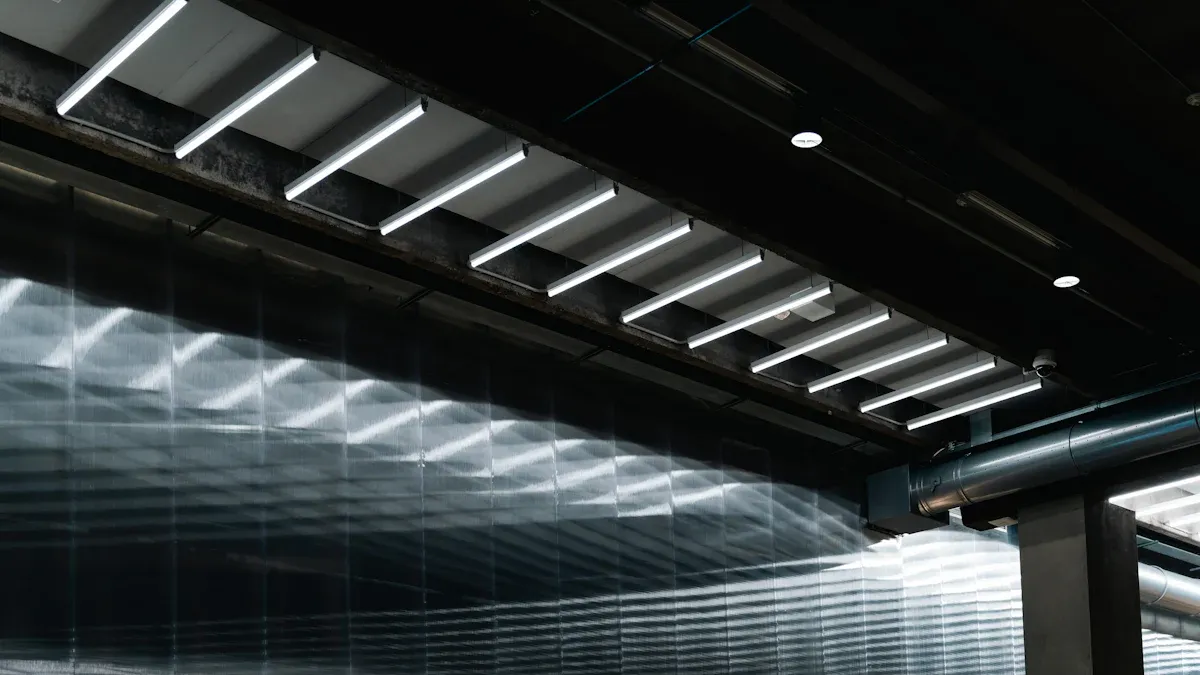
The factory floor is dark. Workers strain to see small parts. Mistakes add up, and by the middle of the shift, everyone feels tired. This same scene happens in plants everywhere, but the fix is easy. Factory lighting solutions directly boost productivity by improving visibility, reducing eye strain, and lifting morale. Studies show the right lighting can cut errors and rework. LIYINLED, a maker with over 19 years of experience, builds custom systems for these exact problems. This post explains how light affects output, which technologies work best, and how to start an upgrade.
Key Takeaways
Good lighting helps workers see better and make fewer mistakes.
LED lights with smart controls save energy and last longer.
Task lighting reduces eye strain and helps spot defects.
A lighting audit finds dark spots and saves money.
A balanced layout with ambient and task light boosts productivity.
Why Factory Lighting Solutions Matter for Productivity
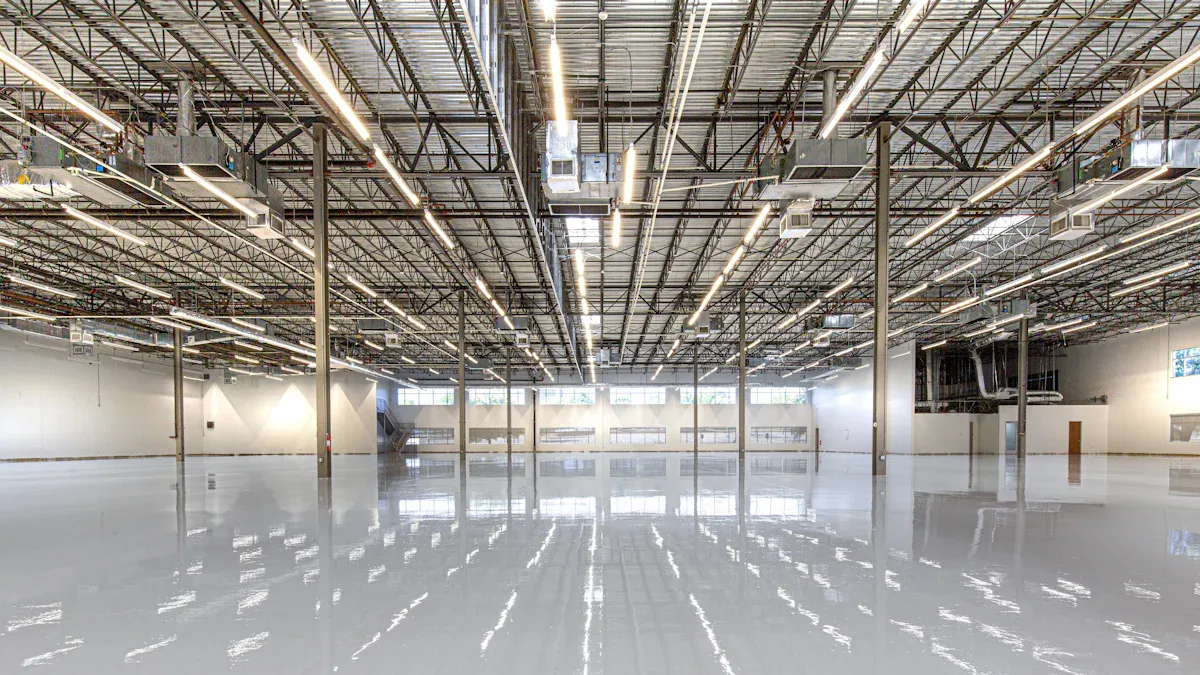
Light affects how people do their jobs. The human eye needs enough light to judge distance, read labels, and find flaws. Bad light makes the brain work harder. That extra effort uses up energy and slows down every task. Factory lighting solutions fix this problem at its source. They give workers the visual tools to do their best work.
Visibility and Error Reduction
Good visibility directly lowers mistakes. Task lighting makes small parts and fine details stand out. Even lighting removes shadows and dark spots that hide dangers. High-CRI lighting makes colors more accurate. This matters for tasks that depend on color, like sorting wires or matching paint. Reducing glare and using proper light levels ease eye strain. Tired eyes cause more errors. Inspection lighting catches flaws before products move on. Each improvement speeds up work and cuts rework.
The numbers back this up. A 2010 LumaStream study found that high-quality LED lighting boosted performance on all visual and cognitive tasks by 8.3 percent. Workers see better, decide faster, and make fewer mistakes.
Combating Fatigue with the Right Color Temperature
Color temperature affects how alert you feel. Cool white light in the 4000K to 5000K range is like morning daylight. This light spectrum blocks melatonin, the hormone that makes people sleepy. Factories that use this range help workers stay sharp during long shifts. For precision tasks, 6500K daylight further reduces eye strain and improves focus.
Flicker matters too. Solid-state internal drivers give flicker-free performance. This technology greatly lowers eye fatigue and stops migraines. A related study showed that well-chosen LED fixtures improved employee moods by 33 percent and raised work efficiency by 5.76 percent. Better mood and less fatigue keep output steady all day.
LED and Smart Controls for Productive Factory Lighting Solutions
Modern factories need more than just basic light. They need systems that save energy, last for years, and change with the work. LED technology with smart controls gives all three. These tools turn simple lighting into a smart investment for any factory.
Key Features of Modern Factory Lighting Solutions
LED fixtures beat older lighting in every way you can measure. The table below shows the main benefits.
Measurable Benefit | LED Advantage (vs Traditional) |
|---|---|
Lifespan (vs incandescent) | Up to 25 times longer |
Energy savings (overall) | Up to 85% less energy consumed |
Energy savings (specific) | Up to 75% less vs incandescent/fluorescent |
Maintenance cost | Fewer replacements and lower labor costs |
These numbers mean real savings. A factory that switches to LED cuts its lighting bill by a lot. The long lifespan means fewer replacements and less downtime. LED lighting also turns on right away without flickering and gives steady, comfortable light. Workers feel more sure of themselves and work faster, which boosts productivity.
Smart controls make LED systems even stronger. Motion sensors turn lights on only when needed. Dimming features adjust brightness for different tasks. Remote control systems let managers change settings from anywhere. LIYINLED, a maker with over 19 years of experience, offers advanced control options. Their products support 2.4G remote control with a stable range of up to 30 meters. They also work with the Tuya Smart app for remote management, scheduling, and energy monitoring. Voice control through Amazon Alexa and Google Assistant adds hands-free ease.
LIYINLED runs a 24,000 square meter facility with more than 150 skilled workers. The company set up a dust-free workshop in 2020 to ensure better product quality. Their certifications include CE, ROHS, BIS, CB, ISO9001, and ISO14001. These credentials prove that LIYINLED meets international safety and quality standards. Factories that choose LIYINLED get reliable products backed by strict testing.
Task Lighting for Precision Workstations
Precision work needs focused, high-quality light. General overhead lighting often leaves shadows on workbenches. Task lighting fixes this problem by placing bright, even light right where workers need it. This approach reduces eye strain and helps workers spot defects right away.
LIYINLED offers several products that are great for task lighting. Their track lights provide adjustable, directional illumination for inspection stations. The recessed panels deliver uniform light across work surfaces without glare. Both products feature anti-glare designs and high color rendering. Workers see true colors and fine details with ease.
Smart controls make task lighting even better. Workers can adjust brightness and color temperature to match specific jobs. The Tuya app allows supervisors to set different lighting scenes for different production phases. This flexibility keeps eyes comfortable and focused throughout the shift. Proper task lighting combined with smart controls creates a workspace where quality and speed go hand in hand.
A Step-by-Step Guide to Implementing Your Upgrade
A good lighting upgrade follows a clear plan. Factory managers should first do an audit. Then they design a layout that fits the work. This section explains both steps.
Conducting a Facility Lighting Audit
An audit shows where light is not good enough. It finds dark spots, glare sources, and areas with uneven light. The process has four main stages.
Preliminary Analysis – The auditor looks at past utility bills, building plans, and operational data. This step shows usage patterns and warning signs.
On-Site Inspection – A detailed walkthrough checks lighting fixtures, controls, electrical systems, and how people use the space.
Data Measurement and Testing – Professional tools like thermal imaging cameras, power meters, and light sensors find hidden waste.
Reporting and Recommendations – The auditor gives a report with priority areas, estimated cost savings, ROI timelines, and suggested upgrades.
This clear approach gives managers useful data. They know which areas need better light and which fixtures waste energy.
Designing a Balanced Lighting Layout
A good layout uses three types of light. Ambient lighting gives overall light for the space. Task lighting puts bright, even light on workbenches and inspection stations. Accent lighting highlights certain areas or adds visual contrast. Together, these layers create a workspace where eyes stay comfortable and focused.
Working with an experienced manufacturer makes this step easier. LIYINLED, a professional LED lighting maker established in 2007, offers OEM and ODM services. The company supports custom designs in power, beam angle, LED source, color temperature, control systems, and packaging. Their 24,000 square meter facility and more than 150 skilled workers handle stable mass production. A dust-free workshop, set up in 2020, ensures superior product quality. Certifications including CE, ROHS, BIS, CB, ISO9001, and ISO14001 prove their commitment to international standards.
Factory managers can ask: what customization can this factory provide? LIYINLED tailors products to match specific needs. For task lighting, their track lights offer adjustable, directional illumination. Their recessed panels deliver uniform light without glare. Both products feature anti-glare designs and high color rendering.
Real project experience shows their expertise. LIYINLED has lit the Vietnam Cultural and Tourism Complexes, Russia Moscow Urban Park landscapes, Vietnam high-rise office buildings, and Turkey's Konya Mosque. These projects show skill in architectural lighting for commercial buildings and outdoor spaces. Factories that choose LIYINLED get reliable factory lighting solutions backed by proven performance.
A balanced layout also uses smart controls. The Tuya app lets supervisors set different lighting scenes for different production phases. Motion sensors turn lights on only when needed. This flexibility keeps eyes comfortable and saves energy throughout the shift.
Factory lighting solutions rest on three pillars. First, understanding how light affects visibility, fatigue, and morale. Second, choosing LED technology with smart controls. Third, following a structured plan from audit to balanced layout. This upgrade is not an expense. It is an investment in productivity and worker well-being. LIYINLED, with a 24,000 square meter factory and proven projects like the Konya Mosque, offers free consultations and custom lighting plans. A brighter factory is a more productive factory. Start your upgrade today.
FAQ
How much energy can a factory save with LED lighting?
LED lights use up to 85 percent less energy than older kinds. They also last up to 25 times longer than incandescent bulbs. These two things lower both power bills and repair costs.
What color temperature works best for factory floors?
Cool white light from 4000K to 5000K is like morning daylight. This range blocks melatonin and helps workers stay awake. For detailed tasks, 6500K daylight lowers eye strain even more. Flicker-free drivers also stop headaches and tiredness.
What customization capabilities does the factory offer?
LIYINLED gives full OEM and ODM services. Factories can customize design, power, beam angle, LED source, color temperature, control systems, and packaging. The company's 24,000 square meter facility and 150+ skilled workers handle steady mass production. A dust-free workshop keeps quality high.
Can you share some real cooperation case experiences?
LIYINLED has lit the Vietnam Cultural and Tourism Complexes, Russia Moscow Urban Park landscapes, Vietnam high-rise office buildings, and Turkey's Konya Mosque. These projects show skill in architectural lighting for commercial buildings and outdoor spaces. Factories get proven performance from these finished installations.
Do smart controls really improve factory productivity?
Yes. Motion sensors turn lights on only when needed. Dimming adjusts brightness for different tasks. The Tuya app lets supervisors set lighting scenes for each production phase. Smart controls keep eyes comfortable and focused while cutting energy waste.