Grille Spotlight vs Traditional Track Spotlight: Differences and Advantages
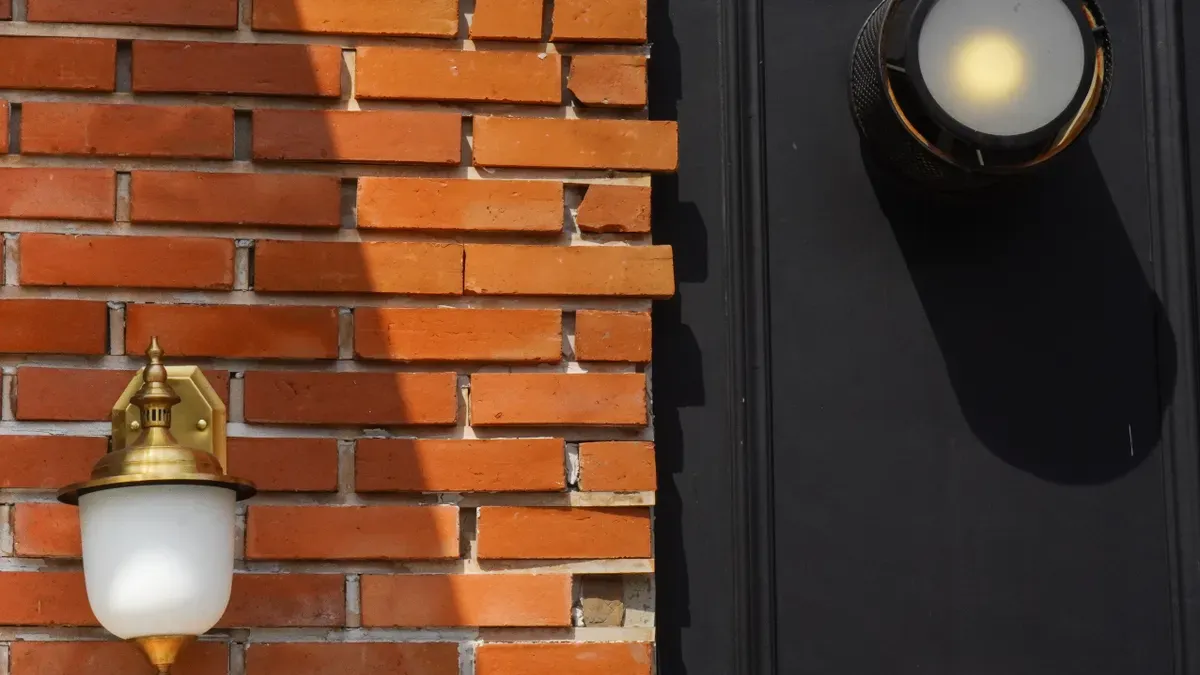
A homeowner stands in the lighting aisle, looking at two very different ceiling lights. One has sleek, recessed grilles with magnetic mounts. The other has classic tracks with adjustable bulbs. Which spotlight system fits their space best? This choice affects more than just looks. It changes how hard installation is, safety, and long-term energy costs. Grille spotlights offer a modern, minimalist look and run on low voltage. Traditional track spotlights give easy flexibility and lower starting prices. Knowing these differences helps buyers pick with confidence. This guide compares Grille Spotlight vs Traditional Track Spotlight on design, installation, safety, and value, so readers can choose well for their homes or businesses.
Key Takeaways
Grille spotlights have a clean, simple look and use low voltage for safety.
Traditional track spotlights are flexible and cost less at first.
Grille spotlights work well with smart home systems and dim easily.
Traditional tracks are easier to put in and make swapping bulbs simple.
Pick grille spotlights if you want a modern look and save energy. Pick traditional tracks if you want a flexible option that fits your budget.
Grille Spotlight vs Traditional Track Spotlight: Defining the Contenders
What is a Grille Spotlight?
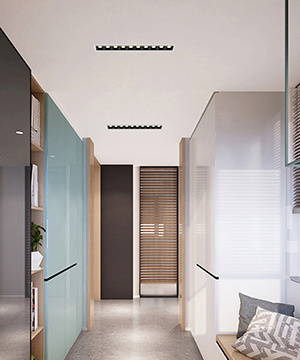
A grille spotlight uses a magnetic track system. This system has a recessed housing that sits flush with the ceiling. The grille attachment points light downward while hiding the light source. This design gives a clean, minimalist look that blends into the ceiling when not in use.
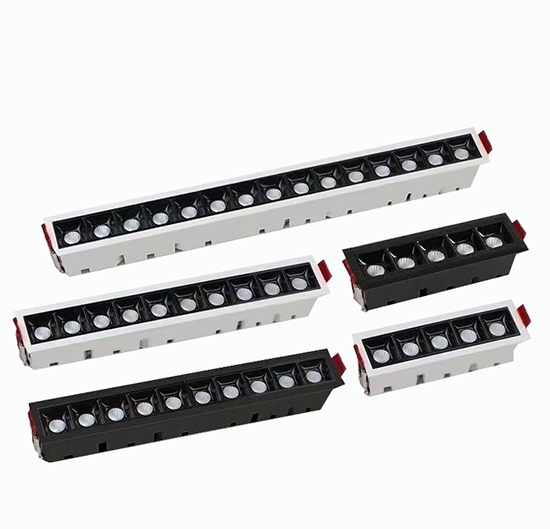
Liyin Lighting, a factory with years of experience in architectural lighting, makes the LED Recessed Grille Linear Spotlight APL-GL-01. This fixture shows modern lighting design. It uses DOB technology, which puts the driver directly on the board. This design improves heat dissipation and extends the product's lifespan. The anti-glare feature reduces eye strain, making it good for spaces where people spend long hours. The fixture delivers up to 100 lumens per watt, offering bright light with low energy use.
Customers often ask about suitable scenarios for this product. The APL-GL-01 works well in retail displays, art galleries, offices, and modern homes. It highlights products, artwork, or architectural features without harsh glare. Another common concern involves installation complexity. The fixture fits standard recessed housings, which makes the process easier. Buyers also worry about customization. Liyin Lighting offers options for color temperature, finish, and diffusion panels. Customers can choose smooth or prismatic panels to control light spread. The factory can adjust these elements to match specific project needs.
The grille design gives a sleek, integrated appearance. It does not stick out from the ceiling like traditional track heads. This makes it ideal for spaces where the ceiling design matters. The magnetic mounting allows easy repositioning of modules. Users can add or remove fixtures without tools. This flexibility supports changing lighting needs over time.
What is a Traditional Track Spotlight?
A traditional track spotlight system has a continuous rail with attachable fixtures. Electricians mount the track to the ceiling or wall. Users then clip or slide light heads onto the track. These heads can rotate and tilt to direct light exactly where needed.
The system runs on line voltage, typically 120V. This provides more power and does not need a transformer. Most residential track lighting uses line voltage. Some systems use low voltage, which needs a transformer to step down to 12V or 24V. For 12V systems, the maximum load is 300 watts per transformer. For 24V systems, it is 600 watts.
Key components include:
Powerfeed: connection point to the electrical supply
Connectors: L-connector, T-connector, X-connector for extending tracks
End connectors: complete the circuit at the track ends
Suspension kits: mounting hardware for ceilings
Fixtures: track heads, pendants, or spotlights
Track heads: aimable spotlights that direct light
Track types vary. Linear track gives a straight, continuous line for even illumination. Monorail uses a single bendable rail for custom shapes. Cable track uses thin tensioned cables for a minimalist look. Fixed track mounts directly to the ceiling or wall. Swing-arm track allows flexible positioning.
The simplicity of traditional tracks appeals to many buyers. Users can replace bulbs as needed. They can also swap fixtures to change the look. The system does not need a driver, which reduces complexity. Installation involves one connection point. This makes it easy for DIY projects.
Traditional tracks offer flexibility. Users can link tracks, bend them around corners, or recess them into the ceiling. Two-circuit systems allow independent control of two sets of lights on one rail. This supports different lighting scenes in one room.
This opening comparison in the Grille Spotlight vs Traditional Track Spotlight discussion gives readers a clear foundation for understanding the two systems.
Design and Aesthetics
The Sleek, Minimalist Look of Grille Spotlights
Grille spotlights give a clean look that fits into the ceiling. The fixture sits even with the ceiling line. This design hides the light source behind a grille face. The result is a smooth, unbroken ceiling surface. Modern rooms benefit from this tidy appearance. The fixture does not stick out or catch your eye when off.
The APL-GL-01 from Liyin Lighting offers custom options with diffusion panels. Users can pick smooth panels for a sharp, focused beam. They can choose prismatic panels for a softer, wider glow. This choice changes how light spreads across a room. Retail displays may need the focused option. Living areas often suit the diffused version. The aluminum body adds a high-quality feel. Its finish matches modern decor without standing out. This spotlight blends into architectural designs. It works well in galleries, offices, and upscale homes.
The Classic Versatility of Traditional Tracks
Traditional track spotlights have a different look. They sit below the ceiling surface. Their exposed fixtures become visible design elements. Users can place spotlights on either side of a room. This setup creates an interesting visual pattern. Track heads can point directly over dining tables or artwork. This targeted placement avoids overwhelming a space like a large chandelier might.
Matching track color to the ceiling makes the system less noticeable. White tracks blend into white ceilings. Sleek, one-color modern designs fit with contemporary interiors. Exposed ceilings offer a special chance. Tracks can hide within rafters while giving task lighting. This method removes the need for recessed cans.
Traditional tracks have some design limits. Older homes can be tricky to match. A poorly chosen track may look dated or out of place. It might not fit the home's architectural style. Drop ceilings reduce available height. Fixtures must fit within the ceiling cavity. Or they mount below without losing headroom. Careful layout and spacing spread light evenly. This planning prevents dark corners or too-bright spots. This Grille Spotlight vs Traditional Track Spotlight comparison shows two different design paths. Grille systems focus on minimalism. Traditional tracks highlight flexibility and visible design choices.
Flexibility and Installation
Magnetic Mounting vs. Manual Adjustment
The mounting system decides how easy it is to change a lighting layout. Grille spotlights use magnetic connections. Fixtures snap onto the track without any tools. Users can slide modules along the rail or take them off in seconds. This design lets people try different light positions quickly. A store owner can test new spotlight spots during a lunch break. No rewiring or drilling is needed for these changes.
Traditional track spotlights need manual adjustment. Each fixture attaches with screws or clips. Once installed, the head stays put unless someone loosens the hardware. Moving it takes effort and sometimes tools. The table below shows how these systems compare in real use.
Flexibility Aspect | Magnetic Mounting (Grille Spotlights) | Manual Adjustment (Traditional Tracks) |
|---|---|---|
Installation & Repositioning | Tool-free magnetic snap-on; modules can be moved or replaced freely in seconds | Screw mounting with mechanical contact; fixed once installed |
Reconfiguration Effort | No rewiring or drilling; complete layout change for a 200m² retail space achievable within 1 hour | Requires full day for equivalent layout change due to manual disassembly and reinstallation |
The time difference matters for businesses that update displays often. A boutique changing window arrangements weekly benefits from magnetic speed. A workshop with static lighting needs no such flexibility. The Grille Spotlight vs Traditional Track Spotlight choice here depends on how often the space will change.
Ease of Installation and Retrofit Options
Traditional tracks offer a simple starting point. Electricians connect one power feed to the rail. Then they clip fixtures onto the track. This process works well for new construction or open ceilings. Homeowners with basic electrical skills can handle the job with proper safety precautions.
Grille spotlights require recessed housings. The housing sits inside the ceiling cavity before the grille attaches. This step adds complexity to initial installation. However, the APL-GL-01 from Liyin Lighting fits standard recessed housings. This compatibility speeds up the process. Contractors can use housings they already stock. The fixture drops in without custom fabrication.
Retrofit scenarios favor grille spotlights in one key way. Existing recessed cans accept the APL-GL-01 directly. Users upgrade from older fixtures without tearing out the ceiling. Traditional tracks need new mounting points. The old track must come down first. Then installers patch holes and mount the new rail. This extra work increases cost and time.
For new builds, both systems install cleanly. The choice comes down to ceiling access. Spaces with open joists suit traditional tracks. Finished ceilings with recessed housings already in place favor grille spotlights. Each path offers a clear route to functional lighting.
Safety and Voltage
Low Voltage Systems in Grille Spotlights
Grille spotlights run on low voltage, usually 24V. This lower voltage cuts the risk of electrical shock. It makes these lights safer for homes with kids or pets. It also works well in damp areas like bathrooms or covered patios. Less energy flow means less heat builds up in the fixture. This protects the ceiling materials around the recessed housing.
The APL-GL-01 from Liyin Lighting uses DOB technology. DOB stands for Driver on Board. This design puts the driver right on the LED board. The setup spreads heat across a bigger surface area. Good heat dissipation keeps parts cool while running. Cooler parts last longer and work better. This safety feature matters in enclosed ceiling spaces where air cannot move freely.
Low voltage systems also guard the LEDs themselves. Steady current flow stops sudden power spikes. These spikes can harm sensitive electronic parts. The DOB design delivers power smoothly. Users get steady brightness without flicker or surges. This reliability lowers the chance of early failure.
Line Voltage and Safety Considerations in Traditional Tracks
Traditional track spotlights run on line voltage, usually 120V. This standard household voltage powers most home circuits. The system needs no transformer or driver. This simplicity makes setup easy. However, line voltage carries more energy than low voltage systems. Installers must follow proper safety steps during setup.
The higher voltage needs careful handling. Wires must connect tightly to prevent arcing. Loose connections create heat and pose fire risks. Users should turn off power at the breaker before adjusting fixtures. They should also check that track heads lock firmly into place. A loose head can create a poor electrical connection.
Traditional tracks accept various bulb types. LED track heads offer the safest option. They run cooler than halogen or incandescent bulbs. Halogen bulbs produce intense heat that can burn nearby surfaces. LED bulbs cut this risk significantly. They also use less energy while giving the same light output. This efficiency lowers operating temperatures throughout the system.
The Grille Spotlight vs Traditional Track Spotlight comparison shows different safety profiles. Grille systems offer built-in protection through low voltage. Traditional tracks need more attention during installation and maintenance. Both systems work safely when installed correctly. The choice depends on the user's comfort level with electrical work and the specific environment where the lights will operate.
Smart Control and Dimming
Integration with Smart Home Systems
Modern grille spotlights can easily connect to smart home networks. The APL-GL-01 from Liyin Lighting works with common protocols like Zigbee and Wi-Fi. Users control these lights with phone apps or voice assistants. They can turn lights on or off from another room. They can set lights to follow daily routines. A homeowner might set the living room spotlights to brighten at sunset. A store manager could program displays to dim after closing hours.
This smart feature adds convenience without extra wiring. The magnetic track system keeps the connection simple. Each module talks to the central hub wirelessly. Users add new fixtures to the network without calling an electrician. The setup process takes minutes, not hours. This ease of use appeals to tech-savvy buyers who want modern homes.
Traditional track spotlights rarely have built-in smart features. They work as simple on-off fixtures. Users who want smart control must add separate smart bulbs or plug-in adapters. These add-ons work but give a less smooth experience. Each bulb needs its own connection. The system does not have the smooth connection of a built-in smart fixture. This difference matters for buyers planning a fully automated home.
Dimming Capabilities and Compatibility
Dimming performance clearly separates the two systems. Grille spotlights with LED drivers give smooth, flicker-free dimming. The driver adjusts the flow of electricity exactly. Users can lower brightness from 100% down to 10% without seeing steps. This smooth change protects the eyes and makes a comfortable feel. A dining room can change from bright task lighting to soft evening glow with one slider.
The APL-GL-01 works with standard dimming protocols. It works with leading-edge and trailing-edge dimmers. This compatibility lets users choose wall controls freely. The DOB technology keeps stable performance even at low brightness levels. No buzzing or color change happens during dimming. This reliability comes from the built-in driver design.
Traditional tracks show more variety in dimming quality. The performance depends fully on the bulb type. LED track heads with good drivers dim smoothly. Cheaper bulbs may flicker or hum at low levels. Halogen bulbs dim well but waste energy. Incandescent bulbs dim easily but make heat. Users must match bulbs with the right dimmers. This process of trying and failing frustrates many homeowners.
The Grille Spotlight vs Traditional Track Spotlight comparison shows a clear advantage. Grille systems give steady, predictable dimming right out of the box. Traditional tracks need careful part selection. For spaces where lighting mood matters, grille spotlights give a better experience. Buyers who value exact control will like this difference.
Maintenance and Lifespan
Durability and Component Replacement
Grille spotlights are built with die-cast aluminum housings. This strong material resists daily wear without bending or cracking. The APL-GL-01 from Liyin Lighting uses this sturdy construction. It resists rust and keeps its look for many years. The LED parts inside last much longer than regular bulbs. Most LED modules work well for tens of thousands of hours. This long life means fewer replacements over time.
Traditional track spotlights use bulbs that you can replace. You can find these bulbs at most hardware stores. Swapping a bulb takes just a few minutes. However, bulbs burn out more often than LED modules. Halogen bulbs last about 2,000 hours. Incandescent bulbs last even less time. Replacing bulbs again and again adds up in cost and effort. A busy store might change bulbs several times each year.
The Grille Spotlight vs Traditional Track Spotlight comparison shows a clear difference in long-term durability. Grille systems need fewer part swaps. Their built-in design means fewer parts that can fail. Traditional tracks offer easy fixes when bulbs die. Yet the frequent fixes make them less convenient over time.
Cleaning and Upkeep
Cleaning needs differ between the two systems. Recessed grille designs sit level with the ceiling. This position keeps dust from building up. The grille face covers the LED parts. Users wipe the surface with a dry cloth now and then. No special tools or cleaning products are needed. The enclosed design keeps dirt away from sensitive parts.
Traditional track spotlights have more exposed surface area. Bulbs and track heads collect dust and grime. This buildup lowers light output over time. Users must clean each fixture one by one. They need to reach overhead to wipe down every part. Track rails also gather dust along their length. This cleaning takes more time and effort.
Both systems work better with regular maintenance schedules. Grille spotlights need less frequent attention. Their sealed design protects internal parts. Traditional tracks need more steady care to keep brightness. Users should wipe bulbs and reflectors monthly for best results. This simple routine keeps traditional systems working well.
The maintenance difference affects total ownership costs. Grille spotlights save time and money through fewer replacements. Traditional tracks offer simple, easy repairs. Buyers should think about these factors when choosing their lighting system.
Cost and ROI
Initial Investment and Installation Costs
Traditional track systems cost less at the start. A basic track rail with several fixtures carries a lower price tag. The simple design needs fewer parts. Installation requires one electrical connection point. This simplicity keeps labor costs low. Homeowners with basic skills can install a basic track themselves.
Grille spotlights demand a higher upfront payment. The recessed housing, magnetic track, and grille face add material cost. The DOB technology and die-cast aluminum body also raise the price. These quality parts justify the higher cost. The APL-GL-01 from Liyin Lighting uses premium materials. These parts withstand daily use better than standard track components. Installation labor may cost more for new builds. The recessed housing needs proper ceiling preparation. However, retrofit projects save money. The fixture fits standard recessed housings already in place. This compatibility cuts labor time significantly. A store owner upgrading older fixtures pays less installation cost.
Long-Term Value and Energy Efficiency
Long-term value depends on two factors: energy use and lifespan. LED grille spotlights like the APL-GL-01 deliver up to 100 lumens per watt. This high efficiency cuts electricity bills. A retail space running lights ten hours daily sees measurable savings within the first year. Traditional track systems with LED bulbs also save energy. But their efficiency depends on the bulb type. Cheaper bulbs lose brightness over time. Frequent bulb replacements add to the total cost of ownership.
The return on investment becomes clear over several years. Grille spotlights cost more at purchase but last longer. They use less energy each day. Fewer replacements mean lower maintenance costs. The APL-GL-01 from Liyin Lighting offers a reliable, cost-effective solution for both residential and commercial applications. This Grille Spotlight vs Traditional Track Spotlight comparison shows that total cost of ownership matters more than the initial purchase price. Buyers who look at the full picture see the value of a quality grille system.
Grille Spotlight vs Traditional Track Spotlight: Making the Right Choice
Choosing between these two systems comes down to the space itself and the priorities of the person using it. Each option works best in different settings. Knowing these strengths helps buyers match the right technology to their needs.
Best Use Cases for Grille Spotlights
Grille spotlights work best in spaces where looks and visual comfort matter most. Retail stores really benefit from this system. Clothing boutiques use the APL-GL-01 to show off items without harsh glare. The anti-glare feature keeps customers comfortable while they shop. Jewelry shops like the focused beams that make diamonds and gold sparkle. The clean, built-in look keeps the ceiling tidy, so products stand out.
Art galleries find grille spotlights very useful. Paintings and sculptures need exact lighting that does not harm them. The good color quality from LED modules shows artwork in its true colors. The anti-glare design protects visitors' eyes as they look at each piece. Museum workers can move magnetic modules easily when exhibits change. This flexibility saves time when setting up new displays.
Offices use grille spotlights to make good work spaces. Open-plan areas get even, glare-free light. People working on computers have less eye strain. Conference rooms use dimmable lights to switch from bright talks to soft discussion. The low voltage system adds safety where people move around a lot.
Modern homes also work well with grille spotlights. Living rooms get a sleek, clean look that matches modern furniture. Kitchens use focused beams over islands and counters. Hallways and entryways benefit from the simple style. Homeowners who like clean design choose this system for its smooth ceiling fit. The APL-GL-01's optional diffusion panels let them adjust light spread for each room.
Best Use Cases for Traditional Track Spotlights
Traditional track systems serve different needs well. Large commercial spaces often pick them for practical reasons. Warehouses and distribution centers need wide, adjustable light across big areas. The simple track layout covers long distances with little wiring. Workers can point fixtures toward shelves or workstations as needed.
Workshops and garages like the simple, strong design of traditional tracks. Users can swap bulbs fast when one dies. The line voltage system gives strong, steady power for task lighting. Mechanics and woodworkers like being able to direct bright light right where they work. The simple design needs no special tools for changes.
Budget-friendly projects often pick traditional tracks for their lower start cost. Homeowners fixing up a home on a tight budget find the first cost manageable. The wide availability of replacement bulbs keeps ongoing costs steady. DIY installers like the simple one-connection setup. They can finish the job without hiring an electrician for tricky wiring.
The many fixture types of traditional tracks appeal to many users. Shoppers can choose from lots of head styles, finishes, and beam angles. This choice lets them match the lighting to their decor exactly. A homeowner might mix spotlights and pendants on one track for visual interest. The Grille Spotlight vs Traditional Track Spotlight choice depends on whether the user wants modern style or practical flexibility. Buyers should look at their space, budget, and long-term goals before picking.
The Grille Spotlight vs Traditional Track Spotlight decision comes down to priorities. Grille spotlights deliver modern aesthetics, low-voltage safety, and smart home integration. Traditional tracks offer simplicity, lower upfront costs, and broad fixture compatibility. Each system serves different spaces well. A high-end retail store benefits from grille spotlights' anti-glare features. A budget-conscious renovation might prefer traditional tracks' affordability. Buyers should assess their space and long-term goals before choosing. Consulting a lighting professional helps clarify the best fit. Liyin Lighting offers both systems, including the APL-GL-01, ensuring quality and performance for any project. The right choice creates beautiful, functional lighting that serves its purpose for years.
FAQ
Can grille spotlights work with existing recessed lighting housings?
Yes. The APL-GL-01 from Liyin Lighting works with standard recessed housings. This makes retrofits easy. Users can swap old lights without tearing down the ceiling. The job takes less time and money than a full rewiring.
Do traditional track systems require special dimmers?
Traditional tracks work with standard dimmers if you use compatible LED bulbs. Check the bulb package for dimming info. Cheap bulbs may flicker or hum at low levels. Good LED track heads dim smoothly without extra gear.
How long do LED grille spotlights last compared to traditional bulbs?
LED modules in grille spotlights last tens of thousands of hours. Traditional halogen bulbs last about 2,000 hours. Incandescent bulbs burn out faster. This longer life means fewer replacements and lower upkeep costs over time.
Are grille spotlights safe for bathrooms or outdoor covered areas?
Yes. Grille spotlights use low voltage, usually 24V. This lower voltage lowers shock risk in damp places. The DOB technology in the APL-GL-01 handles heat well. Still, check the IP rating for wet location approval.
Can users change the light spread of grille spotlights after installation?
Yes. The APL-GL-01 offers smooth or prismatic diffusion panels. Users can swap these panels to change light spread. Smooth panels give a focused beam. Prismatic panels give a softer, wider glow. This flexibility adapts to changing room needs.