How to Choose LED Downlights for Hotels and Office
Buyers should focus on three specs more than anything else. First, pick fixtures with UGR under 19 to control glare. Second, choose models with high CRI for accurate color rendering. Third, match CCT to the space: warm white (2700K–3000K) works for hotels, while neutral white (4000K) works for offices. Liyinled, run by Guangdong Liyinled Lighting Co., Ltd., supplies LED Downlights in these specs. The company answers questions promptly. This article explains each metric, compares hotel and office needs, and points out common buying mistakes.
Key Takeaways
Pay attention to three specs first: keep UGR below 19 to cut glare, pick CRI above 90 for true colors, and match CCT to the room (warm for hotels, neutral for offices).
Don't make common buying mistakes: look at lumens instead of wattage, use medium or wide beams for general lighting, and check the driver quality to stop flicker.
Before you order, use a simple checklist: check lumens, CRI, UGR, CCT, beam angle, dimming support, and certifications for each fixture.
Hotels need warm white light (2700K–3000K) and anti-glare comfort. Offices need neutral white light (3500K–5000K) and high efficacy for long hours.
Contact Liyinled for custom CCT, wattage, beam angle, and finish options. They respond within 12 hours with solutions for hotel or office projects.
An LED downlight is a light that goes in or on a ceiling and shines light down in a cone. A light-emitting diode (LED) inside the fixture makes the light. Homeowners and building managers like these lights because they use little power, last a long time, and look clean and modern in the ceiling.
Recessed, Surface-Mounted, and Adjustable
Recessed models go inside a hole in the ceiling, so only a thin edge shows. Surface-mounted models attach right to the ceiling and work well in rooms where you cannot cut holes. Adjustable models let you tilt or turn the light to aim at a wall, desk, or display.
Liyinled, run by Guangdong Liyinled Lighting Co., Ltd., makes all three types. The ultra-slim panel series, like the APL-PB-2510B, fits in tight ceiling spaces and offers adjustable color temperature. The APL-TD-4418F is an aluminum COB adjustable spotlight for hotels and commercial rooms. The APL-PB-4418 is a dimmable die-cast aluminum office light. Buyers can view these LED Downlights on the company website and ask for prices.
How They Differ from Other Fixtures
A downlight sends light in one direction. A pendant or chandelier spreads light many ways and often is just for decoration. A track light attaches to a rail and can slide along it. A panel light lights up a flat, square area evenly and you cannot aim it.
This difference is important when planning. A lobby might mix pendants for looks with downlights for working light. An office might use panel lights in open areas and adjustable downlights over desks. Each light type solves a different problem, so buyers should pick the right fixture for each job instead of treating them as the same.
Key LED Downlight Specifications
Lumens, CRI, UGR, CCT, and Beam Angle
Lumens show how bright a light is. Buyers should look at this number first, since a room needs enough light before anything else counts. Wattage by itself says little, because you must judge wattage along with lumen output and beam angle. CRI shows how true colors look under the light. A high CRI keeps skin tones, fabrics, and food looking natural. UGR rates glare. A low UGR value means people see less harsh light when they look toward the ceiling. CCT sets the color of white light, from warm to cool. Beam angle describes how wide the light spreads.
Beam angle choice depends on the job. Medium and wide beams work for general lighting in hotel rooms, corridors, and open offices. Narrow beams work for accent lighting on artwork, displays, or retail products. Corridors need beam angles matched to fixture spacing, or dark patches show up between fixtures. Anti-glare models matter most where people look up often or stay for hours, such as hotels, restaurants, and corridors.
Quick Comparison Table of Metrics
Specification | Hotel Range | Office Range |
|---|---|---|
Efficacy | High efficacy for long running hours | High efficacy for long running hours |
CRI | High | High |
UGR | Low glare | Under 19 |
CCT | 2700K–3000K | 4000K |
Beam Angle | Medium for rooms and corridors | Medium for general areas |
The table shows one shared rule. Both settings need strong color rendering and low glare. The main split sits in CCT. Hotels lean warm, while offices lean neutral. Buyers who compare LED Downlights by wattage alone often miss this point. They should instead match each metric to the room's purpose, then confirm driver compatibility and dimming needs before ordering.
LED Downlights for Hotels
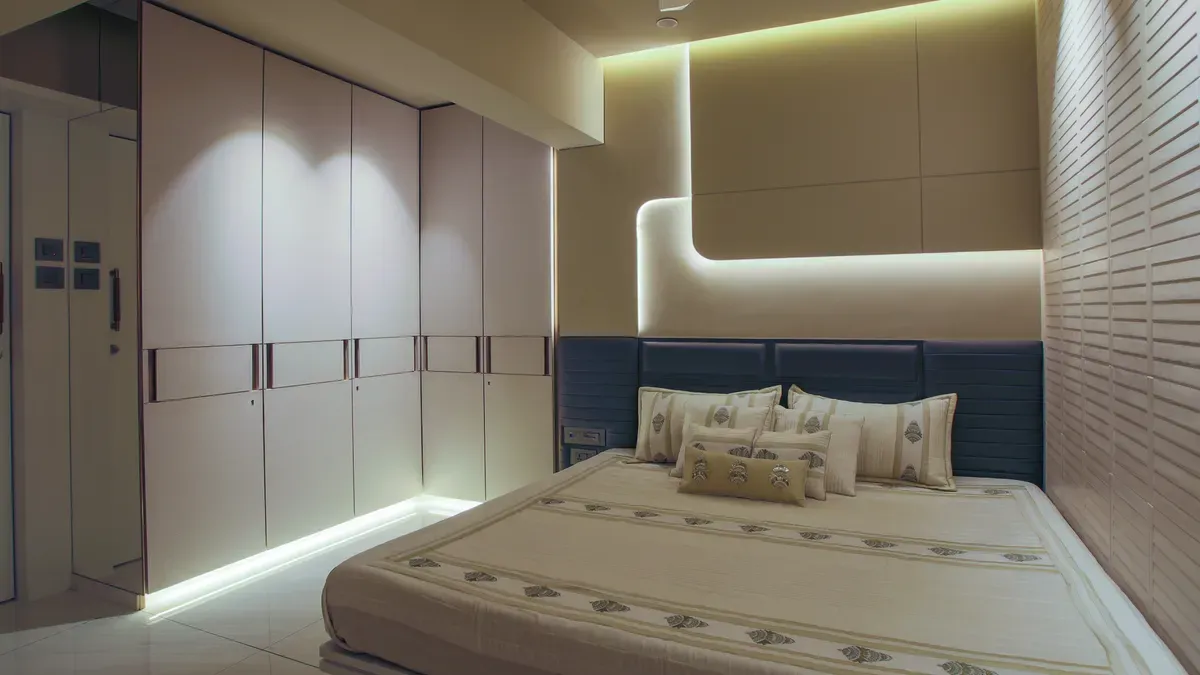
Hotel lighting must do more than light a room. It sets a mood, helps guests rest, and makes a space feel clean and calm. Buyers who pick LED Downlights for hospitality projects should think about comfort first, then check durability and dimming.
Warm CCT and Anti-Glare Comfort
Guest rooms and lobbies need a warm, cozy feel. A color temperature of 2700K–3000K warm white creates that soft atmosphere. Cool white light can make a lobby feel like a clinic, so buyers should avoid it in guest-facing areas.
Glare control matters just as much. A guest who lies in bed and looks up should not see a harsh bright spot. Fixtures with low UGR reduce that harshness. A high CRI also keeps skin tones, wood, and fabric looking natural, which matters in rooms where guests judge quality by how things look.
Liyinled, through Guangdong Liyinled Lighting Co., Ltd., builds downlights for this exact purpose. The APL-TD-4418F is an aluminum COB adjustable spotlight. Its metal body handles heat well, and its adjustable head aims light at artwork or a feature wall. The APL-TD-4420A is a round SMD ceiling spotlight with modern styling for corridors and lounges. Both models suit hotels, restaurants, and other guest-facing spaces.
Dimming, Durability, and Spacing
Dimming gives hotels control over mood and energy use. A lobby can run bright at check-in and dim later at night. Guest rooms can offer low light for rest. Buyers should confirm that the driver supports smooth dimming, because a poor driver causes flicker or buzz that guests notice right away.
Durability also drives cost over time. Hotels run lights for many hours each day, so heat management and driver quality decide how long a fixture lasts. Aluminum bodies and quality COB or SMD engines help here.
Spacing decides whether light looks even. In hotel bedrooms, proper spacing between fixtures gives smooth illumination without dark patches. Corridors need the same care. A narrow beam in a corridor leaves gaps, so a medium beam usually works better there.
The Liyinled factory in Guangdong produces these fixtures and supports custom orders. Buyers often ask which scenes fit best, what to check before purchase, and what can be customized. The answers are simple. These downlights fit guest rooms, lobbies, corridors, and restaurants. Buyers care most about glare, color quality, dimming, and lifespan. Liyinled offers custom CCT, wattage, beam angle, and finish options to match a project. The company replies to inquiries and pricing requests promptly.
LED Downlights for Offices
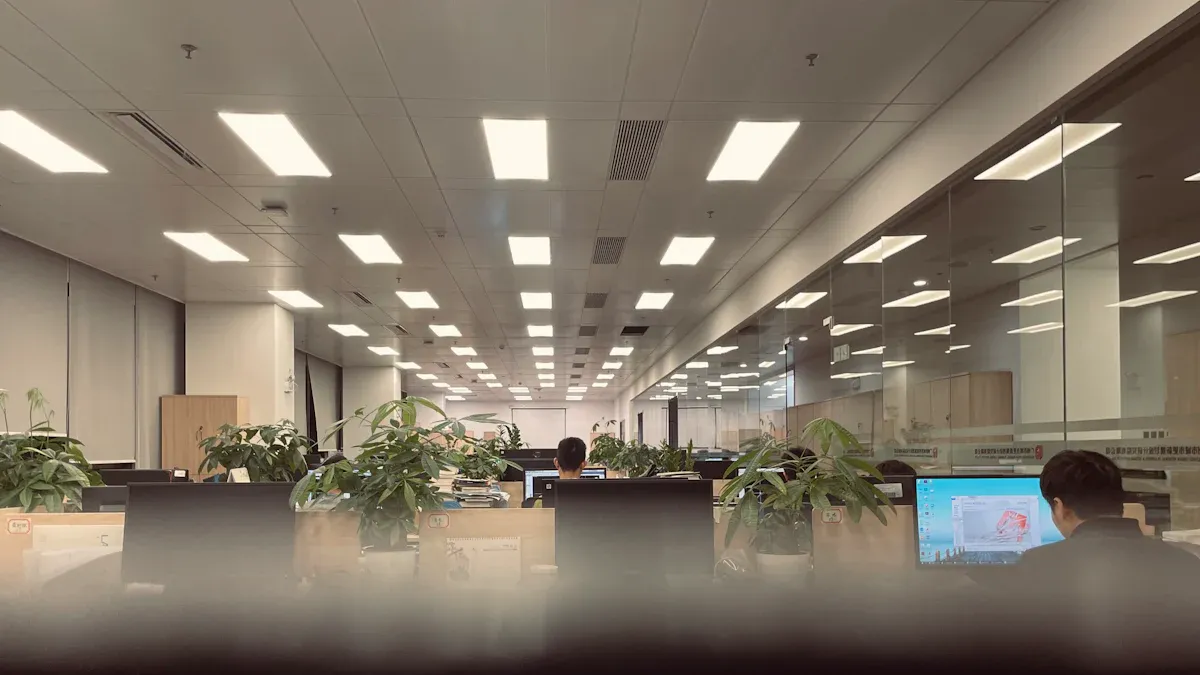
Office lighting has a different job than hotel lighting. It needs to keep people awake and focused. It also has to support close work on screens and paper. And it must stay comfortable all day long. Buyers who pick LED Downlights for offices should start with color temperature. Then they should check glare control and driver quality.
Neutral CCT and High Efficacy
A color temperature of 4000K neutral white helps office workers stay alert and get more done. Warm light can make a workspace feel sleepy, so most offices avoid it in task areas. Neutral white also keeps white paper and screen content looking clean.
Efficacy matters because offices run lights for long hours. A fixture with high efficacy gives more light for each watt. This lowers energy cost over the year. Buyers should compare lumen output at the same wattage instead of wattage alone.
Spacing decides whether light looks even. In working rooms, proper spacing between fixtures gives smooth light across desks. Wider spacing leaves dark patches between fixtures. Workers notice the uneven light right away.
Liyinled, through Guangdong Liyinled Lighting Co., Ltd., builds office models for this purpose. The APL-PB-4418 is a dimmable die-cast aluminum office downlight with an SMD engine. Its metal housing handles heat well. Its dimming support lets a facility team lower light in unused zones. The APL-PB-2510B is an ultra-slim panel with an adjustable color temperature dip switch. So one model covers several color settings across a building.
UGR Control and Flicker-Free Performance
Glare control protects comfort during long shifts. The European standard EN 12464-1 prescribes a Unified Glare Rating limit of less than 19 for office task areas, including open-plan offices. A fixture rated under UGR 19 keeps harsh light out of a worker's view when they look toward the ceiling. Buyers should confirm this rating on the datasheet, not assume it.
Flicker-free performance matters just as much. A poor driver causes flicker that workers may not see directly. Yet it still causes eye strain and headaches over a full day. A quality driver also supports smooth dimming without buzz. Buyers should ask about driver brand, dimming protocol, and thermal design before ordering.
These office downlights fit open-plan floors, private offices, meeting rooms, and reception areas. Buyers care most about glare rating, color consistency, dimming quality, and lifespan. Liyinled offers custom CCT, wattage, beam angle, and finish options to match a project. The factory in Guangdong supports OEM and ODM orders, and the company replies to inquiries and pricing requests promptly.
Common Mistakes and Buyer Checklist
Mistakes That Hurt Comfort and Cost
People buying lights often make the same errors. The first mistake is ignoring lumens. If a buyer only looks at wattage, they might pick a light that seems bright on paper but leaves a room too dim. Lumens tell you how much light comes out. So check this number first.
The second mistake is using narrow beams for general lighting. A narrow beam works well for accent lights on artwork or displays. But it fails in a corridor or open office. It leaves dark spots between lights. Medium or wide beams work much better for general lighting.
The third mistake is skipping UGR and CRI checks. A light with high glare makes eyes tired over a long day. A low CRI makes skin tones and fabrics look dull. Both problems hurt comfort, and neither shows up on a wattage label.
The fourth mistake is ignoring driver and thermal quality. A poor driver causes flicker and buzz. Weak heat management shortens the light's life. Hotels and offices run lights for many hours, so these hidden parts decide long-term cost.
A Practical Pre-Purchase Checklist
A short checklist keeps a purchase on track. Buyers should check each item below before they place an order.
Item | What to Confirm |
|---|---|
Lumens | Enough output for the room size |
CRI | High |
UGR | Under 19 |
CCT | 2700K–3000K for hotels, 4000K for offices |
Beam angle | Medium or wide for general light, narrow for accents |
Dimming | Driver supports smooth, flicker-free dimming |
Driver quality | Known brand, matched to the fixture |
Certifications | Reports available on request |
These downlights fit guest rooms, lobbies, corridors, restaurants, open offices, meeting rooms, and reception areas. Buyers care most about glare rating, color quality, dimming, and lifespan. Liyinled, through Guangdong Liyinled Lighting Co., Ltd., offers custom CCT, wattage, beam angle, and finish options. The factory in Guangdong supports OEM and ODM orders. The company replies to inquiries and pricing requests promptly.
The main rule is easy. Match UGR, CRI, and CCT to the room, not to the lowest price. Hotels care most about warm light and comfort without glare so guests can relax. Offices care about neutral, clear light and saving energy all day so workers stay productive. The checklist in this guide helps buyers confirm each spec before they order. Guangdong Liyinled Lighting Co., Ltd. makes LED Downlights that meet these exact needs for both places. The factory offers custom CCT, wattage, beam angle, and finish choices for any project. Buyers should use the checklist and contact Liyinled for solutions that match their specs. The company answers questions and pricing requests promptly.
FAQ
What scenarios suit these LED downlights?
These lights work in guest rooms, lobbies, hallways, restaurants, open offices, meeting rooms, and reception areas. Hotels pick warm models like the APL-TD-4418F to create a cozy mood. Offices pick neutral models like the APL-PB-4418 to help people stay focused. Adjustable versions let you aim light at artwork or displays.
What do customers care about most when buying?
Customers care most about glare rating, color quality, dimming, and how long the light lasts. They check that UGR is low, CRI is high, and the CCT fits each room. The driver quality and heat control also matter. Both decide the cost over time.
What customization does the Liyinled factory offer?
The factory in Guangdong supports OEM and ODM orders. Buyers can ask for custom CCT, wattage, beam angle, and finish to match a project. That way, one factory can handle both hotel and office needs.
How fast does Liyinled respond to inquiries?
The company answers questions and pricing requests promptly. Buyers can share their specs and get suggestions that fit their needs quickly.