How to Fix Ceiling Light Fixtures Using Mounting Brackets
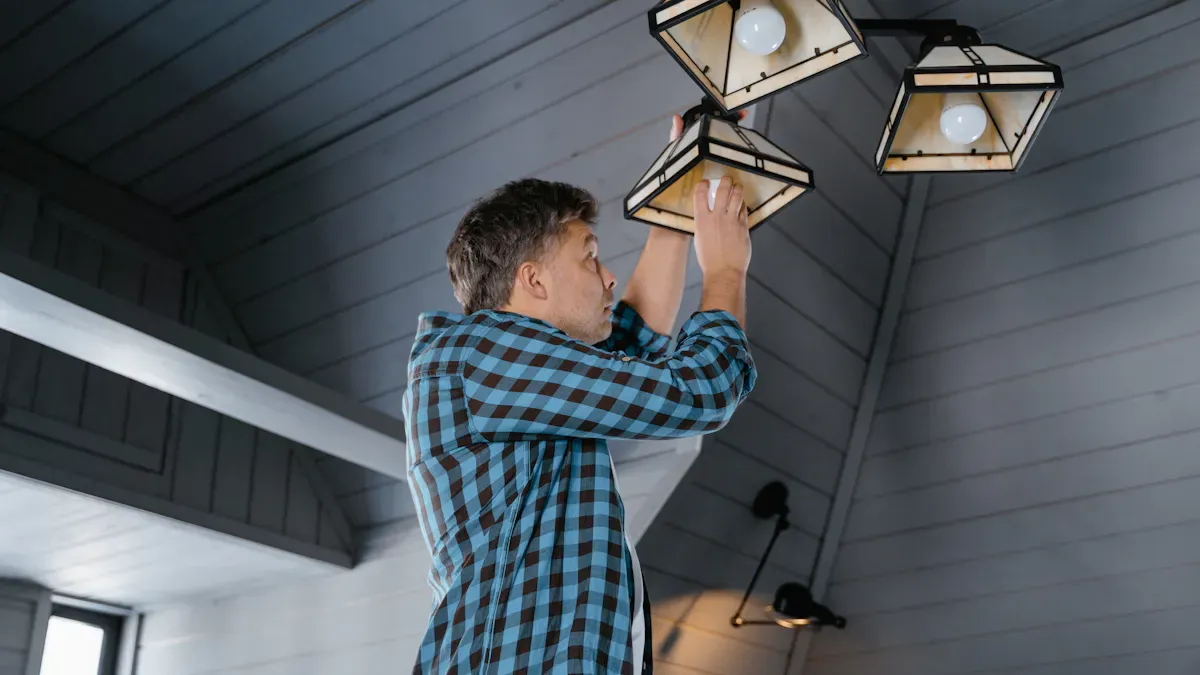
To fix ceiling light fixtures using mounting brackets, follow these steps. Homeowners often find that picking the right brackets for ceiling lights makes a big difference. Guangdong Liyinled Lighting Co.,Ltd offers the APL-ZJ-Ceiling Bracket, which fits MR16 and GU10 bulbs. The Circular LED Recessed Ceiling Mount Frame Bracket blends style and function, sitting flush for a modern look. Many choose LED fixtures for their long lifespan—up to 50,000 hours, or nearly 17 years with daily use. This approach keeps lighting safe, sturdy, and stylish.
Key Takeaways
Always turn off the power at the circuit breaker before you start. This keeps you safe from electrical accidents.
Use the right tools and safety gear like gloves, goggles, and a voltage tester. This helps make sure you stay safe while you work.
Pick the correct mounting bracket that fits the fixture and the ceiling box. This helps you avoid problems and keeps the fixture steady.
Check all wire connections twice and make sure they are tight. This stops lights from flickering or causing electrical shorts.
Test the fixture after you finish to make sure it works right and is held up well.
Safety First
Before anyone starts fixing a ceiling light fixture, safety should come first. Many accidents happen during installation because people skip important steps. They might forget to turn off the power or use the wrong tools. These mistakes can lead to injuries or even fires. Taking a few minutes to follow safety rules can make the whole process much safer.
Power Off
Turning off the power is the most important step. He should always switch off the circuit breaker or remove the fuse for the room where he will work. Placing a note on the breaker helps remind others not to turn it back on.
Tip: Never trust a light switch alone. The circuit might still have power even if the light is off.
Some common safety incidents include:
Overlooking proper mounting, which can cause fixtures to fall and injure someone.
Incorrect wiring, like reversing hot and neutral wires, which can lead to electrical shock.
Failing to check for structural support, which might result in the fixture crashing down.
Safety Gear
He should wear the right safety gear before starting. This includes:
Gloves to protect hands from sharp edges and wires.
Safety goggles to shield eyes from dust and debris.
Rubber-soled shoes to reduce the risk of electrical shock.
Insulated tools, which help prevent electrical accidents.
Using an electrical tester is also smart. It helps him check if wires are really dead before touching them.
Electrical Check
He should always double-check that the power is off. Here’s a simple way to do it:
Shut down the power at the main breaker.
Use a voltage tester on each wire. If the tester shows no current, it’s safe to continue. If it shows current, he should check the breaker again.
He should make sure the workspace is dry and well-lit. A stable ladder helps prevent falls. Following these steps keeps everyone safe and ready for the next part of the installation.
Tools and Brackets for Ceiling Lights
Tool Checklist
He needs to get all his tools before he starts. The right tools make the job easier and safer. Here is what he should have:
Light fixture bracket
Mounting screws
Screwdriver or drill
Wire strippers
Voltage tester
Electrical tape and wire nuts
Safety gear (gloves and goggles)
Optional: Stud finder
These tools help him put up the brackets for ceiling lights. They also help keep the wiring safe. He should check that he has everything before he goes up the ladder.
Choosing Brackets for Ceiling Lights
He should choose the right brackets for ceiling lights to stop mistakes. The bracket must fit the fixture and the ceiling box. Guangdong Liyinled Lighting Co.,Ltd sells the APL-ZJ-Ceiling Bracket. It works with many spotlight fixtures. This bracket sits flat against the ceiling for a modern look. It also fits different bulb types, so he can pick the style he wants.
Here is a table that shows mistakes people make when picking brackets for ceiling lights:
Mistake | Description |
|---|---|
Wrong Bracket Size | Brackets must match fixture and box types for a snug fit. |
Loose Bracket Mounting | Tight screws are necessary to prevent wobbling or falling fixtures. |
Ignoring Wire Connections | Poor connections can cause flickering or shorts. |
Not Securing the Ground Wire | Grounding is crucial for safety to prevent electric shock. |
Over-Tightening Screws | Can crack components or strip threads, weakening the hold. |
He should check the size and type of the bracket before he buys it. This step helps him avoid trouble when he installs the light.
Spotlight Fixture Compatibility
Not every bracket for ceiling lights works with all bulb types. The APL-ZJ-Ceiling Bracket fits both MR16 and GU10 spotlight bulbs. He can use this bracket for different lighting jobs. The table below shows the main differences between MR16 and GU10 bulbs:
Feature | MR16 | GU10 |
|---|---|---|
Base Type | Two-pin base | Twist-and-lock base |
Voltage Requirement | Requires transformer (12V) | Operates at mains voltage (230V) |
Compatibility | Not interchangeable with GU10 | Not interchangeable with MR16 |
He should always check the bulb type before he puts it in. This way, he can make sure the brackets for ceiling lights will hold the fixture safely and work with his bulbs.
Preparation and Removal
Clear Area
He should start by making sure the workspace is safe and tidy. A clear area helps prevent accidents and makes the job easier. Before he climbs the ladder, he can gather everything he needs. Here are some helpful items to have on hand:
A sturdy step ladder (never use a wobbly one)
Voltage tester or non-contact tester
Screwdrivers (check if the fixture uses Phillips or slotted screws)
Wire nuts or electrical tape for capping wires
A soft cloth or drop cloth to catch dust and glass
A friend or family member to help hold the fixture, especially if it’s heavy
Tip: He should keep pets and kids away from the work area. This keeps everyone safe and avoids distractions.
Remove Old Fixture
He can now begin removing the old ceiling light fixture. Taking it down the right way helps protect the ceiling and wiring. Here’s a simple step-by-step guide:
Turn off power to the old fixture at the breaker.
Remove the canopy to see the wiring and hardware.
Unscrew the three wires: black, white, and copper.
Take down the old light fixture after disconnecting the wires.
If he finds any screws that won’t budge, he can use a utility knife to score around them before turning. For larger fixtures, having someone help hold the light makes the process safer and easier.
Inspect Ceiling Box
Before installing new brackets for ceiling lights, he should check the ceiling box. This step helps avoid problems later. Here are some common issues he might find:
Issue | Explanation |
|---|---|
Improper Mounting | Fixtures not attached well can fall and cause injury or damage. |
Incorrect Wiring | Mixing up live and neutral wires can lead to shorts or electric shock. |
Weight Support | The box must support the fixture’s weight or it could sag or collapse. |
He should fix any problems before moving on. A secure and safe ceiling box means the new fixture will stay in place and work as it should.
Installing the Mounting Bracket

Position Bracket
He should start by getting the mounting bracket ready. This step sets the stage for a safe and sturdy ceiling light. Here’s a simple way to position the bracket:
Gather all tools and parts. He needs a screwdriver, voltage tester, and the new mounting bracket.
Hold the bracket up to the ceiling box. He should make sure the holes in the bracket line up with the screw holes in the box.
Check that the bracket sits flat against the ceiling. If it wobbles, he can adjust it until it feels steady.
Use a stud finder if needed. This helps him find joists for extra support.
Tip: He should always double-check the alignment before moving on. A crooked bracket can make the fixture look off and cause problems later.
Secure to Ceiling Box
Now, he can secure the bracket to the ceiling box. Stability matters here. If the bracket is loose, the light fixture might wobble or fall. Here are some methods for a strong hold:
Method Description | Key Points |
|---|---|
Secure hooks into joists | He should make sure at least two hooks grip the joists for extra strength. |
Tighten screws evenly | He needs to hold the bracket flush and tighten both screws the same amount. |
Use a rated brace | For heavy fixtures, a rated brace like the Saf-T-Brace adds more support. |
He should use both screws on the bracket. This spreads the weight and keeps the fixture balanced. If the ceiling box sits too deep, he can use an extender bracket to bring it flush with the ceiling.
Flush Mounting
Flush mounting gives the ceiling light a clean and modern look. It also helps the fixture work better. Here’s why flush mounting matters:
Flush mount lights work well in rooms with low ceilings, like hallways or kitchens.
They spread light evenly, making the room brighter.
The close fit makes the fixture look neat and stylish.
He can use spring clips for a quick and easy fit. These clips snap into place without tools. They also help absorb small bumps or shakes, which keeps the fixture steady. For a super tight fit, he can add a small amount of grab adhesive. This holds the bracket in place and stops any movement.
Note: Spring clips save space and make it easy to remove the fixture later if needed.
When he installs brackets for ceiling lights, he should always check that the bracket sits flat and does not move. If he follows these steps, the new fixture will look great and stay safe for years.
Wiring and Mounting Fixture
Connect Wires
He should always start by making sure the power is off at the main breaker. Safety comes first. Before touching any wires, he can use a voltage tester to double-check that no current is flowing. Now, he can move on to connecting the wires. Here’s a simple step-by-step guide:
Strip about half an inch of insulation from each wire end if needed. The copper should look shiny and clean.
Identify the wires in the ceiling and on the fixture. Usually, black is hot, white is neutral, and green or bare copper is ground.
Match the wires: black to black, white to white, and green or bare to the ground screw or copper wire.
Twist the wires together tightly. Secure each connection with a wire nut. For extra safety, wrap electrical tape around the nuts.
Make sure no copper is exposed at the connections. This keeps the installation safe.
Here’s a quick reference table for wire connections:
Wire Color | Function | Connects To |
|---|---|---|
Black | Hot | Fixture’s black wire |
White | Neutral | Fixture’s white wire |
Green/Bare | Ground | Ground screw or copper wire |
Tip: He can take a photo of the old wiring before disconnecting anything. This helps if he needs to double-check the connections later.
Attach Fixture
After connecting the wires, he can attach the fixture to the mounting bracket. He should check that the bracket fits snugly with the fixture and ceiling box. A tight fit keeps the light steady and safe. Here are some best practices:
Test with a voltage tester before touching any wires.
Use both screws on the bracket for balanced support.
Tighten the screws just enough to hold the fixture firmly. Over-tightening can damage the fixture or strip the threads.
Secure all wire connections to avoid flickering or shorts.
Ground the fixture properly to prevent electric shock.
If the fixture feels heavy, he can use a stud finder to make sure the bracket is anchored to a joist. Quality metal brackets, like the APL-ZJ-Ceiling Bracket from Guangdong Liyinled Lighting Co.,Ltd, offer extra durability and a modern look. This bracket works well with MR16 and GU10 spotlight bulbs, making it a flexible choice for many rooms.
Note: He should always check local codes for grounding and fixture regulations. Following these rules keeps the installation safe and up to standard.
Test Installation
Once the fixture is attached, he should test the installation. This step makes sure everything works as it should. Here’s a simple checklist:
Double-check that all connections are tight and the fixture is stable.
Restore power at the main breaker.
Flip the light switch to see if the fixture turns on.
Test each bulb if the fixture holds more than one.
Inspect the fixture for any wobbling or flickering.
If the light does not turn on, he should turn off the power and check the wire connections again.
If the fixture wobbles, he can tighten the screws a bit more.
✅ A successful installation means the light turns on, stays steady, and looks great in the room.
With these steps, anyone can wire and mount a ceiling light fixture safely and confidently. Choosing a reliable product, like the Circular LED Recessed Ceiling Mount Frame Bracket from Guangdong Liyinled Lighting Co.,Ltd, helps ensure a smooth installation and a stylish finish.
Troubleshooting and Tips
Common Issues
Many people run into the same problems when installing ceiling light fixtures with mounting brackets. He can avoid frustration by knowing what to look for:
Skipping the power test. He should always use a voltage tester before touching any wires.
Choosing the wrong bracket size. The bracket must match both the fixture and the ceiling box.
Loose bracket mounting. If screws are not tight, the fixture might wobble or fall.
Ignoring wire connections. He should use proper wire nuts to stop flickering or shorts.
Not securing the ground wire. Grounding protects against electric shock.
Over-tightening screws. This can crack parts or strip threads.
Tip: He should double-check each step before moving on. This helps catch mistakes early.
Quick Fixes
If the light does not work or flickers, he can try these quick fixes:
Check that all wire connections are tight and wrapped with electrical tape.
Test the power supply with another fixture if the light stays off.
Make sure screws are fastened and the mounting bracket sits level.
Match wire colors: black for hot, white for neutral, green or bare for ground.
Secure wire nuts tightly to prevent loose connections.
Use a mounting box that supports the fixture’s weight.
For flickering, check that bulbs are seated properly and not damaged.
Inspect wiring at the fixture for any loose or exposed wires.
If the fixture feels heavy, he can install a ceiling brace support bar for extra safety.
Success Tips
Professional electricians have a few favorite tips for a smooth installation:
Always switch off the power at the main breaker and test wires before touching them.
Wear gloves and safety goggles to protect hands and eyes.
Take a photo of the old wiring before disconnecting anything.
Label wires if there are multiples to avoid confusion.
Follow the manufacturer’s instructions for the best results.
Use the right bulb wattage to prevent overheating.
Make sure the electrical box can hold the fixture’s weight.
He can trust products from Guangdong Liyinled Lighting Co.,Ltd, like the Circular LED Recessed Ceiling Mount Frame Bracket, for reliable and stylish results. Their factory uses advanced technology to create lighting solutions that last. With these tips, anyone can enjoy a safe and bright ceiling light.
Fixing ceiling light fixtures with mounting brackets becomes simple when he follows each step. He should always turn off the power, use a voltage tester, and pick the right tools. Here are some key reminders:
Read all instructions before starting.
Use a sturdy ladder and wear safety gear.
Ask for help with heavy fixtures.
Choose quality products like the APL-ZJ-Ceiling Bracket from Guangdong Liyinled Lighting Co.,Ltd.
If he feels unsure, he can call a professional. Safe and stylish lighting makes any room shine!
FAQ
How does he know if the APL-ZJ-Ceiling Bracket fits his ceiling light?
He should check the fixture’s size and bulb type. The APL-ZJ-Ceiling Bracket works with MR16 and GU10 spotlight bulbs. For more details, he can visit LiYinLed’s official product page.
Can he install the bracket without professional help?
Yes, he can. The instructions are simple. He should follow each step, use the right tools, and always turn off the power. If he feels unsure, he can ask an electrician for help.
What makes Guangdong Liyinled Lighting Co.,Ltd’s factory special?
LiYinLed’s factory uses advanced machines and strict quality checks. They design modern lighting for homes and businesses. Their products last a long time and look stylish.
Is the Circular LED Recessed Ceiling Mount Frame Bracket good for low ceilings?
Yes, it is. The bracket sits flush with the ceiling. This design saves space and gives rooms a clean look. It works well in hallways, kitchens, and offices.
What bulbs can he use with this ceiling bracket?
He can use MR16 or GU10 spotlight bulbs. These bulbs offer different brightness levels. He can pick the one that fits his needs best.