how to install LED track lights in your home
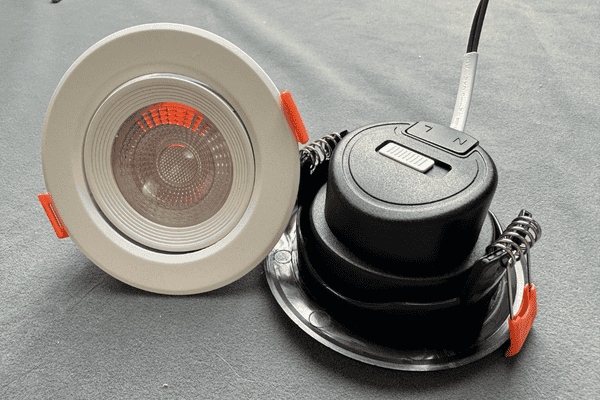
LED light fixtures now dominate the residential market, holding a 71.6% share in the modern home. A versatile LED Track Light provides superior performance, using up to 44% less energy with a significantly longer lifespan than traditional options. A quality track lighting system from a reputable LED Track Light Manufacturer or other top led light manufacturers is essential for a successful outcome. This guide provides all the necessary steps for homeowners to safely install led track lights and transform their space with modern, efficient lighting.
Gather Your Tools and Materials
A successful installation begins with proper preparation. Homeowners should gather all necessary tools and materials before starting the project. This simple step prevents interruptions and ensures a smooth workflow from start to finish.
Essential Tools for the Job
Having the right tools on hand is critical for safety and precision. A well-prepared installer avoids project delays and ensures a professional-quality result.
Drill
A power drill makes quick work of creating pilot holes for mounting screws.
Screwdriver Set
A set with both Phillips and flat-head screwdrivers will be needed for various components, from the old fixture to the new hardware.
Wire Strippers
This tool cleanly removes the outer insulation from electrical wires without damaging the copper conductor inside.
Voltage Tester
Safety First! A non-contact voltage tester is a non-negotiable safety device. It allows the user to confirm that electricity is completely shut off before touching any wires.
Ladder
A sturdy stepladder provides safe and stable access to the ceiling work area.
Tape Measure and Pencil
These are essential for accurately planning the track's layout and marking locations for mounting hardware.
Stud Finder
A stud finder helps locate the ceiling joists, which provide the most secure mounting points for the track lighting system.
Required Materials for Installation
With the tools collected, the next step is to ensure all installation materials are ready.
LED Track Lighting Kit
Most projects use a complete track light kit, which typically includes the track, power feed, and several light heads. This simplifies the purchasing process. Kits come in various styles to suit any home decor. Popular options include:
LED Mini Gimbal Track Lighting Kit (4ft)
Wire Connectors
Often called wire nuts, these small plastic caps are used to safely connect the house wiring to the fixture's power feed.
Mounting Screws and Anchors
The kit may include these, but it is wise to have extra screws and drywall anchors available. Anchors are necessary if a mounting point does not align with a ceiling joist.
Planning Your Track Lighting Installation
Thoughtful planning is the foundation of a successful track lighting installation. Before any tools are picked up, homeowners must design a layout that meets both functional needs and aesthetic goals. This phase ensures the final result is both beautiful and practical.
Designing the Layout
A well-designed layout considers the room's unique characteristics and the specific purpose of the lighting.
Choosing the Best Path for the Track
Homeowners should first assess the ceiling for any hindrances, such as vents, beams, or ceiling fans. The path of the track—whether a straight line, an L-shape, or a square—influences the room's overall feel and light coverage. The track's distance from the wall is also a key factor.
For Accent Lighting: Position the track 2 to 3 feet from the wall. This allows the heads to be aimed at a 30-degree angle, highlighting artwork or architectural features without creating harsh glare.
For General Lighting: Place the track further into the room. For standard 8-foot ceilings, a distance of 20 to 40 inches from the walls provides balanced, ambient illumination.
Considering Light Direction and Purpose
The intended use of the light dictates the design. Different rooms benefit from different strategies for the track lighting system.
Kitchens: Task lighting is the priority. A single track running parallel to countertops provides focused light for preparation zones like slicing and sautéing.
Living Rooms: Homeowners can create layered lighting by combining a track with other light sources. Creative geometric patterns, like a large square on the ceiling, can also serve as a decorative focal point.
Hallways: A straight, linear configuration ensures consistent brightness for safe navigation. For narrow corridors with textured walls, a technique called wall grazing adds depth and visual interest.
Marking Your Measurements
Precision is crucial when you install track lighting. Accurate marks on the ceiling guarantee a straight and professional-looking installation.
Using a Stud Finder to Locate Ceiling Joists
Ceiling joists provide the most secure foundation for mounting the track. An installer should use a stud finder to scan the ceiling along the planned path. Using a pencil, they can make small marks to indicate the center of each joist that the track will cross.
Drawing a Guideline on the Ceiling
With the joists located, the next step is to create a clear guideline.
Pro Tip: Before marking the final line, measure the total length of your track components on the floor. This includes the track, power feed, and any connectors to ensure it fits the intended space without obstruction.
Using a tape measure and a level, the installer should draw a faint, straight pencil line on the ceiling. This line represents the exact placement for the mounting hardware. Double-checking these measurements prevents mistakes and ensures the track lighting installation is perfectly aligned.
Step 1: Safety and Preparation
With the layout planned, the next phase focuses on safety and preparing the electrical components. This step is the most critical for preventing electrical shock and ensuring a secure installation. An installer must work methodically to create a safe environment before mounting any new hardware.
Turn Off Power at the Source
Working with electricity requires extreme caution. The first and most important action is to completely de-energize the circuit that powers the existing light fixture.
Locating the Correct Circuit Breaker
The installer should go to the main electrical panel, often found in a garage, basement, or utility closet. Most panels have a directory that labels which breaker controls which area or appliance. If the panel is not clearly labeled, a two-person approach works well. One person flips breakers off one by one while another person watches the light fixture to see when it turns off.
Verifying Power is Off with a Voltage Tester
Flipping a breaker is not enough. An installer must confirm the absence of electrical current at the fixture itself using a non-contact voltage tester.
Safety Protocol: Always Verify Never assume a circuit is dead. Testing is a non-negotiable step that protects against serious injury.
To safely verify the power is off, the installer follows a precise procedure:
First, they test the voltage tester on a known live outlet or switch to confirm the tool is working correctly.
Next, they turn off the corresponding circuit breaker at the main panel.
At the ceiling fixture, they carefully remove the light's canopy to expose the wires.
Finally, they place the tip of the non-contact tester near each wire inside the junction box. The tester should not light up or make any sound. If it does, the wrong breaker was turned off, and the installer must return to the panel to find the correct one.
Prepare the Work Area
Once the power is confirmed to be off, the installer can safely prepare the junction box for the new track lighting system.
Removing the Old Light Fixture
The installer carefully unscrews the old fixture from the mounting bracket inside the junction box. After untwisting the wire connectors, they can disconnect the fixture's wires from the house wiring and set the old fixture aside.
Photographing the Existing Wiring
Before disconnecting anything, it is a best practice to take a clear photograph of the wiring configuration. This photo serves as an invaluable reference, showing how the black (hot), white (neutral), and copper/green (ground) wires were connected.
Inspecting the Ceiling Junction Box
The installer should inspect the electrical box in the ceiling. They must check that it is securely fastened to a ceiling joist or brace. A loose box cannot support the weight of a new track system. They should also look for any signs of damage, such as cracked plastic or scorched marks, which could indicate a pre-existing issue in the home wiring that needs attention from an electrician.
Step 2: Mount the Track Hardware
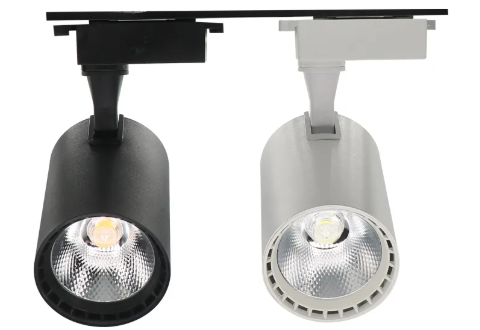
With the ceiling prepared and the power safely off, the installer can begin the physical installation. This step involves attaching the mounting hardware that will support the entire track lighting system. Precision during this phase ensures the track is straight, secure, and ready for wiring.
Prepare for Mounting
Proper preparation prevents damage to the ceiling and creates a stable foundation for the hardware. The first action is to drill pilot holes at the locations marked during the planning phase.
Drilling Pilot Holes into Joists or Drywall
Drilling pilot holes is a crucial step. In wood joists, a pilot hole prevents the wood from splitting when a screw is driven in. In drywall, it creates a clean opening for an anchor. The installer must select the correct drill bit size for the material.
For Ceiling Joists (Wood): The pilot hole should be slightly smaller than the screw's diameter, not including the threads. A good rule of thumb is to use a bit that is about 90% of the screw shaft's diameter for softwoods.
For Drywall: The pilot hole's size should match the manufacturer's recommendation for the specific drywall anchor being used. This ensures the anchor fits snugly.
Secure the Mounting Hardware
After drilling the holes, the installer fastens the mounting clips to the ceiling. These clips will hold the track in place. The method depends on whether the mounting point is in a joist or just drywall.
Installing Drywall Anchors if Needed
If a mounting location falls between joists, a drywall anchor is required to provide adequate support. The installer gently taps the plastic anchor into its pilot hole until it is flush with the ceiling surface. The anchor expands behind the drywall as the screw is inserted, creating a secure hold.
Installer's Tip: 💡 Choose a drywall anchor rated to hold more than the weight of the track section it will support. This provides an extra margin of safety.
Fastening Mounting Clips to the Ceiling
With all anchors in place, the installer can secure the mounting clips. This process follows a simple, methodical order to guarantee a secure fit.
The installer aligns each mounting clip with the pencil guideline on the ceiling.
For locations with joists, they drive a mounting screw directly through the clip into the pilot hole.
For locations with drywall anchors, they drive a screw through the clip and into the anchor.
They tighten all screws until each clip is firmly fastened against the ceiling, checking that they do not move or wobble.
Step 3: How to Wire the Power Feed
This phase involves making the electrical connections that will bring the new track lighting system to life. An installer must handle this step with precision and care to ensure a safe, functional, and reliable installation. Correctly wiring the power feed is fundamental to the project's success.
Understanding the Wires
Before making any connections, an installer must correctly identify the wires coming from the ceiling junction box. Each wire serves a specific and critical purpose within the electrical circuit.
Identifying Hot, Neutral, and Ground Wires
In a standard residential home circuit, wires are color-coded for easy identification. The installer should reference the existing wiring and match it to the new fixture's wires.
U.S. Standard Wire Colors (120V AC) The following table outlines the common wire colors an installer will encounter.
Wire Color
Purpose
Function
Black
Hot
Carries electrical current from the panel.
White
Neutral
Completes the circuit by returning current.
| Bare Copper/Green | Ground | Provides a safe path for stray current. |
Connecting the Power Feed
With the wires identified, the installer can connect the house wiring to the power feed connector, which is the component that supplies electricity to the track itself.
Connecting House Wires to the Power Feed Connector
The process involves matching the wires from the ceiling to the corresponding wires on the power feed.
The installer takes the black (hot) wire from the ceiling and the black wire from the power feed connector.
Next, they take the white (neutral) wire from the ceiling and the white wire from the power feed.
Finally, they connect the bare copper or green (ground) wire from the ceiling to the ground wire on the power feed.
Securing Connections with Wire Nuts
A secure connection prevents electrical hazards. The installer should use wire nuts to join each pair of wires. For a strong connection, they first twist the bare copper ends of the wires together in a clockwise direction. Then, they screw a properly sized wire nut over the twisted wires until it is tight. A gentle tug on each wire confirms the connection is secure, with no exposed copper showing below the nut's plastic skirt.
Attach the Junction Box Cover
The final action in the wiring stage is to neatly enclose the connections within the junction box.
Tucking Wires Neatly into the Box
To prevent damaging the wires or connections, the installer should carefully fold them into the junction box. A good technique is to create gentle Z-folds or an accordion shape with the wires. This method allows them to fit compactly without putting stress on the wire nuts.
Securing the Cover Plate
Once the wires are safely tucked away, the installer aligns the power feed's cover plate with the screw holes on the ceiling junction box. They then fasten it securely with the provided screws, creating a clean and finished look.
Step 4: Install LED Track Lights and Heads
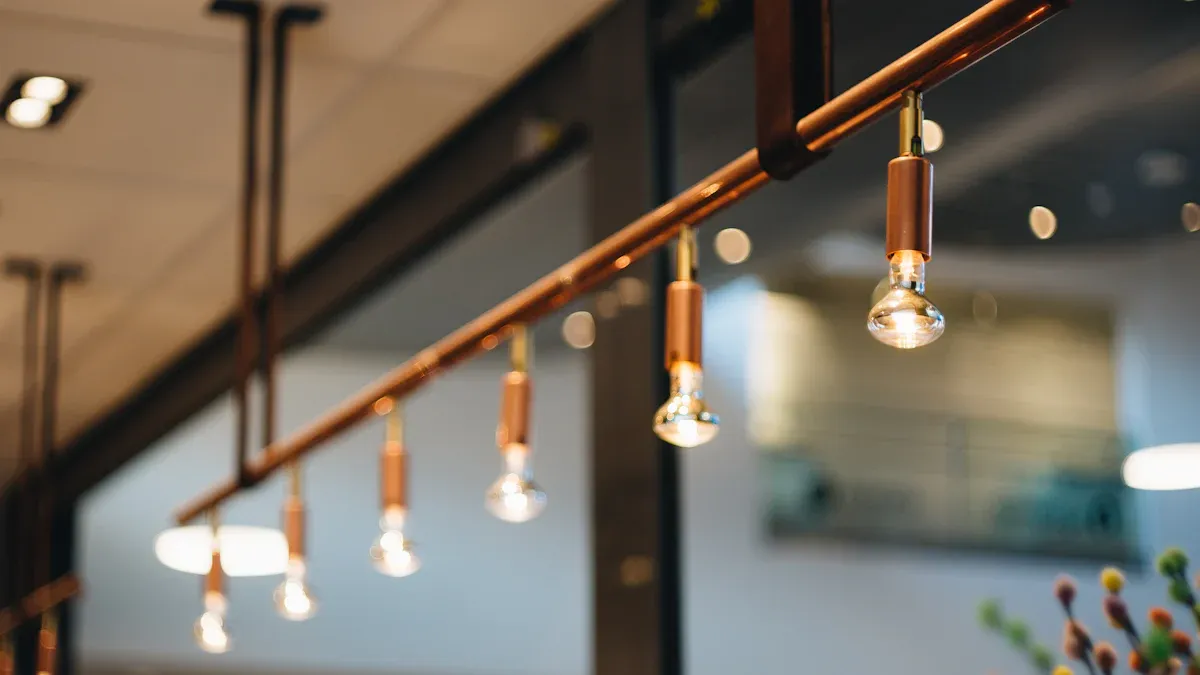
With the wiring complete, the installer now moves to the most rewarding part of the project: assembling the visible components. This step brings the track lighting system together on the ceiling. Careful handling and precise alignment are key to a professional finish when you install led track lights.
Mount the Track to the Ceiling
The installer will first connect the power feed to the track and then secure the entire assembly to the ceiling. This process requires attention to detail to ensure a seamless look and a secure fit.
Attaching the Power Feed to the Track Section
The power feed must connect to the end of the first track section before mounting. Most modern kits use a simple push-and-click connector. The installer aligns the connector with the end of the track and pushes it firmly until it locks into place. Some track systems may use different connection methods for the main power supply.
Advanced Connection Methods While most DIY kits are straightforward, custom or professional systems might use other techniques. An installer may encounter:
Terminal Strips: These components use screws to clamp feeder wires to the main bus wires inside the track.
Soldering: A permanent method where a feeder wire is soldered directly to the track's internal power supply wire.
Suitcase Connectors: These clamp-on connectors pierce the wire insulation to make an electrical connection without stripping.
Snapping the Track into the Mounting Clips
The installer lifts the track section, with the power feed attached, up to the ceiling. He aligns one edge of the track with the mounting clips. Then, he rotates the track upward and applies firm pressure. The track should snap securely into the clips with an audible click. The installer continues this process for any additional track sections, using straight or corner connectors as needed for the layout. A gentle pull on the track confirms it is securely mounted.
Install the LED Track Heads
The final assembly step is to install the individual track lighting fixtures. This is where the installer can begin to shape the room's new lighting profile. This is a critical step when you install track lighting.
Inserting and Locking Each Light into the Track
Each track head has a base with two metal contact tabs. The installer follows a simple procedure to install each light.
He pulls down the locking tab on the track head's base.
He inserts the base into the track's slot, ensuring the contact tabs align with the copper conductors inside the track.
He rotates the track head 90 degrees.
Finally, he releases the locking tab to secure the light in place.
The installer repeats this for all remaining lights, spacing them along the track according to the lighting plan.
Aiming the Lights for Desired Effect
With all heads installed, the installer can now direct the light. The goal is to create a balanced scheme that combines ambient, task, and accent lighting.
Task Lighting: The installer focuses light directly onto work areas. In a kitchen, he aims lights onto countertops for food preparation. In an office, he targets the desk to make documents clearly visible and reduces glare by angling fixtures away from computer monitors.
Accent Lighting: To highlight artwork or architectural details, the light should be about three times brighter than the room's general light. The installer aims a spotlight at the feature to create visual interest and depth.
Ambient Lighting: For general room illumination, the installer can point some lights toward the walls or ceiling. This technique creates a soft, indirect glow that makes the space feel larger and more inviting.
By adjusting the position and angle of each light, the installer can create layered light levels. This adaptability is a key benefit when you install led track lights, allowing the room's mood to change as needed.
Step 5: Final Checks and Powering Up
The installation is nearly complete. This final step involves safely restoring power and testing the new lights. An installer must perform a few last checks to ensure everything is secure before flipping the switch. This diligence guarantees a safe and successful conclusion to the project.
Restore Power and Test
With the physical installation finished, it is time to bring the new lights to life. This process begins with a final safety inspection before heading back to the electrical panel.
Turning the Circuit Breaker Back On
Before re-energizing the circuit, the installer performs a final safety sweep of the work area. This is a critical step to prevent accidents.
Final Safety Checklist Before Power-Up
Clear the Area: The installer confirms all tools, leftover materials, and temporary protective devices are removed from the ladder and the floor below.
Verify Restoration: He ensures all junction box covers and fixture components are properly restored and secured.
Maintain Distance: All personnel should stand clear of the fixture during the initial power-up.
Once the area is confirmed safe, the installer returns to the main electrical panel. He locates the correct breaker and flips it back to the "ON" position.
Flipping the Light Switch
With the circuit re-energized, the installer proceeds to the wall switch that controls the new fixture. He flips the switch to the "ON" position. The LED track heads should illuminate, casting new light into the room. He should test the dimmer switch, if one is installed, to ensure it functions correctly with the LED lights.
Troubleshooting Common Issues
Sometimes, a light or the entire system may not work on the first try. A faulty power source or a bad connection is often the cause. Most issues are minor and can be resolved with simple troubleshooting.
What to Do If a Light Doesn't Turn On
If one or more lights fail to turn on, the installer should not panic. The problem is often simple.
A faulty bulb can be the cause, even with new LEDs. The installer can test this by swapping a non-working track head with one that is known to be working.
The track head itself may not be seated correctly. Powering off the circuit and reinstalling the head often solves the problem.
Checking for Loose Connections
Loose connections are the most common reason a new track lighting system fails to operate. If lights are flickering or not turning on, the installer must turn the power off at the breaker again before inspecting any wiring.
Troubleshooting Checklist: Finding a Loose Connection
At the Track Head: The installer removes the problematic track head. He inspects the metal contact tabs and cleans them with an alcohol pad to remove any residue. He then firmly re-inserts the head, ensuring it makes solid contact with the copper conductors inside the track.
At the Junction Box: He inspects the wire nuts connecting the house wiring to the power feed. A gentle tug on each wire confirms the connection is tight.
Between Track Sections: If the layout uses multiple tracks, he checks the coupling that joins them. A loose connector can interrupt power to subsequent sections.
If these steps do not resolve the issue, the problem may be more complex. The installer should contact a certified electrician to diagnose and fix the problem safely.
Congratulations on your new LED track lighting installation. An installer who decides to install led track lights must always remember critical safety protocols.
Safety Review
Always turn off power at the breaker before working.
Confirm all wire connections are tight and secure.
Homeowners can now enjoy the flexibility and improved ambiance of their new lighting. They can highlight artwork with focused beams or use wall washing techniques to create a soft, inviting glow. This successful project transforms any room with modern, adaptable light.
FAQ
Can an installer cut a track to a custom length?
Yes. An installer uses a fine-toothed hacksaw to shorten a track section. He must always cut the end opposite the power connection. Afterward, he should file any burrs from the cut edge to ensure a smooth, clean fit for end caps or connectors.
What are the main types of track lighting?
The primary types of track lighting systems are H-type, J-type, and L-type. Each letter corresponds to a specific manufacturer's original design. An installer must verify that the track heads and connectors are compatible with the track system, as they are not interchangeable.
Can an installer mix and match track heads from different brands?
Mixing brands is not recommended. An installer should purchase track heads that match the track's specific system (H, J, or L). Different types of track lighting have unique electrical contacts and physical dimensions, leading to poor connections or safety hazards if mixed.
Is a dimmer switch compatible with LED track lights?
Yes, with the correct components. The installer must use a dimmer switch specifically rated for LED fixtures, such as an ELV (Electronic Low Voltage) dimmer. Additionally, the LED track heads themselves must be labeled as "dimmable" to prevent flickering or damage.
How far apart should an installer space the track heads?
General Guideline: An installer typically spaces track heads 12 to 24 inches apart for balanced, general lighting. The ideal distance depends on the light's beam angle and the specific task. For accent lighting, spacing can vary greatly to highlight features effectively.
What should an installer do if the track feels loose after installation?
He must turn off the power at the circuit breaker first. Then, he should gently test each mounting point. He needs to tighten any loose mounting screws. If a drywall anchor has failed, he must replace it with a more robust anchor.