LED Downlight Color Temperature Guide: 3000K vs 4000K vs 6000K
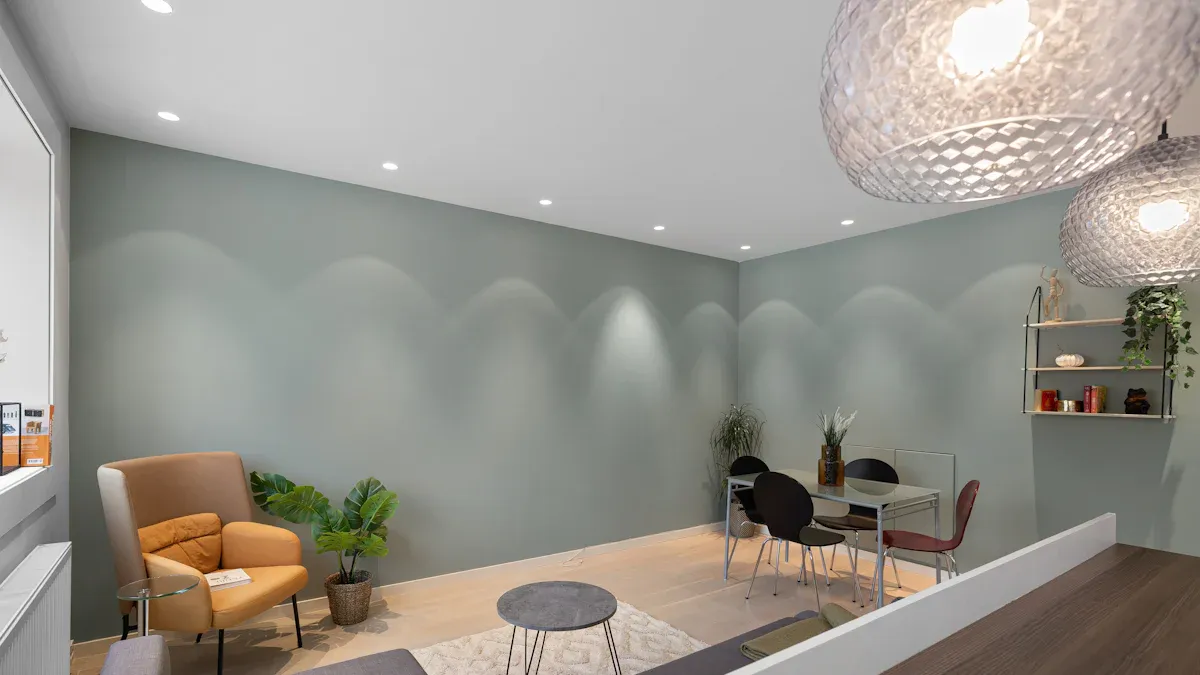
Use 3000K for cozy spaces, 4000K for task lighting, and 6000K for high-visibility areas. Liyinled's LED downlights have a 3CCT dip switch that adjusts between warm, neutral, and cool white. This guide helps you pick the right LED Downlight Color for any room because the Kelvin scale affects mood, brightness, and eye comfort. Warm light makes a living room feel relaxed, and bright cool light is best for a garage. Matching the color to the room's use gives the best results, so always test each setting before installing to avoid costly mistakes.
Key Takeaways
Use 3000K warm white light for cozy rooms like living rooms and bedrooms.
Choose 4000K neutral white light for task areas such as kitchens and offices.
Pick 6000K cool white light for garages and workshops that need high visibility.
Liyinled's 3CCT dip switch lets one fixture switch between all three temperatures.
Test each setting before installing to find the best light for your space.
Quick Answer: Choosing Your LED Downlight Color
The right LED Downlight Color depends on what a room needs to do. Warm white light at 3000K creates a cozy feeling for rest and conversation. Neutral white light at 4000K gives clear, balanced light for tasks like cooking or reading. Cool white light at 6000K gives bright, focused light for garages and workshops. Liyinled's LED downlights have a 3CCT dip switch, so one fixture can change between all three settings.
For Cozy Spaces: 3000K
A 3000K downlight gives off a soft, warm glow that looks like old incandescent bulbs. This temperature works best in rooms where people relax and rest. Living rooms, bedrooms, and dining areas gain the most from this warm tone. Lighting advice from Accord Iluminação suggests warm light with a color temperature of 2,700 to 3,500 Kelvin for bedrooms. This range helps make a calm and cozy space that is good for rest and relaxation before sleep. The same source says that cold light above 4,500 Kelvin is usually not good for bedrooms, mainly near the head of the bed, because it can mess with circadian rhythms and sleep. A 3000K setting fits well within the suggested warm range, so it is a safe choice for any sleeping area.
For Task and High-Visibility Spaces: 4000K and 6000K
A 4000K downlight gives a neutral white light that falls between warm and cool. This temperature gives crisp, clean light without the yellow tint of 3000K or the blue edge of 6000K. Kitchens, bathrooms, and home offices do well under this balanced light. Tasks that need close attention—chopping vegetables, applying makeup, or reviewing documents—get easier when shadows fade and colors look true.
A 6000K downlight gives a cool, bluish-white light that looks like daylight on a clear day. This high-visibility setting works for garages, workshops, and utility rooms. The bright output helps people see fine details and spot possible hazards. However, 6000K may feel harsh in living spaces and can disrupt sleep if placed in a bedroom. The table below sums up the three options.
Color Temperature | Appearance | Best Rooms | Mood |
|---|---|---|---|
3000K | Warm white | Living rooms, bedrooms, dining areas | Cozy, relaxing |
4000K | Neutral white | Kitchens, bathrooms, offices | Clean, balanced |
6000K | Cool white | Garages, workshops, utility rooms | Bright, focused |
Readers should treat this table as a starting point. Later sections explain the Kelvin scale, compare temperatures side by side, and offer room-by-room recommendations. Liyinled's adjustable 3CCT downlights let users test all three settings in the same fixture before committing to a final choice.
Understanding LED Downlight Color Temperature
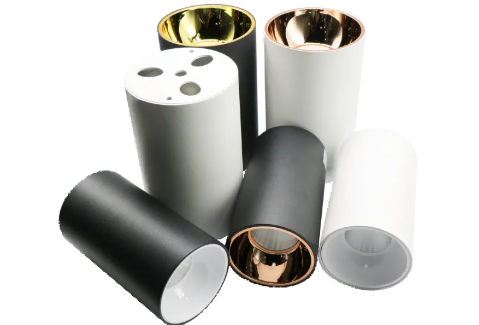
The Kelvin scale measures the color of light from a white LED downlight. This guide focuses on three common ratings: 3000K, 4000K, and 6000K. Each setting changes the mood and brightness of a room.
What the Kelvin Scale Means
The Kelvin scale ties light color to how hot a black body radiator is. When you heat it, a black body glows red-orange at lower temperatures and blue-white at higher ones. For LED downlights, the Kelvin number tells you how warm or cool the white light seems. A 3000K rating gives warm white light with more red and orange wavelengths. A 4000K rating gives natural white light with a slight yellow tint. A 6000K rating gives cool bluish-white light with more blue wavelengths.
The LED spectrum directly shapes how the light looks. LEDs with stronger red output look warmer and have lower Kelvin values. LEDs with stronger blue output look cooler and have higher Kelvin values. A balanced spectrum across wavelengths also makes color rendering better, which helps colors in the room look true. Higher Kelvin temperatures, like 6000K, hold more blue light. Human eyes see this as daylight-like or cool. Lower Kelvin temperatures, like 3000K, hold more red and orange. This matches how people describe cozy, warm light, even though what we see is the opposite of real heat.
How 3000K, 4000K, and 6000K Look in a Room
A 3000K downlight gives off a soft, golden-white glow. This light makes a room feel cozy and homey. It brings out warm wood tones and traditional furnishings. Living rooms and bedrooms gain from this inviting atmosphere.
A 4000K downlight makes a pure, neutral white light. It looks clean and modern. This setting gives great visibility for cooking, reading, or working. Interior designer Sue Y. Smith, a member of the American Society of Interior Designers, notes:
4000K lighting provides a crisp, clean look that's ideal for modern offices.
In kitchens, 4000K makes sure colors look right for food preparation. The light goes well with stainless steel appliances and modern finishes.
A 6000K downlight gives a bright, bluish-white light much like daylight. The eye sees this as very bright, which helps with detail work and spotting hazards. Garages, workshops, and utility rooms gain from this high visibility. However, 6000K can feel harsh in living spaces. It may disrupt sleep if placed in a bedroom.
Understanding the LED Downlight Color options helps users pick the right temperature for each room.
3000K vs 4000K: Warmth vs Neutrality
Atmosphere and Best Applications
A 3000K downlight wraps a room in a soft, golden glow. This warm white light creates a cozy and relaxing mood. Living rooms, bedrooms, and dining areas benefit most from this inviting atmosphere. The warm tone brings out wood finishes and fabric textures. It also helps people unwind after a long day. A 3000K setting works well near seating areas and beds.
A 4000K downlight delivers a crisp, clean light with a neutral white tone. This setting suits kitchens, bathrooms, and offices. The balanced output makes colors look true and reduces shadows on work surfaces. Home cooks can see food clearly. Office workers can read documents without eye fatigue. The table below offers a quick side-by-side view.
Feature | 3000K | 4000K |
|---|---|---|
Appearance | Warm white | Neutral white |
Mood | Cozy, relaxing | Clean, alert |
Best rooms | Living rooms, bedrooms | Kitchens, bathrooms, offices |
Mixing Warm and Neutral White in One Room
Kitchens and bathrooms often need both comfort and clarity. A smart approach mixes 3000K ambient light with 4000K task lighting. The warm layer softens the overall space. The neutral layer sharpens countertops, mirrors, and work zones. This pairing gives the best of both settings without a harsh clash.
Liyinled's LED downlights with a 3CCT dip switch make this mix simple. One fixture can switch between warm, neutral, and cool white. A homeowner can set some units to 3000K and others to 4000K in the same ceiling. This flexibility removes the guesswork from choosing an LED Downlight Color. Testing both settings before final installation helps users confirm the right balance for each room.
4000K vs 6000K: Task Lighting and Focus
Brightness Perception and Eye Comfort
Our eyes see cooler light as brighter. A 6000K downlight often looks stronger than a 4000K unit with the same lumens. This happens because the blue-rich spectrum wakes up the eye's daytime receptors. Brightness perception goes up, but comfort depends on the setting.
A 4000K downlight gives balanced light without too much blue. This neutral white spectrum helps colors look true for reading or cooking. Many users find 4000K comfortable for long periods because the light does not feel harsh or tiring.
A 6000K downlight gives bright, attention-boosting light. This temperature works for short, high-precision tasks. However, the high blue content can cause eye strain over longer sessions. Warehouses and industrial spaces often use 4000K to 5000K for the best visibility and safety, avoiding the fatigue that cooler light can cause. A 6000K setting also disrupts circadian rhythms, making it a poor choice for bedrooms.
Where to Use 4000K and Where 6000K Shines
A 4000K downlight suits rooms where clarity and comfort exist together. Kitchens, bathrooms, and home offices gain from this neutral white light. The crisp illumination cuts shadows on cutting boards, mirrors, and desk surfaces. Many homeowners pick 4000K for laundry rooms, mudrooms, and corridors where people move quickly.
A 6000K downlight shines in garages, workshops, and utility rooms. High-precision tasks like soldering or assembling electronics need bright, shadow-free light. Warehouses and storage areas use temperatures between 4000K and 5000K for safety, though 6000K shows finer details. Users should stay away from 6000K in bedrooms or living areas due to sleep disruption and glare.
Choosing the right LED Downlight Color depends on the task and time spent in the room. Liyinled's adjustable fixtures let users test both options before making a final decision.
Room-by-Room Recommendations for LED Downlight Color
Every room has a job. The right light helps that job get done. This section gives clear picks for each space.
Living Rooms, Bedrooms, and Dining Areas
These rooms center on rest and connection. A 3000K downlight gives the soft, warm glow that fits this mood. Living rooms feel inviting under this light. Wood furniture and fabric textures look rich and natural. Bedrooms need that same warmth for winding down. A 3000K setting near the bed supports the body's natural sleep cycle. Dining areas gain a cozy feel that makes meals linger longer. Bright, cool light would break this calm. Homeowners should keep 3000K as the main choice for all three spaces.
Kitchens, Bathrooms, Offices, and Garages
Kitchens and bathrooms need two layers of light. Ambient light at 3000K keeps the room comfortable. Task light at 4000K sharpens countertops, sinks, and mirrors. This mix lets cooks see food clearly and helps people shave or apply makeup without shadows. Offices work best with 4000K throughout. The neutral white light keeps colors true and reduces eye fatigue during long desk hours. Garages and workshops call for 4000K or 6000K. The 4000K setting handles general repair work. The 6000K setting shines for fine detail tasks like soldering or reading small print. A 6000K downlight also helps spot hazards on a shop floor.
Liyinled, based in Guangdong, China, manufactures LED downlights for homes and businesses. The factory builds each unit with die-cast aluminum and PP materials. Many models carry a 3CCT dip switch. This switch lets one fixture produce warm, neutral, and cool white light. A homeowner can set living room units to 3000K and kitchen units to 4000K from the same product line. The 3CCT downlights remove the need to buy separate fixtures for each room. The adjustable downlights also fit ceilings with limited clearance thanks to an ultra-slim recessed design. Dimmable systems work with these units for flexible control.
Multi-purpose rooms gain the most from this flexibility. A finished basement may serve as a play area, a home office, and a guest room. One 3CCT fixture can shift between all three settings as the room's role changes. A garage that doubles as a gym needs bright 6000K for workouts and softer 4000K for storage tasks. Liyinled's adjustable downlights give users this range without extra cost or wiring changes.
The table below sums up the picks for each space.
Room | Recommended Color Temperature |
|---|---|
Living room | 3000K |
Bedroom | 3000K |
Dining area | 3000K |
Kitchen | 3000K ambient + 4000K task |
Bathroom | 3000K ambient + 4000K task |
Office | 4000K |
Garage | 4000K or 6000K |
Workshop | 4000K or 6000K |
These picks give a solid starting point. Personal taste still matters. Some people prefer a cooler kitchen or a warmer office. Testing each setting before final installation saves time and money. Liyinled's 3CCT downlights make that test simple.
Common Questions About Color Temperature
Mixing Temperatures and Dimming Compatibility
A room can have lights with different Kelvin numbers. Homeowners often mix 3000K soft light with 4000K work light in kitchens or bathrooms. The trick is to put them where they do their job. Warm lights near places where you sit or sleep give comfort. Neutral lights above work areas make things clear. Nothing stops you from combining them. Each light works on its own.
Liyinled's LED downlights with a 3CCT dip switch make mixing easy. One light can change between 3000K, 4000K, and 6000K. You set each light to the temperature that fits its spot. This flexibility means you don't have to buy different lights for different rooms.
Dimming compatibility is also a concern. Most LED downlights, including Liyinled's, work with standard dimmers. But the dimmer must say it works with LEDs. A trailing-edge dimmer usually works best. You should test the dimmer with the light before you install it for good. A wrong match can cause flickering or less dimming range. Always check what the maker says.
Effects on Sleep, Eye Strain, and Perceived Brightness
Color temperature affects how well you sleep. Warm 3000K light helps your body's natural clock. This light does not stop your body from making melatonin. Cooler 6000K light gives off more blue light. Blue light fools your brain into thinking it is daytime. Using 6000K in a bedroom can make it harder to fall asleep and hurt your rest.
Eye strain depends on both temperature and brightness. Too much blue light in 6000K can make your eyes tired after long use. Neutral 4000K gives a good balance for reading or cooking. A 3000K setting helps you relax without glare.
How bright a light looks does not only depend on Kelvin. Lumens measure total light output. But human eyes see cooler light as brighter. This note explains why:
4000K light looks brighter than 3000K even when they give off the same amount of light. That's because our eyes are more sensitive to cooler color temperatures, so cooler light seems more intense.
So a 3000K 800-lumen downlight looks dimmer than a 4000K 800-lumen downlight. To get the same brightness, you may need more lumens in warm settings.
Understanding these points helps you pick the right LED Downlight Color for each room.
A 3000K downlight creates a warm glow for relaxation in living rooms and bedrooms. A 4000K fixture delivers balanced task lighting for kitchens, bathrooms, and offices. A 6000K model provides high visibility for garages and workshops. Liyinled’s downlights include a 3CCT dip switch. This feature allows one fixture to produce all three temperatures. The correct choice depends on each room’s function and personal taste. Visit Liyinled’s website to view the adjustable downlight collection. Contact the team for customized lighting solutions.
FAQ
Can I mix different color temperatures in one room?
Yes. Homeowners can combine 3000K and 4000K lights in the same space. Warm light works near seating areas. Neutral light suits work zones. Liyinled's 3CCT downlights let one fixture switch between all three settings, so mixing becomes simple.
Does a higher Kelvin number mean brighter light?
No. Lumens measure brightness, not Kelvin. However, human eyes perceive cooler light as brighter. A 6000K downlight may look stronger than a 3000K unit with the same lumen output. This perception happens because eyes react more to blue wavelengths.
How does color temperature affect sleep?
Warm 3000K light supports the body's natural sleep cycle. Cool 6000K light contains more blue wavelengths. Blue light tricks the brain into thinking it is daytime. This effect can delay sleep and reduce rest quality. Bedrooms work best with warm settings.
Are Liyinled downlights dimmable?
Yes. Liyinled manufactures dimmable LED downlights at its Guangdong factory. These fixtures work with standard LED-compatible dimmers. A trailing-edge dimmer usually gives the best results. Users should test the dimmer before final installation to avoid flickering.
What is a 3CCT dip switch?
A 3CCT dip switch lets one downlight produce three color temperatures. Users slide the switch to select 3000K, 4000K, or 6000K. Liyinled includes this feature in many models. One fixture can serve different rooms or change with a room's purpose.