LED Downlight Wattage Guide for Different Applications
Bathrooms and hallways need 7W to 9W models. Bedrooms usually need 10W to 12W. Living rooms and offices work best with 15W to 18W. Large spaces need 20W or more. Homeowners often pick downlights by wattage alone. This mistake leads to dim kitchens or wasted energy. Lumens show true brightness. Watts show energy use. Knowing this difference makes choosing easier. The Liyinled LED Downlight series offers a 3W to 22W range. Every room can find a fitting model. This guide explains why lumens matter. It also shows how to figure out your needs. Picking the right wattage gives proper light. Choosing Liyinled means energy efficiency. Users can match brightness perfectly. This approach solves common lighting problems. It helps readers pick the right downlight for any use.
Key Takeaways
Lumens show how bright a light is, not watts. Always check lumens first to get the right light.
Pick the right wattage for each room: 7W-9W works for bathrooms, 10W-12W fits bedrooms, and 15W-18W suits living rooms.
Find the total lumens you need by multiplying the room's square footage by the suggested lumens per square foot.
To find out how many downlights you need, divide the total lumens by the lumen output of one light.
Pick dimmable models with adjustable color temperature for flexible lighting in any room.
LED Downlight Wattage vs. Lumens: What Matters Most?
Wattage is like how much gas a car uses. Lumens are like how fast the car goes. One shows the energy used. The other shows the real light output. If shoppers pick fixtures by wattage only, they may get dim rooms or waste power. Knowing this difference makes every lighting choice easier.
Why Lumens Are the True Measure of Brightness
Lumens show the total visible light a fixture makes. Watts show the electricity used to make that light. The two values are linked but do not match up evenly. A 55-watt halogen downlight makes about 700 to 900 lumens. An 8-watt LED makes the same light or more. The gap comes down to efficacy.
Efficacy measures how many lumens each watt makes. The table below shows the big difference between older and newer technology.
Bulb Type | Efficacy (lumens per watt) |
|---|---|
Halogen | 12 to 18 lm/W |
LED | 80 to 120 lm/W |
An LED gives six to ten times more light per watt than a halogen bulb. Picking by wattage alone leads to poor results. A 12-watt LED may look twice as bright as a 12-watt halogen, though such a halogen barely exists. The lumen rating tells the true story. Every buyer should check lumens first.
How Wattage Ranges Affect Performance (3W to 22W)
Liyinled offers an LED Downlight series that goes from 3W to 22W. This range covers every common need. A 3W model works for accent lighting or display cases. A 22W model handles large living rooms or commercial lobbies. Lumen output goes up with wattage, but efficiency stays high across the full lineup.
Energy savings tell a strong story. Replacing one 55-watt halogen with a 12-watt Liyinled model saves 43 watts per hour. Ten fixtures running five hours each night save over 2,000 watt-hours daily. That drop shows clearly on monthly electricity bills.
The 3CCT dip switch technology adds more control. Users adjust color temperature without changing the fixture. A 15W model in cool white feels bright for a workspace. The same 15W model in warm white feels cozy for a living room. Lumens stay the same across each color setting. Users control the mood without losing brightness.
Room-by-Room LED Downlight Wattage Recommendations
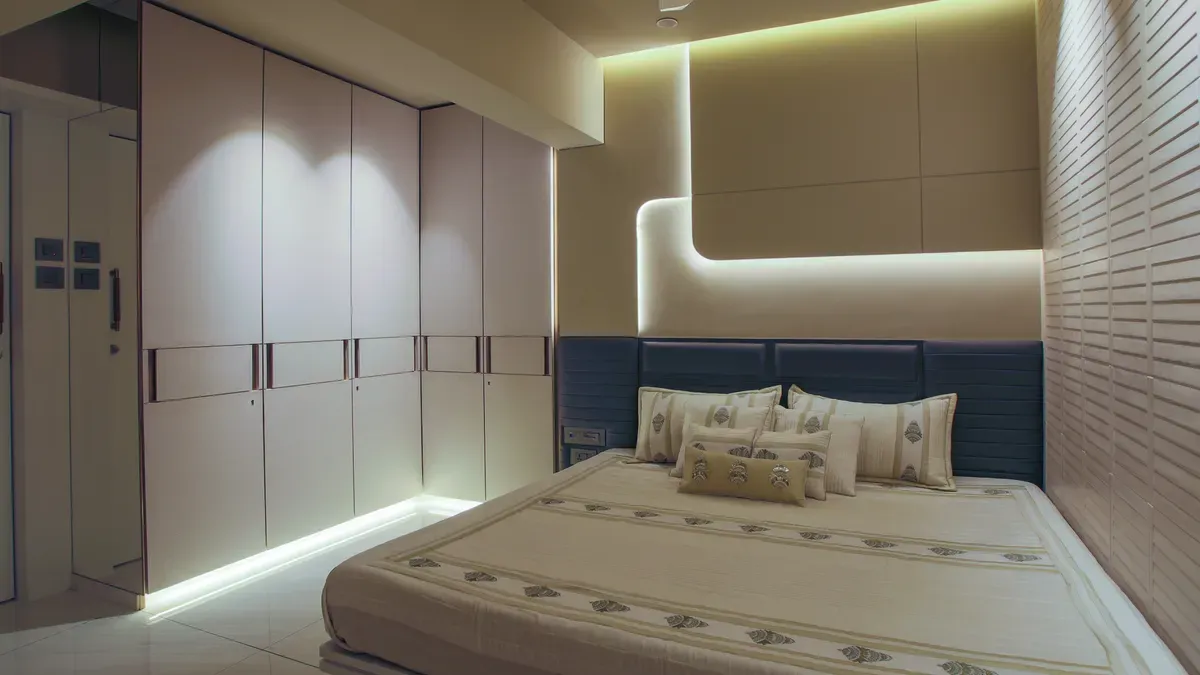
Each room needs its own amount of light. A bathroom needs bright, clear light for tasks like shaving or putting on makeup. A bedroom needs softer light so you can rest. When you match wattage to what the room is used for, you avoid dark spaces and wasted energy. The suggestions below come from common search data and good lighting practices.
Bathrooms and Hallways: 7W to 9W
Bathrooms and hallways need light that is focused and useful. A 7W to 9W LED Downlight works well in these spaces. These rooms are often small. They also need bright light for short amounts of time. A 9W model gives enough brightness for shaving, putting on makeup, or finding your keys. A higher wattage would waste energy in a small powder room.
Hallways do best with light spread out evenly. A row of 7W fixtures spaced evenly stops dark spots from forming. Liyinled's 3CCT models let users choose warm white for a cozy evening feel or cool white for clear daytime light. The dip switch tri-color technology changes the color temperature without needing new fixtures. Dimmable options give even more control. A hallway light can stay bright during the day and dim at night.
Bedrooms and Living Rooms: 10W to 18W
Bedrooms and living rooms need lighting that can change with the moment. These spaces serve many purposes. A bedroom is used for reading, dressing, and resting. A living room is used for talking, watching television, and spending time with family. A 10W to 12W model works for bedrooms. A 15W to 18W model works for living rooms and offices.
Bedroom lighting needs special care to create the right mood. According to a lighting guide, the best lumen level for bedroom LED downlights to create a relaxing ambiance is 100 to 150 lumens per square meter. A 4 meter by 4 meter bedroom covers 16 square meters. This room needs 1600 to 2400 total lumens. Four to six downlights rated at 400 lumens each reach this target. Liyinled's dimmable models let users lower brightness for bedtime and raise it for cleaning.
Living rooms need more power. A 15W model gives bright general illumination. An 18W model handles larger living rooms or home offices. The 3CCT feature lets users shift from warm white for movie nights to neutral white for work. This flexibility means one fixture type serves multiple moods. Liyinled's ultra-slim recessed design fits flush against the ceiling. The die-cast aluminum housing dissipates heat well. This design supports long life and consistent output.
Large spaces such as open-plan kitchens or commercial lobbies need 20W or more. Liyinled's lineup extends to 22W for these applications. The full 3W to 22W range covers every room in a home or business. Factory-direct supply from Guangdong Liyinled Lighting Co., Ltd. keeps pricing competitive. Buyers get professional-grade fixtures without retail markups.
How to Calculate Your Total LED Downlight Wattage Needs
A simple formula removes the guesswork from downlight shopping. The process starts with room size and ends with a fixture count. Guangdong Liyinled Lighting Co., Ltd. builds its LED Downlight series around this exact logic. The factory-direct lineup spans 3W to 22W. Each model lists a clear lumen output. Buyers can match those numbers to any room without overbuying or underbuying.
Step 1: Determine the Lumens You Need Per Square Foot
The first step sets a brightness target. Different rooms need different light levels. A living room needs about 20 lumens per square foot for general use. A kitchen needs 30 lumens per square foot because of detailed tasks like chopping and reading recipes. A bedroom needs only 10 to 15 lumens per square foot for a relaxed feel. A bathroom or hallway falls in the middle at 15 to 20 lumens per square foot.
Measure the room's length and width in feet. Multiply those two numbers to get the square footage. A 10-foot by 12-foot room equals 120 square feet. Multiply the square footage by the target lumens per square foot. For a living room, 120 square feet times 20 lumens per square foot equals 2,400 total lumens. That number is the brightness goal for the whole room.
Customers often ask which room needs the most light. Kitchens and workspaces top the list. They also ask if they can mix wattages in one room. The answer is yes. A single room can use different models for different zones. Liyinled's 3CCT dip switch technology lets users fine-tune color temperature after installation. This feature solves the common problem of buying the wrong color light.
Step 2: Divide by the Lumen Output of Your Chosen Downlight
The second step turns total lumens into a fixture count. Pick a Liyinled model and check its lumen rating. A 12W model from the APL-TD-4418A series produces about 1,100 lumens. Divide the room's total lumen need by that figure. For the 120-square-foot living room, 2,400 total lumens divided by 1,100 lumens per fixture equals 2.18. Round up to 3 fixtures. Three 12W downlights cover the space with a small buffer.
Buyers worry about two things during purchase. First, they fear buying too few fixtures and getting dark spots. Second, they fear buying too many and wasting money. The division step solves both concerns. It gives a precise count based on real lumen data. Liyinled's dimmable models add another layer of control. Users can install the calculated number of fixtures and then dim them for movies or brighten them for cleaning.
The ultra-slim recessed design fits standard ceiling cutouts. The die-cast aluminum housing handles heat well. These features matter in kitchens and offices where lights run for hours. A higher fixture count at lower wattage often beats fewer high-wattage units. Light spreads more evenly and shadows disappear. Liyinled's factory-direct supply keeps the cost per fixture low. Buyers get professional results without a lighting designer.
Key Factors That Influence Your LED Downlight Wattage Choice
Ceiling Height, Room Color, and Dimmability
Ceiling height changes how much light hits the floor. A normal 8-foot ceiling works well with the wattage ranges we already talked about. A 12-foot ceiling doubles the distance light has to travel. Taller ceilings need more wattage or more fixtures to keep the floor bright. Dark walls soak up light instead of bouncing it back. A room with deep paint colors needs about one step up in wattage compared to a white room. Liyinled's dimmable models fix both problems. Users put in a little higher wattage and dim it down when they don't need full brightness.
Dimmability adds control that fixed-output fixtures just can't match. A 15W dimmable model can run at 5W for relaxing in the evening and at full power for cleaning. Liyinled's ultra-slim recessed design fits different trims without losing this function. The 3CCT dip switch technology lets users change color temperature after installation. This feature answers a common buyer question: what if the color feels wrong after mounting? A quick switch fixes it without new fixtures.
Matching Trim Styles and Beam Angles to Your Space
Trim style shapes how bright a fixture looks. A baffle trim has a ribbed inside that soaks up light. It cuts glare and gives soft, spread-out light. Perceived brightness drops because the trim takes in some output. Living rooms and bedrooms look better with this softer style. A smooth reflector trim has a shiny inside that makes the most of light output. It bounces and boosts the light that comes out. Kitchens and bathrooms need this brighter performance. A gimbal or adjustable trim turns and tilts to aim light at specific spots. Accent lighting on art or sloped ceilings works best with this style.
Beam angle controls how far light spreads out. A 25-degree narrow beam makes a focused spotlight. A 15-degree beam makes shadows sharper. Wider angles spread light over a larger area. This wider spread means you need fewer fixtures to light a room. Buyers often ask which beam angle works for general lighting. A wider angle usually wins for open spaces. Liyinled's factory-direct lineup has options for every trim and beam preference.
Real-World Example: Calculating LED Downlight Wattage for a Kitchen
Applying the Formula to a 10x12 Foot Kitchen
A 10-foot by 12-foot kitchen is 120 square feet. Kitchens need more light than living rooms because you prepare food there. You need about 30 to 40 lumens for each square foot. Using the lower number gives you a good starting point.
For a kitchen, you should use 30–40 lumens per square foot. To find how many lights you need, multiply the room area (in square feet) by the lumens per square foot. Then divide by the lumens each light gives.
Start with the room area. One hundred twenty square feet times 30 lumens per square foot equals 3,600 total lumens. A 12W Liyinled model from the APL-TD-4418A series gives about 1,100 lumens. Divide 3,600 by 1,100 and you get 3.27. Round up to 4 lights. This makes sure light spreads evenly across the kitchen.
Put four lights in a grid pattern to cover the main cooking areas. This setup stops dark spots near cabinets and counters. The 3CCT dip switch lets each light change between warm, neutral, and cool white. Neutral or cool white works best for kitchen tasks. The ultra-slim recessed design fits standard ceiling cutouts without sticking out.
Adjusting for Task Areas Like the Island
A kitchen island needs special lighting. The island sits away from the wall counters. People often use it to prep food or eat. Ceiling lights may create shadows when someone stands at the island. Task lighting fixes that.
Add a separate 9W LED Downlight above the island to give focused light. A 9W model is bright enough for chopping vegetables or reading recipes. A gimbal trim lets you aim the light right at the work surface. This keeps shadows away from the cook.
The 9W light uses less energy than a bigger one. It works with the four 12W lights you already planned. Total power for all lights is 57 watts. This setup lights the whole kitchen well. Liyinled's dimmable models let you lower brightness during casual meals and raise it during active cooking. The die-cast aluminum housing lasts a long time even with frequent use.
Picking an LED Downlight means matching lumens to what a room is used for. More wattage does not always mean better light. Bathrooms and hallways do well with 7W to 9W. Bedrooms need 10W to 12W. Living rooms and offices work best at 15W to 18W. Liyinled's 3W to 22W lineup covers every space. A simple plan helps buyers get it right. First, measure the room. Second, use the lumen calculation guide. Third, pick the right downlights. With Liyinled's factory-direct quality and dimmable options, users get perfect, energy-efficient illumination every time.
FAQ
What rooms suit the Liyinled LED Downlight series?
The series works in homes, hotels, offices, and retail spaces. A 3W model gives accent lighting. Large living rooms or commercial lobbies use a 22W model. The 3CCT dip switch fits any space.
What worries customers most when buying downlights?
Customers fear picking the wrong brightness. Choosing by wattage alone causes this problem. Reading lumens instead gives the right result. Liyinled's factory-direct quality removes another common worry about fixture reliability.
What problems happen during downlight procurement?
Buyers often skip two steps. They do not measure room size first. They do not check lumen output per fixture. These mistakes lead to dark spots or overspending. The calculation guide in this article prevents both problems.
How does ceiling height change wattage needs?
A standard 8-foot ceiling matches normal wattage ranges. A 12-foot ceiling needs higher wattage or more fixtures. Dark wall colors also require more light. Liyinled's dimmable models handle these adjustments easily.
Are Liyinled downlights easy to install and dim?
Yes, many models use embedded mounting for fast installation. The ultra-slim design fits standard ceiling cutouts easily. Dimmable models give full brightness control. Die-cast aluminum housing keeps heat low.