LED Driver Quality: Why It Matters for Lighting Lifespan
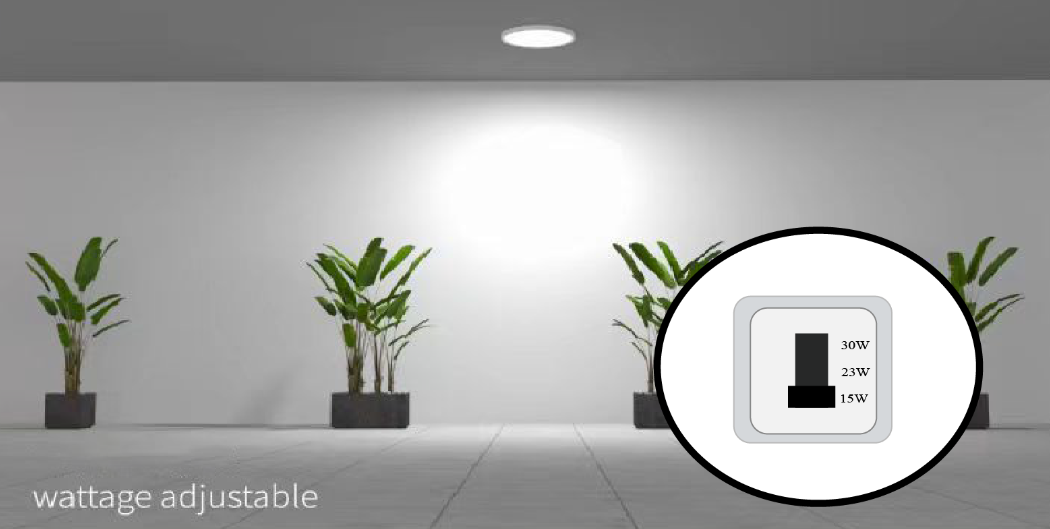
A homeowner replaces a "burnt out" LED bulb, only to find the LED chip still works. The driver—the small part inside—has failed. This happens every day in millions of homes.
The LED chip acts like the engine. The driver works as the transmission and fuel system. When the fuel system fails, the engine stops. Why does this boxy part matter more than the light itself?
Industry data shows the answer:
Failure Cause | Percentage |
|---|---|
LED chip failure | <5% |
Other elements | 5% |
LED driver failure | 90% |
Drivers cause ninety percent of LED failures. This article explains the technical reasons for this number. It also gives practical tips for spotting a driver built to last. The driver, not the chip, usually sets the limit on the whole lighting fixture's lifespan.
Key Takeaways
Nine out of ten LED failures are caused by the LED driver, not the chip.
A good driver keeps the current steady, which stops flickering and overheating.
Electrolytic capacitors are the weakest part; for every 10°C increase in heat, their lifespan drops by half.
Poor drivers overheat, causing a chain reaction that destroys the LED and the light fixture.
Pick drivers that have high efficiency ratings and certifications, such as CE and ISO9001, to ensure they last a long time and work reliably.
The Driver's Role in Lighting Lifespan
Converting Power and Regulating Current
Every LED light needs a driver. The driver does two main jobs. First, it changes AC power from the wall into DC power. LEDs need DC power to work. They cannot use AC power directly. Second, the driver controls the current. It makes sure the LED chip gets a steady, safe flow of electricity. This protection keeps the chip safe from changes in voltage.
Changing AC to DC is not perfect. It makes heat and wastes energy in each light. Studies show that skipping the AC/DC converter and using DC power directly can make the light about 6% more efficient. But most buildings still use AC power. A good driver cuts down these power losses with smart design. It uses better parts to change power with less waste. This efficiency also lowers the heat inside the driver. Less heat helps the parts last longer.
The driver also guards the LED chip from harm. The voltage from the wall can go up and down. A good driver smooths out these changes. It gives a steady current to the chip. This steady current stops the chip from getting too hot. It also prevents damage from sudden power surges. The driver is the first defense for the LED. Industry data shows that high-quality LED chips almost never fail completely. The driver is the main part that decides how long the light fixture will last. Its parts, especially electrolytic capacitors, break down over time. A high-quality driver with good parts can last many years. A low-quality driver may fail early, making the fixture last less long.
Why Stable Current Prevents Flicker and Failure
Flicker is a clear sign that the driver is failing. It happens when the current is not steady. The LED quickly turns on and off. This fast switching is not just annoying to look at. It puts stress on the LED chip. Over time, flicker can make the chip wear out and fail early. A steady current gets rid of flicker completely. It lets the LED work smoothly.
Steady current also stops thermal runaway. When the driver gives uneven power, the LED chip heats up unevenly. This heat harms the chip. It also harms the driver itself. The heat can make the driver's inside parts fail more quickly. A good driver with exact current control prevents these problems. It keeps the chip cool. It makes sure the lighting system works reliably for its full rated life. The driver decides the true life of the fixture, not just the LED chip.
Key Components of a Quality Driver
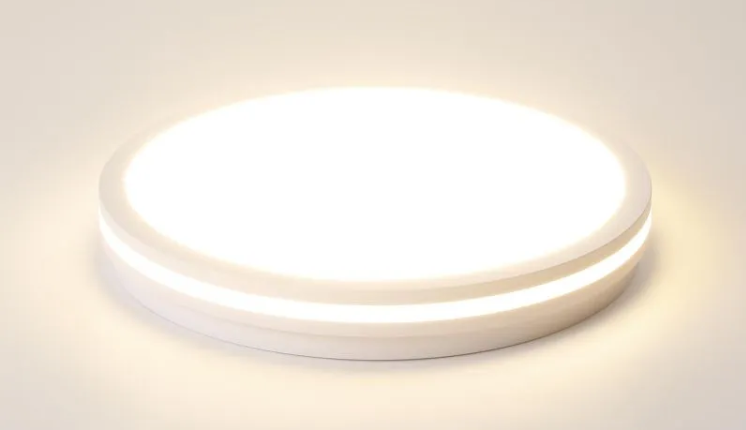
Electrolytic Capacitors: The Lifespan Clock
The electrolytic capacitor acts like a timer inside every LED driver. This small round part stores electrical energy and smooths out voltage changes. It also holds the sad title of being the least reliable part in the whole drive circuit. Industry tests show that a typical capacitor's life is at least 3-4 times shorter than the LED chip it helps. A standard capacitor might last under 25,000 hours. The LED itself can shine for 50,000 to 100,000 hours. This gap means the driver dies long before the light stops working.
Heat speeds up capacitor failure through a process called electrolyte evaporation. The liquid inside the capacitor slowly turns to gas and leaks out. Higher heat in modern, bright lights makes this evaporation happen much faster. As the electrolyte disappears, capacitance drops and resistance goes up. The driver can no longer smooth power. You may see flickering, dimming, or sudden total failure.
The Arrhenius equation controls this breakdown. For every 10°C rise in heat above the rated 105°C, the capacitor's life cuts in half. Engineers call this the '10°C doubling rule'. A capacitor rated for a certain lifetime at 105°C will last only half that at 115°C.
Another failure cause comes from power surges. Lightning or grid spikes can break the thin protective layer inside the capacitor. This causes an instant short circuit and sudden light death. Look for a bulging top, brown crusty leaked fluid, or a burnt smell.
Thermal Management and Efficiency Ratings
Efficient drivers make less heat. This simple fact guides every quality choice in driver design. A higher efficiency rating means less input energy turns into waste heat. That waste heat does not just vanish. It raises the temperature inside the driver case. It also heats the LED chip itself. Both effects shorten the whole lighting system's life.
Quality makers design for heat control from the start. They use aluminum cases that pull heat away from sensitive parts. They place capacitors away from hot areas. They pick parts rated for higher heat. LIYINLED, a maker with over 19 years of experience, runs a full quality testing system. Their aging tests, waterproof tests, and optical tests check that drivers keep working under steady heat. This careful testing makes sure the driver's inside temperature stays safe throughout its rated life.
Buyers often ask which spec matters most. The efficiency rating gives the clearest answer. A driver with 90% efficiency wastes only 10% of input energy as heat. A driver with 80% efficiency wastes twice as much. That extra heat speeds up capacitor aging and shortens the whole fixture's life. Smart buyers compare efficiency ratings before comparing prices.
Consequences of Poor Driver Quality
Overheating and Thermal Runaway
Low-quality drivers make too much heat when they work. This heat comes from poor power conversion and cheap parts inside. A bad driver might waste a significant portion of the energy it uses as heat. That wasted energy raises the temperature inside the light fixture. High heat harms every part in the lighting system.
Thermal runaway creates a dangerous loop. Heat makes the driver's parts work less well. Working less well makes more heat. More heat damages the parts even more. This loop keeps going until something breaks completely. It can take months or just days, depending on the room temperature and how the driver is built.
The electrolytic capacitor suffers the most from this heat. Its inside liquid evaporates faster when hot. The 10°C doubling rule applies here. A capacitor rated for a certain lifetime at 105°C will last only half that at 115°C, and a quarter at 125°C. Many cheap drivers run so hot that they cut capacitor life to a small part of what it should be. Users see flickering within months of setup. The light gets dimmer slowly. Then it stops working completely.
Heat also hurts the LED chip itself. High temperatures lower light output and change color quality. The chip breaks down faster when the driver sends too much current. Some low-quality drivers do not control current well. They let power spikes overheat the chip. This stress shortens the chip's useful life a lot. A chip rated for 50,000 hours might fail much earlier under these conditions.
The Domino Effect: How Driver Failure Kills the LED
Driver failure rarely happens alone. It starts a chain reaction that harms the whole light fixture. The process begins with small signs. Flicker appears during normal use. The light output becomes uneven. Strange buzzing sounds come from the driver case. These warning signs point to inside problems.
The first domino falls when the capacitor fails. The driver loses its ability to smooth voltage. The LED chip gets uneven power. This uneven power causes fast on-off cycling. Each cycle stresses the chip's inside connections. The stress creates tiny cracks in the semiconductor material. These cracks grow over time. Finally, the chip fails completely.
The second domino involves the driver's other parts. When the capacitor fails, other parts work harder to make up for it. The switching transistors handle more stress. The resistors carry more current than they are made for. These parts overheat and fail one by one. Each failure makes the remaining parts work harder. The cascade speeds up until the driver stops working entirely.
The third domino affects the fixture itself. A failing driver can send voltage spikes to the LED board. These spikes can destroy the solder joints that connect the chip. They can also damage the phosphor coating that makes white light. The fixture becomes useless even if the chip still works. Replacement becomes needed.
Quality parts break this chain. A well-built driver with good heat control keeps temperatures safe. High-grade capacitors resist evaporation. Exact current control protects the chip from stress. With proper care and quality parts, LED drivers can last a decade or more. This long life makes driver quality the main factor in long-term lighting reliability. Buyers who pick cheap drivers save money at first but pay more in replacement costs and labor. Those who choose quality drivers enjoy steady performance for years.
How to Choose a Quality Driver for Your Lighting
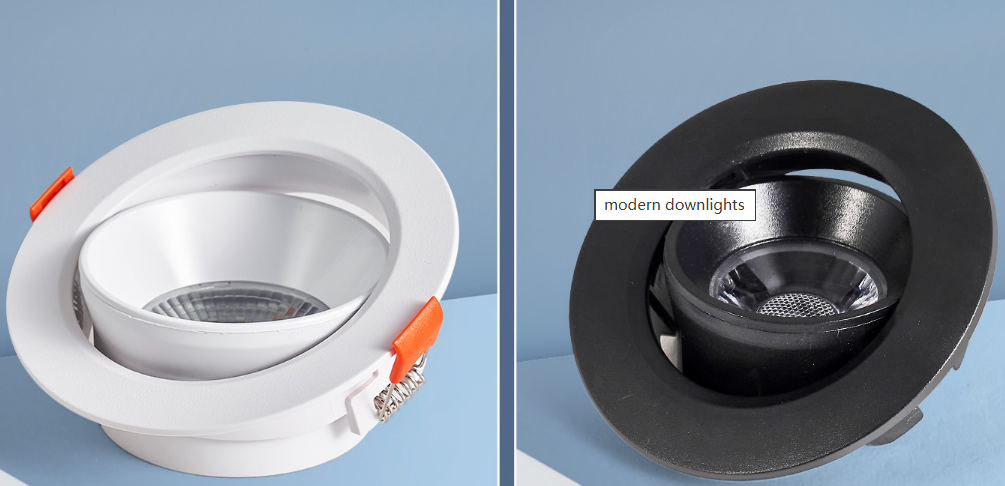
Look for Certifications and Efficiency Ratings
Certifications act as the first check when judging driver quality. Trusted makers send their products to independent labs. These labs test for safety, performance, and environmental rules. Look for certifications that indicate the product meets relevant safety and quality standards.
Each certification needs tough testing. The tests cover electrical safety, heat performance, and strength under pressure. A driver with these marks has passed real-world checks. A driver without them might still work, but the buyer takes on unknown risk. No certification often means the maker is cutting corners to save money.
Efficiency ratings give the second key check. The efficiency number tells buyers how much input power turns into useful light. A driver with a high efficiency rating wastes less input energy as heat, while a driver with a lower efficiency rating wastes more. That extra heat speeds up capacitor aging and shortens the whole light's life. Buyers should compare efficiency ratings before looking at prices. A slightly pricier driver with higher efficiency often costs less over time. The energy savings and longer life make up for the higher starting price.
Why LIYINLED Sets the Standard for Reliability
LIYINLED is a top maker in the commercial and outdoor LED lighting field. The company has many years of experience and a large production facility. This long history means the company has improved its production steps through years of https://www.liyinlighting.com/real-world feedback.
The production site includes a dust-free workshop to prevent contaminants from harming sensitive electronic parts during assembly. The site also has a separate fully automated SMT workshop for precise part placement. Automated injection molding machines make steady housings that protect the inside electronics.
LIYINLED runs a full quality testing system. Every driver goes through aging tests that copy years of use in a short time. Waterproof tests check that the drivers can handle outdoor conditions. Optical tests confirm the light output meets specs. These tests catch flaws before products ship to customers. The company holds various certifications that demonstrate a commitment to global quality standards.
The company's product line covers commercial lighting and outdoor lighting solutions. Buyers can look at commercial lighting options that use these reliable drivers. The outdoor lighting collection includes fixtures built for tough weather. Each product gets the same strict driver testing. LIYINLED also offers OEM and ODM services. Buyers can change power specs, beam angles, color temperatures, and control systems. The company's large scale ensures steady supply and reliable quality for every project.
The driver is still the weakest part of any LED fixture. It sets the real lifespan of the light, not the chip. A quality driver from a trusted brand like LIYINLED costs more at first. That cost pays off by stopping early failures and costly repair work.
Buyers who only compare lumens and prices often face early replacement costs. Those who check driver specs enjoy years of steady performance. Certifications, efficiency ratings, and thermal design show a driver's true quality.
Don't just look at the lumens; look at the driver. Your lighting investment depends on it.
Check the specs on your next purchase. Think about the long-term benefits of choosing a brand with proven reliability.
FAQ
How do I identify a high-quality LED driver before purchase?
First, check the efficiency rating. A driver with high efficiency turns less power into heat. Look for relevant certifications that prove safety and quality. Also examine the thermal design. Good makers share detailed specs and test results.
What certifications indicate a reliable LED driver?
Relevant certifications from independent testing labs show proven quality. Each certification needs independent tests for safety, performance, and the environment. Makers with many certifications show they care about reliability.
How long does a quality LED driver typically last?
A well-built driver with good capacitors can last 10 years or more. The electrolytic capacitor often decides the lifespan limit. High-grade capacitors rated for 105°C resist heat damage. Complete quality testing catches early failures.
Why do LED lights often fail before their rated lifespan?
Driver failure causes over 90% of LED light failures. Low-quality parts and poor heat control shorten driver life. The LED chip itself rarely fails. The driver's quality decides the fixture's true lifespan.
What should buyers consider when choosing a lighting manufacturer?
Look for a maker with long experience and certified factories. Quality control processes like comprehensive testing for aging, waterproofing, and optical performance show reliability. OEM/ODM services show technical skill.