pros and cons of LED track lighting vs traditional lighting
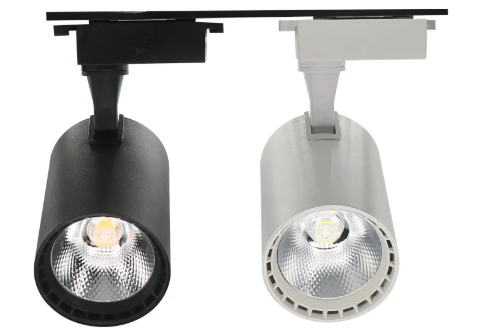
The modern lighting market shows a decisive shift toward LED technology, a trend confirmed by its dominant market share in both home and commercial spaces.
For most installations, LED track lighting provides superior energy efficiency and longevity, and led light manufacturers now produce a vast range of advanced led light fixtures. A professional LED Track Light Manufacturer will highlight how their led track lights outperform traditional systems. Conversely, traditional track lighting’s main appeal is its low initial cost, but this track lighting option lacks the flexibility of modern led track lights. The best track lighting choice, whether a specific LED Track Light or a traditional fixture, depends on balancing upfront investment with the long-term value and desired performance of the led system.
The Case for Modern LED Track Lighting
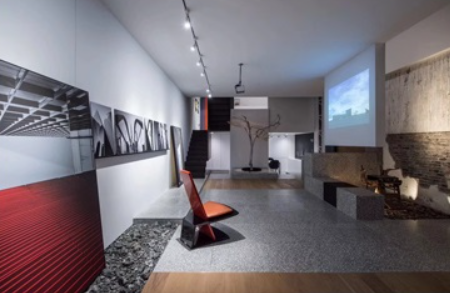
Modern LED track lighting systems offer a compelling package of performance, efficiency, and control. While every technology has its advantages and disadvantages, the benefits of LED technology far outweigh its drawbacks for most applications. An examination of its core features reveals why it has become the standard for contemporary lighting design in both commercial and residential settings.
The Major Pros of LED Track Lights
The widespread adoption of LED track lights stems from a clear set of powerful advantages. These systems deliver not just illumination but also significant long-term value.
Unmatched Energy Efficiency
LED track lights lead the industry in energy efficiency. They convert a much higher percentage of electricity into light compared to heat. This efficiency is measured in lumens per watt (lm/W). A higher number means more light output for less energy consumed.
Light Type | Efficiency (lumens/watt) |
|---|---|
Incandescent | ~13 lm/W |
Halogen | ~14.5 lm/W |
LED | ~50+ lm/W |
This efficiency gap means LED track lights can reduce electricity consumption from lighting by up to 70%. The lower power draw translates directly into smaller monthly energy bills, a significant financial benefit over the system's life.
Exceptional Lifespan and Durability
A standout feature of LED technology is its remarkable lifespan. Most LED bulbs are rated for over 25,000 hours of operation. Some high-quality LED track lights last even longer. This longevity drastically reduces the need for frequent bulb replacements, saving money on both materials and labor. Unlike fragile traditional bulbs, LED lights are solid-state devices, making them more resistant to shock and vibration.
Ultimate Design Flexibility and Control
LED track lighting provides unparalleled control over a space's illumination. Key features include:
Adjustable Heads: Users can easily aim individual light heads. This allows for precise highlighting of artwork, architectural details, or retail products.
Smart Technology: Many modern LED track lights integrate with smart home systems. Users can control brightness and color temperature through mobile apps or voice commands.
Adaptive Systems: Advanced LED systems use sensors to detect occupancy or ambient light levels. They automatically adjust lighting to optimize energy use and create dynamic environments.
This flexibility makes track lighting perfect for retail spaces, where it can guide customer flow and create focal points. It also excels in a home with an evolving layout.
Superior Light Quality for Any Task
Modern LED track lights deliver exceptional, high-quality illumination. They offer flicker-free light that reduces eye strain, making them ideal for task-oriented areas like kitchens and offices. Furthermore, LED technology provides superior control over the light's appearance.
Tip: Understanding Light Quality Two key metrics define the quality of LED light:
Color Rendering Index (CRI): A high CRI (often 90+) means the light reveals the true, vibrant colors of objects, which is crucial for retail and art galleries.
Color Temperature (CCT): LED track lights offer a range from warm white (cozy, relaxing) to cool white (energizing, task-focused), allowing you to create the perfect ambiance.
Innovations like tunable white light even allow users to adjust the color temperature to mimic natural daylight, potentially improving mood and productivity.
Cooler and Safer Operation
Traditional incandescent and halogen bulbs waste over 80% of their energy as heat, making them extremely hot to the touch. This poses a burn risk and can increase cooling costs. LED track lights operate via electroluminescence, a process that generates very little heat. This makes the LED fixtures much cooler and safer to handle, reducing fire hazards and lessening the load on air conditioning systems.
The Potential Cons of LED Track Lighting
Despite their numerous benefits, LED track lights have a few potential drawbacks. Homeowners and businesses should consider these factors before making a final decision.
Higher Upfront Investment
The most significant barrier for many is the initial purchase price. A complete LED track lighting system, including the tracks, power feeds, and individual LED heads, costs more than a simple traditional fixture. However, this cost should be viewed as a long-term investment.
Factor | Payback Period (Years) | Return on Investment (ROI) |
|---|---|---|
Energy Savings Alone | ~5.6 Years | 18% |
Energy Savings + No Replacements | ~5.1 Years | 19.5% |
All Savings + Rebates | < 4 Years | 25.1% |
The system often pays for itself within a few years through energy savings and eliminated maintenance costs. Many regions also offer rebates for energy-efficient upgrades, further reducing the net cost.
More Involved Installation Process
Installing track lighting is more complex than replacing a single ceiling fixture. The process requires planning a layout, mounting the track, and connecting it to a power source. While a straightforward DIY project for some, more complex layouts or integrating smart controls may require a professional electrician. This adds to the initial setup cost and effort.
Potential for a Busy Aesthetic
While many appreciate the modern, intentional style of track lighting, it can sometimes create a "busy" look. In a room with very clean, minimalist decor, the visible tracks and multiple light heads might feel cluttered. Choosing a sleek, low-profile track and a complementary fixture style is key to ensuring the system enhances, rather than detracts from, the room's design.
Dimmer and System Compatibility
One of the most common technical drawbacks involves dimming. LED drivers require compatible dimmer switches. Using an older dimmer designed for traditional bulbs with new LED track lights can cause numerous problems:
Flickering or strobing
Audible buzzing or humming
"Ghosting," where the LED glows faintly when off
A limited dimming range or sudden "drop out" at low levels
To avoid these issues, you must install an LED-compatible dimmer (e.g., an ELV or TRIAC dimmer, depending on the fixture). Always check the manufacturer's specifications for both the LED track lights and the dimmer to ensure they work together seamlessly.
A Look at Traditional Lighting (Incandescent & Halogen)
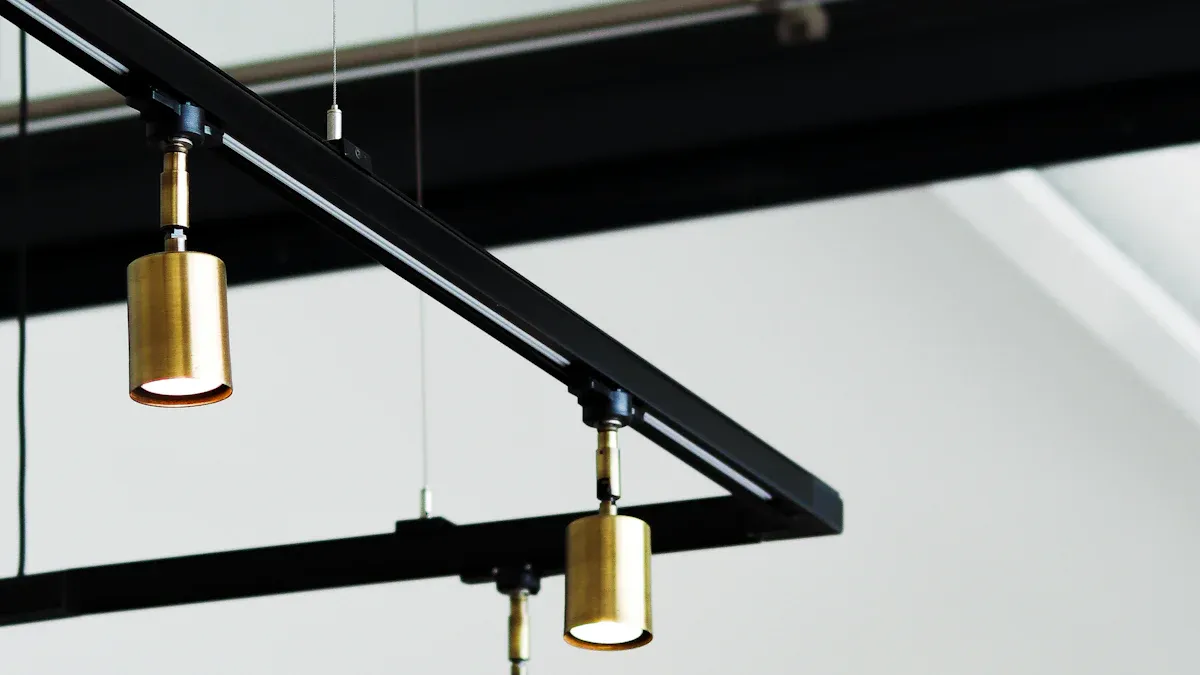
Before the rise of LED technology, traditional incandescent and halogen bulbs were the standard for residential and commercial lighting. These technologies generate light by heating a tungsten filament until it glows. While they have been largely superseded, understanding their specific advantages and disadvantages is crucial for a complete comparison. Both options have notable drawbacks that limit their application in modern design.
The Pros of Traditional Lighting Fixtures
The continued presence of traditional lighting in the market is due to a few specific benefits, primarily centered on cost and familiarity.
Lowest Initial Purchase Cost
The most compelling argument for traditional track lighting is its low upfront price. For projects with extremely tight budgets, the initial savings can be attractive. A basic traditional track lighting kit, including an 8-foot track and several light heads, might start in the $150-$250 range. This makes it a seemingly affordable entry point for directional lighting.
Simple and Familiar Installation
The installation process for traditional fixtures is straightforward and familiar to most electricians and DIY enthusiasts. These systems connect directly to a standard junction box without the need for specialized drivers or compatibility checks for dimmers. This simplicity can reduce installation time and complexity compared to some advanced LED systems.
Classic Warm Ambient Glow
Traditional incandescent and halogen bulbs are known for producing a specific quality of light that many people find appealing.
Incandescent bulbs emit a warm, yellowish light, typically around 2700K on the color temperature scale. This "soft white" light creates a pleasant, cozy, and welcoming ambiance. It is often sought after for living rooms and dining areas to establish a comfortable and relaxing mood. This particular style of light renders skin tones and warm-colored decor very favorably.
Wide Availability in Stores
Despite the market shift toward LED, traditional incandescent and halogen bulbs remain widely available in hardware stores and home centers. This accessibility makes finding a quick replacement bulb a simple task, which can be a convenience for some users.
The Cons of Traditional Track Lighting
The benefits of traditional lighting are heavily outweighed by significant performance and safety-related drawbacks. These issues make it a poor long-term investment.
Extremely High Energy Consumption
The primary flaw of traditional technology is its extreme energy inefficiency. The process of heating a filament wastes an enormous amount of energy as heat.
Incandescent bulbs convert only about 10% of the electricity they use into visible light.
Halogen bulbs, an improvement on incandescent, are still vastly less efficient than an LED.
A typical 50-watt halogen track light head produces the same brightness as a 7-watt LED equivalent. This means a traditional system can use up to 85% more energy to produce the same amount of light, leading to significantly higher electricity bills.
Frequent and Costly Bulb Replacements
The lifespan of traditional bulbs is exceptionally short compared to modern alternatives.
Bulb Type | Average Lifespan (Hours) |
|---|---|
Incandescent | 800 - 1,200 |
Halogen | ~2,500 |
LED | 25,000+ |
This short lifespan means a traditional track lighting system requires constant maintenance. The cycle of purchasing and replacing bulbs adds significant long-term cost and labor, negating any initial savings.
Significant Heat Output and Safety Risks
The immense energy waste from traditional bulbs is released as intense heat. Halogen bulbs can reach operating temperatures of over 572°F (300°C). This creates several safety hazards:
Burn Risk: The fixtures become dangerously hot to the touch, posing a risk to anyone adjusting a light head.
Fire Hazard: Placing these hot lights too close to flammable materials like curtains, artwork, or low ceilings increases the risk of fire.
Connection Failure: In a traditional track lighting setup, the repeated heating and cooling cycles can loosen electrical connections over time, leading to overheating and potential failure.
Fixed and Inflexible Illumination
While users can aim the heads of a track lighting system, the quality of the light itself is fixed. Unlike a modern LED, a traditional bulb offers no ability to change color temperature or integrate with smart controls for dynamic adjustments. The illumination is static, limiting its use in multi-purpose spaces where different moods or tasks require different types of light.
Poor Dimming Performance
Although traditional bulbs are universally dimmable with simple rheostat dimmers, their performance is not ideal. As they dim, the light becomes progressively more orange and red, significantly altering the color of illuminated objects. They lack the smooth, consistent color profile that a high-quality, modern LED system maintains across its entire dimming range.
Cost Analysis: LED vs. Traditional Track Lighting
A financial comparison reveals a clear trade-off between short-term expenses and long-term value. While traditional track lighting offers a lower entry price, the superior efficiency of an LED system delivers significant returns over its lifespan. Analyzing both initial and operational costs is essential for making an informed decision.
Breaking Down the Initial Investment
The upfront cost is often the first factor buyers consider. Here, traditional systems appear to have an advantage, but a closer look at all components is necessary.
Fixture and Track System Costs
A basic traditional track lighting system is generally less expensive to purchase than a comparable LED track lighting system. The fixtures and tracks for older technologies are simpler to manufacture. However, the price gap is narrowing as LED technology becomes more widespread.
Bulb and Component Pricing
Individual traditional bulbs are very cheap. In contrast, the heads for LED track lights cost more per unit. These LED heads are complete, integrated components containing the LED chip and driver. This higher initial price reflects their advanced technology and much longer operational life.
Comparing Professional Installation Fees
Installation costs for track lighting depend heavily on the project's complexity. If a home already has an overhead junction box, installing a simple track lighting system often costs between $100 and $300. For new installations requiring wiring, the total can range from $500 to $2,500. Some estimates place the cost to install track lighting fixtures between $549 and $765 per fixture, a price that varies by location and project details. These fees are generally the same for both LED and traditional systems.
Calculating Your Long-Term Savings with LED
The true financial benefit of LED track lights becomes clear when evaluating the cost over time. The initial investment is quickly offset by substantial operational savings.
How LED Reduces Your Monthly Electric Bill
The high efficiency of LED track lights directly lowers electricity bills. You can calculate your potential energy savings with a few simple steps.
How to Project Your Savings:
Find your 'blended rate' on your utility bill by dividing the total bill amount by the total kilowatt-hours (kWh) used.
Calculate the annual energy use of your current lights:
(Number of Bulbs * Wattage * Hours Used Per Year) / 1,000 = Annual kWh.Multiply the annual kWh by your blended rate to find your current annual lighting cost.
Repeat step 2 using the lower wattage of the proposed LED track lights.
Subtract the new projected LED cost from your original lighting cost to see your annual savings.
Eliminating Replacement Bulb Costs
A key advantage of LED technology is its longevity. An LED bulb lasts over 25,000 hours. A traditional bulb may only last 1,200 hours. This means you would replace a traditional bulb more than 20 times before replacing a single LED. This cycle of purchasing and replacing bulbs for a traditional system adds up to a significant hidden cost that LED systems eliminate.
Factoring in Maintenance and Labor Savings
The "set it and forget it" nature of LED track lights provides additional value. For businesses, this means no labor costs for staff to constantly change burnt-out bulbs. For homeowners, it means no time wasted on ladders. This reduction in maintenance makes an LED system a more convenient and cost-effective solution.
Energy Efficiency: A Head-to-Head Comparison
The most significant distinction between LED and older lighting technologies lies in their energy efficiency. An LED system consumes far less power to produce the same amount of light. This core difference creates substantial financial and environmental benefits over the life of the fixture. A direct comparison reveals why LED technology is the superior choice for modern track lighting installations.
Power Consumption and Performance
Understanding how each technology consumes electricity is key to appreciating the performance gap. Traditional lighting wastes a vast amount of energy as heat, while LED technology is designed for optimal light conversion.
Watts vs. Lumens: The Efficiency Gap
Watts measure energy consumption, whereas lumens measure light output. The goal of efficient lighting is to achieve high lumens with low wattage. LED technology excels at this.
For example, an LED track head can produce over 1,195 lumens while consuming only 16 watts, making it equivalent to a 50-watt halogen bulb. Another LED unit might offer 1,217 lumens for just 17 watts, replacing a 100-watt halogen equivalent.
This demonstrates that LED track lights can deliver the same brightness using up to 80% less energy. This massive efficiency gap is the primary driver of long-term savings.
Real-World Impact on Your Energy Bills
The lower wattage of an LED system translates directly into lower electricity bills. A track lighting system with multiple heads operates for several hours a day. The cumulative energy savings from using 16-watt LED heads instead of 50-watt halogen heads become significant month after month. This reduction in power consumption makes LED track lights a financially smart investment that lowers operational costs for any home or business.
The Environmental Benefits of Choosing LED
Choosing an LED system extends its advantages beyond just cost savings. The technology offers a much more sustainable and environmentally responsible lighting solution.
Reducing Your Carbon Footprint
Lower energy use means a smaller carbon footprint. Since LED lights demand significantly less electricity from the power grid, they reduce the carbon dioxide emissions associated with energy generation. Switching to LED lighting can improve a household's energy efficiency by approximately 80% compared to traditional incandescent bulbs. This simple change makes a tangible contribution to a greener environment.
Minimizing Waste from Replacements
The long lifespan of LED bulbs dramatically reduces physical waste. A single LED can last for decades, preventing dozens of burnt-out bulbs from ending up in landfills.
Light Type | Average Lifespan (Hours) |
|---|---|
Halogen | 3,000 |
LED | 50,000 |
Furthermore, LED lights are a safer choice for disposal. Unlike some older bulbs, an LED contains no hazardous materials like mercury. The solid-state construction of an LED also makes it more durable and less prone to breakage than the fragile filaments in halogen bulbs. This combination of longevity and cleaner materials makes LED the clear winner for environmental stewardship.
Lifespan and Maintenance Deep Dive
Beyond initial cost and energy use, the lifespan and maintenance requirements of a lighting system define its true long-term value. LED technology offers a dramatic advantage in both areas. It provides years of reliable service with minimal intervention. Traditional lighting, in contrast, demands constant attention and replacement.
How Long Do LED Track Lights Really Last?
The operational life of a bulb is a critical factor. The difference between LED and older technologies is not incremental; it is exponential. This longevity transforms the ownership experience.
Average Rated Hours for LED Bulbs
Modern LED track lights are engineered for extreme durability. A quality LED bulb can operate for 25,000 to 50,000 hours. This extended lifespan means an LED fixture installed today could function for decades without needing a single replacement. The quality of the LED components, including the driver and heat dissipation system, directly impacts how long the LED will last.
Bulb Type | Lifespan (Hours) |
|---|---|
60-watt Halogen | 1,000 to 2,250 |
60-watt LED | 10,000 to 25,000 |
This vast difference highlights the superior engineering behind LED technology.
The Short Lifespan of Traditional Bulbs
Traditional incandescent and halogen bulbs have a notoriously short operational life. A standard halogen bulb may only last between 500 and 2,000 hours. This means in the time it takes for one premium LED to fail, a user might have to replace a halogen bulb over 20 times. This constant replacement cycle is a major drawback of older track lighting systems.
The Reality of Ongoing Maintenance
Maintenance directly translates to cost and effort. The "set it and forget it" nature of LED track lights contrasts sharply with the hands-on requirements of older systems.
The "Set It and Forget It" Nature of LED
The long life of an LED means maintenance is virtually nonexistent. Once installed, an LED track lighting system requires little more than occasional dusting. There are no bulbs to change for many years. This reliability is especially valuable in commercial settings or homes with high ceilings where changing bulbs is difficult and costly. Key factors for a long-lasting LED system include:
High-quality LED beads for stable light output.
A reliable driver to provide consistent power.
Effective heat dissipation to protect internal components.
These elements work together to make LED track lights a truly low-maintenance solution.
The Constant Replacement Cycle of Traditional Lighting
Maintaining a traditional track lighting system is an ongoing chore. The short bulb life creates a constant cycle of purchasing and replacing components.
Typical Maintenance Tasks for Traditional Systems:
Frequent Bulb Replacement: Users must regularly check for and replace burnt-out bulbs.
Fixture Inspection: The intense heat from halogen bulbs can loosen fixtures over time, requiring periodic tightening.
Contact Cleaning: Electrical contacts on the track and fixtures need inspection and cleaning to prevent corrosion and flickering.
This repetitive labor adds significant hidden costs and hassle, negating the low initial purchase price of the track lighting.
Light Quality, Versatility, and Ambiance
Effective lighting goes beyond simple brightness. It involves shaping a space with light quality, versatility, and mood. Modern LED track lights provide an unmatched level of control in these areas, far surpassing the capabilities of older lighting technologies. This control allows homeowners and designers to craft a precise atmosphere for any room.
Customizing Your Space with Track Lighting
The core advantage of track lighting is its inherent adaptability. A single system can serve multiple functions, evolving with the needs of a space.
The Power of Adjustable Light Heads
The primary feature of adjustable track lighting is the ability to aim each light head independently. Users can slide fixtures along the track and rotate them to direct light exactly where it is needed. This flexibility allows for highlighting architectural details one day and focusing on a reading nook the next. This dynamic capability makes track lighting a powerful tool for any home.
Creating Layers: Task, Accent, and Ambient Light
A well-designed space uses layers of light for function and style. Flexible track lighting excels at creating these layers from a single system.
Ambient Light: Wide-beam fixtures can wash walls with light, creating a general, foundational brightness for the room.
Task Light: Focused track heads with a cooler light provide concentrated illumination over kitchen counters, desks, or workspaces.
Accent Light: Pinpoint fixtures can spotlight artwork or decorative objects, adding drama and visual interest.
This layered approach offers superior comfort and flexibility, making the lighting system adaptable to any activity.
The Static Nature of Traditional Fixtures
Traditional fixtures, like a single ceiling-mounted light, offer static, one-dimensional illumination. They cannot create layers or adapt to changing room layouts. This lack of flexibility makes them less suitable for modern, multi-purpose living spaces where different activities require different lighting solutions.
Achieving the Perfect Mood and Color
The quality of light itself profoundly impacts a room's feel. Modern LED technology gives users precise control over color and intensity.
Understanding Color Rendering Index (CRI)
Color Rendering Index (CRI) measures how accurately a light source reveals the true colors of objects. A high CRI is essential for both accent and task lighting. For accenting, a high-CRI LED light ensures artwork and decor appear vibrant and true. For tasks, it allows for accurate color perception, which is vital for everything from cooking to crafting. The best LED track lights offer a high CRI, a feature where traditional track lighting often falls short.
The Importance of Smooth Dimming
The ability to dim lights smoothly is key to setting a mood. High-quality LED systems dim without flickering or buzzing. Unlike a traditional bulb that turns orange when dimmed, a good LED maintains its color temperature for a consistent look at any brightness level.
Choosing Between Warm and Cool Light
LED technology offers a wide spectrum of color temperatures, from warm to cool. A warm, yellowish light (around 2700K) creates a cozy, relaxing style perfect for living rooms. A cool, bluish-white light (4000K+) promotes focus and is ideal for a home office. This choice allows users to tailor the ambiance of each room, a level of customization the fixed warm glow of a traditional incandescent bulb cannot match.
Installation Guide: Setting Up Your Lighting System
Setting up a new lighting system involves careful planning and execution. The process differs significantly between modern LED track lights and older traditional fixtures. Understanding these differences helps homeowners and businesses choose the right approach for their project.
How to Install LED Track Lighting
Installing LED track lighting is a multi-step process that requires attention to detail. Proper planning ensures the final system meets both functional and aesthetic goals.
Planning Your Ideal Track Layout
The first step is to plan the layout. A person should assess the space and identify key areas or objects for illumination. This planning phase involves measuring the ceiling and marking the intended path for the track lighting. A level helps ensure the track will be perfectly straight or follow a desired curve.
Power Source and Wiring Considerations
A successful installation depends on a proper power source. The track lighting system needs to connect to a ceiling junction box. The installer connects the power feed to the track by attaching the hot, neutral, and ground wires. If a junction box is not available in the desired location, a professional electrician may need to install one.
Deciding Between DIY and a Professional
Many people can install a basic LED track lighting system themselves. A DIY approach requires specific tools and a clear understanding of the process.
DIY Installation Steps:
Preparation: Turn off power at the circuit breaker and confirm with a tester.
Mounting: Secure mounting brackets to the ceiling along your marked path.
Wiring: Connect the track's power feed to the junction box wires.
Assembly: Snap the track into the brackets and attach the LED light heads.
Testing: Restore power and test the new LED track lights.
While a DIY installation is possible, complex layouts or wiring challenges may require a professional. Hiring an electrician ensures the system is safe and compliant with local electrical codes. The advanced nature of some LED systems makes professional help a wise investment.
The Simplicity of Installing Traditional Lighting
The installation of traditional track lighting is often simpler. Its familiar technology presents fewer complexities than a modern LED system.
Replacing an Existing Fixture
In many cases, installing a traditional system is as simple as replacing an old ceiling fixture. The new track can mount directly over the existing junction box. This straightforward replacement minimizes the need for new wiring or extensive ceiling work.
Basic Wiring for a Single Junction Box
The wiring for a traditional fixture is very direct. It connects to a standard junction box without needing special drivers or smart control modules. This simplicity avoids the compatibility issues that can arise with advanced LED setups. While all electrical work demands care, the basic nature of a traditional system makes it a more familiar task for many DIY enthusiasts.
Application Showdown: Where Each Type Shines
The choice between LED and traditional lighting often depends on the specific application. Modern LED track lights offer a level of flexibility that makes them ideal for dynamic environments. In contrast, traditional systems fill specific, narrow roles where long-term performance is not the primary concern.
Best Uses for Flexible LED Track Lighting
The adaptability of LED technology makes it the superior choice for most modern applications. Its ability to provide layered, adjustable light serves numerous functions within a single space.
Kitchens and Workspaces
Kitchens and home offices demand high-quality task lighting. An LED track lighting system excels in these areas.
The adjustable heads provide focused light for work areas like kitchen counters. This offers an extra boost of brightness for tasks like slicing and sautéing. Users can select an LED with a bright, clean light over 4,500 Kelvins for task zones.
This targeted illumination ensures safety and precision. The same track lighting system can use a different LED head with a warmer light to create ambiance elsewhere in the room.
Art Galleries and Retail Displays
Galleries and stores require lighting that enhances products and artwork. The flexible heads of LED track lights are perfect for spotlighting, inviting viewers to appreciate textures and colors. The ability to easily reposition each light head allows staff to adapt the lighting for new displays. A high-CRI LED ensures that colors appear true and vibrant, which is critical for sales and presentation.
Living Rooms with Evolving Layouts
A modern home often has a living room that serves multiple purposes. The layout may change to accommodate guests or new furniture. This is where the versatility of track lighting shines. Homeowners can easily slide and redirect fixtures to illuminate a reading chair one day and a game table the next. This adaptability ensures the lighting in the home always matches its function and style.
Niche Roles for Traditional Lighting
While largely outdated, traditional track lighting still has a few specific uses. These applications prioritize upfront cost or a particular aesthetic over efficiency and longevity.
Temporary or Short-Term Installations
For temporary situations like a pop-up shop or a rented space, the low initial cost and simple installation of a traditional system can be appealing.
Installation is easy and familiar.
The fixtures are less expensive to purchase.
Handling is trouble-free for basic dimming needs.
These factors make it a practical choice when a long-term investment is unnecessary.
Areas Where Cost is the Only Factor
In projects with an extremely strict, non-negotiable budget, the lower purchase price of a traditional fixture might be the deciding factor. This choice prioritizes immediate savings over the significant long-term operational costs from high energy use and frequent bulb replacements. This approach is only logical when upfront capital is the single most important constraint.
Achieving a Specific Vintage Aesthetic
Sometimes, a design requires a specific historical style. The warm, yellowish glow of an incandescent bulb creates a distinct vintage ambiance that a modern LED cannot perfectly replicate. For designers aiming to achieve an authentic retro or industrial look, the unique quality of traditional light can be a deliberate stylistic choice.
For long-term value and efficiency, LED track lighting is the definitive winner. The higher initial cost of LED track lights is an investment. It delivers significant returns through lower energy bills and minimal maintenance. The drawbacks of traditional track lighting limit its use. A traditional system should only be considered for temporary solutions. To create a modern and cost-effective environment, choosing an LED track lighting system is the smartest decision. The superior performance of LED track lights makes the LED the clear choice for any track lighting project.
FAQ
Is LED track lighting worth the higher initial cost?
Yes. The higher upfront cost is a long-term investment. An LED system delivers significant savings through lower energy bills and by eliminating frequent bulb replacements. The return on investment makes it the more economical choice over time.
Can I use my old dimmer with new LED track lights?
It is not recommended. Using an incompatible dimmer often causes flickering, buzzing, or poor performance. A person must install an LED-compatible dimmer (e.g., ELV or TRIAC) to ensure smooth, reliable operation. Always check manufacturer specifications.
How much longer do LED bulbs last than halogen bulbs?
LED bulbs offer a dramatically longer lifespan.
A quality LED bulb operates for 25,000 to 50,000 hours. In contrast, a halogen bulb typically lasts only 1,000 to 2,500 hours. This means one LED can outlast more than 20 halogen bulbs.
What is the main advantage of traditional track lighting?
The primary advantage is its low initial purchase price. For projects with an extremely strict, short-term budget, the lower upfront cost of a traditional system can be its most compelling feature.
Can I install track lighting myself? 🛠️
A DIY installation is possible for simple layouts where a junction box already exists. However, for complex designs or new wiring, hiring a professional electrician is the safest choice. This ensures the system is code-compliant and functions correctly.
Why are LED track lights considered safer?
LEDs produce very little heat, so the fixtures remain cool to the touch. This quality reduces burn risks and fire hazards. Traditional halogen bulbs become extremely hot, creating safety concerns, especially near flammable materials.