Lumens vs Watts: Understanding LED Lighting Efficiency
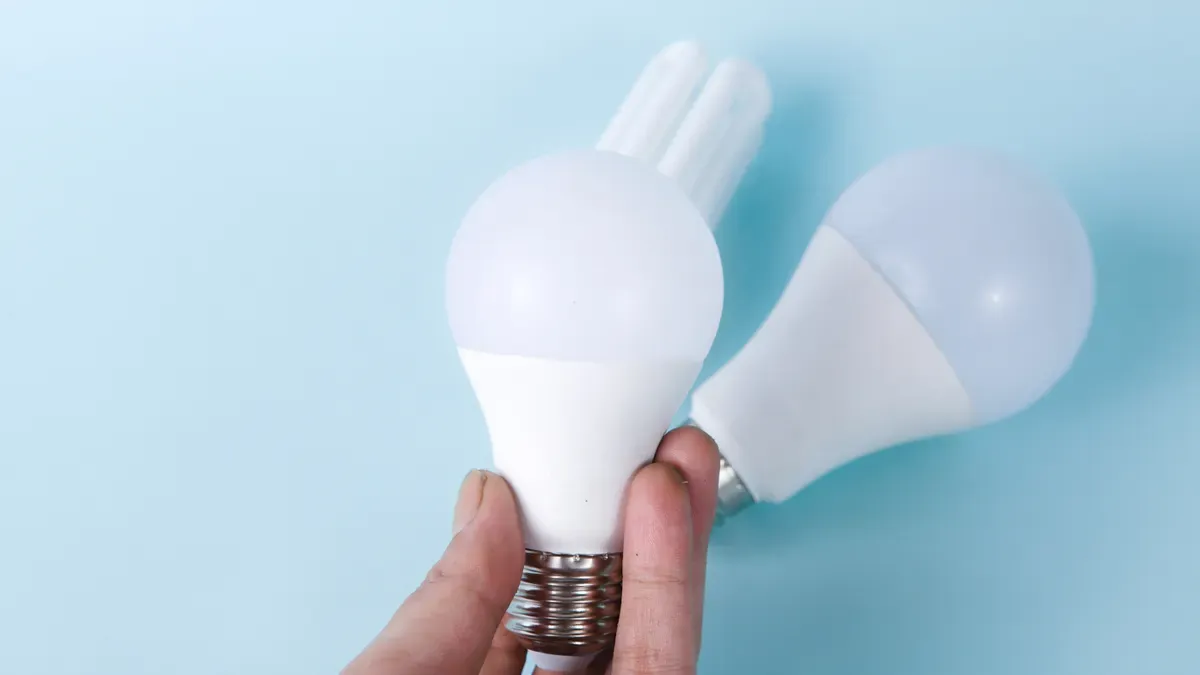
Lumens measure brightness. Watts measure energy use. For many years, shoppers used watts to choose incandescent bulbs. LED technology changed that rule. A common question is: which LED bulb matches an old 60-watt incandescent? This guide explains lumens and watts. It provides a handy conversion chart. Readers get helpful tips for picking the perfect LED lighting. The information explains LED Lighting Efficiency in a simple way. Explore the difference between lumens and watts today.
Key Takeaways
Lumens measure brightness. Watts measure energy use. Choose bulbs by lumens, not watts.
LED bulbs use less power for the same brightness. They save you money on energy bills.
Check the lumens per watt rating. A higher number means better efficiency.
Pick the right color temperature. Warm light feels cozy. Cool light helps you see better.
LED bulbs last for many years. They reduce waste and save you time and money.
Understanding Lumens vs Watts
Picking the right LED bulb begins with knowing two basic measurements. These measurements are lumens and watts. Many shoppers still check wattage out of habit. That habit does not work with modern LEDs. Lumens and watts measure completely different things. Knowing this difference helps a person judge LED Lighting Efficiency.
What Is a Lumen?
A lumen measures the total visible light a bulb gives off. It shows brightness directly. A bulb with more lumens looks brighter to the human eye. For example, a typical 60-watt incandescent makes around 800 lumens. An LED that gives the same brightness uses only 8 to 12 watts. This comparison shows the huge gain in efficiency.
Manufacturers list lumen output on every bulb package. This number lets you compare different types directly. Lumens do not depend on the technology. They simply state the light output. A shopper should always check lumens first when picking a replacement.
The efficiency of a bulb shows up in its lumens per watt ratio. Incandescent bulbs run at about 10 to 15 lumens per watt. This low ratio wastes a lot of electricity as heat. LED bulbs reach 75 to 110 lumens per watt. This high ratio defines LED Lighting Efficiency. It means LEDs make more light with less power.
A real example helps. A 10-watt LED and a 60-watt incandescent both give 800 lumens. The LED saves 50 watts every hour. Over a year, this saving adds up a lot. The total cost to run the LED is much lower. This drop helps both the wallet and the environment.
What Is a Watt?
A watt measures electrical power. It tells how much energy a device uses per unit of time. In lighting, watts show the electricity consumption. Watts do not tell how bright a bulb will be. This fact surprises people because they relied on wattage for decades.
The old rule linking watts to brightness only held for incandescent bulbs. These bulbs turn electricity into light in a fixed proportion. A higher wattage incandescent always gave more light. LED technology changes this relationship. LEDs turn a larger share of electricity into light. They produce much less heat. This efficiency makes watts unrelated to brightness.
When comparing bulbs, a person must check lumens for brightness and watts for cost. They cannot multiply watts by a number to guess brightness. That trick works only for incandescent. The real measure of efficiency is efficacy. Efficacy equals lumens divided by watts. This ratio reveals how much light a bulb gives for each watt of power.
A bulb with high efficacy costs less to run for the same brightness. For example, an LED with 100 lumens per watt performs better than one with 80. The difference in energy use becomes significant over thousands of hours. Choosing a high‑efficacy LED can cut lighting costs substantially.
Understanding lumens and watts removes confusion. A person should ignore the old wattage rule. Instead, look at lumen output. Then check wattage to estimate energy use. Finally, calculate efficacy by dividing lumens by watts. This simple step identifies the best efficiency for any application.
Lumens to Watts Conversion Guide
When you replace an old incandescent bulb, you need a quick guide. The link between lumens and watts is different for LEDs. This guide shows the main matches for common bulbs. It also explains why LEDs are more efficient for homes and businesses.
Comparing Lumens Across Bulb Types
The table below shows common incandescent wattages. Each row lists the approximate light output. The last column gives the LED wattage that gives that same brightness.
Incandescent Wattage | Approximate Lumens | Equivalent LED Wattage |
|---|---|---|
40W | 450 lm | 6–8W |
60W | 800 lm | 9–12W |
75W | 1,100 lm | 13–16W |
100W | 1,600 lm | 16–20W |
150W | 2,600 lm | 25–30W |
These numbers are standard industry guesses. Different brands may vary a little. The main point is clear. An LED uses about one-sixth the power of an incandescent for the same brightness. A 10-watt LED easily replaces a 60-watt bulb. The energy savings over the bulb’s life are huge.
The table also helps when picking lights for a room. If you know how many lumens you need, you can find the right LED fast. For example, a kitchen needs about 4,000 lumens total across several lights. That is about three 100-watt incandescent bulbs together. With LEDs, you get the same light from three 18-watt fixtures. The power drop is big from the very first day.
This knowledge helps every buyer. Instead of guessing wattage from old habits, you look at the lumen number. Then you choose an LED with that light output. The wattage becomes less important. It mainly matters for figuring out running cost and comparing efficiency between different LED models.
Understanding Efficacy: Lumens Per Watt
Efficacy measures how well a bulb turns electricity into visible light. The formula is simple: divide the lumens by the watts. A higher number means better LED Lighting Efficiency overall.
An incandescent bulb gives about 10 to 15 lumens per watt. A typical halogen bulb gives about 20 lumens per watt. A compact fluorescent (CFL) gives 50 to 70 lumens per watt. A quality LED gives 75 to 110 lumens per watt, depending on the design. This range shows why LEDs are the best choice for modern lighting.
Think about a real example. A 60-watt incandescent bulb makes 800 lumens. Its efficacy is 800 divided by 60, which is about 13 lumens per watt. A 10-watt LED that makes the same 800 lumens gives 80 lumens per watt. The LED is over six times more efficient at turning electricity into light. This is why your electric bill is lower and the environment is helped over time.
Efficacy matters for more than just saving energy. Higher efficacy means less heat inside the bulb. Less heat means less cooling needed in summer for commercial buildings. It also helps nearby electrical parts last longer. High-efficacy lighting cuts overall building costs over many years.
Manufacturers list the efficacy rating clearly on LED packaging. A good LED is above 90 lumens per watt. Premium models reach 110 or higher. Buyers should compare this number when choosing between similar options. A bulb with higher efficacy costs less to run over its whole life.
The idea of efficacy also guides rules around the world. Governments now require minimum efficacy for general lighting. These rules slowly phase out inefficient bulbs. The goal is to reduce energy waste nationwide. Consumers get lower bills and better light quality at the same time.
Efficacy ties directly to the conversion table above. Every LED entry shows a bulb with much higher efficacy than its incandescent match. Understanding this ratio makes the choice easy. Lumens tell you brightness directly. Efficacy tells you cost and overall efficiency. Watts just show the power used while the bulb is on.
Applying LED Lighting Efficiency at Home
Selecting Brightness by Room Type
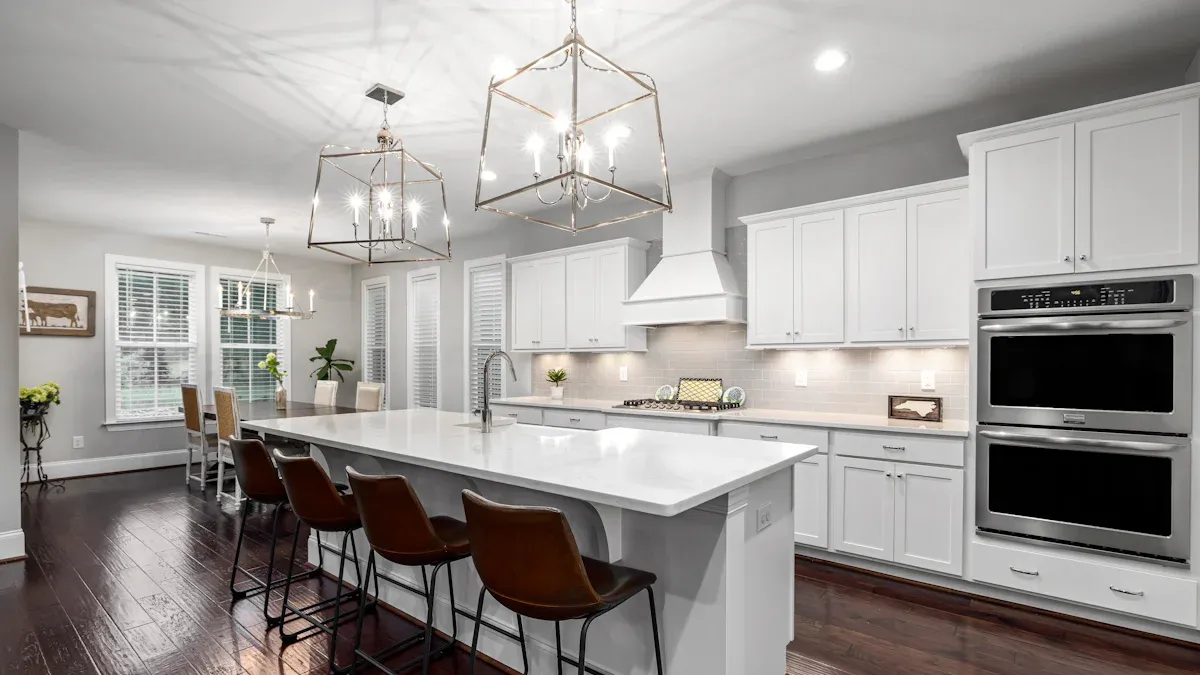
Different rooms need different amounts of light. A living room is a place where people gather. It needs 1,500 to 3,000 lumens for comfort and talking. A kitchen needs more light for cooking and preparing food. It needs 3,000 to 6,000 lumens spread over several lights. A bedroom works well with 1,000 to 2,000 lumens for reading and relaxing. A bathroom needs 2,000 to 4,000 lumens near mirrors and showers.
You can split the total lumens among several LED bulbs. This gives even light with no dark spots. For example, a kitchen needing 4,000 lumens might use four 1,000-lumen lights. Each light uses only about 12 watts. The old way with incandescent bulbs would need four 75-watt bulbs for the same brightness. This comparison shows the real value of LED Lighting Efficiency in daily life.
Choosing Color Temperature for Outdoor Spaces
Color temperature changes how we feel and see outdoors. It is measured in Kelvin (K). A warm 2700K light makes a warm and cozy feel for porches and patios. A neutral 4000K light helps you see better and feel safe near driveways and doors. Security lights work better because you can see clearly with 4000K. Warm accent lights work well for decorative areas where comfort matters more than seeing every detail.
LIYINLED makes strong, reliable lights for businesses for these uses. Their factory in Guangdong, China, has special workshops for commercial lighting, tri-proof ceiling lights, and plastic injection molding. The IES Test Room measures how light spreads correctly. The Product Testing Center tests each product to make sure it lasts and is safe. The Aging Area tests lights by running them before shipping. These strict quality checks make sure each light works well in any place. Homeowners and businesses can trust LIYINLED for dependable, energy-saving lights.
The Cost and Environmental Impact of LED Lighting Efficiency
Energy Savings from Higher Efficacy
LED bulbs use about 80 percent less energy than incandescent bulbs for the same brightness. This big saving comes straight from higher efficacy. Efficacy measures how many lumens a bulb makes per watt. An incandescent bulb gives only 10 to 15 lumens per watt. A good LED gives 80 to 100 lumens per watt. This six-to-eight times gain cuts electricity use by a lot.
Think about a real example. A commercial building has fifty 100-watt incandescent bulbs. These bulbs use 5,000 watts when all are on. Switching to fifty 18-watt LED bulbs brings the total down to 900 watts. The building saves 4,100 watts every hour the lights run. Over 4,000 hours of use per year, the savings hit 16,400 kilowatt-hours. At normal commercial power rates, this equals thousands of dollars each year.
LIYINLED backs these savings with careful quality control. The IES Test Room measures light output and spread accurately. The Product Testing Center checks each product for steady performance. This testing makes sure every LED bulb gives its rated efficacy. Customers get the energy savings they expect from their purchase.
Longer Lifespan and Less Waste
A longer lifespan cuts waste by a lot. A standard incandescent bulb lasts about 1,000 hours. A good LED often runs for 25,000 to 50,000 hours. This longer life means fewer replacements. Fewer replacements mean fewer bulbs going into landfills. Fewer replacements also lower the environmental cost of making and shipping new products.
LIYINLED's quality program helps products last longer in a direct way. The Aging Area runs each finished product through heavy burn-in testing before shipping. This process finds weak parts early. Products that pass are proven reliable. The Plastic Injection Molding Workshop makes strong housings. The Tri-proof Ceiling Light Workshop builds fixtures for tough places. Each step lowers the chance of early failure.
Commercial customers see lower maintenance costs and fewer disruptions. The environment sees less electronic waste over time. Together, energy savings and longer lifespan make LED Lighting Efficiency a smart choice for any use. Businesses shrink their environmental footprint while saving money year after year.
Shoppers should stop using watts to guess brightness. Lumens show the real light output. Watts only show how much energy is used. This easy change helps anyone choose the right LED bulb with confidence.
Efficacy is still the true measure of LED Lighting Efficiency. A higher lumens-per-watt rating means lower bills and less wasted heat. Color temperature also changes how a space feels. Warm tones feel cozy, while cooler tones help you see better and stay safe.
Readers can switch to LED lighting today. They will get lower energy costs and better light quality. For reliable, high-efficiency commercial lighting, LIYINLED offers tested products backed by strict quality control. The switch pays off for years.
FAQ
How many lumens does a 60-watt incandescent bulb produce?
A 60-watt incandescent bulb produces about 800 lumens. A 9-12W LED bulb matches that output. Shoppers should look for the lumen number on the package. This number shows true brightness.
Why do LED bulbs use fewer watts for the same brightness?
LED bulbs turn more electricity into light. Incandescent bulbs give only 10-15 lumens per watt. Quality LEDs reach 75-110 lumens per watt. This higher efficacy means an LED uses about one-sixth the power for equal brightness.
What does lumens per watt mean for a buyer?
Lumens per watt measures efficacy. A higher number means better LED Lighting Efficiency. Buyers divide lumens by watts to compare bulbs. A higher result costs less to run over the bulb's life.
Which color temperature works best for outdoor lighting?
Warm 2700K light suits porches and patios. Neutral 4000K light helps near driveways and doors. Security lights work better at 4000K. Decorative areas feel cozier at 2700K.
How long does an LED bulb last compared to incandescent?
A standard incandescent bulb lasts about 1,000 hours. A good LED runs for 25,000 to 50,000 hours. This longer lifespan means fewer replacements. Fewer replacements also cut waste in landfills.