What Is the Maximum Operating Temperature Rating for High-Wattage Downlights in Hot Climates?
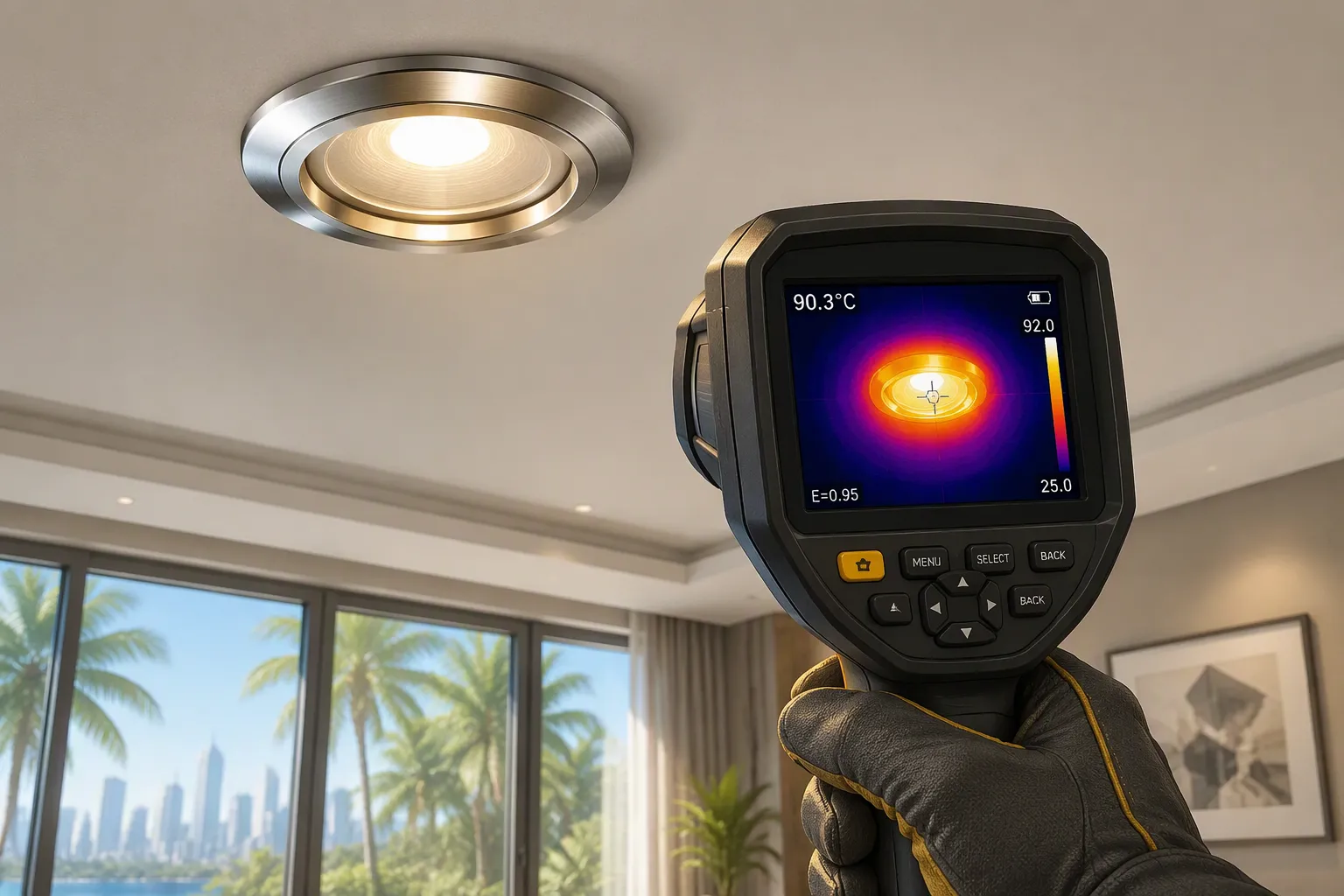
Most standard high-wattage downlights have a maximum ambient rating (Ta) of 40°C to 50°C. Case temperature (Tc) limits usually sit around 90°C. Hot climates push fixtures close to these limits.
Three ratings matter most. Ta is the highest surrounding air temperature a fixture can handle. Tc caps the case or heat-sink temperature, and Tj caps the LED junction itself.
Going over any of these ratings shortens lifespan and can void safety compliance.
Key Takeaways
Check the Ta rating and pick a downlight rated above your area's hottest temperature.
Look for the Tc limit and make sure your ceiling space stays cooler than that limit.
Choose a fixture that meets IEC 60598 or UL 1598 safety standards.
Keep air flowing around the downlight and keep insulation away from it.
Remember that hot temperatures make LEDs dim faster and shorten their life.
What the Ratings Mean
Ambient Temperature (Ta)
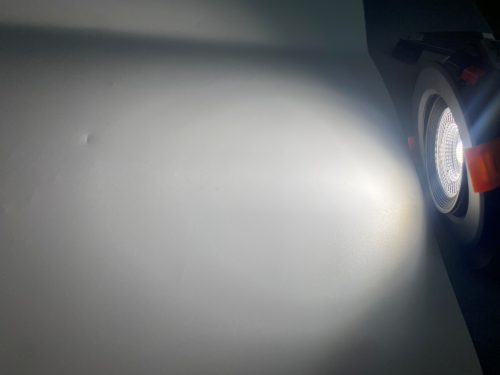
Ambient temperature (Ta) is the highest air temperature around a fixture where it is built and tested to run safely. Manufacturers publish this number after heat testing in a controlled room. The number tells a buyer where the fixture can go, not how hot the fixture itself gets.
Verified ranges change a lot by product type. Standard commercial LED fixtures usually carry a Ta rating of -20°C to +50°C. Some warm-climate lights carry a more careful rating of 35°C or 40°C. High-temperature industrial fixtures reach 80°C, 100°C, 150°C, and even 200°C for foundry, kiln, and steel-mill settings.
A hot climate sits at the top of the standard band. A city that often sees 45°C summer afternoons leaves a 50°C-rated downlight with only 5°C of headroom. That margin vanishes fast when a ceiling void traps hot air.
Case and Junction Temperature (Tc, Tj)
Case temperature (Tc) is the highest temperature allowed at the case or heat sink. It measures the fixture's own heat state, not the room. A Mean Well HLG driver, for example, carries a maximum case temperature rating of 90°C. Installers read Tc at the marked point on the housing with a thermal probe or thermal camera.
Junction temperature (Tj) is the limit at the LED chip itself, the point where heat generation and light output meet. Junction temperature always runs higher than case temperature. The gap depends on the heat path from chip to housing. A die-cast aluminum body moves heat away well and keeps that gap small.
The three ratings work as a chain. Ta describes the environment. Tc describes the fixture surface. Tj describes the semiconductor inside. A fixture passes heat testing only when all three stay within limits at the same time.
Buyers should treat Tc and Tj as design ceilings, not operating targets. A downlight running at its Tc limit has no reserve for a heat wave, a dusty ceiling cavity, or a failed airflow path. Real-world margins protect the investment.
Why Hot Climates Stress Downlights
Heat Dissipation and Lumen Depreciation
A light fixture gives off heat through its housing and into the air around it. The difference between the housing temperature and the room temperature drives that flow. A hot room makes that difference smaller, so the same fixture moves less heat even with the same design.
The LED chip then runs hotter. Light output drops as junction temperature rises, and the industry calls this lumen depreciation. A fixture that looks bright on a cool morning may look dimmer on a 45°C afternoon. The loss happens slowly, and users often notice it only after months of hot-season use.
Lifespan and Safety Consequences
Heat speeds up the aging of every part inside a fixture: the LED chip, the driver, and the solder joints. A unit rated for 50,000 hours at 25°C ambient will not reach that number at 35–40°C surface and air temperatures. The rated hours assume a cooler reference point, and real heat shortens the service window.
Safety follows the same curve. A downlight pushed past its Ta or Tc limit runs outside its tested envelope. Driver parts break down faster, and insulation can fail over time. Compliance with IEC 60598 or UL 1598 depends on running within the published ratings, so an overheated install can void the safety approval that made the fixture legal to sell.
Hot climates also hide the problem. Ceiling voids trap warm air, and insulation batts block airflow around the housing. The fixture then sees air well above the room reading. Designers who plan for peak ambient plus a margin keep the product inside its tested range for the full rated life.
Choosing the Right Downlight
Reading Datasheets and Standards
A datasheet holds the numbers a buyer needs, but only if the buyer knows where to look. Two standards control how makers test and publish those numbers: IEC 60598 for luminaires and UL 1598 for the North American market. A compliant fixture lists its Ta and Tc ratings on the product label and repeats them in the datasheet. The label usually sits on the housing or the driver. If a buyer cannot find these figures, there is no way to check the fixture against a hot climate.
The datasheet should also list the driver model and its case temperature limit. Drivers wear out faster than housings, and a driver pushed past its limit fails first. A buyer who checks only the LED rating misses half the thermal picture. Standard commercial fixtures often carry a Ta range of -20°C to +50°C, and some warm-climate models carry a more careful 35°C or 40°C rating. A lifetime figure measured at a cool reference ambient says little about a hot ceiling.
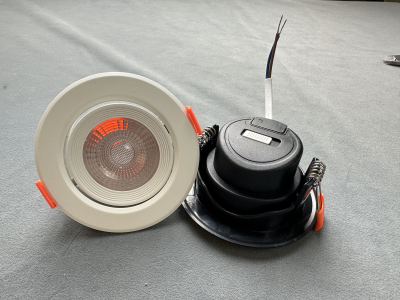
Liyinled, a manufacturer under Guangdong Liyinled Lighting Co., Ltd., builds recessed LED fixtures from 3W to 22W. Many models carry 3CCT adjustable technology, so users can switch between warm, neutral, and cool white light with a dip switch. Die-cast aluminum housings deliver excellent heat dissipation, and PP and aluminum body options cover different installation needs. The factory runs quality control across its production lines, offers custom options for project work, and supplies products directly from its own facility. Buyers can review the 3CCT adjustable models and the die-cast aluminum housings on the official site, along with the full LED downlight series.
A Step-by-Step Selection Checklist
A careful buyer follows a short sequence. Each step removes one source of risk.
Match Ta to the peak local ambient temperature, then add margin. A city that reaches 45°C needs a fixture rated above that figure, not at it. The extra room covers heat waves and trapped ceiling air.
Verify Tc on the label and confirm the value suits the ceiling void. A 90°C case limit leaves room only when airflow keeps the housing cooler than that ceiling.
Confirm compliance with IEC 60598 or UL 1598. The mark shows the fixture passed testing within its published ratings, and it supports the safety approval a project inspector will check.
Check the driver temperature specification. A driver rated to 90°C maximum case temperature sets its own ceiling inside the housing, and that ceiling often arrives before the LED limit.
A side-by-side comparison of two candidates takes minutes. The buyer lines up Ta, Tc, driver limit, and standard mark in one row per model. The model with the larger margin on every line wins the specification.
The die-cast aluminum housing helps at every step. Aluminum moves heat from the chip to the air with a small temperature gap, so the fixture stays further from its Tc limit on a hot afternoon. A buyer who works through these four steps ends with a fixture matched to the climate, not one that merely survives it.
Downlight Types Compared
LED vs. Halogen and High-Output Options
Each type of fixture fits a different job. LED downlights work well in homes, hotels, offices, and stores. They run cooler than halogen for the same light output and last much longer. Halogen lamps fit older sockets and give warm light at low cost, but they turn most of their energy into heat. That heat matters in a small ceiling space. High-temperature industrial fixtures serve foundries, steel mills, kilns, and glass plants. These units carry ratings up to 80°C, 100°C, 150°C, and 200°C, and they cost more because they use special materials and heat paths.
Lifetime numbers need careful reading. A fixture rated 50,000 hours at 25°C ambient will have a shorter life at 35–40°C surface and air temperatures. The same rule applies to halogen and to industrial units. A buyer who compares headline hours across types compares numbers measured at different reference points.
Installation and Maintenance Tips
Good installation protects the rating. Three habits matter most:
Keep air paths open around the housing.
Keep insulation away from the fixture body.
Add driver heat sinking in hot ceiling spaces.
A driver rated to 90°C maximum case temperature often hits its limit before the LED does. Moving the driver to a cooler spot or adding a metal plate extends its service window.
Liyinled builds its LED downlight series from 3W to 22W in its own factory under Guangdong Liyinled Lighting Co., Ltd. Die-cast aluminum housings help with heat dissipation, and PP and aluminum body options cover different ceiling builds. Buyers can review the full LED downlight range for 3CCT adjustable models and recessed panel options.
The safe answer comes down to three checks. Match the fixture's Ta rating to the climate's peak ambient temperature, and leave margin above that peak. Verify the Tc limit against the ceiling void. Confirm IEC 60598 or UL 1598 compliance on the label.
A short checklist closes the job. Check the label for Ta and Tc. Add thermal margin for heat waves and trapped air. Choose a compliant fixture, such as the Liyinled LED downlight series, that publishes both ratings and carries the standard mark. Buyers who follow these steps keep the fixture inside its tested envelope for the full rated life.
FAQ
What ambient rating suits a hot climate?
A standard commercial fixture usually has a Ta rating of -20°C to +50°C. Some warm-climate models stop at 35°C or 40°C. If a buyer's city reaches 45°C, the fixture needs a rating above that peak, not right at it.
Does a higher wattage downlight need a lower Ta rating?
Wattage by itself does not set the rating. The housing design and heat path decide how much heat leaves the fixture. A die-cast aluminum body moves heat away well. Buyers should read the published Ta and Tc figures instead of guessing from wattage.
Can a fixture rated for 50,000 hours still fail early in heat?
Yes. That lifetime figure assumes a 25°C reference ambient. At 35–40°C surface and air temperatures, the service window shrinks. The LED chip and the driver both age faster when they run hot.
Where can buyers find fixtures with published thermal ratings?
Liyinled, under Guangdong Liyinled Lighting Co., Ltd., runs its own factory and supplies directly from it. The LED downlight series covers 3W to 22W, including 3CCT adjustable models and die-cast aluminum housings built for heat dissipation.
Which standard proves a fixture passed heat testing?
IEC 60598 covers luminaires around the world, and UL 1598 covers the North American market. A compliant fixture prints its Ta and Tc ratings on the label and repeats them in the datasheet. Buyers should confirm the mark before they specify a fixture.