Private Label LED Lighting: A Guide for Distributors

Distributors often face a common issue: basic LED products bring small profits and little customer loyalty. Private Label LED Lighting fixes this problem. A distributor can work with a maker like Liyin to put their own name on items such as the APL-PB-2508E LED Panel Light series. This method gives full control over design, packaging, and price. Distributors create their own brand while making the supply chain simpler. Liyin's factory in Guangdong offers many customization choices, from very slim models to round RGB designs without frames. This guide shows a clear way to make money, covering brand building, picking partners, and market plans. Readers will see how to turn a plain product into a valuable brand.
Key Takeaways
Private label LED lighting can increase profits by 20-40% and help keep customers loyal.
Custom products make you stand out from competitors and help you charge higher prices.
Pick a factory partner that has solid certifications and offers flexible customization options.
First, order a small sample to test the market before you scale up.
Plan packaging and compliance early so your product launch goes smoothly.
Defining Private Label LED Lighting
Private Label LED Lighting is a partnership where a distributor puts its own brand name on items made by an OEM factory. The distributor owns the brand, while the maker handles production. This model gives distributors control over design, packaging, and pricing without needing to build a factory.
The Distributor's Business Model
The process follows a set order. First, the distributor decides the project scope with the maker. This step includes specs, pricing, minimum order amounts, and customization choices. Then, both sides work together on research and design to create a product idea that fits the distributor's brand image.
The maker then makes working prototypes for testing. Testing follows strict standards, like rub tests, light output checks, water resistance checks, and heat safety tests. Certification makes sure the product meets UL, ETL, FCC, CSA, CE, and RoHS standards. The DesignLights Consortium (DLC) approval is also important for getting energy rebates.
After approval, large-scale production starts. The OEM handles making things on time and shipping schedules. Quality checks continue with regular inspections and performance tests. Lastly, after-sales support gives technical help and warranty service. Long-term contracts and open talk between both sides keep supply steady and goals in line.
Key Differences from OEM and White Label
OEM manufacturing means the buyer picks the parts and design details, but the final product has the maker's brand or no brand. White label products are already made in the factory with plain packaging. Any distributor can put their own label on without changing the product.
Private Label LED Lighting is in between these two choices. Unlike white label, private label lets you customize the product's look, features, and packaging more. Unlike traditional OEM, the distributor owns the brand fully and controls how it is sold. For example, a distributor working with Liyin on the APL-PB-2508E LED Panel Light series can pick specific color temperatures, CRI values, and housing finishes. The distributor also chooses the packaging design and the retail price.
This difference matters for long-term brand value. White label products can be swapped with competitors' products. Private label products become unique items that build customer loyalty and support higher prices.
Key Benefits of Private Label LED Lighting
Private Label LED Lighting changes how a distributor does business. It brings clear gains in profit, customer loyalty, and market standing. Distributors who use this plan stop competing only on price. They build assets that become more valuable over time.
Higher Margins and Brand Control
Private label programs capture the 20-40% margin that big brand owners usually keep. Distributors get this by working straight with makers like Liyin, cutting out middlemen from the supply chain. The cost of goods drops a lot. Distributors then put those savings into marketing or use them for lower prices.
Brand control goes beyond the label on the box. Distributors pick the product look, feel, and function. They choose color temperatures, CRI values, and housing finishes for the Liyin LED Panel Light series. They also manage the whole product life, from launch to end. No big brand can suddenly change or stop a popular item without warning.
Pricing flexibility gives another edge. Distributors change prices fast for sales or to clear stock. They react to local competitor prices without asking a vendor for approval. This speed matters in competitive markets where big brands move slowly.
Customer loyalty grows because private label products come from only one distributor. Contractors must return to that distributor for replacements or more units. This exclusivity builds repeat sales and long-term ties.
Market Differentiation with Custom Products
Custom products create a strong shield. Generic LED panels sit on every distributor's shelf. A private label line takes products out of price-matching fights. Customers cannot find the same item elsewhere, so they stop looking around.
Liyin's factory in Guangdong supports deep customization. The APL-PB-2508E series offers recessed and surface-mounted options. The ultra-slim APL-PB-2509 model fits modern offices where minimalism matters. Round RGB frameless options create lively atmospheres for retail spaces. Distributors shape each product for specific markets.
Offices need steady light with high color quality. Schools need tough fixtures that handle daily use. Hospitals need easy-to-clean surfaces and even light spread. Liyin's product range covers all these needs. Distributors place their private label line as the top choice for each use.
The customization reaches packaging design too. Distributors create packaging that boosts their brand image. They add installation guides and warranty details under their own name. This care builds trust with end customers.
Building Your Brand with Custom LED Lighting
Market positioning begins with knowing who your customer is. A distributor must pick which markets to serve before choosing product details. Office managers need even light that does not strain eyes. Retail store owners want lights that make products look bright and true in color. Hospital leaders focus on surfaces that are easy to clean and steady light. Each market needs different designs, and the Liyin LED Panel Light series works for all.
Market Positioning and Design Strategy
Design strategy starts with setting lighting goals. A distributor for high-end retail should choose a CRI of 90 or higher. Standard panels often give only 80 CRI, which makes small color differences in fabrics or paint less visible. Liyin offers CRI above 90, and some reach 95+ CRI for projects where color accuracy matters a lot. Art galleries, clothing stores, and showrooms get big benefits from this accuracy.
Color temperature customization provides another way to stand out. Liyin offers standard options at 3000K, 4000K, 5000K, and 6000K, with custom CCT precise to ±100K. Warm tones around 3000K create relaxed, inviting atmospheres good for hotels and restaurants. Cooler temperatures near 5000K produce bright, energetic spaces for offices and classrooms. Distributors can adjust each product line to match the feeling they want customers to have.
Strategic fixture placement strengthens brand impact. Accent lighting draws attention to displays or building features. Placing fixtures one-third of the mounting height off the face of displays improves lighting angles. Highlighting entrances, signs, and unique design elements creates visual points that reinforce brand identity. Programmable LEDs allow dynamic color changes for events or seasonal promotions, while smart controls enable scheduling and motion-activated lighting.
A thorough brand audit should come before any design work. Distributors must review their target audience, desired emotional response, and existing brand elements. Working with professional lighting designers ensures technical needs match brand goals. Regular maintenance keeps fixtures clean and performance steady, protecting the brand's reputation over time.
Packaging, Compliance, and IP Protection
Compliance protects both the distributor and the end customer. North American markets require specific certifications before products can be sold legally. The table below shows the key certifications for LED lighting products.
Certification | Verification Items | Purpose |
|---|---|---|
UL or ETL | Listing category, wet/damp location, voltage, installation instructions | Safety compliance |
DLC | Exact model number, listing status, application category, efficacy, CCT, CRI, controls data | Performance and rebate eligibility |
ENERGY STAR | Certified model and product category | Energy efficiency |
UL 1598 covers safety rules for light fixtures, and UL 8750 covers LED parts like drivers and modules. Using UL-listed products follows the National Electrical Code and lowers risk. The Design Lights Consortium (DLC) sets performance rules for commercial lights, including light spread, color accuracy, and how long they last. DLC certification means products can get utility rebates, making them more appealing to buyers who care about cost.
Packaging design carries the brand directly to the customer. Distributors should create packaging that shows their brand identity while giving key product information. Clear labels for wattage, color temperature, CRI, and certifications build trust. Installation guides and warranty details under the distributor's own name strengthen professionalism.
Intellectual property protection requires careful attention. Distributors should register trademarks for their brand names and logos. Product designs may qualify for design patents or trade dress protection. Working with Liyin, distributors can set up exclusive deals for specific models like the APL-PB-2508E series, stopping competitors from offering the same products. This exclusivity strengthens brand positioning and supports premium pricing.
Quality concerns rank highest among customer worries. Distributors address these fears by offering documented test results, clear warranty terms, and responsive technical support. Liyin's manufacturing processes include strict quality checks, giving distributors confidence to stand behind their products. Customization options for CCT and CRI allow distributors to meet specific project needs without carrying too much stock, since Liyin accepts low minimum order amounts for custom panels.
Selecting a Reliable OEM Partner
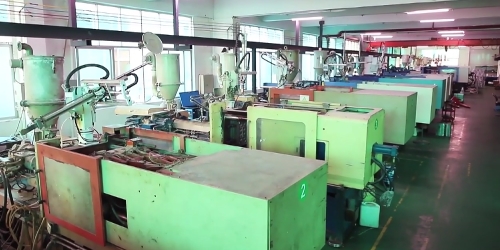
Choosing the right factory partner determines the success of any Private Label LED Lighting program. A distributor needs more than a supplier. The partner must deliver consistent quality, meet certification standards, and offer real customization flexibility. Liyin (Guangdong Liyinled Lighting Co., Ltd) demonstrates what distributors should look for in a manufacturing partner.
Evaluating Manufacturing Capabilities and Quality
Distributors should start by examining the factory's production capacity and equipment. High-precision CNC machining of aluminum, steel, and engineered plastics forms the backbone of quality LED housing production. Sheet metal fabrication, bending, laser cutting, and surface treatments like anodizing and powder coating all matter for durability and appearance. Liyin operates advanced machinery and testing labs, supporting both prototyping and small-batch runs. This capability allows distributors to test products before committing to large orders.
Quality control processes deserve equal attention. A reliable partner performs dimensional inspection using calibrated tools and coordinate measuring machines. Electrical tests verify power supplies, boards, wiring, and LED assemblies. Functional tests run extended jobs with LED indicators to confirm performance. Visual inspection checks enclosures, finishes, and LED diffusers for color and brightness consistency. Liyin follows this multi-level inspection approach on every batch.
Certifications provide objective proof of quality. The table below shows key standards distributors should verify.
Certification | Technical Standard | Verification Focus |
|---|---|---|
ISO 9001:2015 | Quality management system | Traceability of LED chips and driver certifications across batches |
UL/ETL Listing | UL 1598, UL 8750 | Independent third-party safety verification with regular factory inspections |
LM-79 & LM-80 | Photometric and lumen depreciation testing | Measures luminaire efficacy and LED chip depreciation over 6,000-10,000 hours |
IP66 & IK10 | Ingress protection and impact resistance | Seal integrity for wet environments; survival of 20-joule impact |
RoHS & REACH | Hazardous substance limits | Lead-free solder verification through third-party lab reports |
UL Solutions evaluates lamps, luminaires, components, electric signs and lighting systems to UL and IEC requirements. Common standards include UL 1598 for luminaires and UL 8750 for LED equipment, along with IEC 60598. UL issues the UL Mark, ENEC 15 and IECEE CB Certificates, helping manufacturers demonstrate compliance and trust.
Distributors should also check for DLC certification. Products listed on the Design Lights Consortium Qualified Products List qualify for utility energy rebates. This certification covers light distribution, color accuracy, and product longevity, making products more attractive for commercial projects.
Leveraging Partner Expertise for Custom Designs
A strong OEM partner brings design expertise that saves distributors time and money. Liyin offers complete OEM service including design advice, design for manufacturability (DFM) guidance, sourcing, and final assembly. This full-service approach means distributors do not need their own engineering team.
Customization options at Liyin cover many product dimensions. The APL-PB-2508E series offers both recessed and surface-mounted variants. Distributors can select color temperatures from 3000K to 6000K with precision to ±100K. CRI options reach 90 or higher for projects requiring accurate color rendering. Housing finishes, packaging design, and branding elements all adapt to the distributor's specifications.
Liyin's product range supports different market verticals. The ultra-slim APL-PB-2509 model suits modern offices where minimalism matters. Round RGB frameless options create dynamic atmospheres for retail spaces. The hot-selling APL-PB-2506 aluminum recessed round backlit panel delivers uniform light distribution for commercial settings. Distributors shape each product for their target customers.
The factory accepts low minimum order amounts for custom panels. This flexibility lets distributors test new markets without carrying excessive inventory. Liyin's engineers work directly with distributors to refine designs, solve technical challenges, and ensure manufacturability. This partnership approach transforms a simple product purchase into a collaborative brand-building effort.
Collaborating with Retailers for Market Reach
Retail partnerships help a private label line reach more customers. Distributors who build strong ties with retailers get steady orders and more brand visibility. The Liyin LED Panel Light series offers a strong product lineup for these partnerships.
Structuring Wholesale and Distribution Agreements
Wholesale agreements set the rules for the partnership. Distributors create tiered pricing that gives better unit prices for bigger orders. A retailer buying 500 units per month pays less per unit than one buying 100 units. This setup encourages growth while keeping distributor profits safe.
Payment terms need careful thought too. Net-30 or net-60 terms let retailers sell stock before paying. Distributors balance these terms against their own cash needs. Clear delivery schedules prevent stockouts during busy seasons. The agreement should state lead times, shipping duties, and return rules for defective units.
Territory rights stop channel conflicts. Distributors give exclusive territories to retail partners or keep certain regions for direct sales. This clarity keeps retailers from fighting each other in the same market. The agreement also sets minimum purchase volumes. Retailers who miss these volumes may lose their territory protection.
Co-Branding and Private Label Exclusivity
Co-branding creates a strong marketing story. A retailer puts its name next to the distributor's brand on packaging and marketing materials. This setup builds trust with customers who already know the retailer. The distributor gains credibility from the retailer's reputation. Liyin's manufacturing supports this approach with custom packaging and branding options.
Exclusive distribution deals offer another route. A distributor gives one retail chain exclusive rights to sell a specific product line in a set region. The APL-PB-2508E series, with its recessed and surface-mounted options, fits well for such deals. Retailers value exclusivity because it removes price competition. They can position the product as premium without worrying about a competitor selling the same item cheaper.
Private Label LED Lighting programs succeed when distributors treat retailers as real partners. Regular talks about product performance, customer feedback, and market trends strengthen the bond. Distributors who share sales data and marketing support build loyalty that lasts through market shifts. Retailers who see steady quality and reliable supply become long-term supporters of the brand.
Optimizing Supply Chain and Cost Cycles
Supply chain management decides if a Private Label LED Lighting program will work or not. Distributors deal with three main buying problems: minimum order amounts that use up cash, lead times that slow down product launches, and shipping costs that cut into profits. Each problem has simple fixes when distributors know how to work with their factory partners.
Balancing MOQs and Lead Times
Minimum order amounts create a trade-off between how much money to put in stock and how fast you can change. High MOQs make distributors spend a lot before they know if something will sell. Low MOQs lower risk but may raise the cost per item. Liyin accepts low minimum order amounts for custom panels. This lets distributors test new markets without buying too much stock. This flexibility matters most when a private label program is just starting.
Lead times also need careful planning. Standard products that have been made before ship faster than fully custom designs. Distributors should plan production around busy seasons. Ordering three months before the peak season makes sure stock arrives when contractors need it. Liyin's engineers work directly with distributors to improve designs and fix problems. This shortens the time it takes to get a product ready.
A balanced plan uses both ideas. Distributors can place small first orders to check if the product sells well. Once sales prove demand, they order more to get better prices and faster production. This step-by-step plan keeps stock low while working toward lower costs.
Managing Logistics for Efficiency
Modular design makes shipping easier in clear ways. One circuit board can work with different LED colors and amounts. This removes the need for many different board types. This design cuts both production costs and inventory costs. Distributors keep fewer parts while offering more product choices.
Standardization goes beyond one product. Distributors should standardize fixture families and controls when they can. This plan makes buying simpler, improves stock availability, and reduces repair work. Standard products also give more flexibility if supply problems happen.
Liyin's product line shows this idea. The APL-PB-2508E series shares common parts between recessed and surface-mounted versions. The ultra-slim APL-PB-2509 model uses similar driver technology. Distributors who carry many Liyin models keep smaller parts inventories because parts work across the product line.
Consistent product families improve quality across different locations and future projects. This approach lowers supply chain changes and makes forecasting more exact. Distributors who plan their product lines around modular parts get an edge through lower carrying costs and faster response times.
Real-World Success: A Distributor Case Study
A mid-sized lighting distributor in Texas saw profits drop on regular LED panels. The company chose to start a Private Label LED Lighting program with Liyin. They picked the APL-PB-2506 aluminum recessed round backlit ceiling panel light as their first product. This model gave even light spread and strong build quality, perfect for commercial office projects.
From Concept to Market: A Step-by-Step Example
The distributor began by locking in one launch SKU. They picked a single wattage, one color temperature at 4000K, and one driver option. This tight focus cut down paperwork and stock risk. Adding more options too soon would have caused confusion across packaging, certifications, and warehouse space.
Next, they built a controlled SKU matrix. Each customer-facing product code linked to a factory bill of materials and an approved sample. The team kept brand changes separate from engineering changes. Logo placement and carton design followed one approval path. Driver selection and PCB layout followed another. This split prevented delays when small packaging tweaks came up.
The distributor checked every product claim using LM-79 and LM-80 test reports. Liyin provided the paperwork showing lumen output, efficacy, and LED wear over time. The distributor verified that the DLC listing covered their private-label version. They approved labels as technical documents, checking model numbers, ratings, and certification marks on a physical sample.
Packaging design considered the supply chain from day one. The distributor set carton sizes that fit standard pallets and shared their container loading method with Liyin. They approved appearance samples, engineering samples, and packaging samples in order. Each step required a physical check before moving ahead.
MOQ negotiation posed the biggest hurdle. Liyin accepted low minimum order amounts for custom panels, which let the distributor start small. They agreed on a modest first order of 300 units. The purchase agreement included change control clauses. Any LED chip or driver swap required advance written approval from the distributor.
Key Takeaways for Your Business
The pilot order shipped eight weeks after final sample approval. The distributor sold through the first batch in six weeks. Their margin rose by 30 percent compared to selling generic white-label panels. Repeat orders followed as office contractors recognized the brand name.
The distributor learned that preparation matters more than negotiation skill. Clear specs, early voltage details, and confirmed packaging prevented costly mistakes. They also learned to review field feedback before adding new SKUs. Six months later, they expanded the line with a surface-mounted version of the same model.
A narrow launch, staged samples, and written change control created a smooth path to market. Distributors who follow this sequence cut risk and build a brand that customers trust.
Private Label LED Lighting offers a clear way to earn more profit, build a stronger brand, and take full control of your market. Distributors who team up with trusted OEM makers like Liyin get access to proven product lines with many customization options. The LED Panel Light series shows this flexibility.
Start with a small sample order. Test how the market responds. Grow slowly as demand increases. This careful approach lowers risk while building confidence. Each successful batch strengthens the brand and creates new chances.
Contact Liyin today for a quote or product sample. Begin your private label journey now. The path to profitability starts with one simple step.
FAQ
What is the minimum order quantity for private label LED panel lights?
Liyin accepts low minimum order amounts for custom panels. This lets distributors try new markets without holding too much stock. A small first order of 300 units works well for a test run. Distributors can increase orders as demand grows.
How long does it take to receive a custom private label order?
Standard products ship faster than fully custom designs. A first order usually ships eight weeks after final sample approval. Distributors should plan production around busy seasons. Ordering three months before peak demand makes sure stock arrives when contractors need it.
What certifications should a private label LED panel light have?
North American markets need UL or ETL listing to meet safety rules. DLC certification makes products eligible for energy rebates. ENERGY STAR certification shows energy efficiency. Distributors should check that the DLC listing covers their private-label version before launch.
Can distributors customize color temperature and CRI for their brand?
Yes. Liyin offers color temperatures from 3000K to 6000K with accuracy to ±100K. CRI options reach 90 or higher for jobs that need true color. Distributors pick these settings to fit their brand image and customer needs.
How does a distributor get started with a private label program?
Begin with a small sample order. See how the market reacts. Grow little by little as demand rises. Ask Liyin for a quote or product sample. Profitability starts with one simple step.