Recessed Downlight vs Surface Mounted Downlight
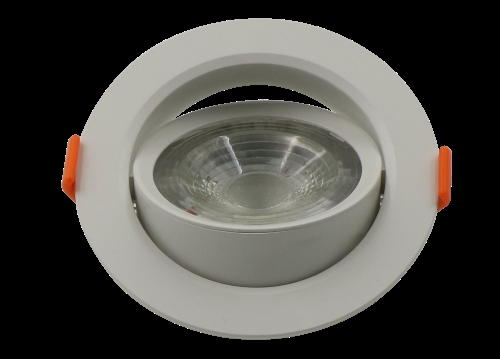
Choosing the right light fixture depends on your ceiling type, installation budget, and design goals. Your actual ceiling structure determines the final lighting choice you can make. Empty drywall spaces easily hold hidden lights, while solid concrete ceilings need surface-mounted fixtures.
Feature | Surface Mounted Downlight | |
|---|---|---|
Ceiling Suitability | Hollow drywall cavity | Solid concrete slab |
Installation Effort | Cutting holes and extra wiring | Direct surface mounting |
Aesthetic Style | Smooth simple look | Visible modern profile |
Light Beam Control | Adjustable targeted focus | Wide area coverage |
Maintenance | Needs housing access | Easy direct access |
Homeowners choose light types after checking their ceiling limits and looking at style options. Solid concrete prevents hiding fixtures inside the ceiling.
Key Takeaways
Look at your ceiling style first to choose the correct light for your home.
Put recessed downlights inside hollow ceilings to create a clean, smooth, and simple appearance.
Put surface downlights straight onto solid concrete ceilings to make installation much faster.
Choose Liyinled LED light fixtures for easy beam adjustments and built-in heat control.
Understanding Recessed Downlight Mechanics and Surface Mounting
Features of Recessed Fixtures
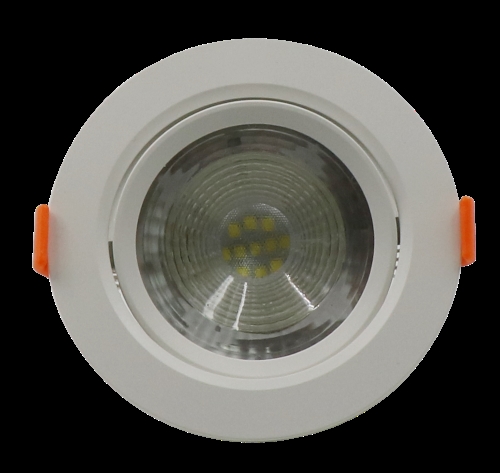
A Recessed Downlight fits inside ceiling holes to completely hide its main housing box. This slim design sits flat against drywall or drop ceilings, offering a smooth and simple look. Strong metal clips hold the light securely in place. Many types also include lamp heads that you can easily tilt. Users can point the beam toward specific floor spots, artwork, or wall features.
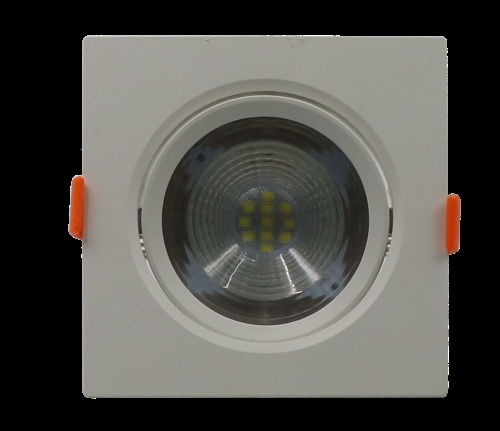
Guangdong Liyinled Lighting Co., Ltd. makes energy-saving LED Downlight options for homes and businesses. Their recessed lights use tough aluminum and lightweight plastic to handle heat very well. Some square models need a 25.5 × 9 cm opening to hold multiple light heads. The slim body fits into tight ceiling spaces while staying strong and dependable.
Fixture Attribute | Recessed Downlight | Surface Mounted Downlight |
|---|---|---|
Body Thickness | Compact body about 1 cm thick | Bulkier frame roughly 2 cm thick |
Mounting Base | Rear spring clips | Screw holes on mounting plate |
Ceiling Fit | Inserted flush inside cutout | Attached directly on outer surface |
Features of Surface Mounted Fixtures
Surface mounted downlights connect right onto the outer ceiling instead of hiding inside a hole. The main light body hangs down from above, which works great for solid concrete ceilings. Workers secure the heavy-duty metal bracket with basic screws so they do not cut large holes. The exposed outer frame acts as a stylish design feature in offices, hotels, and shops.
These ceiling-attached lights spread plenty of general light across big rooms. Liyinled builds these modern fixtures using powerful LED parts and long-lasting outer shells. Customers can pick Chip-on-Board styles for sharp accent lighting or Surface-Mount Device options for broad beam coverage. Popular units feature a 3CCT color switch and dimmable controls from 3W to 22W. Liyinled delivers direct factory lights to meet any building project needs.
Ceiling Compatibility and Installation Requirements
The layout of your building determines which lights will work in your space. Ceilings usually have either hollow inner spaces or solid outer surfaces. Installers should inspect these building features closely before choosing specific lights for a project.
Ceiling Types and Cavity Depth
Ceiling materials control where you can safely place your lights. Drywall ceilings allow fast, clean cuts for hidden light bases. Plaster ceilings are thicker and break easily, so cutting holes often causes major surface cracks. Drop ceiling tiles cut quickly, but they cannot hold heavy items. Solid concrete slabs have no hollow spaces inside, so workers cannot hide lights without building a fake ceiling.
Ceiling Type | Effect on Surface-Mounted Downlights | Selection Guide | |
|---|---|---|---|
Plasterboard Cavity | Standard housings fit easily into the clearance space | Direct surface mounting remains simple | Hidden fixtures are the natural choice when cavity depth exists |
Plaster Ceiling | Cutting risks surface cracking and requires extra care | Surface mounting avoids surface damage | Surface mounting reduces installation risk on brittle ceilings |
Acoustic Drop Panels | Panels need extra frames to hold fixture weight | Mounting requires structural support behind panels | Both options need support, but surface units avoid frame work |
Solid Concrete Slab | Installation is unfeasible without adding a false ceiling | Mounts directly onto concrete with standard brackets | Absence of cavity directs the choice to surface fixtures |
Checking the space inside a hollow ceiling is a vital step during initial planning. Workers include an extra inch for wiring on top of the actual light height.
Downlight Type | Minimum Fixture Depth | Minimum Ceiling Cavity Depth |
|---|---|---|
Ultra-thin recessed LED | 3 cm | 4–5 cm |
Standard recessed LED | 7 cm | 8–9 cm |
Shallow ceiling spaces around two inches high work best with slim hidden lights. Deep ceiling spaces with six inches of room fit regular lights with ease. Guangdong Liyinled Lighting Co., Ltd. creates exact light sizes for large business spaces. Their factory support team guides buyers on measuring ceiling spaces for a perfect fit.
Installation Complexity and Retrofit Effort
Work difficulty changes total labor costs and affects overall project schedules. Surface-mounted lights provide easy, affordable setup because you do not cut huge holes. Workers attach base plates right onto hard surfaces using simple screws. This easy mounting method makes surface lights great for fast upgrades in older buildings.
Setting up a Recessed Downlight requires exact ceiling holes and accessible wires inside the ceiling space. Trained workers must measure openings carefully so side clips grip the ceiling board tightly. Wrong cutout sizes can ruin the surrounding ceiling area.
Business buyers often ask about factory rules, shipping schedules, and heat protection features. Liyinled solves these buyer questions with direct factory supply and clear technical help. The company offers total design changes, like special outer colors, custom light beams, and matching power parts for work spaces. Real hotel building projects prove that included cutout patterns and direct support prevent job mistakes. Customers get top-quality lighting options while keeping overall labor prices low.
Light Performance and Optical Features
Design Advantages of a Recessed Downlight
Recessed lights fit inside hollow spaces above your ceiling line. This position hides the bright bulb from your normal line of sight. Placing lights deep inside ceilings lowers uncomfortable glare in busy rooms. Special parts like reflectors, baffles, and lenses direct light downward with high accuracy. Designers pick narrow light beams under 30 degrees to highlight artwork or key walls. Medium beams from 40 to 60 degrees light up busy hallways and store displays evenly. Wide beams over 90 degrees give soft general light across large open spaces.
A Recessed Downlight gives clean light while keeping modern ceilings completely smooth and clear. Guangdong Liyinled Lighting Co., Ltd. makes low-glare lights built with tough aluminum bodies. Their engineering team uses smart heat controls to make fixtures last longer and stay bright. Business buyers check glare controls, heat control, and custom outer colors before starting projects. Liyinled solves these technical needs with custom reflectors, special lenses, and direct factory advice. Real hotel jobs show that built-in light controls stop harsh glare and create cozy rooms. Getting direct factory support helps project managers pick exact lights without paying middleman markups.
Beam Options and Liyinled Technology
Modern LED downlights use two main chip setups: Chip-on-Board engines and Surface-Mount Device chip arrays. Each lighting style offers unique advantages for homes, offices, and retail space projects.
Attribute | COB LED Engine | SMD LED Configuration |
|---|---|---|
Light Output Efficacy | Delivers at least 80 lm/W for intense focus | Delivers 50 to 100 lm/W for broad coverage |
Beam Angle Characteristics | Concentrated beam with smooth, uniform center | Wide viewing angle typically between 120 and 160 degrees |
Color Adjustability | Maintains fixed single color temperature for high stability | Offers broad color adjustability across multiple settings |
COB models put one dense chip array right behind a clear plastic lens. This compact light source makes a strong beam without weird halos or dark spots. SMD models spread many tiny chips evenly across a wider circuit board instead. A strong frosted lens spreads this light out to stop hard shadows on tables. This even light spread works great in open office spaces and home living rooms.
Guangdong Liyinled Lighting Co., Ltd. uses these smart light systems in models like the APL-PB-2510B fixture. This modern unit includes an easy 3CCT Dip Switch on its main power box. Users can change light colors between three modes to fit different room needs. This flexible light line offers dimmable options from small 3W spots up to strong 22W fixtures. Global buyers ask about energy use, driver strength, and custom lenses during large orders. Liyinled solves tough project needs with custom factory orders, flexible beam choices, and strict quality checks. Talking directly with the factory speeds up shipping and keeps all light colors matching.
Room-by-Room Application Guide
Ideal Spaces for Recessed Downlights
Living rooms, kitchens, bedrooms, and bathrooms benefit from Recessed Downlights because false ceilings hide the main fixture box. Building owners often install these drop ceilings with a final room height of at least 7.8 feet. Ultra-thin LED models slip into an 8-inch ceiling space because they need only 3 to 4 inches of clearance. Regular hidden lights need 4 to 5 inches of clearance inside the ceiling space. This smooth setup saves valuable headroom in small spaces while removing ugly clutter from your ceiling.
Certain home and work activities need clear light levels to protect human eyes from strain. Kitchen counters and sink spots need at least 400 lux of direct light, but main kitchen floors need 150 to 200 lux. Normal home offices need 300 to 500 lux for reading, but detailed drawing work needs up to 1000 lux. Guangdong Liyinled Lighting Co., Ltd. builds adjustable hidden lights with dimmable power parts to match these exact needs.
Ideal Spaces for Surface Mounted Downlights
Hallways, stairways, laundry rooms, and concrete business spaces rarely have hollow ceiling spaces inside. Surface mounted fixtures screw right onto solid concrete slabs or tough plaster walls without any damaging cuts. Hallways and stair landings need 100 to 150 lux for safe walking, and individual steps need at least 100 lux. Open metal ceilings in modern stores and hotels use these outer lights to send wide light across large floors.
Business spaces choose outer ceiling lights to make repairs easier and speed up installation schedules. Standard desk work areas need 300 to 500 lux to keep workers comfortable throughout the day. Dining tables need 150 to 200 lux for dinner, but workers can boost output to 500 lux for extra tasks. Guangdong Liyinled Lighting Co., Ltd. creates energy-saving surface lights with custom colors and special lenses, giving direct factory help for rapid project upgrades.
Thermal Management and Maintenance
Heat Dissipation and Fixture Longevity
Heat plays a direct role in how long LED lights last. These chips get warm inside when you leave them turned on. A Recessed Downlight stays inside a closed space above your ceiling. Trapped air around the hidden fixture can warm up very fast. Heavy aluminum bodies quickly draw this extra heat away from sensitive parts inside. Guangdong Liyinled Lighting Co., Ltd. adds strong aluminum heat guards to their hidden light models. This safe design keeps internal electronics from getting too hot in small spots.
Surface mounted downlights sit out in open room air. Fresh air moves around the visible metal box all day long. Natural airflow cools down outer fixtures much faster than trapped ceiling air can. Liyinled makes outer units using tough aluminum and strong plastic cases. Smart heat controls keep lights bright for years in homes and business spaces. Great cooling helps Liyinled LED lights from 3W to 22W shine brightly over long periods.
Driver Reliability and Component Replacement
Power drivers change home wall electricity into safe, steady power for LED chips. Power jumps can stress internal parts after many years of normal use. Work teams can check surface lights fast because the box mounts right on top of the ceiling. Workers pop off outer covers without scratching nearby wall paint or drywall edges. Repair staff reach wire connections, color switches, and power drivers easily during regular checks.
Fixing internal parts inside hidden ceiling lights takes a few careful steps. Workers gently pull down the flat light frame using spring side clips. Staff reach up through the cutout hole to unhook the main power box sitting inside the ceiling. Liyinled sends strong factory power supplies and matching wire clips to make fixes simple. The factory builds custom driver cases for big hotels and work spaces. High building rules keep repair prices low for modern property owners.
Your ceiling type decides which light fixture works best. Drop ceilings easily hold a Recessed Downlight to give modern rooms a neat look. Solid concrete ceilings need surface lights because workers cannot cut into the hard material. Installing fixtures on concrete takes 15 to 25 percent more work time for placing anchors. Still, surface lights help you save money overall on your room remodeling project.
Guangdong Liyinled Lighting Co., Ltd. makes top-quality light fixtures for houses, offices, stores, and hotels. The company builds custom products directly from their own factory. Their engineering team offers smart technical advice for tricky building jobs. Real customer reviews show that Liyinled always delivers reliable lighting systems right on time.
FAQ
Where should installers use recessed downlights versus surface mounted downlights?
Workers put hidden downlights into hollow drywall or drop ceilings to keep everything flat. Surface lights work far better on hard concrete slabs. Empty ceiling spaces cover light boxes with ease. Solid concrete forces you to attach fixtures right on top to skip hard cutting work.
How do buyers avoid sizing and installation mistakes during procurement?
Shoppers often struggle with wrong ceiling hole sizes and bad power box choices. Guangdong Liyinled Lighting Co., Ltd. fixes these purchasing problems by offering clear cutout templates, custom power parts, and direct expert help. Building teams get custom light covers to ensure everything fits into the ceiling just right.
What optical features do Liyinled LED downlights offer for different room moods?
Liyinled offers COB chips for sharp focus and SMD setups for broad room light. Models like the APL-PB-2510B come with a 3CCT Dip Switch. People can switch light colors between three modes and pick dimmable options from 3W up to 22W.
How do downlight materials affect heat management and fixture lifespans?
Closed ceilings trap warm air right around hidden light parts. Liyinled builds lights using tough cast aluminum parts and strong cases. These metal pieces pull heat away from internal electronics quickly. Smart heat controls protect inside power parts and help the LED lights last longer.