Recessed vs Surface Mounted vs Magnetic Track Linear Grille Spotlights
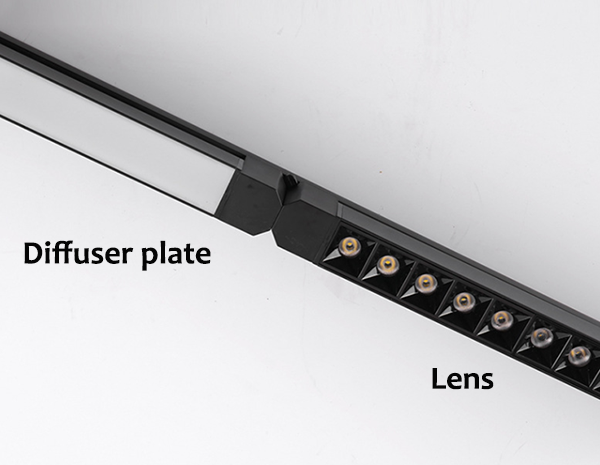
The best choice depends on your ceiling type, design preference, and budget. Recessed offers a smooth, built-in look. Surface-mounted is simple to install. Magnetic track gives you the most flexibility. These three linear Grille Spotlights styles serve different needs. Homeowners and professionals compare them by installation, looks, flexibility, and cost. Recessed options need ceiling cavities for a flush finish. Surface-mounted units attach right onto existing ceilings. Magnetic tracks let you adjust light positions easily. This guide gives practical advice for picking the right type. It helps readers understand trade-offs without hype. The focus stays on real-world use and technical facts.
Key Takeaways
Recessed lights look neat and built-in, but they need ceiling space and careful planning.
Surface-mounted lights are easy to put on any ceiling, so they work great for fast jobs.
Magnetic track lights let you move and adjust fixtures without tools, giving you great flexibility.
Pick recessed lights for a clean, finished style. Choose surface-mounted ones for easy setup. Go with magnetic track lights when you want flexibility.
Think about your ceiling type and how much you want to spend to choose the best light for your room.
Defining Grille Spotlights
Grille spotlights are straight lighting fixtures that have a slotted or louvered face. This special design controls how light spreads while adding a modern look to any room. These fixtures work well in homes and businesses. They give focused light without the strong glare that regular spotlights have.
Recessed Linear Grille Spotlights
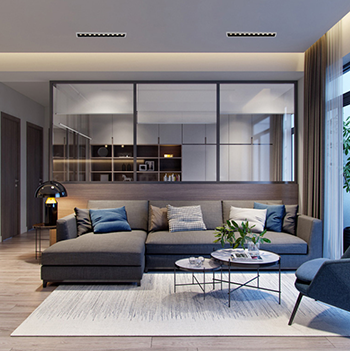
Recessed linear grille spotlights sit level with the ceiling surface. Installers place these fixtures into a ceiling gap, creating a smooth and simple appearance. The fixture hides within the ceiling, leaving only the thin grille visible. This design fits spaces where clean lines and neat surfaces matter most.
Many recessed models use integrated driver technology, which removes the need for separate drivers. The built-in design makes installation easier and lowers maintenance needs. The anti-glare build reduces direct eye strain, making it great for task lighting or accent lighting. The housing is built for durability, and optional diffusion panels let you adjust how light spreads.
Recessed fixtures work best in living rooms where they light up dark corners or highlight feature walls. They also fit well in offices and meeting rooms, where even, glare-free light helps people focus. The flush design keeps sightlines clear, which matters in galleries or hospitality spaces. However, this mounting type needs enough ceiling gap depth. Installers must plan for the recess before drywall work starts.
Surface Mounted Linear Grille Spotlights
Surface-mounted linear grille spotlights attach straight onto the ceiling surface. No cutting or structural changes are needed. This makes them the smart choice for spaces with concrete ceilings, small gap depth, or rental properties where changes are not allowed.
Installation takes less time than recessed units. The fixture mounts with brackets or screws, and wiring connects through a junction box. This method suits kitchens with existing drywall, where adding recessed lighting would need major renovation. Surface-mounted units also work well in hallways and bedrooms, giving comfortable and even lighting without big construction.
These fixtures offer similar light quality to recessed versions. They give bright but soft illumination that reduces eye strain during daily tasks. Retail stores often use surface-mounted grille lights to highlight products on displays, drawing customer attention well. The visible housing becomes part of the design, which some interior styles accept as a planned style choice.
Magnetic Track Variations
Magnetic track systems give a third way to use linear lights. These tracks come in two mounting styles. Each style changes how the system looks and how people set it up.
Surface-Mounted vs. Recessed Magnetic Tracks
Surface-mounted magnetic tracks attach right onto the ceiling surface. This method needs no hidden space or ceiling changes. Installers just fix the track housing to the ceiling and hook up the wires. The process takes less time and costs less than recessed versions. This style works for concrete ceilings, rental spaces, or projects where speed matters more than hiding the gear.
Recessed magnetic tracks sit even with the ceiling opening. This approach needs early planning for ceiling structure, track size, and where to put them. The construction team must get involved early on. The reward is a clean, hidden look that hides all wires and track housing. The look matches the tidy style of recessed Grille Spotlights while still letting you move the lights.
Attribute | Recessed | Surface-Mounted |
|---|---|---|
Installation Method | Set into ceiling | Fixed onto ceiling surface |
Ceiling Requirements | High (needs structure planning) | Low (no hidden space needed) |
Installation Complexity | High (needs early construction help) | Low (simple, direct attachment) |
Post-installation Adjustments | Good | Excellent |
Visual Effect | Clean, hidden | Industrial, flexible |
Key Differences from Fixed Mounting Options
The magnetic system changes how users work with the lights. Fixed spotlights lock into place with twist locks. To move them, you need tools and often a pro. Magnetic tracks work differently. Lights attach with magnets, so users can slide, adjust, and swap lights without any tools or rewiring.
The magnetic mounting system lets you attach lights without tools. Users can move lights easily without needing to change wiring. Fixed spotlights need more work to adjust.
This flexibility changes daily use. A homeowner can move a light to highlight new art in seconds. A store manager can change display lighting after closing. Users can add or remove lights anytime without calling an electrician. The low-voltage magnetic links also make less heat and improve energy use compared to regular track systems.
The look differs too. Magnetic tracks have a very thin, nearly unseen look once installed. Fixed mounting options show bigger hardware and visible brackets. For spaces where the lighting system is part of the design, this thin look matters. Recessed grille spotlights give a similar clean style for those who like fixed mounting but want a neat look.
Comparison Overview
Choosing between recessed, surface-mounted, and magnetic track systems requires a clear look at how each option performs in real-world conditions. The table below summarizes the key differences across five important factors. This comparison helps buyers match the right product to their specific project needs.
Factor | Recessed | Surface-Mounted | Magnetic Track |
|---|---|---|---|
Installation Difficulty | High (requires ceiling cavity) | Low (direct attachment) | Track setup needed |
Visual Impact | Cleanest, flush with ceiling | Visible housing, industrial look | Thin profile, modern appearance |
Flexibility | Fixed position after install | Fixed position after install | Adjustable, movable light heads |
Cost | Requires significant labor and materials | Minimal labor, low material cost | Moderate cost for track and fixtures |
Maintenance | Access through ceiling required | Surface access | Tool-free removal |
Installation & Aesthetics
Recessed Grille Spotlights deliver the most polished visual result. The fixture sits flush with the ceiling line, leaving only the slim grille visible. This creates a seamless appearance that suits minimalist interiors and professional environments. However, achieving this look demands significant preparation. Installers must cut into the ceiling, create proper cavities, and ensure adequate clearance for the housing. This work requires planning before drywall installation or careful cutting afterward. Many recessed models use integrated driver technology that eliminates external drivers, simplifying the recessed installation process.
Surface-mounted units offer the opposite trade-off. They attach directly to the ceiling surface without any cutting or structural changes. The visible housing becomes part of the room's design language. Some interior styles embrace this industrial aesthetic, while others find it less refined. Installation takes hours rather than days. A simple bracket system and junction box connection complete the job. This makes surface-mounted options ideal for concrete ceilings, rental properties, or spaces where renovation is not permitted.
Magnetic track systems occupy a middle ground. Surface-mounted tracks attach easily to any ceiling. Recessed tracks require more planning but hide all hardware. The track itself has a slim profile that reads as intentional design. Users can position light heads anywhere along the track, creating dynamic lighting scenes that fixed options cannot match.
Cost & Maintenance
Budget considerations often decide the final choice. Surface-mounted fixtures cost the least because labor requirements stay minimal. The materials themselves cost less than recessed housings. No ceiling modification means no drywall repair, no structural engineering, and no extra trades on site. For a straightforward project, surface-mounted units deliver solid performance at the lowest price point.
Recessed options carry the highest upfront cost. The fixture price may be similar, but installation labor increases significantly. Cutting precise openings, wiring within confined spaces, and finishing the ceiling edges all add time. Projects with multiple fixtures multiply these costs quickly. However, the investment buys a clean aesthetic that many property owners consider worth the expense.
Magnetic track systems fall between the two extremes. The track itself adds cost, but installation remains simpler than recessed work. Maintenance favors the magnetic system. Users remove fixtures by hand without tools, making bulb replacement or cleaning a two-minute task. Recessed fixtures require reaching into ceiling cavities, which often means using a ladder and carefully prying the housing open. Surface-mounted units sit within easy reach but still need screwdrivers for disassembly.
Long-term reliability matters too. Many manufacturers produce fixtures with rigorous quality control, using automated assembly lines and testing every unit before shipping. This commitment to quality reduces maintenance frequency across all mounting types. Buyers who choose products from established manufacturers gain peace of mind through consistent performance and dependable warranties.
Best Applications for Grille Spotlights
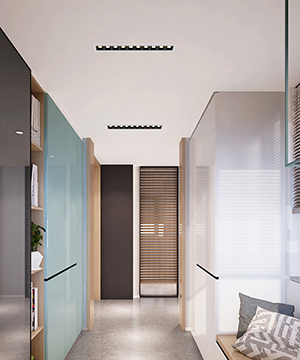
Choosing the right mounting style depends heavily on where the lights will serve. Each space has unique demands for light quality, adjustability, and visual harmony. Matching the fixture type to the room's purpose ensures the best performance.
Residential Spaces: Living Rooms and Kitchens
Recessed linear grille spotlights work great in minimalist living rooms. The flush design keeps sightlines clean and uncluttered. Homeowners use them to wash accent walls with soft light or to highlight artwork without drawing attention to the fixture itself. The anti-glare construction reduces eye strain during evening relaxation or television viewing. For reading corners, the focused beam provides adequate illumination without harsh shadows.
Kitchens with existing drywall benefit most from surface-mounted units. Installing recessed fixtures would require cutting into finished ceilings and repairing drywall afterward. Surface-mounted options attach directly, saving time and money. They deliver bright, even light across countertops and cooking surfaces. Task areas become safer and more functional with proper illumination. Bedrooms also suit surface-mounted grille spotlights for general lighting and calm evening atmospheres.
Commercial Spaces: Retail Stores and Offices
Retail environments demand flexibility above all else. Magnetic track systems allow store managers to reposition fixtures as displays change. Adjustable beam angles, ranging from narrow spotlights to wider washes, let one fixture serve multiple purposes. A single track can mix different beam spreads to balance product highlighting with general illumination. Repositionable fixtures adapt quickly to new layouts without rewiring. Replaceable modules support future redesigns and evolving store displays.
The NADRA-TL111262 is a 12.5W magnetic linear track light designed for soft and uniform illumination in retail, hospitality, gallery, and modern commercial interiors.
Showrooms, hotels, restaurants, and exhibition spaces also benefit from magnetic track flexibility. Temporary exhibitions can adapt lighting arrangements easily. Hospitality venues create elegant, customizable scenes in lobbies and dining areas.
Offices require a professional, clean aesthetic. Recessed grille spotlights deliver uniform, glare-free illumination that supports focus and reduces visual fatigue. Meeting rooms and collaborative spaces benefit from even light distribution across tables and whiteboards. For galleries and hospitality settings, recessed grille spotlights provide a refined solution. Their integrated driver technology simplifies installation while the anti-glare design protects artwork and creates comfortable viewing conditions.
Decision Guide
Prioritizing Aesthetics vs. Ease of Installation
A simple guide helps buyers decide. Pick recessed for a smooth, built-in look. Pick surface-mounted for fast DIY projects. Pick magnetic track for future flexibility. Each choice meets different needs.
Recessed fixtures give the cleanest appearance. The light sits level with the ceiling. This option works best when looks matter most. It needs early planning and skilled workers. Surface-mounted units attach right onto any ceiling without cutting or structural changes. This makes them perfect for quick renovations or spaces with limited access. Magnetic track systems offer a modern look while letting users move lights as needs change over time.
Professional designers follow several steps to make the right choice. They plan lighting early in the design process. Waiting until after furniture installation limits options and raises costs. Teams build mock-up rooms to test lighting comfort, glare, and brightness before making final decisions. This step reveals problems that drawings cannot show. They also ask for material samples to check color, finish, and light spread under real site conditions. This ensures the final product matches the design plan.
Maintenance needs guide the choice too. Modular designs allow easy cleaning and bulb replacement without taking apart whole units. This feature matters in commercial spaces where downtime costs money. Fixture placement needs careful thought. Proper placement prevents tripping hazards and ensures even coverage without glare. Each fixture type needs specific spacing for best performance.
Technical factors matter as well. Power needs must match the venue's electrical capacity. Overloading circuits creates safety risks. Heat management becomes important, especially with older lighting types. Modern LED fixtures reduce heat, protecting décor and keeping occupants comfortable. Following local rules and venue policies stays essential. Some spaces need weather-resistant equipment for outdoor use.
Matching the Mounting Type to Your Ceiling
Ceiling type decides which mounting style works best. Solid concrete ceilings cannot hold recessed fixtures without major structural work. Surface-mounted tracks become the only practical choice. Suspended ceilings with accessible plenums offer more options. They support recessed fixtures, recessed tracks, or surface-mounted choices.
Ceiling height matters for visual comfort. Lower ceilings benefit from recessed fixtures that do not reduce headroom. Surface-mounted fixtures on low ceilings can feel intrusive. Higher ceilings fit any mounting style, but light distribution changes with height. Narrow beam angles work better for accent lighting from higher spots. Wide beam angles suit general lighting from lower spots.
Electrical access affects the installation process. Ceilings with easy access to junction boxes simplify wiring. Limited access raises labor costs. False ceilings provide convenient access for recessed fixtures. Solid ceilings require surface-mounted solutions to avoid costly changes.
The decision guide stays practical. Check the ceiling structure first. Think about the desired look. Consider the budget for installation labor. Match these factors to the right mounting style. Recessed offers the best looks for suitable ceilings. Surface-mounted provides the easiest installation for any ceiling. Magnetic track delivers future flexibility for changing needs.
Technical Considerations
Ceiling Height and Clearance
The ceiling structure decides which mounting style works. Recessed fixtures need enough space behind the ceiling surface. Most recessed linear grille spotlights need sufficient clearance. This space holds the housing, wiring, and any insulation barriers. Installers must measure this depth before buying fixtures. If the ceiling does not have enough space, recessed installation cannot happen without major structural changes.
Surface-mounted units avoid this problem completely. They attach directly to the ceiling surface with mounting brackets. No hidden space is needed behind the fixture. However, installers must make sure a junction box exists at the mounting spot. Building codes require electrical connections to sit inside an accessible junction box. Surface-mounted fixtures often include a small built-in junction box, but older buildings may need an electrician to add one.
Ceiling height also affects how light spreads. Higher ceilings spread light over a wider area, making it less intense. Lower ceilings focus light, which can create harsh pools of illumination. For ceilings above 10 feet, narrow beam angles work better for accent lighting. For ceilings below 8 feet, wider beam angles prevent uncomfortable brightness. Many fixtures offer adjustable beam angles, allowing installers to match the fixture to their specific ceiling height.
Electrical and Dimming Compatibility
Magnetic track systems usually run at low voltage, often at a standard low voltage such as 24V or 48V DC. This low-voltage design improves safety and reduces energy use. However, it needs a separate driver or power supply to convert standard line voltage. Installers must place this driver in an accessible spot, such as a ceiling plenum or junction box. The driver's size and heat output affect where it can sit safely.
Many recessed fixtures integrate the driver into the LED module, simplifying installation. This integrated design removes the need for external drivers entirely. Installers connect the fixture directly to standard line voltage, saving time and reducing possible failure points. The integrated design also lowers maintenance costs because there is no separate driver to replace.
Dimming compatibility varies across fixture types. Magnetic track systems often work with leading-edge or trailing-edge dimmers, but users must check compatibility with the specific driver. Recessed fixtures with integrated drivers typically support common dimming protocols. Buyers should confirm dimming options before purchasing. Detailed product specifications for each fixture, including dimming ranges and compatible control systems, help electricians and designers select the right parts for their projects. Customization options such as color temperature and beam angle allow precise matching to room needs.
The best choice depends on ceiling type, design preference, and budget. Recessed fixtures deliver the cleanest, flush look. They suit spaces where aesthetics matter most. Surface-mounted units offer the simplest installation. They attach directly to any ceiling without cutting or structural changes. Magnetic track systems provide the greatest flexibility. Users can reposition lights as needs change over time. Each option has clear trade-offs. The comparison table and decision guide help readers evaluate their specific space. These tools match the right mounting style to each room. For complex installations, consult a lighting professional. Consider high-quality products from reputable manufacturers for long-term reliability. Integrated driver technology and anti-glare design ensure easy installation and comfortable light.
FAQ
Which mounting type works best for a concrete ceiling?
Surface-mounted fixtures attach directly without cutting. Recessed options need a ceiling cavity that concrete slabs rarely provide. Magnetic tracks with surface mounting also work well. The decision guide section explains how ceiling structure affects each choice.
Can recessed linear grille spotlights be customized for specific projects?
Many recessed models offer adjustable color temperatures and beam angles. Some models offer smooth or prismatic diffusion panels. These options adapt the fixture to different room needs. Product specifications detail these customization choices for residential and commercial projects.
What technical support do manufacturers provide for installations?
Some manufacturers provide technical support for complex installations. They provide product specifications and dimming compatibility documentation. This support helps contractors avoid costly mistakes. The technical considerations section covers electrical requirements and clearance needs in detail.
How does integrated driver technology simplify installation?
Integrated driver technology means the driver circuitry sits inside the LED module. Installers connect directly to line voltage without external drivers. This reduces wiring time and eliminates a common failure point. Many recessed models use this technology for simpler setup.
What should buyers consider when ordering in bulk?
Buyers should confirm ceiling dimensions and clearance first. They should verify dimming compatibility with existing controls. Manufacturers provide detailed specifications for each fixture. Consulting a lighting professional helps avoid specification errors. The comparison table offers a quick reference for large projects.