Supermarket LED Lighting Solutions
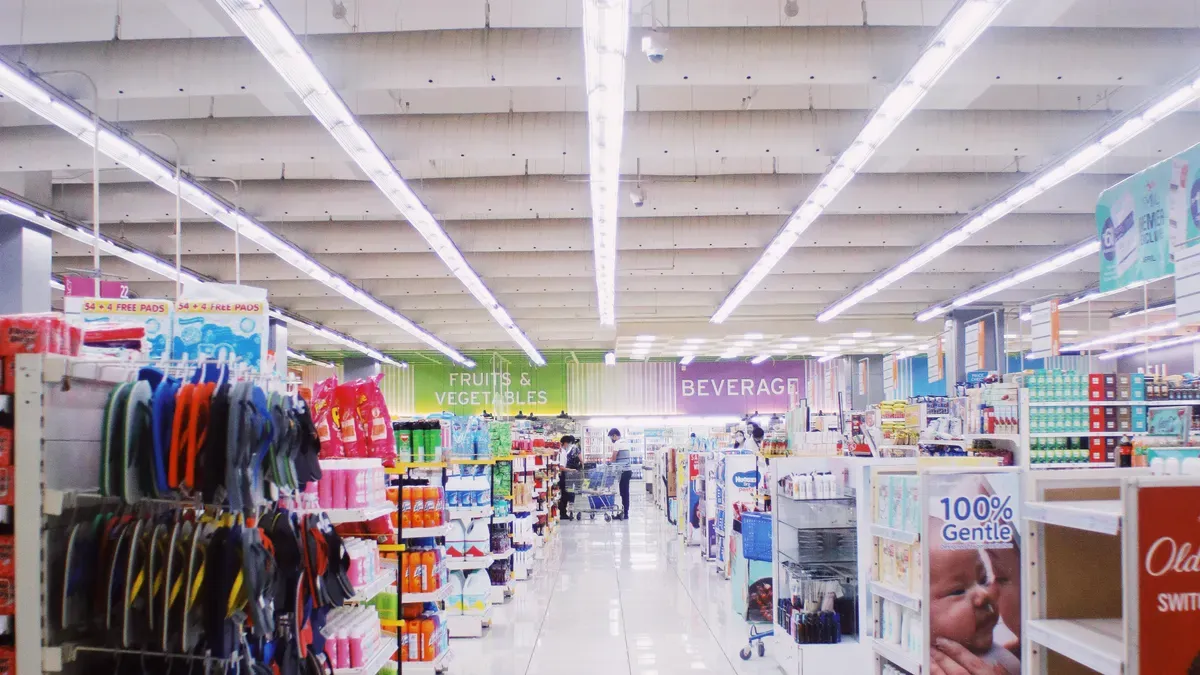
Studies show that 80% of shoppers decide what to buy based on what they see, and lighting plays a big role in that. A dark or poorly lit store feels dull and unwelcoming, making it hard to see products and move around. On the other hand, a bright, well-lit store looks fresh and inviting, which makes customers want to stay longer and buy more.
Modern Supermarket LED Lighting has two main jobs. First, it improves the shopping experience by making products look good and helping customers find their way. Second, it lowers operating costs by saving a lot of energy compared to older lighting systems.
This guide gives you a simple, area-by-area plan for picking and designing LED lighting. Solutions from companies like Liyinled offer both quality and value, helping store owners reach their lighting goals with ease.
Key Takeaways
Use layered ambient, accent, and task lighting to guide shoppers and boost sales by up to 12%.
Choose high-CRI (90+) and correct color temperature to make products look fresh and appealing.
Apply zone-specific lighting: bright cool light at entry, even light in aisles, warm light in bakery.
LEDs cut energy use by 50-70% and last 50,000+ hours, paying for the upgrade in two years.
Add motion and daylight sensors with DALI controls to push total savings beyond 70%.
Supermarket LED Lighting Design Principles
Layering Ambient, Accent, and Task Lighting
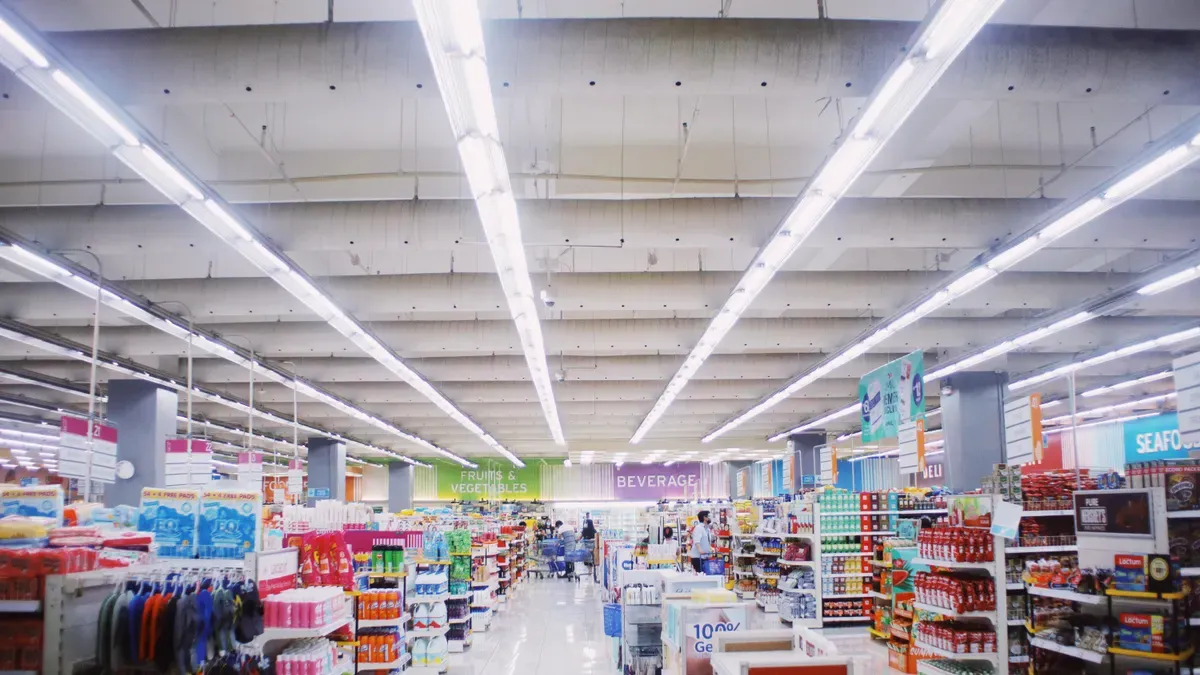
Good lighting design uses three layers that work together. Ambient light gives the whole store its basic brightness. Accent lighting points out special displays and products. Task lighting helps workers see clearly in places like checkout counters and prep stations.
When designers combine these three types, they add depth to the store. This depth guides customers from one area to the next. Brighter spots catch the eye and invite people to move. Softer changes show where one department ends and another begins. Entry zones and fresh produce areas are often the brightest to look fresh. Aisles need even light so customers can see clearly and not feel trapped. Promotional areas use accent lighting to stand out from nearby shelves.
This method works well. Studies show that good retail lighting can boost sales by 12%. A German study found that LED-lit areas had 6% more sales and 15% more foot traffic over 21 weeks. Grocery stores that switched to LED saw a 19% jump in sales. Shoppers grab twice as many items from lit shelves than from unlit ones. These numbers show that investing in Supermarket LED Lighting design pays off fast.
Key Metrics: Lux, CRI, and Color Temperature
Three key measures matter for Supermarket LED Lighting design. Lux tells how much light lands on a surface. General shopping areas need 300 to 500 lux. Fresh produce sections need 750 to 1000 lux to make fruits and vegetables look bright and appealing.
CRI, or Color Rendering Index, shows how well light reveals true colors. For food areas, pick lighting with a CRI of 90 or higher. This keeps meat looking red and fresh, not gray. Lettuce stays green, and strawberries stay bright red. A high CRI makes every product look its best.
Color temperature sets the mood in each department. Warm light at 2700K to 3000K works best for bakery sections. Cool light at 4000K to 5000K suits produce areas.
Bakery displays do best with ultra-warm light, around 2400K. This light brings out golden browns and gives a cozy, oven-fresh feel. Croissant and baguette crusts look crisp and rich in color. Soft pastries appear more textured and appetizing. The warm glow draws attention and signals freshness, which helps with impulse buys.
For bread and pastries, warm white light in the 2700K to 3000K range is the top pick. This range boosts golden, brown, and red tones. Croissants look buttery. Crusts gain depth. Baked goods seem richer, fresher, and just out of the oven. Using cooler white light at 3500K or above makes pastries and breads look less tasty, even if the space seems bright. Color temperature also affects how shoppers feel. Warm light feels cozy and comfortable. Cool light feels clean and energetic. Picking the right temperature for each zone helps store owners shape how customers feel and act.
LED Lighting by Supermarket Zone
Entrance, Aisles, and Shelf Illumination
The entrance sets the first impression. Shoppers move from outdoor brightness to indoor lighting, so the entry zone needs brighter, cooler light to help eyes adjust fast. Fixtures with a color rendering index of 90 or above work best here. A layered approach combines recessed downlights giving 150-200 lux, adjustable track spotlights with narrow 15-30° beams for a 3:1 contrast ratio, and floor light strips at 50 lux to guide customers into the store. This mix creates a welcoming entry that signals freshness and quality.
Aisles need even ambient light with strong vertical illumination on shelves. The goal is to make products stand out without harsh shadows. Linear light strips with wings tilted 30° upward light both the aisle floor and nearby shelves at once, removing the need for separate shelf lighting. This smart design cuts fixture count and installation cost. For general coverage across wide areas, the Liyinled LED Flat Panel Light delivers even, glare-free light that keeps aisles bright and comfortable.
Shelf areas need 300-500 lux, with the central beam focused on the "golden display zone" — the vertical range between 80 and 150 centimeters where shoppers naturally look. Products in this zone get the most visual attention. Proper aiming of fixtures ensures this critical area receives optimal light while reducing waste above and below.
Zone | Recommended Illuminance (lux) |
|---|---|
Main aisles | 200–300 |
Shelf areas | 300–500 |
Checkout counters | 500–700 |
Promotional areas | 500–700 |
High-value product displays | 700–1000 |
Specialty Departments: Produce, Bakery, and Deli
Fresh produce needs high-CRI lighting with better color accuracy and saturation. A CRI of 95 or above makes fruits and vegetables look bright and hard to resist. Tomatoes appear deep red, leafy greens look crisp, and citrus fruits glow with natural brightness. Specialized lighting for fresh meat combines true color rendering with enhanced visual effects, keeping cuts looking fresh and appetizing.
The bakery section benefits from warm light at 2700K inside bread cases. This temperature boosts golden hues and increases appetite appeal. Crusts look crunchier, pastries appear fluffier, and the whole display feels warm and inviting. Cooler light makes baked goods look flat and unappealing, so store owners should avoid it here.
Deli and floral sections thrive with dynamic accent lighting that creates drama and excitement. Track spotlights aimed at premium displays draw attention and encourage impulse buys. Adjustable fixtures let staff reposition light as displays change throughout the day.
Refrigerated cabinets present unique challenges. Standard fixtures struggle in cold environments, so stores need IP65 moisture-proof, cold-resistant LEDs that work reliably down to -35°C. These low-voltage fixtures resist condensation and perform safely in freezing conditions. The Liyinled product line includes durable options that handle demanding supermarket environments while keeping consistent light output.
Checkout counters need bright, task-oriented lighting at 500-700 lux. This level ensures cashiers read barcodes quickly, handle payments accurately, and spot product details without strain. Good lighting here also speeds up the checkout process, reducing wait times and boosting customer satisfaction. A well-planned Supermarket LED Lighting strategy addresses each zone's unique needs while keeping visual harmony throughout the store.
Key Technical Factors and Energy Efficiency
Durability, Moisture Resistance, and Heat Management
Supermarkets need tough lighting fixtures. Produce misting systems spray water all day. Cleaning crews use strong hoses and chemicals. These conditions can ruin regular fixtures fast. Store owners must check IP ratings before installing lights. IP65-rated fixtures block dust and water jets completely. This rating matters most in produce sections, meat counters, and wash-down areas. Lower-rated fixtures break down quickly in these spots, causing frequent swaps and safety risks.
Heat control is also key for LED performance. LEDs make heat at their junction points. Poor heat release shortens their life a lot. Quality fixtures use aluminum heat sinks and special materials to pull heat away from the diodes. This design keeps junction temperatures safe. Cold spaces bring a different issue. Refrigerated cases and freezers create condensation when warm air hits cold surfaces. Fixtures must handle both cold work and moisture buildup. Cold-rated LEDs with good sealing work well down to -35°C without flickering or dimming.
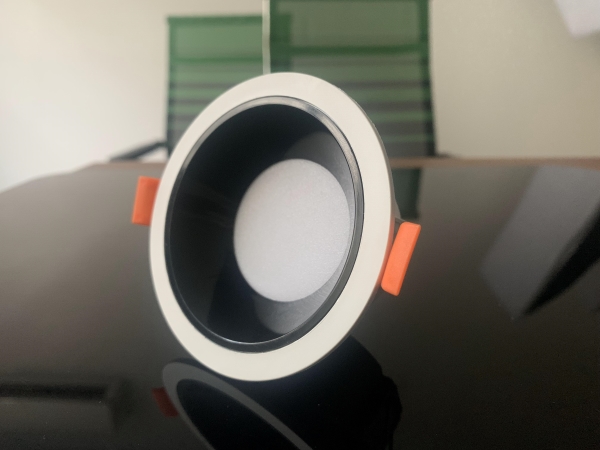
Liyinled builds its LED Flat Panel Lights with these needs in mind. The fixtures have strong thermal systems that keep light steady over time. Each panel lasts 50,000 hours. That means over five years of nonstop use in a 24-hour store. The slim design holds advanced backlight tech that spreads light evenly while managing heat well. Models like the APL-PB-2514 and APL-PB-2515 offer different sizes for various ceilings. These panels work reliably in both normal and refrigerated spaces.
Calculating ROI and Integrating Smart Controls
The money case for Supermarket LED Lighting rests on real savings. LED fixtures use 50-70% less energy than fluorescent systems. A typical 50,000-square-foot store might spend $120,000 yearly on lighting power. Switching to LED drops that to about $40,000. The yearly savings of $80,000 pays for the retrofit within two years. Maintenance savings add more value. Fluorescent tubes need swapping every 8,000-10,000 hours. LED panels last 50,000 hours or more. Fewer swaps mean lower labor costs and less store disruption.
Cost Factor | Fluorescent | LED |
|---|---|---|
Annual energy cost (50,000 sq ft) | $120,000 | $40,000 |
Lamp life | 8,000-10,000 hours | 50,000+ hours |
Replacement frequency | 4-6 times per year | Once every 5+ years |
Annual maintenance cost | $8,000-$12,000 | $1,000-$2,000 |
Smart controls boost these savings even more. Motion sensors in low-traffic spots like storage rooms and restrooms dim lights automatically when no one is there. Daylight sensors adjust brightness based on natural light coming in. On sunny days, fixtures dim to keep target lux levels without wasting power. These controls work with DALI systems, which let managers run every fixture from one place. Store managers can set schedules, watch energy use, and change lighting scenes from a single screen. The mix of efficient LEDs and smart controls usually pushes total savings past 70% compared to old systems.
Liyinled supports this smart approach with compatible fixtures and fast service. Their team answers questions within 12 hours and ships products quickly. Store owners can talk with Liyinled experts to design a lighting plan that boosts both performance and return on investment. The company's CE and RoHS certifications ensure they meet international safety and environmental rules. With reliable products and expert help, supermarkets can hit their energy goals without hurting the shopping experience.
Supermarket LED Lighting success depends on three key choices. Layered design combines ambient, accent, and task light to guide shoppers naturally. High CRI and proper color temperature make products look fresh and appealing. LED technology cuts energy use by 50-70% and lasts 50,000 hours, reducing maintenance costs dramatically.
Lighting represents a strategic investment, not an expense. It shapes customer perception directly and impacts the store's bottom line. Store owners should evaluate their current setup and identify weak zones. A consultation with a professional provider like Liyinled helps create a tailored, energy-efficient plan. Their experts respond within 12 hours and offer CE-certified fixtures that deliver lasting value.
FAQ
How do store owners choose the right LED fixture for different supermarket zones?
Store owners pick fixtures based on what each area needs. Flat panel lights work well for general aisle coverage. Track spotlights suit accent displays. Refrigerated cases need cold-rated fixtures with IP65 protection. Each zone requires specific lux levels, CRI values, and color temperatures for optimal product presentation.
What customization options does Liyinled offer for supermarket projects?
Liyinled provides multiple power options from 40W to 100W across their flat panel line. Customers select color temperatures at 3000K, 4000K, or 5000K. The company supports different mounting configurations, including recessed frames and surface brackets. This flexibility lets store owners match fixtures to existing ceiling layouts.
How long does a typical supermarket LED retrofit take?
A full retrofit timeline depends on store size and fixture count. Most projects complete within two to four weeks. Liyinled ships products within 12 hours of inquiry confirmation. Their CE-certified fixtures install quickly into standard grid ceilings, minimizing store disruption during the transition.
What results have supermarkets seen after switching to LED lighting?
Retailers report energy savings between 50 and 70 percent compared to fluorescent systems. One grocery chain saw a 19 percent sales increase after the switch. LED-lit shelves generate twice the customer picks compared to unlit displays. These outcomes combine lower operating costs with measurable revenue growth.