Surface Mount flat panel led lights Commercial Supply
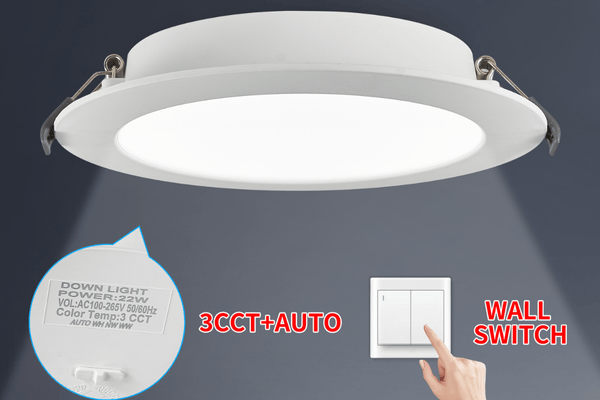
Surface mount flat panel LED lights give commercial buyers a practical answer to two needs at once: even, glare-free light across open workspaces and lower energy use over the life of the setup. Buying them in bulk still challenges procurement teams. Specification sheets rarely match site conditions, compliance paperwork arrives incomplete, and supply schedules slip without warning. Liyinled works with commercial buyers on exactly these points, from reviewing documents to keeping repeat orders consistent. This guide walks through the decisions that shape a successful bulk purchase, including features, specifications, installation, controls, maintenance, cost, and compliance.
Key Takeaways
Surface mount LED panels give even light without glare and cost less to run in commercial spaces.
Look at specs like wattage, lumens, and color temperature. Make sure they fit your ceiling height and the tasks you need to do.
Ask for full paperwork, like LM-79 and LM-80 reports, to check performance and back up rebate claims.
Pick the right mounting style and dimming protocol to make installation easier and get the most savings.
Make a maintenance plan using good drivers and spare parts. This will keep the lights working well for a long time and reduce downtime.
Why Flat Panel LED Lights Fit Commercial Supply
Uniform Illumination and Energy Savings
Backlit flat panel technology spreads light across the whole face of the fixture. A diffuser sits over the LED array and softens the light into an even field. Workers see fewer bright spots and less glare on screens and counters. This steady light works well in offices, schools, hospitals, and retail floors. People read, work, and move in these places for long hours.
Liyinled's LED Flat Panel Light (model APL-PB-2514) shows how this design works in real use. The low-profile backlit panel comes in 40W, 48W, 72W, 96W, and 100W versions. Buyers can match wattage to ceiling height and task needs across one building. Lower wattage uses less power for the same visual comfort, so energy costs drop over the life of the install.
Commercial sites often include:
Office buildings
Shopping centers and convenience stores
Hotels and restaurants
Schools and recreational centers
Museums and hospitals
Surface Mount vs. Recessed and Suspended
Each mounting style fits a different ceiling condition. Surface mount panels attach right to the ceiling slab. They work well in retrofit projects, concrete ceilings, and rooms with no plenum space. Recessed panels sit flush inside a grid ceiling. Liyinled's 60x60cm LED Recessed Frame Light (model APL-PB-2515) gives a clean, built-in look for offices and retail spaces with drop ceilings. Suspended panels hang on cables or rods. They suit high bays, open industrial rooms, and spaces where light needs to sit closer to the work surface.
No single style wins everywhere. The right choice depends on ceiling structure, plenum depth, and the look the client wants. Many projects mix styles room by room. A buyer who plans this mix early avoids change orders later.
Key Specifications for Sourcing
Dimensions, Wattage, and Lumen Output
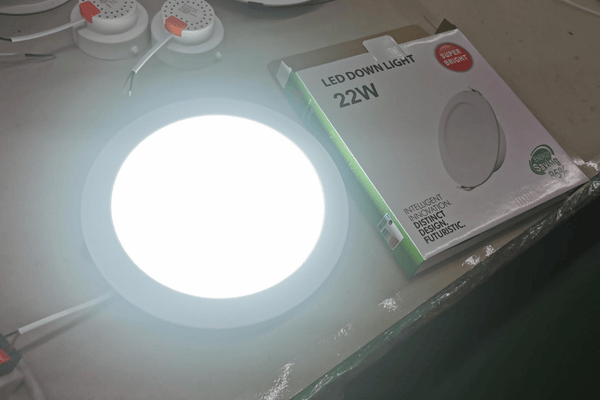
A datasheet rewards a careful reader. Start with the physical size. Commercial ceilings often use 60x60cm grid modules, and Liyinled makes both its backlit panel (APL-PB-2514) and its recessed frame model (APL-PB-2515) in that size. Check the outer dimensions and the cutout dimensions separately. A panel that fits the grid opening may still hit the ceiling frame.
Wattage tiers set the power budget. Liyinled offers 40W, 48W, 72W, 96W, and 100W versions of the same panel family. Match the tier to ceiling height and task demand. A low-ceiling office corridor needs less power than a high retail floor.
Wattage tier | Typical fit |
|---|---|
40W / 48W | Offices, corridors, low ceilings |
72W | General commercial rooms |
96W / 100W | High ceilings, large open floors |
Lumen output tells the buyer how much light the panel really gives off. Efficacy links lumens to watts, so a panel with higher efficacy makes the same light for less power. Compare efficacy across bidders at the same wattage tier. Ask each supplier for the tested lumen figure, not a calculated estimate.
Color Temperature, CRI, and Beam Distribution
Color temperature shapes how a room feels. Cooler white suits task-heavy offices and clinical spaces. Warmer white fits hospitality and retail displays. Confirm the CCT options in writing and check that every panel in a bulk order matches the approved sample.
CRI measures how faithfully a light shows color. Commercial spaces with merchandise, signage, or printed materials need a high CRI threshold. State the minimum in the purchase order and verify it on the test report.
Beam distribution matters for flat panel led lights because the diffuser spreads light across a wide field. Buyers should expect broad, even coverage rather than a narrow spot. Request a photometric file to model spacing before the order ships.
Documentation to Request
Paperwork separates a reliable supplier from a risky one. Request LM-79 reports for photometric and electrical performance. Ask for LM-80 data on the LED package and ISTMT data on the luminaire. These documents let the buyer check claims and support rebate applications later. Review the full LED panel specifications package before signing a bulk agreement.
Installation Methods for Surface Mount Panels
Ceiling and Wall Mounting Considerations
The bracket you pick shapes the whole install. A surface mount panel needs a bracket rated for the fixture's weight and the ceiling material. Concrete slabs, drywall, and metal decking each need different anchors. Buyers should check that the bracket comes with the panel or order it on its own. Models without a ceiling-box bracket take more labor, since the installer must build a mounting surface first.
Wall mounting works well for corridors and feature walls. The installer must hit studs or use the right anchors, and the panel should stay clear of sprinkler heads and signage. Liyinled's LED Flat Panel Light comes as a low-profile backlit design, which keeps the standoff distance small on both ceilings and walls.
Hybrid approaches help when a client wants a flush look without cutting the ceiling. Conversion kits and trim frames let a surface-mounted panel look recessed. These kits make retrofits easier in occupied buildings, where dust and downtime matter.
Wiring, Drivers, and Code Compliance
Driver placement shapes service access. An external driver lets a technician swap the power supply without taking down the panel. An internal driver keeps the profile slim but makes repair harder. Buyers should confirm the driver location on the datasheet before ordering in bulk.
Junction box rules follow local electrical codes, and most areas use the National Electrical Code (NEC) as their baseline. The installer must bond the fixture, secure the wiring, and keep the junction box accessible. Liyinled builds these panels at its Guangdong factory, and the company supplies the wiring and driver documents that inspectors ask for. Review the backlit flat panel light specs against the project's electrical drawings before release. For recessed grid ceilings, the 60x60cm LED Recessed Frame Light gives a matching option within the same family.
Smart Control and Dimming Integration
0-10V, DALI, and Wireless Compatibility
The dimming protocol you pick affects the control system, the driver order, and the setup plan. Buyers should lock this in before placing a bulk order.
Dimming Protocol | Description | How to Confirm Driver Compatibility |
|---|---|---|
0-10V (wired) | This is the main backbone for most commercial control systems. It gives smooth brightness changes for boardrooms and hospitality areas. | Check the product specs and make sure the control system matches the fixture's driver. |
Bluetooth / wireless | Bluetooth drivers let you control brightness and schedules from a mobile app. This includes managing groups of lights remotely. | Confirm the driver supports the wireless method and that the control system works with that driver. |
Many modern flat panel led lights come with 0-10V dimming. You still need written proof of dimming and protocol support in the product specs. The buyer should also check that the control system works with the fixture's driver for smooth results. Liyinled's Guangdong factory sends driver paperwork with every order, which helps control integrators confirm fit early.
Sensors and Occupancy Controls
Sensors turn a dimmable panel into a money-saving tool. Occupancy and motion sensors dim or turn off panels when a room is empty. This stops wasted light in restrooms, breakrooms, and conference halls, with no one lifting a finger.
Daylight harvesting adds a second layer. Sensors read incoming natural light and dim the panels when there is enough daylight, then brighten them as it fades. This cuts artificial light near windows and skylights during the day. Paired with dimming, smart control matches light output to real demand and boosts overall savings. Buyers should confirm sensor fit with the chosen driver and review the LED Flat Panel Light specs before finalizing the control plan.
Maintenance and Reliability Factors
Driver Quality and L70 Lifetime Ratings
L70 and L80 ratings show buyers how long a panel keeps most of its light. L70 means the panel still gives off 70 percent of its first lumen output at the rated hours. L80 sets the bar higher at 80 percent. Manufacturers get these numbers from LM-80 test data on the LED package. Buyers should ask how any lifetime claim was figured out.
The driver often decides whether a panel reaches its rated life. A good driver keeps current steady and shields the LEDs from voltage swings and heat. A weak driver fails early and brings the whole fixture down with it. Liyinled builds its panels at its Guangdong factory and sends driver paperwork with each order. This lets buyers check the power supply against the lifetime claim.
Serviceability and Replacement Planning
Service access shapes long-term cost. An external driver lets a technician swap the power supply from below without taking down the panel. Internal drivers keep the profile slim but take more labor at repair time. Buyers should confirm driver location and access on the LED Flat Panel Light datasheet before a bulk release.
Spare-part planning protects uptime. A sensible rule keeps a small percentage of panels and drivers on site for fast swaps. Warranty terms deserve the same close look. Commercial supply agreements should state the coverage period, what the warranty covers, and who pays for removal and reinstallation. Buyers should also confirm that the supplier stocks matching replacements. That way a failed panel does not force a mixed look years later.
Cost Analysis and ROI
Unit Cost, Installation Savings, and Rebates
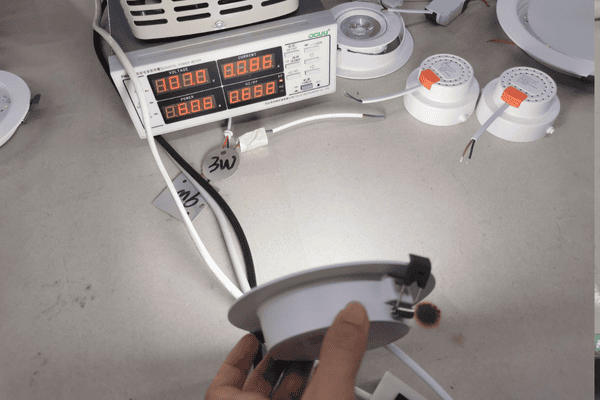
The price you pay upfront is only one part of the cost. A commercial buyer should look at three numbers together: the price per panel, the labor hours each mounting method needs, and the energy the fixture uses over its life. A cheaper panel that needs extra bracket work or a rebuilt mounting surface can cost more in the end than a slightly higher-priced model that installs cleanly.
Surface mount designs often cut labor on retrofit jobs. The installer fastens the bracket and hangs the panel without cutting a ceiling opening or building a support frame. That saved time adds up across a large order. On a multi-floor project, the gap between a simple bracket and a custom-built mount grows fast in crew hours.
Energy use drives the long-term return. Liyinled's LED Flat Panel Light (model APL-PB-2514) comes in 40W, 48W, 72W, 96W, and 100W tiers. A buyer who picks the lowest tier that is enough for each space lowers the power draw without losing light. Add 0-10V dimming and occupancy sensors, and the panel runs below full output for much of the day. The savings appear on every utility bill for years.
Rebates can cover part of the purchase. Many utilities tie incentive eligibility to DLC listing, so the certification affects the real net cost, not just the paperwork.
DLC Listing and Incentive Eligibility
The DesignLights Consortium (DLC) keeps a qualified products list for commercial lighting. Utilities across North America use that list when they set rebate programs. A panel that shows up on the DLC list can qualify for incentives that a non-listed fixture cannot claim.
Checking takes a few steps. First, ask the supplier for the DLC model number and confirm it matches the exact setup being ordered. Wattage and CCT variants sometimes have separate listings. Second, check the listing directly on the DLC website instead of trusting a brochure claim. Third, confirm the listing stays current through the delivery date, since listings can lapse.
Paperwork supports the claim. LM-79 reports and ISTMT data back up the performance figures the listing rests on. Liyinled's Guangdong factory supplies these documents with commercial orders, which helps buyers file rebate paperwork without delays. Buyers sourcing flat panel led lights in bulk should build this check into the purchase order, so the incentive stays secure.
Specifications, installation, controls, maintenance, cost, and compliance connect at every stage of a bulk order. A weak datasheet undermines the rebate claim. A poor bracket choice raises labor hours. Buyers should judge suppliers on three things: complete technical documentation, certification support, and steady supply. Liyinled, through Guangdong Liyinled Lighting Co., Ltd., backs its LED Flat Panel Light orders with driver paperwork and factory-built consistency. Surface mount LED panels reward that diligence. They cut energy use, simplify retrofits, and support sustainability targets for years.
FAQ
What wattage should a buyer choose for a commercial space?
Wattage depends on ceiling height and the task at hand. Liyinled's LED Flat Panel Light comes in 40W, 48W, 72W, 96W, and 100W tiers. Offices with low ceilings do well with the lower tiers. High retail floors and large open rooms need the higher ones. Buyers should choose the lowest tier that still meets the light level.
Do surface mount panels work in buildings without a drop ceiling?
Yes. Surface mount panels attach right to concrete slabs, drywall, and metal decking. They need no plenum space and no grid opening. That makes them a great fit for retrofit projects and older buildings. Buyers should make sure the bracket matches the ceiling material before ordering.
Which documents should accompany a bulk order?
A complete order includes LM-79 reports, LM-80 data on the LED package, and ISTMT data on the luminaire. These documents back up performance claims and help with rebate filings. Liyinled's Guangdong factory sends this paperwork with commercial orders. Buyers should check that each document matches the exact model and wattage being shipped.
Can these panels connect to an existing control system?
Most commercial control systems use 0-10V dimming, and many flat panel led lights support it. Buyers should get driver compatibility confirmed in writing before a bulk release. Occupancy and daylight sensors add more savings. The supplier should send driver documentation so integrators can check the fit early.
How does DLC listing affect the purchase?
The DLC qualified products list drives many utility rebate programs. A listed panel can qualify for incentives that a non-listed fixture cannot claim. Buyers should confirm the exact model number on the DLC website and check that the listing stays current through delivery. Guangdong Liyinled Lighting Co., Ltd. helps with this check for its backlit flat panel light orders.