top 10 LED track lights for commercial spaces
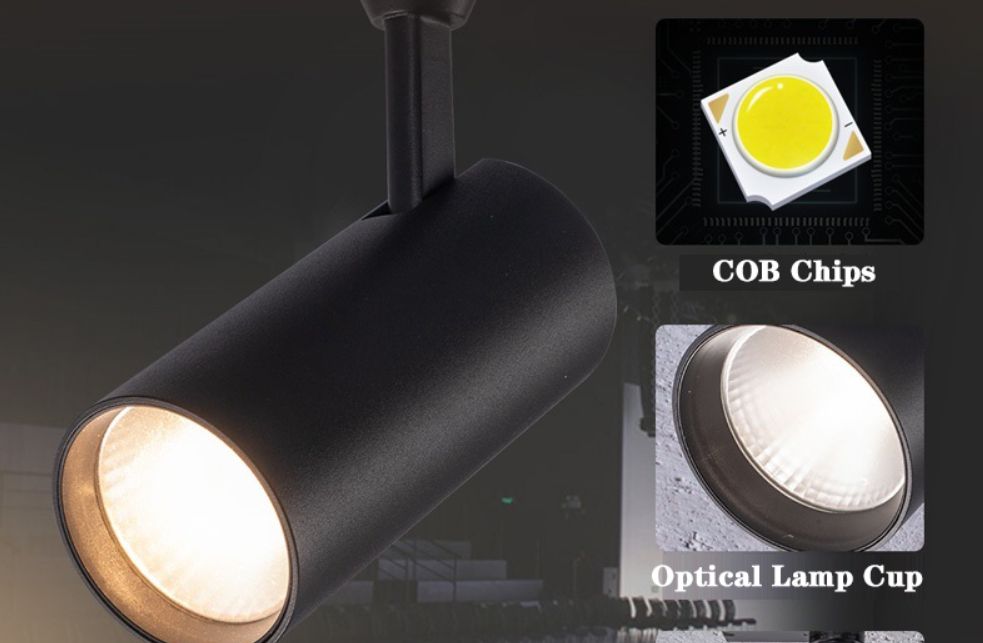
An exceptional commercial space demands superior lighting. The right LED track lights enhance ambiance, highlight products, and improve functionality. The market reflects this importance, with a projected growth rate of 7-8% annually. Smart lighting systems are growing even faster. This guide identifies top performers for specific needs. WAC Lighting offers the best overall performance. Signify (Philips) excels in smart control and integration. ERCO leads in architectural design. Choosing the right LED Track Light from a reputable LED Track Light Manufacturer is crucial for any project. Many led light manufacturers produce various led light fixtures, making selection difficult.
A Detailed Review of the Top 10 Commercial LED Track Lights
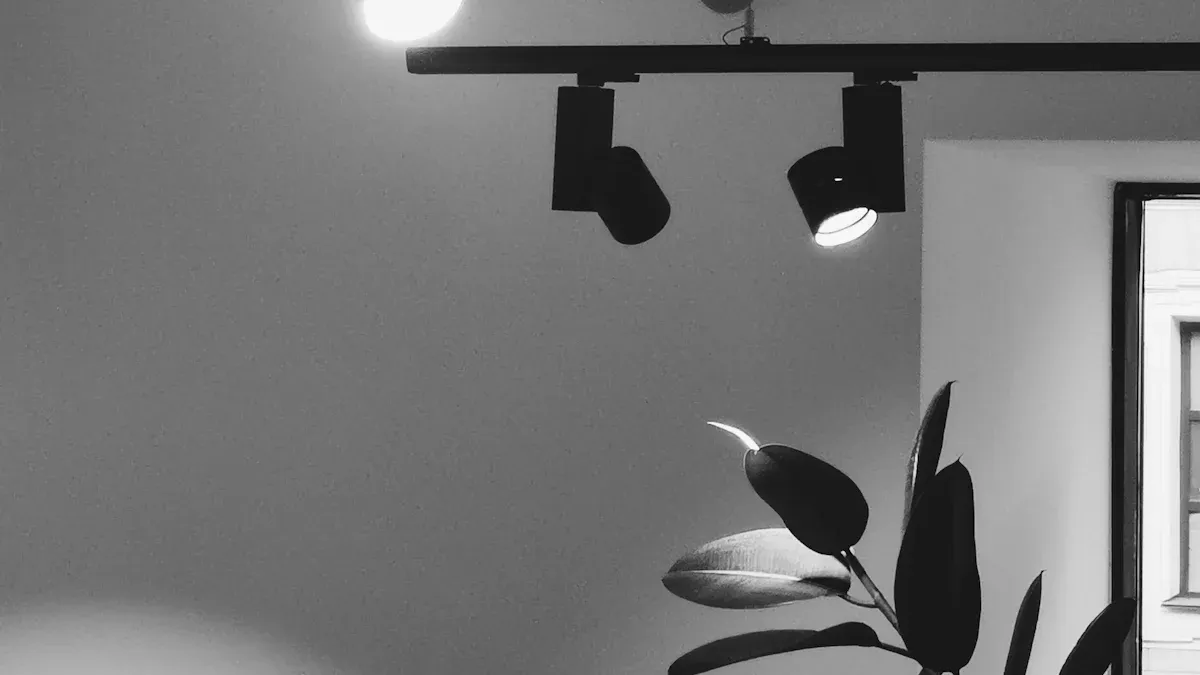
1. WAC Lighting
Best For: High-End Retail and Galleries
Key Features
Aether Track Series: Known for its shallow plenum housing and high-performance output.
Superior Color Rendering: Most fixtures offer a 90+ CRI, ensuring products and artwork appear true-to-life.
Versatile Optics: A wide selection of beam angles and lens accessories allows for precise light shaping.
Robust Warranty: The company provides a strong warranty, reflecting confidence in its product quality.
Performance Analysis
WAC Lighting excels in environments where visual appeal is paramount. For high-end retail spaces, its fixtures render colors accurately, making merchandise more attractive to customers. The brand's commitment to quality is evident in its construction and warranty protection. This makes it a reliable choice for demanding commercial projects. The warranty coverage demonstrates a long-term commitment to performance.
Warranty Aspect | Coverage Period |
|---|---|
Functional | 5 Years |
Finish | 2 Years |
Designers often specify WAC for luxury retail and gallery projects. The fixtures blend seamlessly into modern architecture while delivering powerful, focused illumination.
2. Signify (Philips)
Best For: Advanced DALI-2 Control Systems
Key Features
Native DALI Integration: Fixtures are designed to work flawlessly with Digital Addressable Lighting Interface (DALI) protocols.
Individual Luminaire Control: The system allows for granular control, enabling users to address and dim each light point separately.
Energy and Diagnostic Data: A key feature of the Philips DALI system is its ability to report energy consumption and operational status for each fixture.
Interoperability: As a leader in DALI-2, Signify ensures its products work with other certified devices, creating a cohesive smart building.
Performance Analysis
Signify is the undisputed leader for projects requiring sophisticated lighting control. The Philips dali-2 smart track system offers unparalleled flexibility. Facility managers can create complex scenes, schedule changes, and harvest daylight using a single, standardized protocol. This level of control is essential for dynamic spaces like conference centers and multi-use offices.
Note: A DALI network allows two-way communication. This means you can not only send commands to the lights but also receive data back, confirming their status and power usage. This makes the DALI protocol a powerful tool for maintenance and energy management.
Implementing a Signify DALI system future-proofs an installation. It provides the foundation for a truly intelligent building, where lighting adapts to occupants' needs while maximizing energy efficiency.
3. ERCO
Best For: Museums and Art Curation
Key Features
Precision Optics: ERCO develops its own lenses and reflectors in-house, delivering exceptionally precise and uniform beam patterns.
Museum-Grade Light Quality: The fixtures produce light with virtually no UV or IR radiation, protecting sensitive artifacts from damage.
Unmatched Color Fidelity: ERCO's spotlights achieve near-perfect color rendering, crucial for displaying art as the artist intended.
Minimalist Design: The hardware is designed to disappear into the architecture, placing all focus on the illuminated object.
Performance Analysis
ERCO sets the global standard for museum and gallery lighting. The company's philosophy centers on using light as a tool for artistic expression. Its led track lights provide curators with the precision needed to highlight texture, form, and color without compromise. The quality of light is scientifically measurable and visually stunning.
For example, specific ERCO spotlights demonstrate exceptional color rendering capabilities:
The Erco Luciton model achieves a Color Rendering Index (CRI) of 98 and an average score of 99.2 for the extended R9-R15 values. This ensures that deep reds, skin tones, and subtle pastels are rendered with breathtaking accuracy.
This level of performance is why architects and lighting designers trust ERCO for the world's most prestigious cultural institutions.
4. Juno Lighting (Acuity Brands)
Best For: Hospitality and Restaurants
Key Features
WarmDim® Technology: Fixtures mimic the warm, inviting glow of incandescent bulbs by shifting to a warmer color temperature as they dim.
Advanced Control Integration: Juno Trac LED fixtures offer compatibility with sophisticated control systems like nLight for granular management.
Flexible Configurations: The brand provides low-voltage options and J-type compatible systems, allowing for versatile layouts in dynamic spaces like hotels, bars, and cafes.
Broad Fixture Selection: Juno offers a wide array of track head styles and finishes to match diverse interior design aesthetics.
Performance Analysis
Juno Lighting excels at creating ambiance, a critical element in hospitality. Its WarmDim® technology allows restaurant and hotel operators to transition from bright, functional lighting to a warm, intimate atmosphere seamlessly. This feature is invaluable for spaces that serve different functions throughout the day. The ability to dim fixtures down to 0.1% provides an exceptional level of control over the mood of a space.
For advanced installations, Juno offers robust control solutions.
Fixtures integrate with nLight wired controls.
The nSP5 PCD Secondary Relay and Dimming Pack enables precise dimming.
A streamlined 0-10V dimming solution is also available for simpler setups.
This combination of atmospheric dimming and powerful control makes Juno a top choice for designers. They can craft memorable guest experiences in restaurants and hotels, where the quality of light directly impacts customer perception and comfort.
5. Alcon Lighting
Best For: Modern Office Environments
Key Features
Architectural Linear Fixtures: Specializes in sleek, linear track lighting systems that integrate perfectly with modern office aesthetics.
High-Efficiency Output: Fixtures deliver high lumens per watt, providing bright, uniform illumination while minimizing energy consumption across large floor plates.
Customization Options: Alcon offers made-to-order fixtures, allowing specification of length, color temperature, and finish to meet precise project requirements.
Tunable White and Dimming: Many systems are available with tunable white and 0-10V dimming, supporting human-centric lighting strategies in the workplace.
Performance Analysis
Alcon Lighting addresses the specific needs of the contemporary office. Its linear fixtures provide clean lines that complement open-plan layouts and minimalist design. For large-scale commercial projects, energy efficiency is paramount. Alcon's high-performance LEDs reduce operational costs without sacrificing light quality, ensuring a bright and productive workspace.
The ability to customize fixtures is a significant advantage for corporate clients. An architect can specify a continuous run of light down a long corridor or create a unique configuration for a collaborative zone. This level of design freedom helps reinforce a company's brand identity. By offering tunable white options, Alcon also empowers companies to create a healthier office environment where the lighting can be adjusted to support employee well-being and circadian rhythms.
6. Oteshen Lighting
Best For: Budget-Conscious Commercial Projects
Key Features
Cost-Effective Solutions: Oteshen provides reliable track lighting fixtures at a highly competitive price point, making it accessible for projects with tight budgets.
Standard Compatibility: The fixtures are typically designed for compatibility with common track systems (like H, J, or L types), simplifying specification and installation.
Solid Performance Metrics: Delivers respectable color rendering (often 80+ CRI) and efficiency for its price category.
Wide Availability: Products are widely available through online distributors, ensuring easy procurement for smaller-scale projects.
Performance Analysis
Oteshen Lighting carves out a crucial niche in the market by delivering dependable performance without the premium price tag. While it may not offer the cutting-edge optics of ERCO or the advanced controls of Signify, it provides a practical and affordable solution for many businesses. This makes it an excellent choice for startups, small retail shops, and pop-up stores where initial investment cost is a primary decision driver.
The value proposition is clear: Oteshen offers functional, aesthetically pleasing lighting that gets the job done. For a project manager balancing cost and quality, Oteshen presents a compelling option.
Feature | Oteshen Value Proposition |
|---|---|
Initial Cost | Low to Moderate |
Performance | Good (Meets standard requirements) |
Advanced Features | Basic (Focus on core function) |
Best Use Case | High-volume, budget-driven installs |
Ultimately, Oteshen proves that effective commercial lighting does not have to be prohibitively expensive. It empowers a broader range of businesses to upgrade their spaces with the flexibility and efficiency of LED track systems.
7. Lightolier (Signify)
Best For: Minimalist and Architectural Aesthetics
Key Features
Compact and Discreet Fixtures: Lightolier specializes in small-form-factor track heads that blend into the ceiling, preserving clean architectural lines.
Refined Finishes: The brand offers a curated selection of high-quality finishes, including matte white, black, and brushed nickel, to complement sophisticated interiors.
Lytespan Track System: Its industry-renowned track system is known for its durability and broad compatibility, making it a staple for architects.
High-Quality Optics: Despite their small size, the fixtures incorporate precision optics that deliver effective accent and general illumination.
Performance Analysis
Lightolier champions the "less is more" philosophy in commercial design. Its products are engineered to disappear, placing the focus entirely on the space and the objects within it. This makes the brand a favorite among architects designing corporate lobbies, art galleries, and high-end boutiques where the hardware should not distract from the environment. The compact size of fixtures like the Alcyon series allows designers to achieve powerful lighting effects without visual clutter.
The primary value of Lightolier is its ability to deliver performance from an almost invisible source. It provides the tools to sculpt with light, creating drama and highlighting architectural features without drawing attention to the fixtures themselves.
This focus on aesthetic integration makes Lightolier an essential brand for projects demanding a polished and minimalist final look.
8. Cree Lighting (Essentia Series)
Best For: Tunable White and Human-Centric Lighting
Key Features
Tunable White Technology: The Essentia Series offers fixtures with adjustable color temperatures, typically ranging from a warm 2700K to a cool 5000K.
High Color Fidelity: Cree Lighting maintains excellent color rendering (90+ CRI) across the entire tuning range, ensuring colors remain accurate at any CCT.
Simple Control Integration: The system is designed to work with common 0-10V controllers, making it easy to implement dynamic lighting scenes.
Energy Efficiency: The fixtures provide strong lumen output per watt, aligning with the energy-saving goals of modern building standards.
Performance Analysis
Cree Lighting's Essentia Series is at the forefront of human-centric lighting. This approach uses tunable white technology to mimic the natural progression of daylight, supporting the human circadian rhythm. In office environments, this can lead to increased productivity and alertness. In healthcare settings, it can create a more calming and restorative atmosphere for patients. The ability to adjust the lighting from cool and energizing in the morning to warm and relaxing in the afternoon is a powerful tool for enhancing well-being.
The Essentia Series makes this advanced technology accessible.
It allows facility managers to program schedules that automatically shift color temperature throughout the day.
Users can also manually adjust the lighting to suit specific tasks or moods.
By prioritizing the human experience, Cree Lighting provides a solution that goes beyond simple illumination. It transforms a space into a responsive and healthier environment.
9. Halo Lighting (Cooper Lighting)
Best For: Grocery and Supermarket Aisles
Key Features
High-Lumen Output: Halo track heads are engineered to deliver powerful, bright illumination capable of lighting long, tall supermarket aisles effectively.
Specialized Optics: The brand offers a range of beam angles designed specifically for retail applications, ensuring products on shelves are perfectly highlighted.
Durability and Reliability: Halo products are built to withstand the demands of a busy commercial environment, offering long lifespans and consistent performance.
Versatile Beam Spreads: Halo provides multiple optical choices to direct light precisely where it is needed. These options include:
15° (spot)
22° (narrow flood)
37° (flood)
60° (wide flood)
Wall wash
Performance Analysis
Halo Lighting excels in the demanding environment of grocery stores and large retail spaces. The primary challenge in these settings is achieving uniform vertical illumination on shelves from top to bottom. Halo's high-output fixtures and specialized optics solve this problem efficiently. A narrow spot (15°) can be used to create dramatic highlights on a promotional endcap. A wider flood (60°) or a wall wash optic can evenly illuminate an entire aisle of products, eliminating dark spots and making merchandise look more appealing.
This optical flexibility is crucial for driving sales. Proper lighting can make fresh produce look more vibrant and packaged goods more eye-catching. Halo provides store planners with the tools needed to create a bright, welcoming shopping experience that guides customers and showcases products effectively. Its reputation for durability also means less maintenance and lower long-term costs for the facility.
10. Powerstar
Best For: High-Efficiency and Performance
Key Features
Exceptional Luminous Efficacy: The brand engineers its fixtures to lead the market in lumens per watt (lm/W), maximizing brightness while minimizing power consumption.
Patented Driver and Heatsink Design: Powerstar utilizes proprietary technology to manage heat effectively, ensuring stable performance and a long operational lifespan.
Advanced Optical Control: Fixtures come with high-transmittance lenses that direct light precisely, reducing waste and improving visual impact.
Robust Build Quality: The products feature durable aluminum housings and high-quality components designed for demanding commercial environments.
Performance Analysis
Powerstar focuses on one primary goal: delivering the highest possible performance from every watt of electricity. The brand achieves this through a relentless focus on engineering and component quality. For facility managers and developers, this translates directly into lower operational costs and a faster return on investment. The key metric for this performance is luminous efficacy, which measures how much visible light a fixture produces for each watt of power it consumes.
Powerstar's specifications demonstrate its leadership in this area.
Specification | Efficacy Value |
|---|---|
Standard Efficacy | |
Patented High-Efficiency Model | 150 lm/W |
Underlying LED Source | Up to 180 lm/W |
💡 Pro Tip: High efficacy is crucial for large-scale projects. A fixture with 150 lm/W can produce the same amount of light as a 100 lm/W fixture while using 33% less energy. Over thousands of operating hours, this generates substantial cost savings.
This level of efficiency is a game-changer for large commercial spaces like warehouses, big-box retail stores, and convention centers. Powerstar's approach to performance lighting ensures that projects not only meet but exceed modern energy codes. It provides a powerful, bright, and cost-effective solution for clients who prioritize long-term value and sustainability.
Key Factors for Selecting Commercial Lighting Systems
Selecting the right led track lights involves more than just aesthetics. A successful commercial project requires a deep understanding of control systems, light quality, and long-term performance. These factors directly impact functionality, ambiance, and operational costs.
Control Systems and Smart Integration
Modern lighting extends beyond simple on/off switches. Smart control systems offer unparalleled flexibility, energy savings, and data-driven management.
Understanding Commercial DALI Track Lighting
Digital Addressable Lighting Interface, or DALI, is a powerful two-way communication protocol for intelligent lighting networks. Commercial DALI track lighting allows each fixture to be individually addressed and controlled. This granular control is essential for creating dynamic scenes and optimizing energy usage. The latest standard, the DALI-2 protocol, significantly improves upon the original. It ensures better interoperability between devices from different manufacturers.
The DALI-2 protocol introduces key benefits for complex installations:
Standardization: It standardizes control devices like sensors and switches.
Interoperability: DALI-2 improves compatibility between compliant devices.
Enhanced Functionality: The system supports advanced features like color control and detailed diagnostics.
Increased Scaling: DALI expands addressing capacity, making it suitable for larger projects.
This makes high-efficiency DALI-2 integration a robust choice for smart buildings aiming for superior control and energy management. The DALI system provides a future-proof foundation.
Wireless Control: Bluetooth Mesh and Zigbee
Wireless protocols offer an alternative to wired systems like DALI. Bluetooth Mesh and Zigbee create flexible networks where fixtures communicate directly with each other. This approach simplifies installation by eliminating the need for dedicated control wiring. It is ideal for retrofits or spaces where running new cables is difficult. These smart technologies allow for easy grouping, scheduling, and remote control via mobile apps, contributing to both convenience and sustainability.
Dimming Methods: 0-10V vs. Phase Dimming
Dimming is crucial for adjusting light levels and saving energy.
0-10V Dimming: This is a common analog method in commercial applications. It uses a low-voltage signal to control the light output, offering smooth dimming from 100% down to 1% or even 0.1%. It is reliable and widely supported.
Phase Dimming (TRIAC): This method is more common in residential settings but is sometimes used in smaller commercial spaces. It works by cutting off a portion of the AC power waveform. While simpler to wire, it can sometimes lead to flickering or a smaller dimming range compared to 0-10V.
Light Quality and Visual Impact
The quality of light directly affects how people perceive a space and its contents.
Color Rendering: CRI and TM-30 Explained
Color Rendering Index (CRI) measures how accurately a light source reveals the true colors of an object compared to a natural light source. A CRI of 90 or higher is the standard for commercial environments where color accuracy is important. TM-30 is a newer, more comprehensive metric that provides deeper insights into color fidelity and saturation.
Choosing the Right Color Temperature (CCT)
Color Temperature, measured in Kelvin (K), describes the appearance of light, from warm to cool. The right CCT sets the mood of a space.
Environment | Recommended Color Temperature |
|---|---|
Art Galleries (standard) | 3000K |
Art Galleries (for master works or emotional warmth) | 2700K |
Retail | 3500K–4500K (Neutral) |
Offices | 4000K–5000K (Neutral to Cool) |
For office settings, specific recommendations help create a productive atmosphere.
The Role of Tunable White in Commercial Spaces
Tunable white lighting allows users to adjust the CCT of the light. This technology supports human-centric lighting strategies by mimicking the natural changes in daylight. It can enhance alertness during the day and promote relaxation in the evening, contributing to employee well-being and productivity.
Beam Angle and Precision Optics
Beam angle determines the spread of light from a fixture. A narrow beam (spot) creates dramatic highlights, while a wide beam (flood) provides general illumination. Precision optics ensure that light is delivered exactly where needed, maximizing efficiency and visual impact.
Efficiency, Longevity, and Sustainability
Choosing efficient and durable products is key to sustainability and long-term value.
Measuring Efficiency: Lumens per Watt (lm/W)
Luminous efficacy, or lumens per watt, is the primary measure of energy efficiency. It indicates how much light a fixture produces for every watt of energy it consumes. Higher lm/W values mean lower electricity bills and a smaller carbon footprint.
Understanding L70/L90 Lifespan Ratings
LED lifespans are rated using metrics like L70 and L90. L70 indicates the time it takes for a light source to dim to 70% of its initial output. L90 is a stricter standard, marking the point of 90% lumen maintenance. These ratings help predict the long-term performance and reliability of a lighting installation.
Material Quality and Manufacturing Standards
The quality of materials, such as the aluminum housing and the internal driver, affects both durability and performance. Reputable manufacturers adhere to strict quality control standards. This ensures their products deliver consistent light output and have a long, reliable service life, which is a core component of sustainability.
Comparing Track Systems and Installation
Choosing the correct track hardware is as important as selecting the fixture itself. Compatibility and installation requirements directly influence project cost, flexibility, and long-term functionality. A well-chosen system ensures a smooth installation and adaptable lighting for years to come.
Track System Compatibility
Track systems are commonly defined by their physical connector type, denoted by letters. The three main standards in North America are H-type, J-type, and L-type. These letters refer to the original manufacturers (Halo, Juno, and Lightolier). While physical compatibility is key, the number of electrical circuits determines control capabilities.
Feature | 1-Circuit (e.g., L-Type) | 2-Circuit (e.g., J-Type) | 3-Circuit (e.g., H-Type) |
|---|---|---|---|
Control Groups | 1 group (all lights act as one) | 2 independent groups | 3 independent groups |
Control Method | One switch controls all lights | Two switches control two groups | Three switches control three groups |
Typical Applications | Small retail, coffee shops | Mid-scale retail, offices | Galleries, showrooms, restaurants |
Flexibility | Limited | Moderate | High (rearrange groupings easily) |
H-Type (3-Circuit) Systems
H-type track is often a 3-circuit system, offering the highest level of control. It allows a single track run to support three independent groups of lights. This is ideal for dynamic commercial spaces like galleries, where accent, ambient, and wall-washing lights can be controlled separately.
J-Type (2-Circuit) Systems
J-type track typically supports one or two circuits. This provides more flexibility than a single-circuit system, allowing for two different lighting scenes or functions on the same track. Some manufacturers enhance compatibility. For example, Juno track fixtures, while primarily J-Type, can be ordered with H-Type or L-Type adapters for use on existing track installations.
L-Type (1-Circuit) Systems
L-type track is a single-circuit system. All fixtures on the track operate as a single group, turning on, off, and dimming together. Its simplicity and affordability make it a popular choice for smaller retail stores and cafes where complex control schemes are unnecessary.
Power and Installation Requirements
Proper power planning ensures safety and optimal performance for your led track lights.
Voltage and Power Consumption
Voltage requirements vary by region and building type.
North America (Commercial): Large facilities often use higher voltages like 208V, 240V, or 277V for lighting circuits.
Europe (Harmonized): The standard electrical supply is 230V. The European Low Voltage Directive (LVD) 2014/35/EU governs equipment safety within this range.
Selecting the correct voltage is critical for fixture performance and managing overall energy consumption.
Ease of Installation and Adjustability
Track systems are valued for their straightforward installation and flexibility.
💡 Pro Tip: Always verify fixture and track compatibility before purchasing to avoid costly installation delays.
Once the track is installed, fixtures can be easily clicked into place, moved, and re-aimed without an electrician. This adjustability allows business owners to adapt their lighting layouts for new product displays, seasonal promotions, or changes in floor plans, making it a highly practical and cost-effective solution.
Case Study: Transforming a Luxury Retail Boutique with LED Track Lights
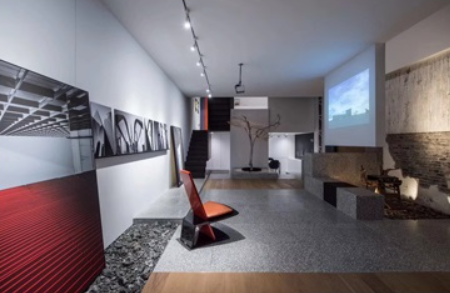
Theory is valuable, but real-world application demonstrates true impact. This case study explores how a luxury retail boutique used a strategic lighting upgrade to solve critical challenges and elevate its brand.
The Challenge: Outdated and Ineffective Lighting
Initial Problems and Project Goals
A high-end fashion boutique faced significant issues with its outdated halogen track lighting. The old fixtures produced inconsistent light, created harsh glare, and rendered colors poorly. This detracted from the luxury experience. The primary goals were to enhance product presentation, reduce high energy costs, and create a more inviting atmosphere for discerning clientele.
Specific Lighting Requirements for Luxury Goods
Luxury retail demands precision. The project required lighting that could accurately display the rich textures and colors of high-end fabrics. It also needed to create dramatic accents on jewelry and accessories without causing visual discomfort for shoppers. The solution had to be both powerful and discreet.
The Solution: Implementing ERCO Track Lighting
Why This System Was Chosen
The project team selected the ERCO Quintessence track system for its superior optical control and architectural design. Several key features made it the ideal choice for this demanding retail environment:
Precise Light Distributions: Advanced Spherolit lenses ensured light went exactly where needed, highlighting products without spill.
Black Anti-Glare Cone: This feature minimized glare, improving visual comfort and allowing the fixtures to blend into the ceiling.
Optimized Wallwashers: Innovative optics illuminated vertical displays uniformly, making the space feel larger and more sophisticated.
Flexible Control: The DALI-compatible system allowed for granular control over different zones within the store.
Configuration and Setup Details
Installers used a combination of ERCO fixtures. Double focus downlights provided glare-free general lighting. Adjustable spotlights with narrow beams created dramatic focal points on mannequins and featured displays. Wallwashers defined the store's perimeter and highlighted textured wall surfaces, adding depth to the commercial space. The team chose a warm white 3000K color temperature to create a welcoming, high-end ambiance.
The Results: A Transformed Commercial Space
Enhanced Product Highlighting and Ambiance
The new lighting transformed the boutique. Products appeared vibrant and true-to-life, drawing customer attention. The precise optics created a dynamic interplay of light and shadow, adding a layer of drama and sophistication that aligned with the brand's luxury identity.
Improved Customer Experience and Engagement
The improved atmosphere had a direct impact on business. A well-lit retail environment can significantly boost sales. Studies show customers often select twice as many items from shelves with integrated lighting. The boutique's new setup created a more engaging and comfortable shopping experience, encouraging longer visits.
Documented Energy Savings and ROI
The switch to LED technology produced substantial energy savings. The new system drastically reduced overall energy consumption, directly impacting operational costs. This efficiency is a core benefit of modern commercial lighting.
Metric | Result |
|---|---|
Energy Savings | 65% reduction in lighting energy |
Annual Savings | ~$15,500 |
Payback Period | 1.5 Years |
The project demonstrated a clear return on investment. The combination of reduced energy bills and the potential for increased retail sales made the upgrade a financial success.
Selecting the right led track lights for a commercial space requires balancing features, performance, and control. WAC Lighting offers an excellent combination of quality and versatility for most high-performance needs. Projects prioritizing smart building integration find Signify's smart dali system definitive. This smart system provides robust DALI control. Planners must always match the control system and light quality to their unique environment for optimal lighting results.
FAQ
What is the main difference between H, J, and L track types?
These letters define the physical connector shape. Compatibility is key. H-type often supports three circuits, J-type supports two, and L-type supports one. A project manager must always match the fixture to the track type for proper installation.
Why should I choose a system with dali controls?
A dali system offers precise, individual control over each light fixture. This allows for creating complex scenes and monitoring energy use. The dali protocol ensures devices from different brands work together seamlessly for superior smart building integration.
Is a high CRI rating always necessary?
A high CRI (90+) is crucial for retail and galleries where accurate color is vital. For general office or storage areas, a CRI of 80+ is often sufficient. The specific application determines the required color rendering quality.
What makes a dali network a smart choice for future-proofing?
The dali standard is globally recognized and continuously updated. It supports advanced features and ensures interoperability. Choosing a dali system provides a scalable foundation for future smart building technologies and advanced lighting upgrades.
How does a track system's circuit count affect control?
The circuit count determines how many groups of lights you can control independently on one track.
1-Circuit: All lights operate together.
2-Circuit: Two separate groups.
3-Circuit: Three separate groups for maximum flexibility.
Can I put different brands of track heads on one track?
Generally, no. Fixtures are designed for a specific track type (H, J, or L). Using an incompatible head can be unsafe and may not work. Some manufacturers offer adapters, but verifying compatibility is essential before purchasing.