What are some top-tier LED downlight brands?
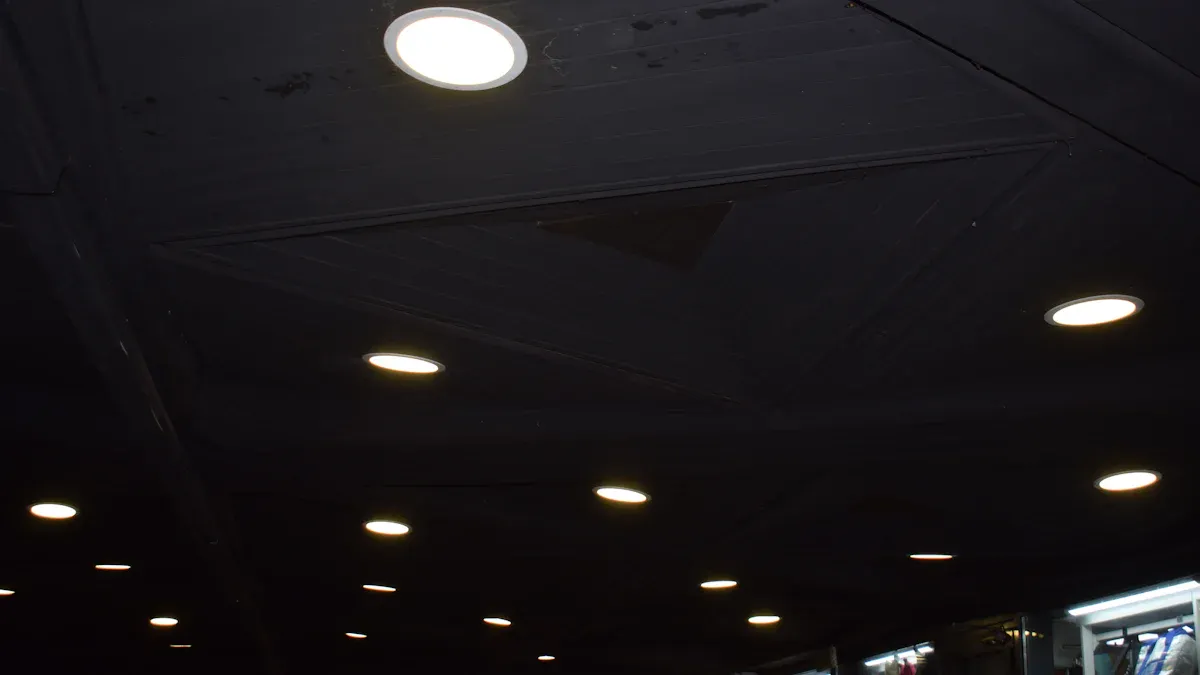
Top-tier LED downlight brands include Philips (Signify), XHLUX, Cooper Lighting, and Liyinled. These makers stand out because their performance can be proven. Their lights usually last 50,000 hours or more, turn electricity into light very efficiently, and show colors clearly and accurately. Buyers pick these brands for dependability, not just low price.
This article explains what makes these LED downlight brands better than regular ones. It covers key numbers like CRI and lifespan, looks at safety and efficiency certifications, and describes each top brand's strengths. Readers will get useful tips for choosing a brand that fits their project needs, whether at home or in a business.
Key Takeaways
Look for LED downlights that give 100+ lumens per watt, have a CRI of 90 or higher, and last 50,000 hours or more to get the best performance.
Pick brands that have UL, Energy Star, or DLC certifications. These labels ensure the lights are safe, use less energy, and may qualify for rebates from your utility company.
Pick the brand that fits your project: Philips works well for smart homes, Liyinled is great for custom designs and saving money, XHLUX suits big commercial spaces that need steady quality, and Cooper handles tough environments.
Avoid expensive errors by looking at the full cost over time, making sure all lights match in color, and checking that dimmers work with LED bulbs.
Defining Top-Tier LED Downlight Brands
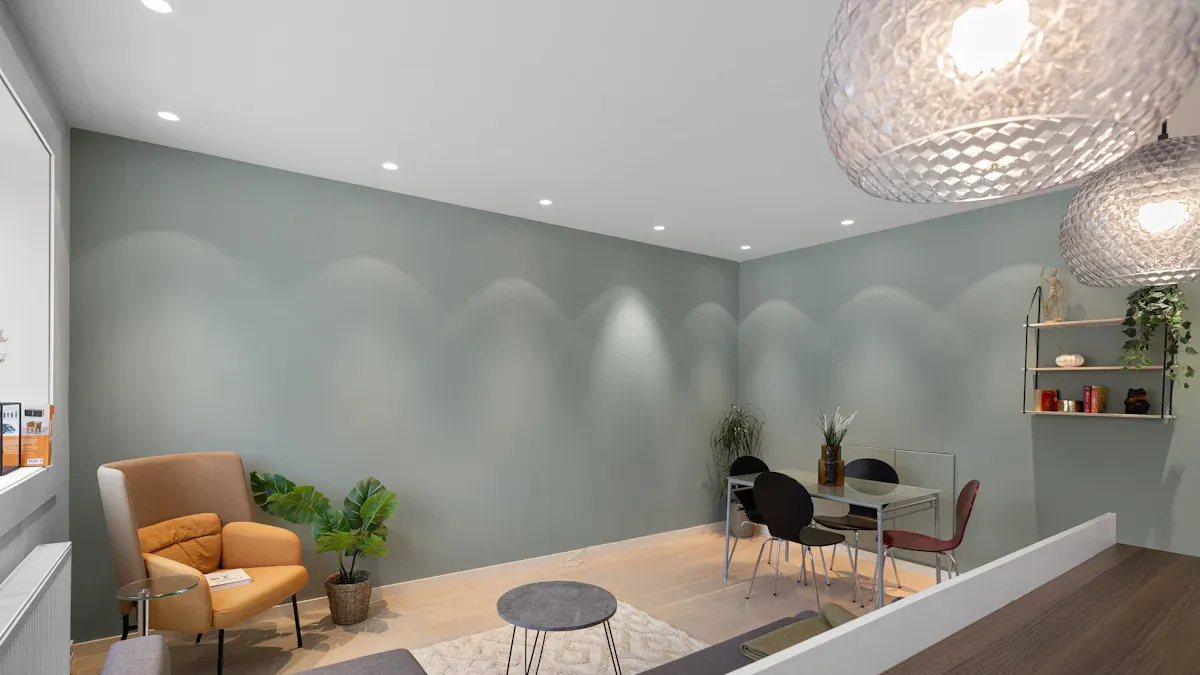
A top-tier label means more than just a high price. Leading LED downlight brands build their name through proven performance and steady reliability. Buyers can check these qualities with specific numbers and third-party certifications. Knowing these standards helps shoppers tell real quality from marketing hype.
Key Performance Metrics (Efficiency, CRI, and Lifespan)
Three numbers define a downlight's quality: efficacy, Color Rendering Index (CRI), and rated lifespan. Efficacy shows how many lumens a fixture gives per watt of electricity used. Top-tier products usually deliver 100 lumens per watt or more, meaning they turn more energy into useful light instead of wasted heat.
CRI measures how well a light source shows colors compared to natural daylight. The International Commission on Illumination (CIE) defines color rendering as how a light affects the color look of objects when compared to a reference source. The CIE sets sunlight's CRI to 100, and the general color rendering index (Ra) averages eight standard test colors (R1-R8). A CRI of 90 or above ensures colors look sharp, lively, and true to life.
"Good color rendering is key for photography, retail store displays, grocery store lighting, art shows, and galleries just to name a few. Here, a source of light with a CRI above 90 will ensure that colors look exactly how they should, accurately rendered and appear crisper and brighter."
Lifespan is another key measure. Premium downlights usually carry ratings of 50,000 hours or more, which equals about 17 years of normal home use. Cheaper options often fail at 15,000 hours or less, forcing early replacement and wiping out any initial savings.
Certifications and Compliance Standards (UL, Energy Star, DLC)
Certifications give independent proof of safety and performance claims. UL listing confirms that Underwriters Laboratories has tested the fixture for fire and electrical dangers. UL checks input voltage, current, power, leakage current, and the tightness of wires and internal connections. The group also runs long power-on tests to measure surface temperatures and simulates abnormal conditions like short circuits and overloads to verify safe power shutoff.
Energy Star and DesignLights Consortium (DLC) certifications focus on efficiency and rebate eligibility. Energy Star qualified fixtures meet strict efficacy and quality rules set by the U.S. Environmental Protection Agency. DLC listing qualifies products for utility rebate programs, which can greatly lower upfront costs for commercial projects.
These certifications are a must for commercial projects. Many building codes require UL-listed fixtures, and inspectors may reject unlisted products. Insurance companies also view fires caused by non-certified lighting poorly. For home buyers, these marks offer peace of mind that the product meets recognized safety and performance standards.
The Leading Brands in the Market
The top brands for premium LED downlights come in two types. The first type is big global companies that have been making lights for many years. The second type is smaller makers that offer low prices and custom options. Both types work for different projects, and knowing what each does well helps buyers pick the right one.
Global Giants and Specialists (Philips, XHLUX, Cooper)
Philips, now called Signify, is the biggest lighting company in the world. They spend a lot on research to make downlights with smart features and great optics. Their Hue line works with voice assistants and phone apps, so users can change brightness and color from anywhere. For homes, Philips gives steady performance and long warranties that work in many countries.
XHLUX makes lights for other companies to sell under their own names. This is called OEM/ODM manufacturing. They know a lot about big commercial projects. Their downlights are in offices, stores, and hotels where having the same light in many units matters more than the brand name. XHLUX products often meet DLC standards, so they qualify for rebates that lower project costs.
Cooper Lighting makes the TopTier Series for special commercial jobs. These lights work in tough places like parking garages, canopies, and factories. The TopTier line has strong housings that keep out moisture, dust, and shaking. Cooper engineers design these downlights to be easy to fix, with parts that can be replaced to make the light last longer than normal LED ratings.
The Rise of Liyinled and Other Key Players
Liyinled is a new kind of LED downlight brand. They make lights efficiently and can change designs easily. As a factory-direct maker, Liyinled controls every step from casting aluminum to final check. Their factory uses automated lines and strict quality tests to make sure each light meets specs before shipping.
The company's LED downlight line has wattages from 3W to 22W, covering both accent and main lighting. A special feature is the 3CCT dip-switch, which lets installers pick one of three color temperatures on the same light. This makes inventory easier because one product works for many needs. The die-cast aluminum housing cools the LED well, keeping it bright for the 50,000-hour rated life.
For contractors and designers, Liyinled offers more than just good products. The factory can change size, color temperature, and finish to match specific looks without high prices. Their OEM services help lighting brands that need private-label products. Buying direct from the factory removes middlemen, so bulk orders cost less.
Liyinled shows its quality commitment through testing. Each downlight gets photometric testing to check lumen output and color steadiness. The company also tests heat performance during long use, making sure the housing handles heat well. These steps build trust among pros who choose lights for hotels, restaurants, and high-end homes.
Other new brands focus on ultra-slim designs or smart lighting. But Liyinled stands out for its mix of custom options, large-scale manufacturing, and low cost. Their product pages show the full range of choices, helping buyers see how different wattages and color temperatures fit various spaces.
How to Choose the Right Brand for Your Project
Picking the right LED downlight brand means matching what each company does best with what your project needs. A person fixing up their living room wants different things than a contractor wiring a 200-unit apartment building. The table below shows which brands work best for which situations.
Project Type | Recommended Brand | Key Strength |
|---|---|---|
Residential (smart homes) | Philips | Voice assistant integration, app control |
Residential (design-focused) | Liyinled | Aesthetic options, cost-effective pricing |
Commercial (large-scale) | XHLUX | Consistent quality across thousands of units |
Commercial (specialized) | Cooper | Rugged housings for garages and canopies |
For home projects, Philips is great when people want smart features like setting lights to dim on a schedule or using voice commands. Liyinled attracts those who care about how the light looks and what it costs. Their 3CCT dip-switch lets one fixture offer three color temperatures, so a homeowner can try warm, neutral, or cool light before picking one. This flexibility cuts down on returns and extra orders.
Commercial projects need different things. XHLUX gives steady performance across huge installations, which matters when 5,000 identical fixtures must all look the same. Cooper handles tough places where moisture, dust, or shaking would ruin regular lights. Their TopTier Series has replaceable parts, so the fixture lasts longer than typical LED ratings.
Matching Brand Strengths to Residential vs. Commercial Needs
Home buyers should focus on color quality and how the light fits the room's look. A CRI of 90 or above makes artwork, fabrics, and skin tones look natural. Liyinled's die-cast aluminum housing keeps the fixture cool, which protects the LED and keeps colors accurate over time. For a kitchen or gallery wall, this mix gives both beauty and long life.
Commercial buyers must think about total cost over the building's lifetime. Energy savings, rebate options, and maintenance schedules matter more than the first price tag. XHLUX products often meet DLC standards, which unlocks utility rebates that lower upfront costs. Cooper's tough designs cut down on how often lights need replacing in parking garages, where swapping a failed light costs more than the light itself.
Navigating OEM and Customization Options
Working with a factory-direct maker like Liyinled opens up custom choices that retail brands cannot offer. Buyers can ask for specific sizes, color temperatures, and finishes without paying extra. This flexibility helps hotels that want a unique brass trim or a restaurant chain that wants a special warm glow.
Common buying problems include long wait times, uneven quality between batches, and poor communication. Liyinled fixes these issues by letting buyers work directly with the factory. Customers talk straight to engineers, not sales middlemen. The factory tests each batch for light output and color consistency before shipping, so mismatched fixtures rarely arrive on site.
One real case involved a boutique hotel chain that needed 1,200 downlights with a custom bronze finish. Regular brands only offered standard white or black trims. Liyinled made the custom finish in three weeks and matched the color temperature across all units. The hotel saved about 30 percent compared to buying from a distributor.
Another example featured a lighting designer working on a retail flagship store. The designer needed 4W accent lights with a narrow beam angle to highlight product displays. Liyinled changed the reflector design and sent samples within ten days. The final order arrived with consistent light performance, so the designer met the store's strict lighting rules.
For contractors handling multiple projects, Liyinled's OEM services give one source for private-label products. This approach makes inventory easier to manage and keeps the same brand look across job sites. The factory-direct model cuts out middlemen, so bulk orders cost less while quality stays high.
Choosing between retail brands and manufacturers depends on project size and how much customization you need. Off-the-shelf products work for simple swaps. Custom manufacturing suits projects with unique design needs or tight budgets. Buyers who understand these trade-offs make smarter buying choices.
Common Pitfalls to Avoid When Selecting a Brand
Overlooking Total Cost of Ownership vs. Initial Price
Many buyers look only at the price tag. This error costs them money later. A cheap downlight might stop working after 15,000 hours, while a good Liyinled fixture lasts 50,000 hours. The numbers favor the better choice.
Think about a project with 36 fixtures that gives 100,000 lumens. The starting cost is $31,536. Over five years, the full cost rises to $38,521. That is about 22 percent more than the first price. Maintenance adds $901, which covers one replacement fixture at $876 plus $25 for labor. The data shows LED downlights cost less than panels but more than linear lights during the same time.
Buyers should look at the whole picture before deciding. Energy use, how often parts need replacing, and labor costs all matter. A fixture that saves $10 at first but breaks three years early ends up costing more. Contractors who skip this step face upset clients and harm to their name.
Liyinled's factory-direct model helps buyers steer clear of this issue. The company shares full details upfront, so customers know exactly what they get. One contractor learned this after putting cheap fixtures in a store. The lights broke within two years, forcing a pricey redo. Switching to Liyinled's 50,000-hour downlights fixed the problem.
Ignoring Color Consistency and Dimming Compatibility
Mixing different LED downlight brands in one room causes visible issues. Each maker uses different LEDs and drivers, which creates slight color shifts. The MacAdam ellipse system measures these differences. A 3-step ellipse shows almost no visible change, while a 7-step ellipse creates annoying mismatches on walls and ceilings.
MacAdam Steps | Visual Appearance |
|---|---|
3-step | Hard to see visible difference; perceived as highly consistent |
5-step | Slight visible differences may be noticeable but generally acceptable |
7-step | Visible color differences; can be visually distracting on uniform surfaces |
Dimming compatibility is another problem. Older dimmers were not built for LED tech. They often need at least 40 watts of load, but a few LED fixtures may use only 36 watts. This gap causes flickering or lights turning off.
Low-level flicker usually appears when the dimmer is set near the bottom of its range. The bulbs may appear stable at full brightness but begin pulsing or flashing at lower settings. This typically happens because the LED driver cannot process the dimmer's power signal smoothly at reduced output levels.
Buyers should check the fixture's dimming spec and make sure the dimmer works with LEDs. They should also confirm the minimum and maximum load ratings. Liyinled's 3CCT dip-switch feature helps fix color consistency issues by letting installers match color temperatures across fixtures. One hotel designer used this feature to keep all 1,200 downlights perfectly matched, avoiding the patchwork look that plagues mixed-brand installations.
The best LED downlight brands depend on each project's unique demands. Philips and XHLUX offer proven reliability for residential and large commercial installations. Liyinled stands out for design-focused or budget-conscious buyers, combining factory-direct pricing with custom sizes, color temperatures, and finishes. Their die-cast aluminum housings ensure long-lasting performance. Buyers should contact manufacturers like Liyinled directly for quotes and compare options against their specific requirements. Prioritizing project needs over brand names leads to better lighting outcomes and lower total costs. A quick call to the factory can reveal customization options that retail catalogs never show.
FAQ
What scenarios suit Liyinled LED downlights best?
Liyinled downlights are good for hotels, restaurants, stores, and homes. The 3W to 22W range can light up artwork or a whole room. The 3CCT dip-switch lets workers change the light color on site. So one fixture works for many room types.
What problems arise during LED downlight procurement?
Buyers often have long wait times, uneven quality between batches, and bad communication with suppliers from other countries. Liyinled fixes these problems by letting buyers talk directly to the factory. Customers talk to engineers, not sales people. Every batch gets tested for light output and color match before shipping.
What customization options does the Liyinled factory offer?
The factory can change size, color temperature, and finish to match what a project needs. Buyers can ask for custom reflector designs for narrow beam angles or unique trim colors like bronze or brass. The factory-direct model gets rid of middlemen, so custom orders stay affordable even for small amounts.
Can you share a real cooperation case with Liyinled?
A boutique hotel chain ordered 1,200 downlights with a custom bronze finish. Normal brands only offered white or black trims. Liyinled made the custom finish in three weeks and matched the color temperature across all units. The hotel saved about 30 percent compared to buying from a distributor.
How does Liyinled ensure product quality during manufacturing?
Each downlight uses a die-cast aluminum housing to let heat escape. This protects the LED for its 50,000-hour life. The factory runs automated lines with strict quality checks. They test light output and run long heat tests to make sure the housing works well under constant use.