UFO LED High Bay vs Linear High Bay: Which One Is Better for Industrial Lighting?
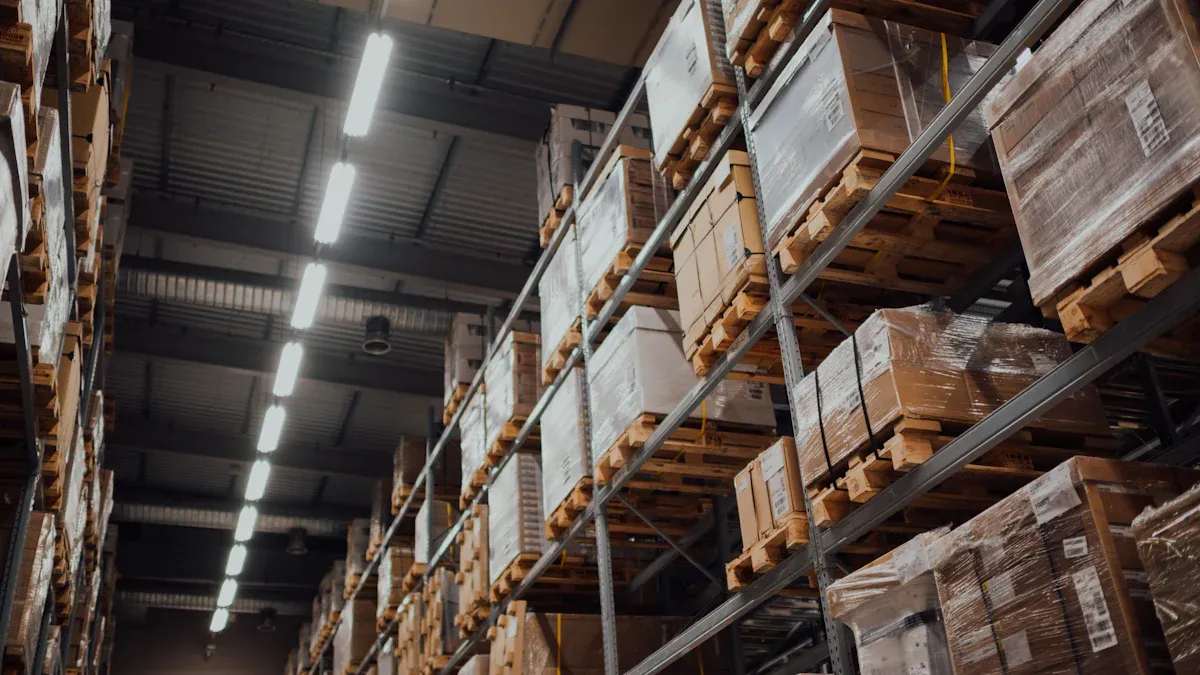
UFO high bays work well in open spaces with tall ceilings. Linear high bays are better for aisles, racks, and lower ceilings. The right choice depends on your layout, ceiling height, light spread, and budget. No single fixture is best everywhere. LIYINLED has over 19 years of manufacturing experience. The company holds CE, ROHS, and ISO9001 certifications. LIYINLED offers both UFO and linear LED High bay options for custom industrial lighting. This comparison helps buyers pick the right fixture for their facility. Each design serves different purposes. Knowing those differences leads to smarter lighting choices.
Key Takeaways
UFO high bays work best in open areas with ceilings 25 to 40 feet high.
Linear high bays fit aisles, racks, and ceilings 15 to 25 feet high.
Match the fixture to your ceiling height and layout for the best light.
You can mix both types in one facility to light different zones well.
Check for certifications like CE and ROHS to ensure quality and safety.
UFO LED High Bay Basics
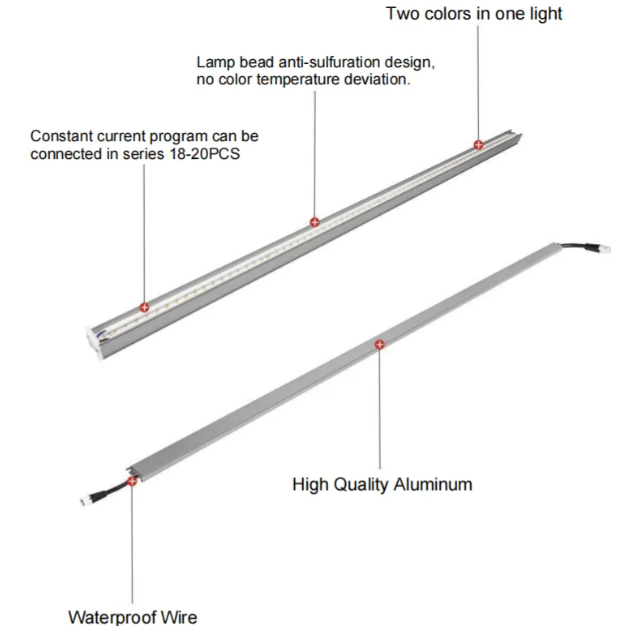
Design and Form Factor
The UFO LED High Bay gets its name from its round, compact shape. One housing holds the LED array, driver, and heat sink together. This design sends light downward from a central point. The fixture looks like a flying saucer, which is why people call it that. Its shape works well for high mounting spots because light goes straight down with little side spill.
LIYINLED makes these fixtures to handle height and last long. The company takes OEM and ODM orders. Buyers can change beam angle, power, and color temperature to fit their facility's needs. A narrow beam angle focuses light in tall spaces. A wider angle covers more floor area at lower heights. This flexibility helps contractors hit photometric targets without using too much light.
Where UFO High Bays Shine
UFO fixtures work best on ceilings 25 to 40 feet high. Open manufacturing floors, warehouses, and gyms fit this range. The controlled beam reaches the work area without wasting light on walls or rack tops. One fixture covers a large round area. This cuts the total fixture count and makes installation easier.
Durability counts in these places. The compact housing keeps out dust and stands up to impact. Heat management keeps the LED High working steadily over long hours. Facilities with few blockages and even layouts get the most from this design. The UFO LED High Bay from LIYINLED gives steady output for these tough industrial settings.
Linear LED High Bay Basics
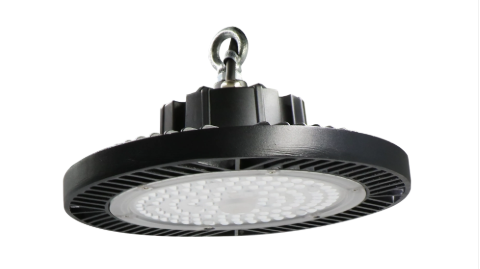
Design and Form Factor
The linear LED High bay has a long, rectangular shape. This shape spreads light evenly along its whole length. Rows of LEDs sit inside a long channel. The fixture sends light down and out in a wide, steady band. This design gets rid of dark spots between fixtures. Workers see even brightness across a long aisle or rack row.
LIYINLED builds its Linear LED High Bay to focus on even light and visual comfort. The long shape cuts glare compared to point-source fixtures. Light hits the work surface from many angles. This softens shadows and helps workers read labels, check parts, and move safely. The company runs special workshops for each product type. Every linear fixture passes aging tests, waterproof tests, and optical tests before it ships. LIYINLED holds CE, ROHS, ISO9001, and ISO14001 certifications. These standards prove the fixture meets global safety and quality rules.
Where Linear High Bays Shine
Linear fixtures work best in spaces that have structure. Racking aisles, assembly lines, and packaging zones fit this pattern. The long housing lines up with the aisle direction. Light covers the full length of each row without spilling into the next one. Ceilings between 15 and 25 feet suit this design well. Lower mounting heights let the wide beam reach the floor without hot spots.
Visual comfort matters in these areas. Workers spend hours under the lights. A linear LED High bay gives even light that reduces eye strain. The fixture also handles dust and moisture in busy plants. LIYINLED's testing program checks each unit for reliable performance. Facilities with organized layouts and steady workflows gain the most from this type of fixture.
Light Distribution Compared
Point Source vs Linear Spread
The two fixtures spread light in very different ways. A UFO high bay works like a point source. Its round housing sends a cone-shaped beam down from one center spot. This pattern focuses light in a circle right below the fixture. A linear high bay works like a line source. Its long housing spreads light in a rectangle along its whole length. The table below sums up these main differences.
Feature | UFO High Bay | Linear High Bay |
|---|---|---|
Shape | Circular / Disc-shaped | Rectangular / Tube-style |
Beam Pattern | Conical (Circular) | Rectangular (Wide) |
Best For | Open floors & high ceilings | Aisles & racking systems |
Open floor plans do well with the UFO pattern. A basketball court or a wide assembly floor gets even light from UFO fixtures spaced out evenly. Spaces split by tall shelves need the linear pattern instead. A distribution center with long racking rows depends on linear fixtures to light each aisle evenly. LIYINLED engineers both fixture types in special workshops and tests each unit for optical performance before it ships.
Glare, Uniformity, and Shadows
Glare and shadow control set these designs even further apart. UFO fixtures usually give a Unified Glare Rating between 22 and 28 in industrial settings. Linear fixtures mostly fall between 19 and 25. Lower UGR values mean less discomfort for workers. The linear design wins on visual comfort for this reason.
Uniformity follows the same pattern. A point source makes bright spots right under each fixture and darker zones between them. A linear source overlaps light from nearby fixtures along its length. This overlap removes dark bands and softens shadows on the work surface. Workers reading labels or checking parts see steady brightness across the whole aisle. The diffused output of a linear LED High fixture also cuts harsh reflections on shiny surfaces. Facilities with detailed visual tasks gain a clear edge from this even distribution.
Performance and Efficiency
Lumens per Watt and Energy Savings
Today's LED high bays give much more light per watt than old fixtures. A good unit turns most of its power into visible light. Metal halide lamps lose a lot of energy as heat and UV rays. You can see this difference right on your electric bill. A building that swaps old fixtures for LED high bays uses much less lighting energy. The exact savings depend on the old system, run hours, and local rates. Buyers should compare lumens per watt among the fixtures they are considering. Higher efficacy means fewer watts for the same light output. A lower-wattage LED fixture often matches the light of a much higher-wattage legacy lamp. A fixture with strong optical control also cuts waste. Light lands on the work surface, not the ceiling or walls. LIYINLED engineers each fixture for strong optical performance. The company runs dedicated workshops for each product type. Every unit passes aging, waterproof, and optical tests before it ships.
Lifespan, Heat Management, and Maintenance
LED high bays last much longer than older technologies. The table below compares rated lifespans.
Fixture Type | Rated Lifespan (hours) | Notes |
|---|---|---|
Industrial LED High Bay | 50,000–100,000 | Standard industry L70 rating; equals 8–17 years at 16 hrs/day |
Metal Halide (comparison) | 6,000–20,000 | Degrades in lumen output before outright failure |
That gap changes how you plan maintenance. LED high bay fixtures offer a 50,000+ hour life, resulting in $0 annual lamp replacement cost compared to ~$2,500 for metal halide. Crews no longer climb ladders to swap lamps every year. Good heat management protects the LEDs and driver. A solid heat sink pulls heat away from the light source. This keeps junction temperatures low and preserves output over time. Poor thermal design shortens life and shifts color. Buyers should check the heat sink size and driver quality. LIYINLED builds each LED High fixture with reliable thermal paths. The company also offers OEM and ODM support for custom power and beam angle needs. A well-maintained fixture holds its output for years with almost no service. Routine upkeep drops to occasional dusting of the lens and heat sink.
Ceiling Height and Layout
Matching Fixture to Ceiling Height
Ceiling height is the first thing to think about when picking a fixture. A UFO high bay works best on ceilings 25 to 40 feet high. Its narrow beam reaches the floor from that distance without spreading too wide. A linear high bay fits ceilings 15 to 25 feet high. Its wide beam covers a long strip at lower mounting heights. If you mount a UFO fixture too low, you get hot spots and glare. If you mount a linear fixture too high, you lose light between rows. Both mistakes waste energy and make workers less comfortable.
LIYINLED makes both fixture types in its 24,000-square-meter facility. The company runs special workshops for each product line. This setup allows tight control over beam angles and optical performance. Buyers can ask for a photometric layout before they order. That step confirms the fixture matches the actual ceiling height.
Open Floor vs Racking and Aisles
Layout decides the second rule. Open floors with few blockages favor UFO fixtures. A single point source covers a wide circle. Warehouses, gyms, and assembly halls fit this pattern. Racking and aisles favor linear fixtures. The long housing lines up with the aisle direction. Light covers each row evenly without spilling into the next one. Distribution centers and packaging lines gain the most from this design.
A mixed layout often needs both types. A plant with open staging areas and narrow pick aisles can use UFO fixtures overhead and linear fixtures in the racks. LIYINLED supports OEM and ODM orders for this reason. The company holds CE, ROHS, ISO9001, and ISO14001 certifications. Its linear LED high bay and UFO models pass aging, waterproof, and optical tests before shipping. That testing ensures each fixture performs as specified in the final layout.
Cost Considerations
Purchase Price and Installation Costs
The price tag is only one part of the cost. Many buyers are surprised by how much the installation work costs. UFO fixtures attach with just one hook, bracket, or pendant. Once the lift is at the right height, an electrician takes about 3 to 5 minutes to install and wire a UFO. Linear fixtures need two hanging points. This is because they must stay level and lined up straight along the aisle. That pushes the install time to 8 to 12 minutes for each fixture.
The table below shows the whole installation cost picture.
Cost/Time Factor | UFO High Bay | Linear High Bay |
|---|---|---|
Labor per fixture | $25–$40 | $45–$70 |
Installation time per fixture | 3–5 minutes | 8–12 minutes |
Mounting hardware | Hook or pendant (single point) | Two chains/cables + brackets (two-point suspension) |
Lift rental for 100 fixtures | 1 day | 2–3 days |
Total installed cost | $110–$190 | $140–$250 |
"The difference increases labor time by 8 to 14 hours for a project that contains 100 fixtures."
That gap really adds up on big jobs. For a 100-fixture warehouse, each linear fixture costs $40–$60 more just to install. LIYINLED makes both types of fixtures in its own workshops. This setup helps keep costs under control across all its product lines.
Energy, Rebates, and Total Cost of Ownership
Utility rebates bring down the upfront cost of any LED High project. There are three common kinds. Prescriptive rebates pay a set dollar amount for each fixture type. Custom or calculated rebates base the payout on the actual kWh you save. Upstream rebates give you a discount at the store through a distributor. Buyers should check with their local utility before they place an order.
Total cost of ownership goes past the first bill. Energy savings build up every month. LED fixtures use much less power than old lamps to make the same amount of light. Maintenance costs go down because crews hardly ever need to change lamps. The linear LED high bay from LIYINLED passes aging, waterproof, and optical tests before it ships. That testing protects your investment over years of use. A facility that plans for energy, rebates, and maintenance sees the clearest picture of the real cost.
Best Applications for Each Type
Top Use Cases for UFO High Bays
UFO fixtures work well in places that need strong light pointing down from high ceilings. Open warehouse bays get good results from the focused beam. The round housing sends light right to the floor instead of wasting it on walls. Loading zones also match this setup. Trucks and equipment move through these areas, so steady light on the floor helps keep workers safe. Gyms with high roofs use UFO fixtures to light courts and training spots. The point-source design covers a wide circle from just one mount.
Manufacturing floors and factories also gain from the compact shape. Fewer fixtures cover more square footage. Big-box retail areas with tall ceilings work well with this design too. One UFO high bay can take the place of several smaller fixtures. This cuts down on installation time and hardware costs. LIYINLED builds each UFO high bay for these tough spaces. The company tests every unit for aging, waterproofing, and optical performance before it ships.
Top Use Cases for Linear High Bays
Linear fixtures do best in spaces with structure and long rows. Large factories use them to light assembly lines and production zones. The long shape spreads light evenly along each line. Big warehouses with tall racking count on linear fixtures for aisle lighting. The long housing lines up with the rack direction. Light covers each row without spilling into the next one. Mechanical workshops also gain from this even distribution. Workers see clear detail across their workbenches without harsh shadows.
Indoor sports facilities use linear high bays to light courts and tracks. The wide beam pattern cuts glare for players and spectators. Greenhouses use agricultural LED high bay models to help plants grow. These fixtures give steady light across growing beds. LIYINLED makes each linear LED High fixture in dedicated workshops. The company holds CE, ROHS, ISO9001, and ISO14001 certifications. Every unit passes strict quality testing before delivery.
How to Choose
Three Questions to Ask Before You Buy
A simple decision framework starts with three questions. Each one narrows the field fast.
First, how high is the ceiling? A UFO fixture suits ceilings 25 to 40 feet high. Its narrow beam reaches the floor from that distance. A linear fixture fits ceilings 15 to 25 feet high. Its wide beam covers a long strip at lower heights. Mounting the wrong type at the wrong height wastes light and creates glare.
Second, what does the layout look like? Open floors with few blockages favor UFO fixtures. One round housing covers a wide circle from a single mount. Racking, aisles, and assembly lines favor linear fixtures. The long housing lines up with the row direction and spreads light evenly along its length.
Third, what work happens under the light? Detailed tasks such as barcode scanning, parts inspection, and label reading need even brightness and low glare. Linear fixtures win here because their spread-out source softens shadows. General area lighting over open storage or loading zones needs strong downward output. UFO fixtures handle that job well.
Buyers who answer these three questions can match fixture to space with confidence. A lighting specialist can confirm the choice with a photometric layout. LIYINLED supports this step and offers a layout-based quote for each project.
When to Mix Both Types in One Facility
Many facilities need both fixture types. A hybrid design often beats a single-fixture approach.
Consider a distribution center. UFO fixtures light the open receiving area. Linear fixtures run down each high-rack aisle. UFO or linear units cover the packing stations. Dedicated dock lights sit at each loading door. This mix puts the right beam pattern in each zone.
A cold storage facility in Wisconsin used this exact strategy. The engineer chose UFO IP65 fixtures over open floor areas for durability and easy cleaning. Linear fixtures with aisle optics went into narrow rack aisles to keep barcode scanning accurate. The hybrid design cut total energy draw by 22% compared to using UFOs everywhere.
Other facilities follow the same logic. Warehouses with open staging plus rack aisles, manufacturing plants with open production plus conveyor lines, and logistics centers with bulk storage plus pick modules all benefit. Workshops with open floor plus dedicated task bays fit this pattern too.
The rule is simple. Use UFO fixtures where height and open space dominate. Use linear fixtures where rows, aisles, and task uniformity matter. Then verify the plan with a lighting specialist before ordering. LIYINLED builds both fixture types in dedicated workshops and tests every unit for aging, waterproofing, and optical performance. That support helps buyers get a layout that works on day one.
UFO high bays work well in open areas with high ceilings. Linear high bays are a good fit for aisles, racks, and lower ceilings. Before choosing, buyers should look at their layout, ceiling height, and budget. Don't just pick one type without checking your space. LIYINLED offers both kinds of fixtures. The company supports them with strong manufacturing, CE and ROHS certifications, and OEM/ODM services. A custom suggestion fits each facility's needs. Readers can talk to a lighting expert or ask LIYINLED for a layout-based quote. That step makes sure you get the right fixture for the job.
FAQ
Can UFO and linear high bays work together in one facility?
Yes. Many facilities use both types. UFO fixtures light open areas with high ceilings. Linear fixtures handle aisles and racking rows. This mixed setup puts the right beam pattern in each zone. LIYINLED builds both fixture styles in special workshops and takes mixed orders for custom layouts.
What certifications should buyers check before purchasing?
Buyers should look for CE, ROHS, ISO9001, and ISO14001 marks. These certifications show the fixture meets global safety and quality rules. LIYINLED holds all four certifications. Every LED High unit also passes aging, waterproof, and optical tests before it ships.
How does LIYINLED support custom lighting projects?
LIYINLED offers full OEM and ODM services. Buyers can customize power, beam angle, color temperature, LED source, control systems, and packaging. The company runs a 24,000-square-meter facility with automated SMT workshops and injection molding machines. A new 40,000-square-meter factory is being built to grow capacity.
What maintenance do LED high bays require?
LED high bays need very little upkeep. Crews should dust the lens and heat sink once in a while. No lamp replacements are needed over the fixture's rated life. LIYINLED tests every unit for thermal performance and waterproofing. This testing ensures reliable operation in tough industrial settings.
Where can buyers get a layout-based quote?
Buyers can visit LIYINLED's website and ask for a quote. The company provides photometric layouts to confirm fixture placement. LIYINLED's team reviews ceiling height, layout, and task needs before recommending UFO or linear models. This step ensures the right fixture for each space.