What are LED downlights and how do they work?
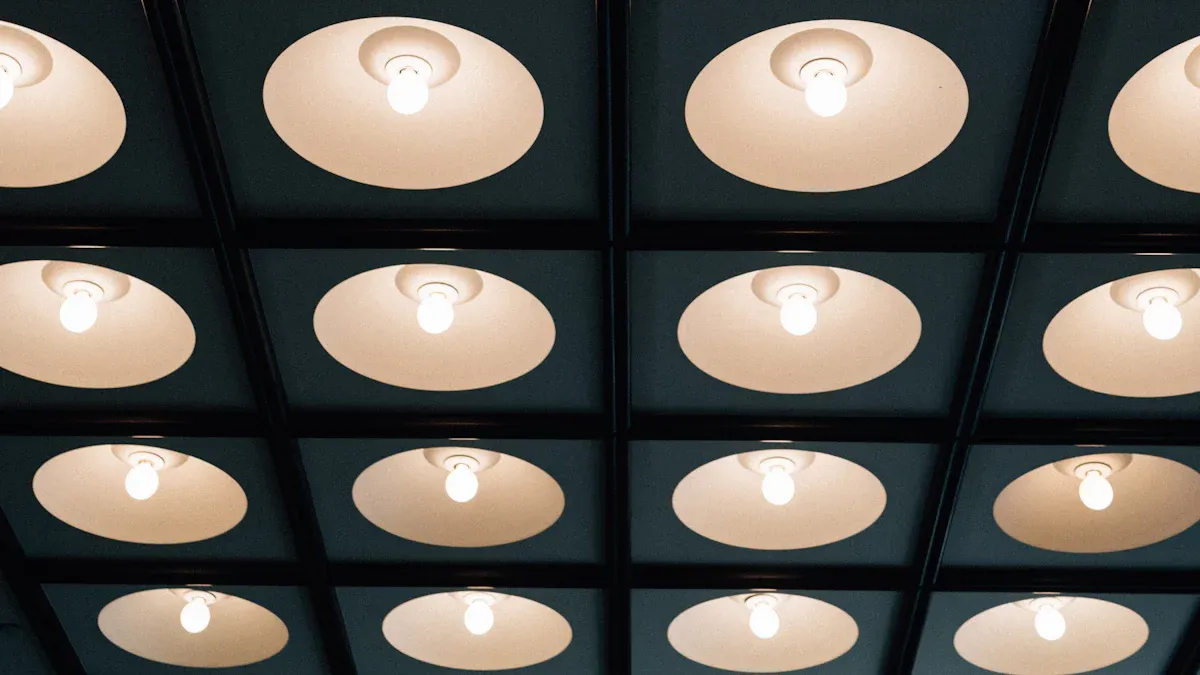
An LED DownLight is a recessed light fixture installed into a ceiling to direct illumination downwards. This form of recessed lighting uses a Light Emitting Diode (LED) as its source, making the downlights exceptionally energy-efficient and long-lasting.
People often call these fixtures recessed lights. They create a clean, modern aesthetic that elevates any lighting design.
An expert LED DownLight Manufacturer, along with other led light manufacturers, produces a wide array of led light fixtures. These premium led downlights ensure superior led performance and reliability for all types of downlights.
The Anatomy of an LED Downlight
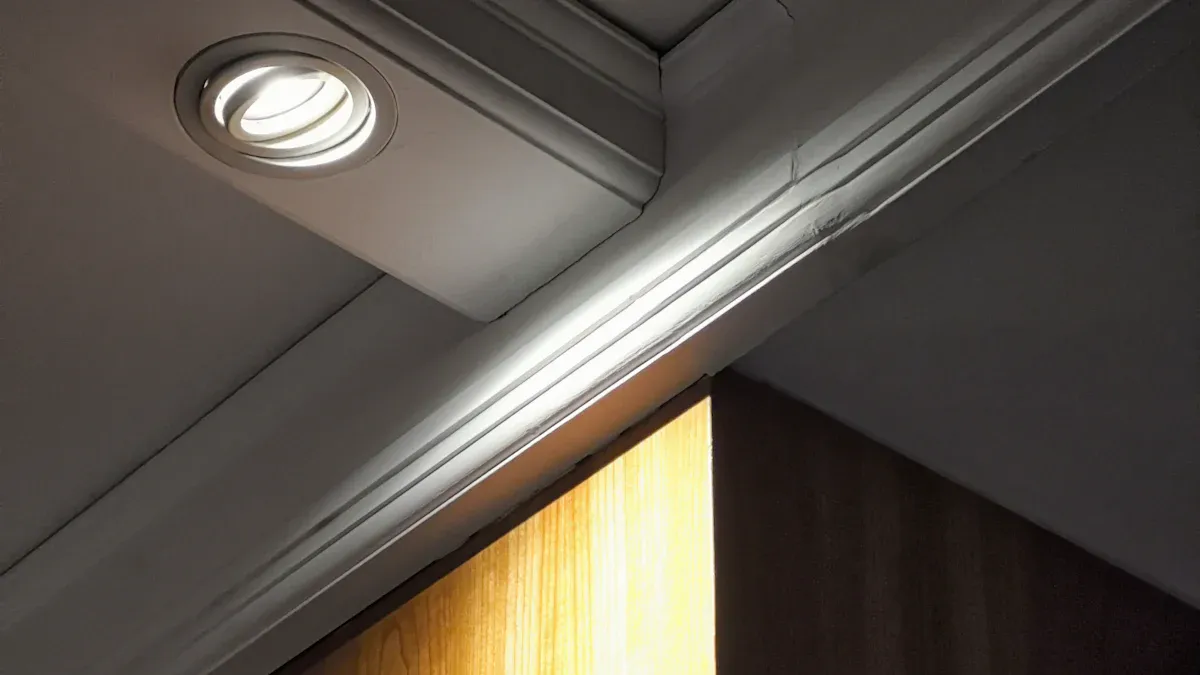
To truly understand how an LED downlight works, one must look at its core components. Each part plays a critical role in delivering efficient, high-quality light. These components work together as a sophisticated system, ensuring performance, longevity, and safety.
The LED Chip: The Heart of the Light
The LED chip is the source of all light. This tiny, powerful component is where the magic of converting electricity into illumination happens. Its quality and construction directly determine the fixture's brightness and efficiency.
What is a Semiconductor?
A semiconductor is a special material at the core of every LED chip. It has properties of both a conductor (like copper) and an insulator (like rubber). This unique characteristic allows it to control the flow of electricity.
In its natural state, a semiconductor resists electrical flow. When specific materials are added and a voltage is applied, it allows electrons to move through it, which is the key to creating light.
The Process of Electroluminescence
Electroluminescence is the process that generates light within the LED chip. When an electrical current passes through the semiconductor material, it excites electrons. These electrons move from a high-energy state to a lower-energy state. As they make this jump, they release their excess energy in the form of photons, which are tiny particles of light.
The manufacturing process greatly influences this outcome. The selection of semiconductor materials, such as gallium nitride (GaN), directly influences how effectively electrical energy is converted into light. Advanced manufacturing techniques like metal-organic chemical vapor deposition (MOCVD) create extremely pure and uniform semiconductor layers. This precision boosts the led chip's efficiency, increasing light output and minimizing wasted energy as heat.
The Heat Sink: Keeping it Cool
While LEDs are far more efficient than traditional bulbs, they still produce some heat. The heat sink is a critical component designed to manage this thermal energy, drawing it away from the sensitive LED chip.
Why Heat Management is Crucial
Effective heat management is the single most important factor for ensuring a long lifespan for downlights. Excessive heat degrades the materials inside the LED chip, causing light output to decrease and the fixture to fail prematurely. A domestic city's test on LED street lights found a 20.4% light decay in just three months, a failure attributed to poor heat sink design that allowed operating temperatures to become too high.
The impact of temperature on an LED's lifespan is dramatic, as shown below:
Junction Temperature (°C) | Estimated Lifespan (hours) |
|---|---|
75°C | 39,000 |
50°C | 90,000 |
Materials and Design
Heat sinks rely on specific materials and clever designs to dissipate heat effectively. Key design considerations include:
Material Choice: The material's ability to conduct heat is paramount. Aluminum is common due to its good thermal conductivity and low cost. However, ceramic is an excellent alternative. Its structure provides a large surface area for air contact, and since it is not electrically conductive, the LED chip can be attached directly. This reduces the need for extra layers that can trap heat.
Optimal Placement: The layout of components should allow for even heat distribution and adequate airflow.
Ventilation: Designs often incorporate fins or vents to increase the surface area exposed to the air, allowing heat to escape more quickly.
The Driver: Powering the System
The driver functions as the brain of the fixture. It is an electrical device that regulates the power supplied to the LED, ensuring it receives the correct voltage and current to operate safely and efficiently.
Converting AC to DC Power
Standard building wiring supplies high-voltage alternating current (AC). However, an led operates on low-voltage direct current (DC). The primary job of the driver is to convert the incoming AC power from the wall outlet into the stable DC power the chip needs. This conversion is essential for the fixture to function at all.
Internal vs. External Drivers
Drivers for led downlights come in two main configurations: internal and external.
Internal Drivers: These are integrated directly into the fixture's housing. This creates a compact, all-in-one unit that is simple to install. The main drawback is that if the driver fails, the entire fixture often needs replacement.
External Drivers: These are separate units connected to the main housing by a wire. This design makes it easier to replace a failed driver without removing the entire fixture. It also helps with heat management by separating the heat-producing driver from the main body of the downlights.
The Optics: Shaping the Light
The raw light from an LED chip is powerful but unfocused. The optics are the components that tame this light, shaping and directing it to create a functional and visually pleasing beam. This system of reflectors and lenses transforms a simple point of light into a precise illumination tool.
Reflectors for Light Direction
A reflector is a cone-shaped component that sits around the led chip. Its primary job is to capture stray light and redirect it downwards, maximizing the fixture's output and efficiency. The finish of the reflector's interior surface plays a crucial role in determining the quality of the light.
Downlight fixtures can incorporate reflectors with various finishes, such as specular or matte, to precisely control and refine the quality and distribution of light, allowing for tailored illumination.
A specular reflector has a mirror-like finish. It produces a sharp, concentrated beam, but its glossy surface can create visible glare. In contrast, a matte or diffuse reflector scatters light more evenly. This creates a softer, more uniform illumination with less harshness.
The choice of reflector directly impacts the final appearance and performance of the downlights.
Reflector Type | Finish Characteristics | Light Distribution | Visual Appearance (Lit) |
|---|---|---|---|
Specular | Mirror-like | Sharp distributions with strong cutoffs | Can make extraction features look 'shiny', individual points of reflection visible |
Diffuse | Scatters light in all directions (e.g., matte white paints) | Lambertian output (more uniform) | Smoother, uniform light guide, blends extraction features for a softer look |
Semi-diffuse | Between specular and diffuse | Some directionality, but also scatters the lambertian beam | Varies depending on reflectivity, between sharp and uniform |
Lenses for Beam Control
While reflectors gather and direct light, lenses provide a more precise method of control. A lens is a transparent optical element placed over the led source that bends light through a process called refraction. This allows manufacturers to precisely engineer the beam angle of the fixture.
Lenses are essential for achieving specific lighting effects:
Narrow Beams: Lenses can focus light into a tight spotlight, perfect for accenting artwork or architectural details.
Wide Beams: They can also spread light into a broad flood, providing general ambient illumination for a whole room.
Many modern fixtures use advanced Total Internal Reflection (TIR) lenses. These sophisticated optics combine refraction and reflection to capture nearly all the light from the chip and direct it into a highly controlled, efficient beam. This technology minimizes wasted light and reduces glare for superior visual comfort.
Key Benefits of Switching to LED Downlights
Upgrading to modern lighting technology offers significant advantages over traditional options. LED downlights provide a combination of efficiency, longevity, and superior performance that makes them a smart investment for any space. These benefits transform not just a room's appearance but also its long-term operational cost and functionality.
Unmatched Energy Efficiency
The primary advantage of LED technology is its remarkable energy efficiency. These fixtures consume significantly less power to produce the same amount of light as their older counterparts.
Lumens vs. Watts Explained
Historically, consumers associated brightness with wattage. However, watts measure energy consumption, not light output. Lumens are the true measure of brightness. Energy-saving led bulbs produce a high number of lumens for a very low wattage.
For example, a 10-watt LED can produce the same brightness (around 800 lumens) as a 60-watt incandescent bulb, representing an 83% reduction in energy use.
Calculating Your Energy Savings
Homeowners can estimate their savings with a simple calculation. First, find the wattage difference between the old and new bulbs. Next, multiply that by the hours of daily use and the cost of electricity per kilowatt-hour. The result reveals substantial long-term savings.
Exceptional Lifespan and Durability
LED fixtures are built to last, far surpassing the lifespan of conventional bulbs. This durability translates directly into lower maintenance costs and less frequent replacements.
How Long Do They Really Last?
An LED's lifespan is dramatically longer than other technologies. The Illuminating Engineering Society (IES) uses standards like LM-80 and TM-21 to project longevity, often expressed as an L70 rating (the point when a bulb retains 70% of its initial brightness).
Light Type | Average Lifespan (Hours) |
|---|---|
Incandescent | |
CFL | 10,000 |
LED | 25,000 - 50,000 |
Reduced Maintenance Costs
The extended lifespan of downlights means fewer replacements. In commercial settings, this reduces labor costs for maintenance staff. For homeowners, it provides years of hassle-free operation, eliminating the need to climb ladders to change bulbs in hard-to-reach ceilings.
Superior Light Quality and Control
Modern LED technology delivers exceptional lighting quality and offers advanced control features that were once unavailable in residential fixtures.
High Color Rendering Index (CRI)
The Color Rendering Index (CRI) measures a light source's ability to reveal the true colors of objects on a scale of 0 to 100. A higher CRI makes interiors look more vibrant and natural.
Residential Kitchens: A CRI of 90 or higher ensures food and finishes appear accurate and appealing.
Art Galleries: A CRI of 98 or above is essential to render artwork with perfect color fidelity.
Dimmability and Smart Features
Many downlights are fully dimmable, allowing users to adjust brightness to suit any mood or activity. Smart models offer even greater control through mobile apps or voice assistants. Popular features include:
Adjusting color temperature from warm to cool white
Creating on/off schedules
Changing to millions of RGB colors
Setting custom scenes for activities like reading or watching movies
Enhanced Safety and Environmental Impact
Beyond performance and cost savings, LED technology offers significant safety and environmental benefits. These fixtures are designed with user well-being and planetary health in mind, making them a responsible choice for modern lighting. The materials and operational characteristics of these lights contribute to a safer home and a cleaner environment.
Low Heat Emission
A major safety advantage of led fixtures is their remarkably low heat output. Unlike traditional bulbs that convert most of their energy into heat, LEDs are cool to the touch. This drastically reduces the risk of burns and fire hazards, particularly in recessed ceiling applications.
A halogen bulb can reach scorching surface temperatures, while an LED equivalent remains significantly cooler. This thermal efficiency is a key safety feature.
The operational temperature difference is substantial. A comparison clearly shows the safety improvement when switching from older technologies.
Feature | LED Lighting | Halogen Lighting |
|---|---|---|
Operating Temperature | 40-60°C | Up to 200°C |
A standard 20W halogen spotlight can heat up to 200°C, creating a serious fire risk if it comes into contact with insulation or other ceiling materials. In contrast, an equivalent LED spotlight operates at a much safer 45°C to 60°C. This low heat emission makes the downlights a far more secure option for any home.
Mercury-Free and Recyclable
LED fixtures provide a clear environmental advantage over other energy-saving bulbs like CFLs. They contain no mercury, a toxic heavy metal that requires special disposal procedures to prevent environmental contamination. This makes handling and disposal of LED lights much safer and simpler.
Furthermore, the components used in these downlights are highly sustainable. The construction of an LED fixture prioritizes materials that can be reclaimed and reused. In fact, studies show that the materials in an led are more than 95% recyclable. This commitment to sustainability means that at the end of their long life, the fixtures contribute minimally to landfill waste. The ability to recover a high percentage of components helps conserve natural resources and reduces the overall environmental footprint of the lighting system. Choosing these fixtures is a step toward a more circular economy. ♻️
How to Choose the Perfect Recessed Lights
Selecting the ideal recessed lights involves more than just picking a fixture. A user must consider how light interacts with a space to achieve the desired atmosphere and functionality. Key factors like beam angle, color temperature, and physical size determine the success of any recessed lighting plan. Making informed choices ensures the final installation looks professional and meets all functional needs.
Understanding Beam Angle
The beam angle describes the spread of light from a fixture. It is a critical specification that dictates how focused or broad the illumination will be. The beam angle significantly influences the perceived brightness of a light. A narrow beam angle concentrates light into a visually intense column, making it appear brighter in a focused area. In contrast, a wider beam angle disperses light over a broader surface, resulting in reduced intensity but covering a larger space.
Narrow Beams for Accent Lighting
Narrow beams are designed for precision. They create focused pools of light perfect for accentuating architectural features, highlighting artwork, or performing specific tasks. This type of focused illumination adds drama and directs attention within a room. In commercial settings, narrow beams make products stand out. The choice of angle depends on the specific application.
Application Type | Recommended Beam Angle |
|---|---|
Task or Accent Lighting | Narrow (<40°) |
Specific Task Lighting | 8°–25° |
Highlighting an Object | 10° |
Commercial Lighting (Focused) | 15°–60° |
Wide Beams for General Illumination
Wide beams provide broad, even illumination, making them the standard for ambient or general lighting. These angles are ideal for lighting up entire rooms, hallways, and large offices where uniform brightness is the goal. A wide beam from a led fixture creates a soft, comfortable environment by minimizing harsh shadows and dark spots. For most residential spaces, a wide beam angle delivers soft, even illumination.
A beam angle between 60° and 120° is typically used for general lighting in living rooms, bedrooms, and large open-plan areas.
Selecting the Right Color Temperature
Color temperature, measured in Kelvin (K), defines the color appearance of white light. It ranges from warm, yellowish tones to cool, bluish hues. The right color temperature can transform the mood of a room. Studies show that lighting impacts mood and visual perception, with individual personality traits influencing these effects. For example, some individuals may feel more comfortable or productive under specific light and color conditions, making this a crucial consideration for home and office environments.
Warm White (2700K-3000K)
Warm white light creates a cozy, inviting, and relaxing atmosphere. Its soft, yellowish glow is similar to that of a traditional incandescent bulb. This color temperature is an excellent choice for residential settings where comfort is a priority. 🏡
Best for: Living rooms, bedrooms, and dining areas.
Effect: Promotes relaxation and creates an intimate ambiance.
Natural White (3500K-4000K)
Natural white light offers a clean, balanced, and vibrant appearance. It is less yellow than warm white and less stark than cool white, providing a neutral tone that renders colors accurately. This versatility makes it suitable for a wide range of applications, from homes to commercial spaces. A neutral color temperature of 3500K is often considered ideal for retail environments because it provides a balanced light that showcases products well.
Best for: Kitchens, bathrooms, offices, and most retail applications.
Effect: Creates an alert, clean, and productive environment.
Cool White (5000K+)
Cool white light produces a crisp, bright, and energizing illumination that mimics daylight. This intense, bluish-white light enhances focus and is best suited for task-oriented or high-energy environments. In retail, higher color temperatures can make colors pop and are especially effective in certain settings. The right lighting can make all the difference for product displays.
Retail Application | Recommended Color Temperature (K) |
|---|---|
Dressing Rooms & Grocery Stores | 4000K–4500K |
High-Energy Environments | 4000K–5000K |
Jewelry Stores 💎 | Up to 5000K |
Getting the Size and Fit Right
The physical size of the downlights is a practical consideration that impacts both aesthetics and installation. Choosing the correct size ensures a seamless fit with the ceiling and provides the appropriate amount of light for the room's scale. A properly sized recessed fixture blends in for a clean, modern look.
Measuring Your Ceiling Cutout
For retrofit projects, a person must measure the existing hole in the ceiling to ensure the new fixture will fit. An accurate measurement prevents installation headaches.
Remove the Old Fixture: Safely turn off the power at the circuit breaker and remove the existing trim and housing.
Measure the Diameter: Use a tape measure to find the diameter of the cutout from edge to edge.
Check the Depth: Measure the clearance depth inside the ceiling to ensure there is enough space for the new led fixture and its driver.
Tip: Always double-check measurements before purchasing new downlights. A small error can lead to a fixture that is too loose or too large for the hole.
Standard Downlight Sizes
Downlights come in several standard sizes, with the size referring to the diameter of the fixture's aperture.
4-Inch: A popular choice for residential applications. It offers a modern, less obtrusive look and works well for accent and task lighting.
6-Inch: The traditional workhorse of recessed lighting. It is commonly used for general illumination in larger rooms due to its wider light spread.
Other Sizes: Smaller 2-inch or 3-inch models are great for accenting small objects or for use in cabinetry, while larger 8-inch models are reserved for commercial spaces with very high ceilings.
Considering Lumens for Brightness
Brightness, measured in lumens, is the most critical factor in determining a light's functional output. Unlike watts, which measure energy use, lumens directly quantify the amount of visible light a fixture produces. A proper lighting plan starts with calculating the total lumens required to illuminate a space effectively.
How Many Lumens Do You Need?
The ideal number of lumens depends on the room's size and its intended use. A simple and effective method involves using a metric called foot-candles, which measures light intensity on a surface. One foot-candle is equivalent to one lumen per square foot. Different activities require different levels of brightness.
A person can calculate the total lumens needed for a room with a straightforward process:
Determine Room Size: First, calculate the room's area in square feet. One multiplies the length of the room by its width. For a living room measuring 15 by 20 feet, the total area is 300 square feet.
Establish Foot-Candle Needs: Next, identify the recommended foot-candles for the room's function. Living rooms generally require a comfortable, ambient level of light.
Room | Foot-candles Needed |
|---|---|
Living Room | 10-20 |
Calculate Total Lumens: Finally, multiply the room's square footage by the desired foot-candle value. Using the higher end for a brighter space, a 300-square-foot living room needs 6,000 lumens (300 sq ft x 20 foot-candles).
This calculation provides a strong baseline for planning the number and brightness of the fixtures.
Lumens per Square Foot
While the basic calculation is a great start, other factors like ceiling height significantly impact the final lumen requirement. Taller ceilings demand more powerful fixtures to deliver the same amount of light to the floor level. As light travels farther, its intensity diminishes.
For rooms with high ceilings, a person must increase the total lumen target to compensate for the greater distance from the fixture to the usable space.
For example, the lumen needs for a 15' x 20' room increase noticeably with ceiling height. A room with a standard ceiling might be well-lit with one value, but a space with a vaulted ceiling will require more output from its led downlights.
Room Dimensions | 11′ Ceiling | 12′ Ceiling | 15′ Ceiling |
|---|---|---|---|
15′ x 20′ | 6,700 lm | 6,900 lm | 7,400 lm |
This data shows that a four-foot increase in ceiling height (from 11' to 15') requires an additional 700 lumens to achieve a similar level of brightness.
Considering these variables ensures the selected fixtures will provide adequate and comfortable illumination for any environment.
Exploring Different Types of LED Downlights
The world of led downlights offers a variety of styles and features to suit any project. Understanding the main types helps a user make an informed decision for their space. Each design serves a specific purpose, from providing general illumination to meeting strict safety codes.
Fixed vs. Adjustable Downlights
The primary distinction in downlights is their directional capability. A user can choose between a static fixture or one that offers aiming flexibility.
Fixed (Static) Downlights
Fixed downlights are the most common type. They cast a straight, downward beam of light, making them ideal for providing uniform, general lighting across a room. Their simple design creates a clean and consistent look, perfect for hallways, large living areas, and ambient illumination.
Adjustable (Gimbal) Downlights
Adjustable, or gimbal, downlights feature a pivoting head. This design allows a user to direct the light beam precisely where it is needed. This flexibility makes them a superior choice in several scenarios:
Sloped Ceilings: They can be aimed straight down to provide even illumination, correcting the angled beam a fixed fixture would create.
Accent Lighting: A user can highlight artwork, bookshelves, or architectural details to create a focal point.
Task Lighting: They deliver targeted light over kitchen counters or workspaces without the clutter of other fixtures.
Zoning: In open-concept spaces, they help define different functional areas with light.
Surface-Mounted vs. Recessed Fixtures
Fixtures can be installed either inside the ceiling or on its surface. The choice often depends on ceiling construction and aesthetic preference.
Traditional Recessed Cans
A traditional recessed light fixture requires a can or housing to be installed above the ceiling drywall. This classic approach provides a true flush-mount appearance but requires sufficient clearance between ceiling joists.
Slim Surface-Mount Fixtures
Modern slim led fixtures offer an easier installation process. These ultra-thin panels mount directly to a standard junction box, making them perfect for retrofit projects or buildings with solid concrete ceilings. They are an excellent solution for locations with limited or no plenum space.
Specialized Downlight Features
Certain applications require downlights with specific safety ratings. These certifications ensure the fixtures operate safely and comply with building codes.
IC-Rated for Insulated Ceilings
An IC-rated (Insulation Contact) led fixture is essential for safety when installing recessed lighting under insulation. These fixtures undergo specific testing to ensure their heat dissipation capabilities prevent them from becoming a fire hazard. Building codes often mandate IC-rated fixtures in commercial and residential settings to mitigate fire risks, as they include thermal protection to operate safely when in direct contact with insulation.
Wet-Rated for Damp Locations
Wet-rated fixtures are sealed to prevent moisture from damaging their internal components. This rating is a requirement for any lighting installed in locations exposed to water, such as shower enclosures, uncovered patios, and saunas. They provide durable and safe illumination in challenging environments. 💧
Installation Basics for Recessed LED Downlights
Proper installation is key to enjoying the full benefits of recessed lighting. The process varies depending on whether the project is a new build or a renovation. Understanding the fundamental differences and safety requirements ensures a successful lighting installation.
New Construction vs. Retrofit
The approach to install downlights depends heavily on the state of the ceiling. New construction offers open access, while retrofitting requires working within a finished space.
Installing in a New Ceiling
New construction housings are designed for installation before drywall is in place. These fixtures feature sturdy metal arms that fasten directly to exposed ceiling joists. This method provides a robust and secure foundation for the recessed lighting system. It is the most straightforward way to install recessed lights but is only possible when joists are accessible.
Replacing Old Fixtures
Retrofit lighting is the ideal solution for upgrading an existing room. This method allows an installer to replace old fixtures with energy-efficient led models without tearing open the ceiling. Remodel housings use spring-loaded clips to secure the fixture directly to the existing drywall.
An even simpler option is the canless recessed light. These ultra-thin, all-in-one units combine the fixture and driver, fitting into very shallow ceiling cavities and making them the ultimate choice for a retrofit installation.
Tools and Safety Precautions
A successful DIY project requires the right tools and a strict adherence to safety protocols. Preparation is essential for a smooth and secure outcome.
Essential Tools for DIY Installation
A person attempting to install recessed lights should gather a few essential tools before starting. A basic toolkit includes:
A drill with a hole saw attachment
Wire strippers and cutters
A voltage tester
Safety glasses and gloves
A stepladder
Electrical Safety First
Working with electricity demands extreme caution. Following safety procedures is non-negotiable to prevent injury.
Shut Off Power: The first and most critical step is to turn off the power supply at the main circuit breaker.
Verify Power is Off: Use a voltage tester on the wires to confirm that no electricity is flowing to the work area.
Wear Protective Gear: Always wear safety glasses to protect the eyes from debris and gloves to guard against accidental shocks.
When to Hire a Professional
While some projects are suitable for DIY, certain situations require the expertise of a licensed electrician. Knowing when to call a professional ensures the job is done safely and correctly.
Complex Wiring Scenarios
An electrician should handle complex wiring tasks. These include running new circuits from the electrical panel, working with old aluminum wiring, or troubleshooting unknown electrical issues. Professionals have the training to manage these challenges safely.
Ensuring Code Compliance
A professional electrician ensures the entire project adheres to local building codes. They understand permit requirements and inspection processes for all downlights. Hiring a professional guarantees the new lighting is not only functional but also completely safe and compliant.
Common Applications for LED Downlights
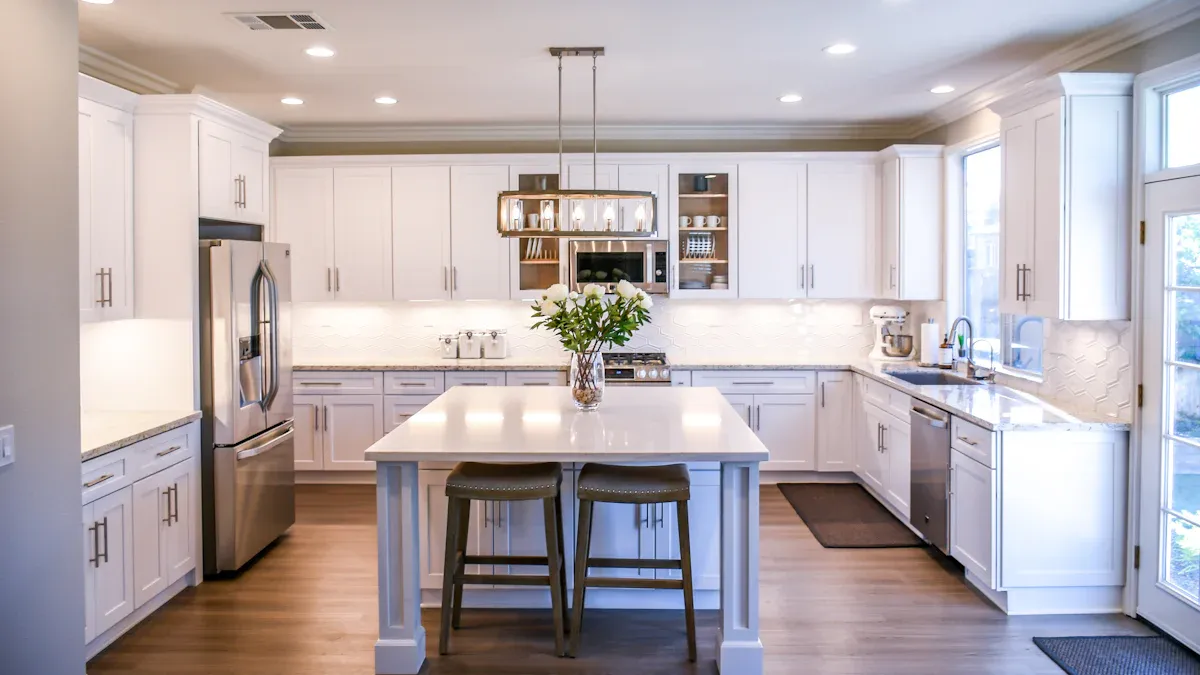
The versatility of led downlights makes them a premier choice for countless settings. Their clean aesthetic and efficient performance adapt to both residential and commercial environments, providing tailored illumination for any need. This adaptability has made them a staple in modern design.
Residential Lighting Solutions
In homes, recessed lighting offers a sophisticated way to layer illumination, enhancing both function and comfort. Different rooms benefit from specific strategies.
Kitchens and Bathrooms
Kitchens and bathrooms demand bright, functional lighting. Downlights excel at providing focused task illumination over countertops, sinks, and vanities. A user can install wet-rated fixtures in showers for safety and clarity. This targeted approach eliminates shadows and creates a clean, well-lit workspace.
Living Rooms and Bedrooms
These spaces require a balance of ambient and accent light. A general layout of fixtures provides overall brightness. Adjustable models can highlight artwork or architectural features.
Using dimmable led fixtures allows a homeowner to transition from bright, general light to a soft, relaxing glow, creating the perfect atmosphere for any activity.
Hallways and Entryways
Hallways and entryways benefit from consistent, welcoming illumination. A series of downlights spaced evenly along a corridor ensures safe navigation and creates a sense of openness. This application guides movement and makes a strong first impression.
Commercial and Retail Spaces
In commercial settings, lighting plays a crucial role in productivity, sales, and customer experience. The right fixtures can transform a space.
Office Lighting
A well-lit office boosts employee focus and well-being. A grid of fixtures with a neutral color temperature (around 4000K) provides uniform, glare-free light that reduces eye strain. This setup supports a productive and comfortable work environment.
Product Displays in Retail
Retailers use light to attract customers and showcase merchandise. Adjustable downlights with a high CRI are perfect for accenting product displays. They make colors appear vibrant and true, drawing attention to key items and encouraging sales.
Hospitality and Restaurants
The ambiance in restaurants and hotels is paramount. A layered lighting design using multiple types of fixtures creates a welcoming and memorable experience.
Area | Lighting Goal | Recommended Fixture |
|---|---|---|
Dining Area | Create intimacy | Dimmable, warm-white downlights |
Bar | Highlight features | Narrow-beam accent lights |
Lobby | Welcome guests | General ambient illumination |
This strategic use of light helps define the brand and enhance the customer journey.
Maintenance and Troubleshooting for Your Downlights
Even the most durable lighting requires occasional attention to maintain peak performance. Proper maintenance and basic troubleshooting can extend the life of your downlights and ensure they continue to operate flawlessly. These simple steps help preserve both the look and function of the lighting system.
Routine Cleaning and Care
Regular cleaning keeps fixtures looking their best and prevents dust buildup that can subtly dim the light output. A consistent care routine is simple and effective.
How to Safely Clean Fixtures
Safety is the top priority when cleaning any electrical device. A user should always turn off the power at the circuit breaker before beginning.
Once the power is off, a person can gently wipe the trim and lens with a soft, dry, or slightly damp microfiber cloth. One should avoid using harsh chemical cleaners or abrasive materials that could damage the finish of the light fixture.
Checking Connections
Over time, vibrations can cause electrical connections to loosen. Periodically checking these connections can prevent future issues. After shutting off the power, a homeowner can gently ensure the fixture is securely seated in the ceiling and that any accessible wire connectors are firm.
Solving Common Issues
Most common lighting problems have simple solutions. Understanding the potential causes helps a user diagnose and resolve issues quickly and safely.
Why a Light Might Flicker
A flickering led light is a common annoyance, often pointing to a specific issue within the system. The most frequent causes include incompatible dimmer switches, loose wiring, or a failing driver that provides inconsistent power. Voltage fluctuations in the home's electrical system can also contribute to the problem.
A person can follow a systematic process to identify the cause:
Inspect Connections: First, check for any loose wiring or poor connections at the fixture.
Verify Dimmer Compatibility: Ensure the dimmer switch is specifically rated for LED lights. Replace any incompatible dimmers.
Check the Driver: A faulty driver is a primary culprit. If other steps fail, replacing the driver often solves the issue.
Assess for Component Failure: If flickering persists, another component may be malfunctioning. At this stage, consulting a certified electrician is the safest course of action.
What to Do if a Light Won't Turn On
When a fixture fails to illuminate, a logical troubleshooting sequence can pinpoint the problem. The first step is to check the circuit breaker to see if it has tripped. If the breaker is fine, the issue may lie with the fixture itself. The internal driver may have failed, or there could be a faulty connection. If simple checks do not resolve the problem, it is best to contact a professional for a safe and accurate diagnosis.
LED downlights are modern, recessed fixtures that provide efficient, high-quality directional lighting. A sophisticated system of an led chip, driver, and heat sink ensures optimal performance. Understanding key features helps a user select the perfect recessed lights. These downlights enhance any room. This recessed lighting offers a superior led solution, saving energy and money. Choosing the right recessed fixture transforms a space with both style and function.
FAQ
Can a user install LED downlights on an old dimmer switch?
A user should avoid using old dimmer switches. Most are not compatible with modern LED technology and can cause flickering or buzzing. A person must install a new, LED-rated dimmer to ensure smooth, reliable performance.
Are LED downlights more expensive than traditional lights?
The initial purchase price for LED downlights is typically higher. However, their exceptional energy efficiency and long lifespan create significant long-term savings. These savings on energy bills and replacement costs make them a cost-effective investment. 💰
How far apart should a homeowner space recessed lights?
A general guideline suggests spacing fixtures apart by half the ceiling height. For an 8-foot ceiling, a homeowner would place lights 4 feet apart. A person should adjust this based on beam angle and desired brightness.
Do LED downlights produce a lot of heat?
LED downlights operate at significantly lower temperatures than halogen bulbs. While they produce some heat, a well-designed heat sink manages it effectively. This thermal efficiency makes them a much safer choice for recessed ceiling applications.
What is the difference between retrofit and new construction fixtures?
New construction fixtures mount directly to ceiling joists before drywall installation. Retrofit models are designed for existing ceilings. They use clips to secure the light directly into a cutout in the drywall, which greatly simplifies upgrades.
Why is an LED downlight buzzing?
A buzzing sound often indicates an incompatibility between the light and the dimmer switch. It can also result from loose wiring or a faulty internal driver. A homeowner should first check the dimmer compatibility for a solution.
See Also
Exploring LED Panel Lights: Unveiling Their Design and Operational Principles
Demystifying LED Track Lighting: How This Versatile System Functions
Discovering the Key Advantages and Benefits of Modern LED Downlights