What Certifications Should LED Lighting Products Have?
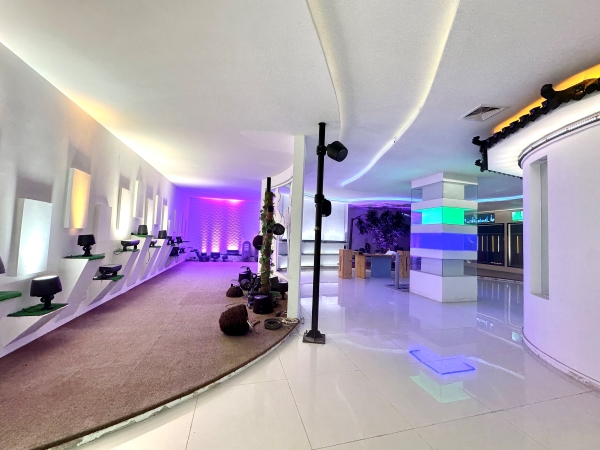
Commercial LED lighting products need four main types of certificates to operate safely at work. Safety labels like UL, ETL, and CE promise basic electric protection to stop fire risks. Energy efficiency programs like DLC and Energy Star prove that fixtures use little power. Environmental rules like RoHS and REACH limit dangerous chemicals inside electronic parts. Signal safety standards like FCC prevent harmful radio interference with nearby devices.
Business buyers, builders, building managers, and electric engineers should always pick fully approved light fixtures. Buying tested equipment from reliable makers like Liyinled ensures complete legal safety and long-lasting strength. Official energy scores also help owners get useful cash rebates for large building projects.
Key Takeaways
Safety labels such as UL, ETL, and CE protect buildings from electrical fires and dangerous shocks.
Energy labels like DLC and Energy Star lower power bills and earn cash rebates from utility companies.
Environmental rules and tough IP ratings keep workers safe from harsh chemicals while protecting lights from water and harm.
Smart shoppers look at official websites and test results to stay away from fake safety labels on low-cost lights.
Mandatory Safety Marks for LED Lighting
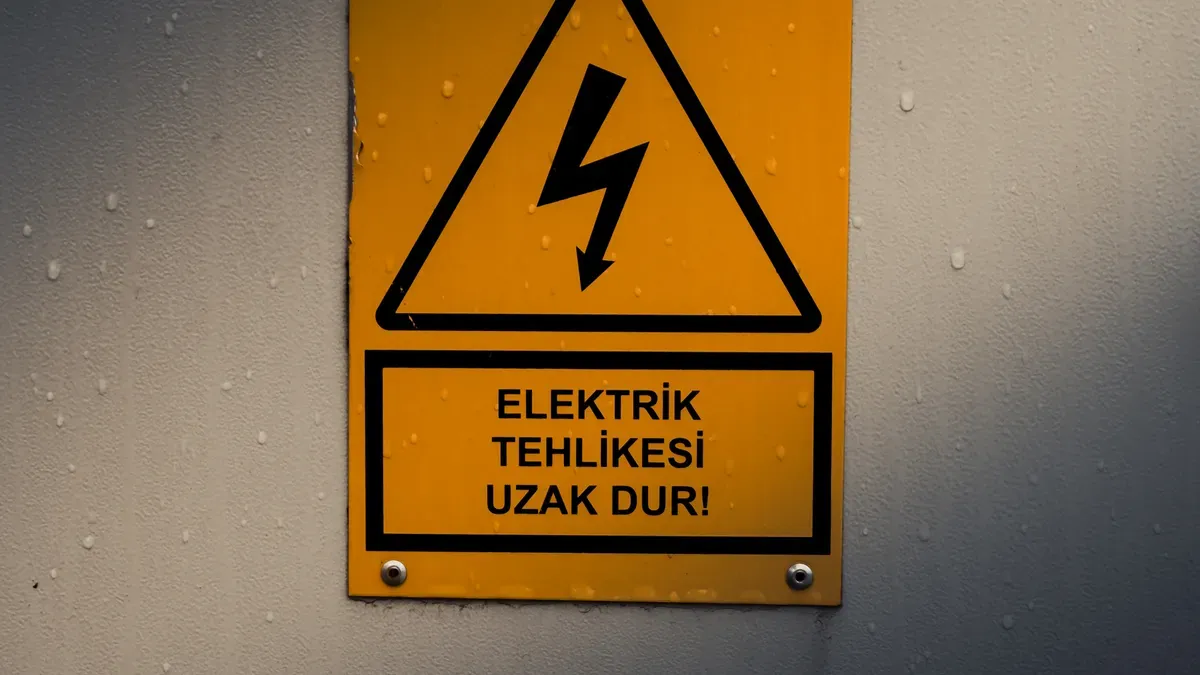
Safety marks guarantee electrical protection and fire safety for modern building installations. Independent testing laboratories evaluate light fixtures to verify reliable operation before commercial distribution. Manufacturers display regional safety compliance logos on product labels to satisfy strict government regulations and building codes.
North American Standards: UL and ETL
North American electrical codes require third-party safety testing for general illumination hardware. Recognized Nationally Recognized Testing Laboratories evaluate fixtures under rigorous safety standards. Standard UL 1598 covers complete finished luminaires for commercial and residential applications. Standard UL 8750 evaluates internal components, including light-emitting diode modules, arrays, and power drivers. Standard UL 2108 governs low-voltage systems to prevent shock risks.
Under official recognition from OSHA, Underwriters Laboratories and Intertek provide equivalent safety assurance. Both marks confirm complete compliance with North American safety requirements. The primary distinction involves standard development protocols and testing procedures.
Mark | Standards Development | Regulatory Status | Primary Testing Focus |
|---|---|---|---|
UL Listed | Develops original safety standards | Accredited NRTL | Complete fixtures and internal components |
ETL Listed | Tests against existing standards | Accredited NRTL | Streamlined evaluation against published standards |
UL develops its own safety standards and maintains long-standing brand authority. ETL tests products against established standards, including published UL safety criteria. Many manufacturers select ETL testing because the certification process offers faster project completion times and lower overall testing costs. Building inspectors across the United States and Canada accept UL Listed and ETL Listed marks equally for electrical installation approvals.
Global Certifications: CE, PSE, and RCM
International markets enforce distinct regulatory frameworks to protect consumers and commercial properties from electrical hazards. Global compliance requires strict adherence to regional safety testing protocols and mandatory marking schemes.
Region | Required Mark | Relevant Directives and Laws | Compliance Scope |
|---|---|---|---|
Europe | CE | Low Voltage Directive 2014/35/EU | Electrical safety and health protection |
Japan | PSE | DENAN Law and JIS Standards | 165 Class A products and 333 Class B products |
Australia / New Zealand | RCM | AS/NZS 3820, AS/NZS 60598 series | Electrical safety and regulatory compliance |
The European Economic Area requires the CE mark for commercial electrical equipment. The Low Voltage Directive 2014/35/EU mandates strict electrical safety parameters for luminaires entering European member states. This directive verifies proper insulation, heat dissipation, and mechanical strength to stop fire hazards.
Japan enforces the mandatory PSE mark under the DENAN law. The comprehensive law regulates 498 electrical items. The regulation classifies items into 165 Class A products carrying diamond PSE marks and 333 Class B products carrying round PSE marks. Manufacturers construct lamps according to Japanese Industrial Standards to secure market entry.
Australia and New Zealand require the RCM mark for fixed and portable light fittings. Regulatory agencies combine electrical safety requirements from AS/NZS 3820 with electromagnetic compatibility rules. Fixed general-purpose luminaires must satisfy AS/NZS 60598.2.1 requirements. Electronic controlgear for light modules must comply with AS/NZS 61347.2.13 standards.
Guangdong Liyinled Lighting Co., Ltd. designs indoor and outdoor products to satisfy these rigorous international safety codes. The manufacturer builds high-efficiency LED Lighting solutions—including panel lights, downlights, and linear flood lights—with die-cast aluminum housings and anti-glare diffusers. Choosing fully certified LED Lighting products from trusted suppliers guarantees legal compliance, protects facility managers against liability risks, and ensures reliable performance.
Energy Efficiency and Rebate Certifications
Energy efficiency labels check power savings for new building projects. Facility managers look at these badges to lower bills and meet green targets. Independent groups test every fixture to prove all performance claims. Verified energy ratings help building owners get cash back from local power suppliers. Electric companies require certified lights to guarantee real, long-term power savings for big facilities.
DLC Requirements for Commercial Fixtures
The DesignLights Consortium tests strong commercial and industrial light gear. This group manages the Qualified Products List to showcase energy-saving fixtures. The program sets tough performance targets for heat management, color quality, total brightness, and testing honesty. Products earn Standard or Premium ratings using checked efficiency numbers. Qualified gear fits into key business light groups:
Outdoor Luminaires and Indoor Luminaires
Outdoor Retrofit Kits and Indoor Retrofit Kits
Linear Replacement Lamps
Mogul Screw-Base Replacements for HID Lamps
Four Pin-Base Replacement Lamps for CFLs
Power companies give cash rebates for items listed on the Qualified Products List. These cash incentives drop the upfront cost of new building lights.
LED Product Category | Rebate Range per Fixture |
|---|---|
LED Tube | $3-$6 |
2x4 Troffer | $25-$40 |
HID Replacement (Corncob) | $40-$80 |
Parking Garage Fixture | $70-$120 |
Outdoor Pole Lighting | $80-$120 |
High-Bay Fixture | $100-$150 |
Rebate amounts change based on light types and local power rules. For example, Pacific Gas and Electric pays rebates from $25 to $75 for each light. Commonwealth Edison gives payouts between $20 and $65 per unit. Program limits also cap total cash payouts. Austin Energy caps light rebates at $150 and offers average project savings of $5,000. Electricians pick qualified business fixtures to gain the best cash savings.
Energy Star Guidelines for Residential Units
The Environmental Protection Agency runs the ENERGY STAR program. This government-backed label covers home and small business lights. Getting certified requires meeting strict EPA rules and passing tough lab tests. Required rules check power savings, steady color, strong color quality, and long bulb life. Testing steps also confirm quick turn-on times and stop annoying light flicker. Home downlights, bulbs, and ceiling lights are common certified choices.
Program limits differ between home and business certification plans. Unique rules guide buyer choices for different building needs.
Dimension | DLC | ENERGY STAR |
|---|---|---|
Scope | Commercial and industrial lighting | Residential and light commercial lighting |
Administration | DesignLights Consortium | Environmental Protection Agency |
Performance Thresholds | Minimum efficacy, color rendering, longevity | Energy savings, color consistency, no flicker |
Eligible Categories | Flat panels, high bays, retrofit kits | Downlights, lamps, ceiling fixtures |
Liyinled builds high-efficiency indoor downlights, flat panel lights, and outdoor flood lights. The business runs automatic SMT shops and clean, dust-free assembly lines. Factory workers run high-heat tests and water spray checks on built lights. Liyinled provides complete IES testing data to help plan and check business projects.
Environmental and Industrial LED Lighting Ratings
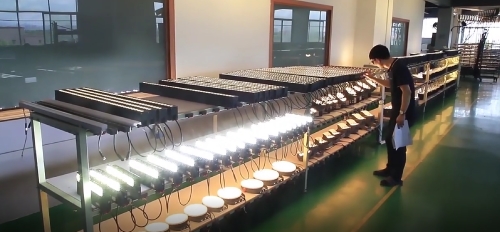
Green rules help keep harmful chemicals away from factories and nature. Strong build ratings show if lights can survive tough work spots in large plants.
RoHS and REACH Hazardous Substance Rules
European eco-rules block bad chemicals inside electronic parts. The RoHS rule caps dangerous materials in every single part of a light.
Substance | Maximum allowable concentration | ppm equivalent |
|---|---|---|
Lead (Pb) | 0.1% by weight | 1000 ppm |
Mercury (Hg) | 0.1% by weight | 1000 ppm |
Hexavalent chromium (Cr VI) | 0.1% by weight | 1000 ppm |
Cadmium (Cd) | 0.01% by weight | 100 ppm |
REACH rules also cover chemical safety. This system makes light makers report all chemicals used in global supply chains. Following these laws stops bad fumes inside closed work spaces. These green steps shield building staff from dangerous chemicals during daily repair jobs.
IP Water Protection and IK Impact Ratings
Hard industrial sites need tough outer covers to protect electric gear. Ingress Protection scores show how well covers block tiny dust and liquid sprays. Impact strength scores test physical shields against accidental hits from heavy machines.
Rating | Protection level | Application setting |
|---|---|---|
IP65 | Dustproof shield resisting low-pressure water jets | Outdoor building facades |
IP66 | Dustproof shield resisting high-pressure water jets | Heavy industrial plants |
IK10 | High mechanical protection against heavy impacts | Active warehouses and parking garages |
Workplaces need special lights that stand up to harsh weather and dusty floors. Low IP scores cause inner water leaks and early driver failures. Low IK scores lead to cracked cases when moving tools hit the fixtures.
Liyinled makes tough LED Lighting gear built for hard daily use. Auto SMT setups build small circuit boards in clean rooms. Factory workers check UFO high bays and outdoor flood lights using hot rooms and rain booths. Liyinled shares full IES test reports to verify light levels for big projects.
How to Verify Authentic Certifications
Checking Official Database Listings
Commercial buyers must verify certification claims on official database directories before purchasing light fixtures. Some unauthorized suppliers print fake safety logos directly onto product packaging to deceive customers. Responsible buyers search public online databases like the UL Product iQ portal, the Intertek Directory of Listed Products, and the DLC Qualified Products List. Users enter the supplier name or the specific fixture model number into the database system to confirm active registration status.
Authentic database listings match the fixture model number, electrical input parameters, and factory manufacturing details. Any difference between physical product labels and online safety records reveals invalid compliance claims. Guangdong Liyinled Lighting Co., Ltd. maintains clear, verifiable listings across major international safety databases. Facility managers check these digital directories to ensure complete legal compliance before finalizing large commercial equipment orders.
Reviewing Test Reports and Documentation
Electrical engineers review official laboratory test reports to validate performance claims from lighting suppliers. Certified manufacturers supply specific technical reports to prove component durability, light output quality, and expected operational lifespans:
LM-80 test data shows the approved way to track brightness and color stability in LED chips over long periods.
TM-21 projections offer standard math formulas to forecast long-term fixture brightness past actual lab test limits.
IES photometric files share downloadable light spread metrics for designers calculating room brightness using custom software.
Credible L70 lifetime values require valid TM-21 projection reports based directly on official LM-80 test results. The DLC Qualified Products List requires an L70 rating equal to or greater than 50,000 hours based on TM-21 projections. An L70 rating without a TM-21 report represents an unverified marketing estimate rather than a proven performance metric. Furthermore, the absence of downloadable photometric files indicates the product was likely not independently tested. Liyinled supplies complete IES documentation and verified laboratory test reports to assist project engineers and building contractors worldwide.
Business buyers must check safety, energy, and green labels before buying light fixtures. Crucial approvals feature UL, ETL, CE, DLC, and RoHS badges. Using uncertified lights brings serious safety risks inside work plants. Untested equipment leads to electrical fires, legal trouble, and lost power rebates. Building owners end up facing surprise costs and risky working spaces.
Liyinled offers dependable, fully tested LED Lighting options for global jobs. These certified lights deliver an energy efficiency of 100LM/W for business uses. Factory workers check every single unit with tough heat and water tests. Liyinled gives project engineers complete IES documentation to ensure great visual comfort and top performance.
FAQ
What safety certifications do commercial building codes require for light fixtures?
North American building codes require UL Listed or ETL Listed labels for light fixtures. European sites use the CE mark. These badges prove that lights handle electricity safely and prevent fires. Liyinled builds LED Lighting fixtures using strong aluminum frames to meet these strict global safety rules.
Why do commercial buyers prefer DLC qualified light fixtures?
Business buyers choose DLC qualified products to earn valuable power company rebates. The DLC Qualified Products List proves real energy savings and confirms performance claims. Power companies check these official lists before sending cash payments to building owners.
How do facility managers protect industrial lights from water and mechanical impacts?
Building managers look at IP water scores and IK strength ratings. An IP65 score stops tiny dust particles and water sprays in tough spaces. An IK10 score shields internal electric parts from heavy accidental hits inside busy warehouses.
What technical documents should project engineers review before purchasing?
Engineers check LM-80 test reports and TM-21 forecast files. These papers prove that light output stays steady over long periods. Engineers also study downloadable IES files to calculate accurate room brightness using design software.