What is a recessed downlight and how does it work?
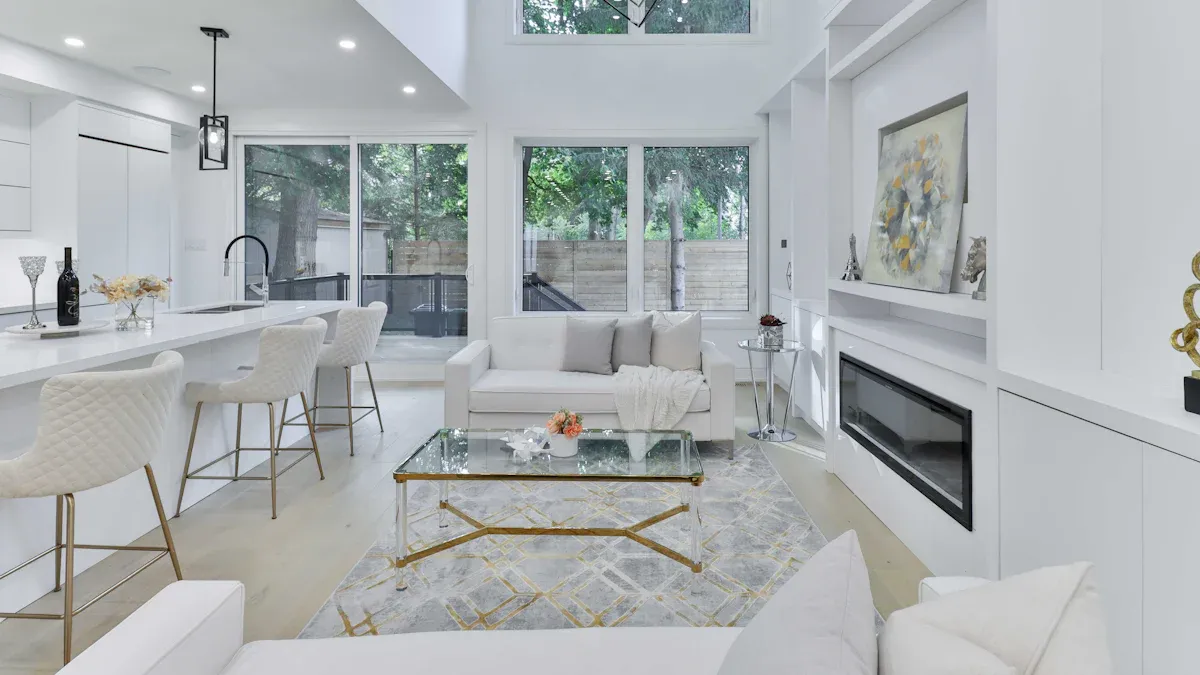
A recessed downlight is a specialized light fixture installed into a hollow ceiling opening. This recessed downlight fixture provides a focused downlight from a hidden source, sitting flush with the ceiling for a clean, modern look. The versatile recessed downlight is also known as a can light, pot light, or simply one of many recessed lights. The popularity of these recessed lights and pot lights continues to grow.
Market Insight: The market for recessed lights and pot lights is expanding, with projected annual growth between 6-12%. This surge is driven by every leading LED DownLight Manufacturer and various led light manufacturers. They continuously improve LED DownLight technology and other led light fixtures, making the modern downlight and pot lights a top choice for homeowners. These efficient recessed lights and the classic downlight design are here to stay.
What is a Recessed Downlight?
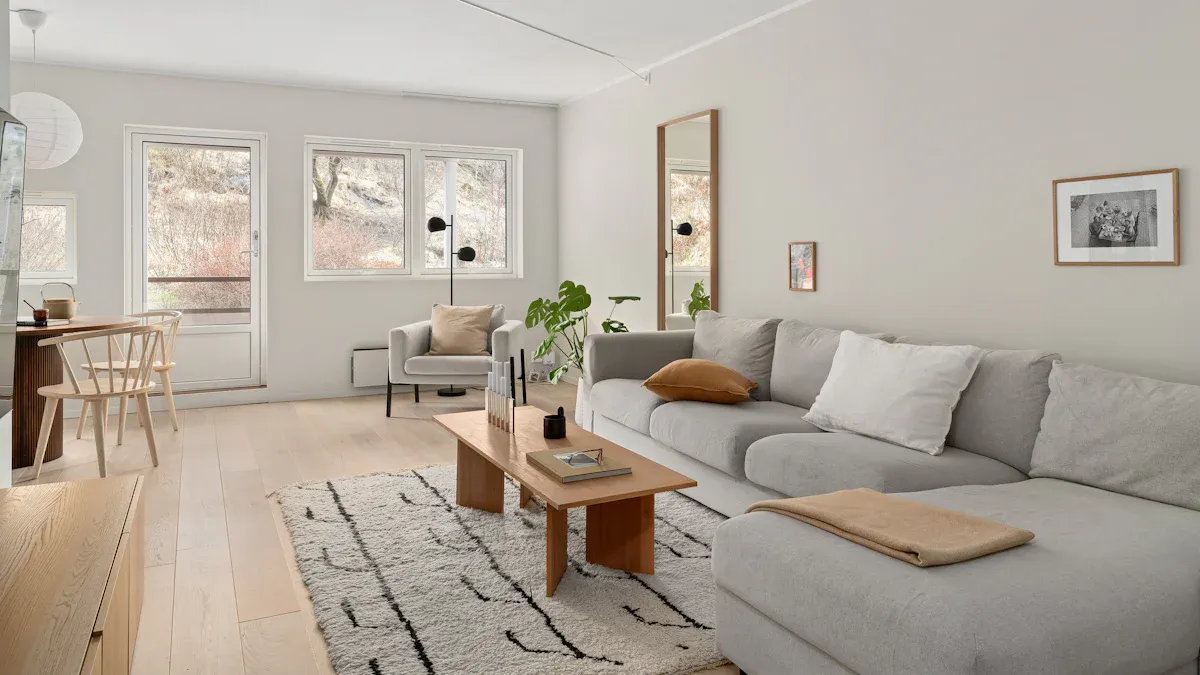
A recessed downlight is an architectural lighting fixture engineered to fit inside a ceiling. It provides downward-facing illumination from a source that is nearly invisible, offering a clean and uncluttered appearance. These fixtures, also called pot lights, are a cornerstone of modern interior design.
Defining the Fixture
A Streamlined Lighting Solution
A recessed downlight is a complete system, not just a bulb. Manufacturers construct the main components using durable materials. The fixture's cover often consists of iron, pure aluminum, or die-cast metals. Inside, a die-cast aluminum radiator dissipates heat, while an aluminum or plastic-molded reflective cup directs the light. This construction makes the recessed downlight a robust and reliable choice.
These recessed lighting solutions come in various standard diameters to suit different applications. The size determines the light spread and intensity, making it a critical decision in any lighting plan.
Diameter Size | Common Use/Notes |
|---|---|
3-inch | Ideal for accent lighting, small hallways, or under cabinets. |
4-inch | Versatile for general lighting in smaller rooms or for lower ceilings. |
5-inch | A popular middle-ground for general lighting in average-sized rooms. |
6-inch | The most common size for general residential lighting in living rooms and kitchens. |
8-inch & Larger | Used for high ceilings, large rooms, or commercial spaces needing high light output. |
Flush with the Ceiling
The defining characteristic of a recessed downlight is its installation method. The main body of the recessed downlight fixture, the housing, sits entirely above the ceiling plane. Only the decorative trim and the light source are visible from below. This creates a seamless integration with the ceiling, allowing architectural features and furnishings to become the room's focal point. The result is a sophisticated downlight effect without a visible fixture. These popular pot lights provide light without occupying visual space.
Key Benefits of Recessed Lighting
Homeowners and designers choose recessed lights for several compelling reasons. The benefits extend beyond simple illumination, impacting a room's overall atmosphere and functionality. These recessed lighting solutions offer a unique combination of style and practicality.
Modern Aesthetic Appeal
Recessed lights are the epitome of minimalist design. They provide effective illumination while maintaining a clean, unobtrusive look. This allows a room's architecture and decor to stand out.
Design Insight: Use recessed lights to create a sense of openness. By eliminating bulky, hanging fixtures, pot lights make ceilings appear higher and rooms feel more spacious. This is a key reason for their popularity in contemporary homes.
Versatile and Customizable
Recessed lighting offers significant versatility during the design phase. While track lighting allows for fixtures to be moved after installation, the customization of recessed lights comes from strategic planning. Homeowners can choose from a wide array of trims, sizes, and fixture types—such as adjustable gimbals for accenting artwork or wall-wash trims for illuminating vertical surfaces. This makes the downlight a powerful tool for creating layered lighting designs. The flexibility to mix and match different pot lights allows for tailored recessed lighting solutions in any room.
Energy Efficiency
Modern recessed lights, particularly those using LED technology, are highly energy-efficient. An LED downlight consumes significantly less power than its halogen or incandescent predecessors, leading to lower electricity bills. Furthermore, LEDs have an exceptionally long lifespan, which drastically reduces maintenance and replacement costs over time. Investing in an LED recessed downlight system not only enhances a home's aesthetic but also contributes to long-term financial savings and increases property value. Many people choose these pot lights for this very reason.
How Recessed Lights Work: The Core Components
Understanding how recessed lights work involves breaking down the fixture into its three essential parts: the housing, the trim, and the light source. Each component plays a critical role in the fixture's performance, safety, and appearance. Together, they create the seamless downlight effect that makes these pot lights so popular.
The Housing
The Main Structure in the Ceiling
The housing is the backbone of a recessed downlight. It is the main enclosure installed above the ceiling drywall. Manufacturers typically construct these housings from durable materials like aluminum or steel, chosen for their structural integrity and heat management properties. This component holds all the electrical parts and secures the entire fixture to the ceiling joists. The housing's design is fundamental to a safe and stable installation of recessed lights.
Pro Tip: For sloped ceilings, standard housings are unsuitable as they direct light at an awkward angle. Installers should use specialized sloped-ceiling housings. These are engineered to align the downlight correctly, ensuring the light shines straight down. These often require robust, IC-rated designs to manage heat effectively in tighter attic spaces.
Containing the Electrical Parts
The housing contains the junction box for electrical connections and the socket that holds the light source. It is the functional core of the recessed downlight fixture. All wiring is safely contained within this metal can, protecting it from insulation and other building materials. The housing's design dictates whether it is "New Construction" or "Remodel" and if it is IC-rated for direct contact with insulation. These factors are critical for a code-compliant and safe installation of pot lights.
The Trim
The Visible Part of the Fixture
The trim is the only part of a recessed downlight visible from inside the room. It is the decorative ring that fits flush against the ceiling, covering the rough opening and the housing's edge. Trims are available in a wide variety of materials and finishes to match any interior design style.
Materials: Common options include metal, plastic, and glass. Metal trims offer superior durability and heat dissipation, while plastic is a lightweight and affordable alternative.
Finishes: Finishes range from polished chrome and brushed nickel for a contemporary look to oil-rubbed bronze for a traditional feel. Popular choices include:
Antique
Satin
Chrome
Brushed
Painted White or Black
Shaping and Directing the Light
The trim does more than just add a decorative touch; it shapes the light. The interior surface of the trim, whether it is a baffle or a reflector, controls the quality and direction of the downlight. Some trims feature a 'specular' or mirror-like finish. One advanced option is Alzak, a proprietary anodizing process that creates a highly efficient reflective surface to minimize glare. The choice of trim directly impacts how the recessed lights illuminate a space, making it a key element of the lighting design.
The Light Source
From Halogen to LED Bulbs
The light source is the engine of the recessed downlight. Historically, incandescent and halogen bulbs were the standard. While they produced warm light, they were inefficient and generated significant heat. Today, LED technology dominates the market for recessed lights. LED bulbs offer superior energy efficiency, a longer lifespan, and better heat management. This evolution has made modern pot lights a more sustainable and cost-effective lighting solution.
Integrated LED Modules
Many modern pot lights now feature an integrated LED module. In this design, the LED light source is built directly into the fixture, combining the trim and light source into a single unit. This all-in-one approach simplifies installation and creates a sleek, cohesive look. While the entire module must be replaced at the end of its life, their exceptionally long lifespan makes this a rare occurrence.
The difference in longevity is remarkable. An integrated LED module provides consistent, high-quality light for years longer than older technologies.
Light Source Type | Average Lifespan (hours) |
|---|---|
Incandescent Bulb | 750 to 2,000 |
Integrated LED Module | 30,000 to 50,000 |
This extended lifespan, combined with low energy use, makes integrated LED fixtures the premier choice for new installations and upgrades.
Installation Types: New Construction vs. Remodel
Choosing the correct housing type is a critical first step in any recessed lighting project. The decision depends entirely on the state of the ceiling. Installers select between two primary categories: new construction housings and remodel housings. Each is engineered for a specific installation scenario, ensuring a secure and professional fit for your pot lights.
New Construction Housings
Designed for Unfinished Ceilings
Installers use new construction housings when the ceiling joists are exposed and there is no drywall. This situation is common in new home builds, major renovations, or home additions. These housings are designed to be mounted directly onto the ceiling framework before the ceiling material is installed. This method provides a very stable and secure foundation for the recessed lights.
Code Compliance is Key: Proper installation must adhere to local building codes. The National Electrical Code (NEC) requires that the fixture's junction box remains accessible after installation. Additionally, recessed lights installed in a building's thermal envelope must be IC-rated and air-sealed to prevent energy loss, with a tested air leakage rate not exceeding 2.0 cfm.
Mounting with Bar Hangers
New construction housings feature a frame with adjustable bar hangers. These metal bars extend from the housing and attach directly to the ceiling joists with nails or screws. This system offers significant flexibility.
The bar hangers provide tool-less adjustments.
They can accommodate joist spacing anywhere between 8 inches and 24 inches.
This ensures the housing for the pot lights can be positioned precisely where the lighting plan requires it.
This robust mounting method guarantees that the recessed lights will be perfectly placed and securely anchored for the life of the home.
Remodel Housings
Installing in Existing Ceilings
Remodel housings are the solution for adding recessed lighting to a room with a finished ceiling. Installers do not need to remove large sections of drywall. Instead, they cut a precise hole in the ceiling. The remodel housing is then wired and pushed up through this opening. This design makes it much easier to upgrade a room's lighting without undertaking a major construction project. These pot lights are perfect for retrofitting.
Securing with Retention Clips
Remodel housings do not use bar hangers. They rely on a system of retention clips to hold the fixture in place. After the installer pushes the housing through the ceiling cutout, these spring-loaded clips deploy. They press firmly against the top side of the drywall, sandwiching the ceiling material between the clips and the fixture's trim. This mechanism creates a secure fit for the pot lights. These clips are versatile, designed to work with various ceiling thicknesses, typically accommodating materials from ½ inch up to 1-3/8 inches. This makes remodel pot lights a versatile option for adding recessed lights to almost any existing room.
Safety Ratings: IC-Rated vs. Non-IC-Rated
Selecting the correct safety rating is one of the most important decisions when installing recessed lighting. The rating determines how a fixture interacts with ceiling insulation, a critical factor for preventing fire hazards. Installers must choose between two main types: IC-rated and non-IC-rated housings for all pot lights.
IC-Rated Recessed Lights
What "Insulation Contact" Means
The "IC" in IC-rated stands for "Insulation Contact." Fixtures with this rating are engineered for safe, direct contact with ceiling insulation. Manufacturers construct these housings, such as the 120v 5" IC-Rated Remodel Can C5RICAT, to manage heat effectively. They often use a double-can design that creates an air gap between the inner lamp housing and the outer can. This construction ensures the exterior surface remains cool enough to touch insulation materials without posing a fire risk.
When to Use IC-Rated Fixtures
Installers must use IC-rated recessed lights in any ceiling where the fixture will touch insulation. This is standard for top-floor ceilings adjacent to an attic and is the safest choice for nearly all modern residential projects. Using IC-rated fixtures ensures code compliance and provides peace of mind. These fixtures prevent energy loss by allowing insulation to be packed tightly around the housing, maintaining the ceiling's thermal barrier.
Non-IC-Rated Fixtures
The 3-Inch Clearance Rule
Non-IC-rated fixtures are not designed to touch insulation. These pot lights generate more heat and require open air space to dissipate it safely. Installers must follow a strict clearance rule for these fixtures.
Important Safety Rule: A non-IC-rated fixture requires a minimum of three inches of clearance from all insulation materials on all sides. This 3-inch rule applies regardless of the insulation's R-value. Some insulation types, like UltraTouch, may even specify a larger six-inch air gap for non-IC-rated recessed lights.
Preventing Fire Hazards
Following the clearance rule is essential for preventing dangerous situations. Non-IC-rated pot lights can cause fire hazards if they come into contact with insulating materials. The heat generated by the fixture becomes trapped when covered. This buildup can lead to overheating, which poses a serious safety risk.
Key risks of improper installation include:
Heat buildup can ignite nearby insulation or wood framing.
The fixture itself can overheat, shortening its lifespan and creating a fire hazard.
Using these pot lights in insulated ceilings without proper clearance creates a significant fire risk.
Proper installation of non-IC-rated recessed lights is not just a recommendation; it is a critical safety measure to prevent property damage and potential fires.
Choosing the Right Trim for Your Recessed Downlight
The trim is the visible part of a recessed downlight, serving both aesthetic and functional purposes. It covers the housing's edge and shapes the light itself. Selecting the right trim is essential for achieving the desired lighting effect and complementing the room's decor. The trim style directly influences the performance of the downlight.
Baffle Trims
Reducing Glare and Hotspots
Baffle trims are a popular choice for reducing glare. They feature a ribbed interior that controls the light output. These ridges absorb stray light, preventing the harsh "hotspots" that can cause eye strain. This design creates a softer, more comfortable illumination. The primary function of a baffle trim is to provide a pleasant ambient downlight.
Trim Comparison: Baffle vs. Reflector
Baffle Trims: The ribbed interior absorbs excess light. This design softens glare and provides a cozy, eye-friendly downlight. They are ideal for living rooms and bedrooms.
Reflector Trims: A smooth internal surface maximizes light output. This makes them suitable for high-output task lighting, though the brightness can create more glare if not placed carefully.
Common Color Choices
Baffle trims for a recessed downlight are available in several colors. White baffles blend seamlessly with most ceilings for an unobtrusive look. Black baffles absorb even more light, which dramatically reduces glare and makes the light source appear less visible. This creates a sophisticated, "quiet ceiling" effect for these pot lights.
Reflector Trims
Maximizing Light Output
Reflector trims are designed for maximum brightness. Unlike baffles, they have a smooth, mirror-like interior surface. This polished surface reflects nearly all the light from the bulb downward into the room. A reflector trim is the ideal choice for a recessed downlight when high light output is the priority. Designers use them in kitchens, workshops, and commercial spaces where bright, functional light is necessary.
Polished vs. Haze Finishes
Reflector trims come in different finishes that alter the light quality. A polished or 'specular' finish provides a mirror-like reflection, directing a focused beam of light. A haze or 'semi-specular' finish has a slightly matte surface. It still maximizes light but diffuses it slightly to soften the edges of the light beam. This reduces sharp shadows from the pot lights.
Adjustable and Specialty Trims
Gimbal Trims for Directional Light
Gimbal trims offer excellent flexibility. These adjustable pot lights allow the user to pivot and tilt the lamp inside the housing. This feature transforms a standard recessed downlight into a directional accent light. Homeowners can aim the light precisely to highlight artwork, architectural details, or specific task areas. A gimbal trim provides a versatile downlight solution.
Wall Wash Trims for Vertical Surfaces
A wall wash trim features a scoop-like reflector that directs light asymmetrically. Instead of shining straight down, it casts a wide, even wash of light across a vertical surface. This technique makes rooms feel larger and brighter. Installers use wall wash trims to illuminate feature walls, bookshelves, or fireplace surrounds, adding depth and visual interest to a space.
The Rise of LED Recessed Downlights
The lighting industry has undergone a significant transformation with the widespread adoption of Light Emitting Diode (LED) technology. This shift has profoundly impacted the design and performance of recessed downlights. Modern LED recessed downlights offer unparalleled advantages over their predecessors, making them the standard for new installations and upgrades.
Why Choose LED Technology?
Superior Energy Efficiency
Energy conservation is a primary driver behind the move to LED lighting. LED recessed downlights consume a fraction of the power used by older incandescent or halogen bulbs. For example, replacing a traditional 65-watt incandescent bulb with a comparable 10-watt LED fixture can reduce energy use by over 80%. This dramatic reduction in power consumption leads to significant savings on electricity bills over the fixture's lifetime. The efficiency of an LED makes it a smart financial and environmental choice for any home.
Longer Lifespan and Durability
High-performing LEDs are renowned for their exceptional longevity. While older bulb types required frequent replacement, modern LED recessed downlights last for tens of thousands of hours. This durability minimizes maintenance and replacement costs. The solid-state construction of an LED also makes it more resistant to shock and vibration than fragile filament-based bulbs.
Light Source | Average Lifespan (Hours) |
|---|---|
Incandescent | 1,200 |
Halogen | 2,500 |
LED | 25,000 - 50,000+ |
Understanding Integrated LED Recessed Downlights
All-in-One Fixture Design
Many modern LED recessed downlights feature an integrated design. In these fixtures, the LED light source and the trim are combined into a single, sealed unit. This all-in-one approach simplifies the installation process and creates a clean, seamless appearance. Manufacturers engineer these integrated recessed downlights to optimize thermal management, ensuring the LED performs reliably for its entire lifespan.
Replacing an Integrated Fixture
A common question about integrated LED recessed downlights concerns replacement. Since the LED is built-in, users cannot change it like a traditional bulb. When the fixture reaches the end of its very long life, the installer replaces the entire module. Given their lifespan of 25,000 hours or more, this is an infrequent event, often occurring more than a decade after installation.
Retrofitting Old Fixtures with LED
Upgrading Your Existing Lights
Homeowners can upgrade existing recessed lights without replacing the entire housing. This process, known as retrofitting, involves installing an LED module into an old can. While retrofitting is a cost-effective way to gain the benefits of LED technology, installers must ensure compatibility.
Retrofit Compatibility Check Successful retrofitting requires careful attention to potential issues. Common compatibility problems include:
Mechanical Mismatches: The new LED module may not physically fit the old housing due to differences in size or connector type.
Electrical Incompatibility: Some LED drivers may not work correctly with older wiring or dimmers, leading to flickering.
Thermal Constraints: An enclosed housing can trap heat, which may shorten the lifespan of the new LED module if it is not designed for that environment.
Common Bulb Base Types: E26 and GU10
For recessed downlights that use replaceable bulbs, two base types are prevalent. The E26 base is the standard screw-in base found on most household bulbs in North America. The GU10 is a two-pin, twist-and-lock base common in smaller-aperture recessed lights. Knowing the correct base type is essential when purchasing an LED replacement bulb for your recessed downlights.
Application and Placement of Recessed Lighting
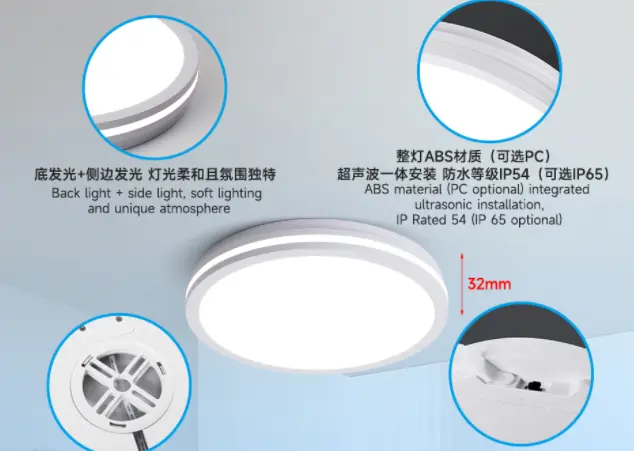
Proper application and placement are crucial for maximizing the effectiveness of recessed lighting. Designers use these fixtures to create three distinct layers of light: general, task, and accent. Each layer serves a unique purpose in a comprehensive lighting plan.
General Ambient Lighting
Illuminating Entire Rooms
General lighting provides overall illumination for a space. Designers use a grid of downlights to create a comfortable level of brightness, making the room safe and easy to navigate. This foundational layer of ambient lighting ensures the entire area is functional. A well-planned layout of indoor recessed lighting eliminates dark corners and creates a welcoming atmosphere.
Proper Spacing Guidelines
Correct spacing is essential for uniform ambient light. A common professional guideline helps determine the distance between fixtures. Installers often calculate spacing based on ceiling height to prevent dark spots or overly bright areas. This ensures a balanced, ambient glow throughout the room.
Spacing Formula Tip: A simple rule of thumb is to divide the ceiling height by two. For an 8-foot ceiling, fixtures should be spaced approximately 4 feet apart. The distance from the wall is typically half of the fixture-to-fixture spacing.
Ceiling Height | Recommended Spacing Between Fixtures |
|---|---|
8 ft | 4 ft |
9 ft | 4.5 ft |
10 ft | 5 ft |
Task Lighting
Focused Light for Work Areas
Task lighting illuminates specific areas where activities occur. This focused light reduces eye strain and improves visibility for detailed work. Installers position individual downlights directly above workspaces like reading nooks, food preparation zones, or home offices.
Kitchen Counters and Desks
In kitchens, designers place recessed lighting above the edge of the countertops. This placement directs light onto the work surface without casting shadows from the person standing there. For a desk, a single fixture centered above the chair provides excellent focused light for reading and writing.
Accent Lighting
Highlighting Artwork and Features
Accent lighting adds drama and visual interest to a room. It draws attention to specific objects like paintings, sculptures, or architectural details. Designers often use adjustable gimbal trims for this purpose. These fixtures allow users to aim the light beam precisely, turning a simple wall into a gallery-like display. This type of recessed lighting creates focal points.
Creating Visual Interest
Strategic accent lighting builds depth and character. By highlighting textures on a stone fireplace or washing a feature wall with light, designers can transform a flat space. This technique complements the overall ambient lighting. The contrast between light and shadow makes the indoor recessed lighting design dynamic and sophisticated.
A recessed downlight is a versatile fixture composed of a housing, trim, and light source. Successful recessed lighting projects depend on understanding key types and safety ratings. The choice of trim style and the move to energy-efficient led technology allow for complete customization of any recessed lighting design. With proper planning, a recessed downlight can provide effective ambient, task, or accent illumination. This makes the led downlight a premier choice. The modern led downlight enhances any space. This recessed lighting offers a superior led downlight experience. The led downlight is a smart investment.
FAQ
These are some frequently asked questions about recessed downlights. This section provides quick answers to common inquiries.
Can all recessed lighting be dimmed?
Not all fixtures are dimmable. Homeowners must pair a dimmable led fixture with a compatible led dimmer switch. Using an incompatible switch can cause flickering or damage the led driver. Always check product specifications before purchasing.
How far apart should recessed lights be placed?
Proper spacing ensures even illumination. A general rule is to divide the ceiling height by two. For an 8-foot ceiling, installers should space the recessed lighting fixtures about 4 feet apart. This prevents dark spots.
Can I use smart bulbs in recessed fixtures?
Yes, smart led bulbs work well in many recessed lighting fixtures. Homeowners can install a smart bulb with a standard E26 base into a compatible housing. This allows for control via a smartphone app or voice assistant.
How long does an integrated LED recessed downlight last?
An integrated led recessed downlight has an exceptionally long lifespan. Most models are rated for 30,000 to 50,000 hours of use. This longevity means the fixture can last for over a decade with average daily operation.
Is professional installation required for a recessed downlight?
Professional installation is highly recommended. An electrician ensures the wiring meets all safety codes. They can handle challenges like insulation contact and proper housing selection, guaranteeing a safe and reliable system. These are important frequently asked questions about recessed downlights.
What is the main benefit of choosing LED?
The primary advantage of led technology is its superior energy efficiency. An led fixture consumes up to 80% less energy than older bulb types. This efficiency results in significant long-term savings on electricity costs.