What Is UGR in LED Lighting
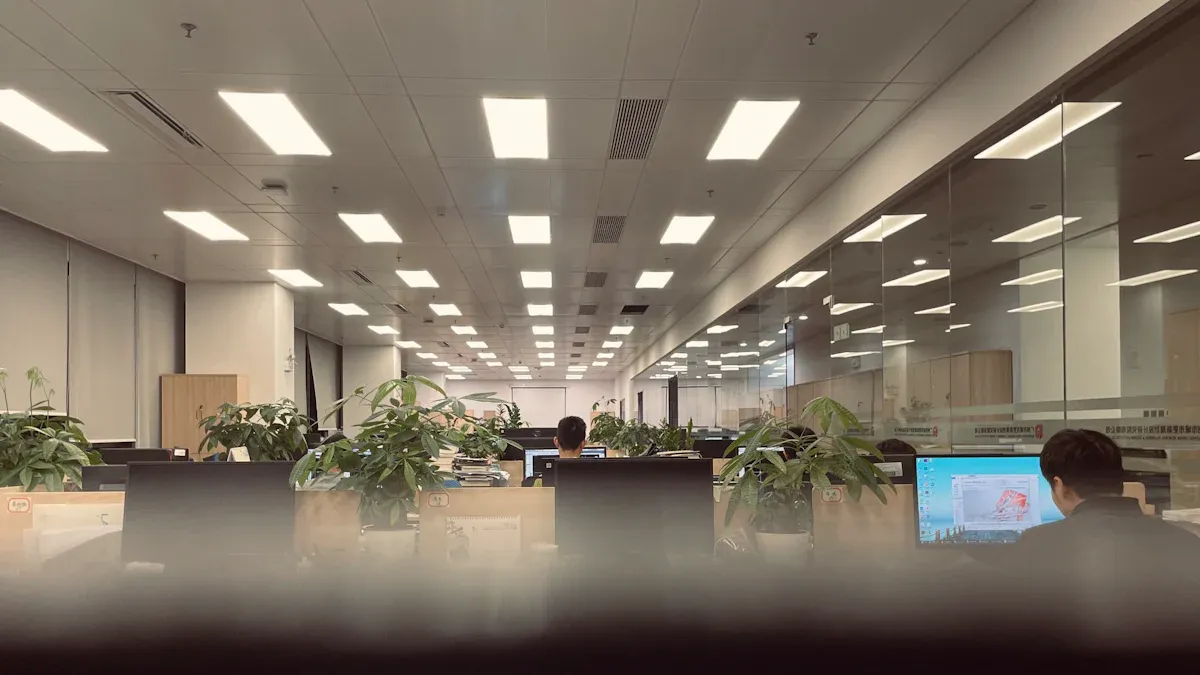
The International Commission on Illumination uses Unified Glare Rating as an exact way to measure light. This scale checks how uncomfortable indoor lights make people feel. The numbers on the scale usually go from 10 to 30. Lower UGR numbers mean much less glare and better comfort for people inside the building. Too much glare causes bad eye strain, tiredness, and painful headaches during long work hours. Businesses stop visual distractions by placing the right light fixtures in their spaces. Liyinled works as a top company that makes low-glare commercial lighting options. They build high-efficiency LED Lighting fixtures to ensure great vision, good health, and safety in modern workplaces.
Key Takeaways
Unified Glare Rating measures indoor lighting discomfort using a scale that runs from 10 to 30.
Lower UGR scores protect workers from eye strain, body fatigue, and painful headaches.
Workplaces and schoolrooms need UGR ratings of 19 or less for the best eye comfort.
Special light-softening covers and smart room setups help cut down on bright, uncomfortable glare.
Engineers test lights in labs to make sure they follow safety rules before people install them.
Understanding UGR in LED Lighting
Discomfort Glare Versus Disability Glare
Visual glare means bright light that hurts your eyes when you look around. Discomfort glare makes you want to turn your head away naturally. It distracts your mind, tires your body, and strains your eyes over long work shifts. Although this glare does not block your sight right away, it slowly destroys your focus throughout the workday.
Disability glare ruins your actual eyesight immediately. Extreme brightness wipes out color details and hides important objects from your view. People cannot see things clearly when bright lights shine directly into their eyes without shields. This sight problem causes dangerous accidents in risky work environments. New LED Lighting products reduce both glare types to keep workers healthy and help them see clearly.
Impact on Ergonomics and Industry Standards
Bad glare control lowers worker output and causes severe eye tiredness. Uncomfortable glare makes office workers sit in awkward positions while using their computers. Employees lean forward or bend their necks to avoid painful light reflections. Poor lights also cause more work mistakes and lower safety levels in business places. Proper lighting setups stop body fatigue and keep daily work moving smoothly.
Global rules set strict glare limits to protect people working indoors. Official safety groups create clear rating targets to help building managers, room decorators, and project engineers. The EN 12464-1 rule lists the exact lighting levels needed for regular indoor office work.
Task or Activity | Maintained Illuminance (lx) | UGR Limit |
|---|---|---|
Reading, typing, and data processing | 500 | 19 |
CAD workstations | 500 | 19 |
DesignLights Consortium DLC 5.1 rules require low UGR numbers for high-quality indoor light panels, low bays, and strip fixtures. Normal office rooms need UGR scores between 16 and 21, but heavy factory areas can use scores between 22 and 27. Scores over 28 show very poor lighting choices. Modern business buildings install strong Liyinled Commercial Lighting Solutions to meet these global safety rules easily.
Standard UGR Rating Scale and Limits
Engineers measure light glare using set numbers. The Unified Glare Rating scale measures human discomfort inside buildings. Smaller numbers mean room occupants enjoy better visual comfort. Bigger numbers mean major light glare and visual distraction. Most indoor spaces need ratings from 10 to 30. These set rating limits help engineers pick fixtures and plan lighting layouts. Building managers check these clear numbers before buying light systems for big commercial spaces.
Target Ratings for Offices and Workspaces
Modern office spaces need careful control over how indoor light spreads. Unshielded light fixtures drop harsh reflections onto glass computer screens and shiny desk tops. Light reflecting off computer monitors causes bad eye strain for employees during long work hours. Global safety standards set maximum allowed glare limits for specific daily jobs. These standard rules set required targets to keep work environments healthy and active across corporate buildings.
Application | Maximum UGR Threshold |
|---|---|
General offices & classrooms | ≤ 19 |
Healthcare settings (incl. consultation areas) | ≤ 16 |
According to BS EN 12464, UGR ≤ 19 is recommended for many office and classroom settings, as specified in the international standard for lighting of workplaces.
Certain detailed tasks need lower glare levels to keep clear vision and sharp focus. High-precision work areas demand a strict UGR target below 16. Medical exam rooms require low glare to protect visual focus during careful doctor visits. Regular desk work, computer typing, and normal reading accept a maximum level of 19 under DIN EN 12464-1 rules. Glare ratings reaching 22 are too high for general office spaces. Project managers pick smart Liyinled Commercial Lighting Solutions to meet safe comfort standards across office projects.
Thresholds for Industrial and Commercial Facilities
Factory spaces have special room setups that differ from normal office rooms. High ceilings and wide factory floors change how workers feel surrounding light brightness. Plant engineers choose specific light fixtures based on room height, floor size, shiny materials, and task needs. Heavy machine areas need smart fixture placement to balance room light and eye comfort.
Large industrial plants allow higher glare limits because high ceiling lights sit very far up. Regular factory production lines usually accept UGR values between 22 and 27. Factory workers rarely stare straight up into high overhead lights while moving materials. However, special detail inspection areas require much lower glare numbers to stop dangerous work errors and costly product flaws. Quality control workers need clean visual conditions to check detailed product parts accurately without getting eye tiredness.
Big commercial warehouses, retail stores, and shipping hubs keep clear glare limits for daily work tasks. High-bay lights in narrow warehouse aisles must spread even light onto tall storage racks without blinding equipment drivers. Good light shield designs cut direct bright light along main paths and busy forklift routes. Modern LED Lighting fixtures use special diffusers and shaped reflectors to keep direct glare under local safety rules. Choosing correctly rated fixtures protects floor workers, cuts physical tiredness, and preserves good eye comfort across large commercial facilities.
How UGR Is Calculated and Evaluated
Mathematical Variables in UGR Calculation
The global lighting group created a standard formula for finding glare scores. Four main factors control this exact brightness measurement inside a room. Background brightness measures the average light coming off surrounding walls and ceilings. Source brightness measures how much direct light each individual lamp puts out. Visual size shows how big the fixture looks to an observer's eyes. The position number tracks where the light sits compared to your eye level.
UGR = 8 x log10 [ (0.25 / L_b) x SUM ( (L^2 x omega) / p^2 ) ]
Building designers must test glare within an entire room layout. A single light panel does not have its own fixed glare score. Room size, ceiling height, wall colors, and viewing spots change glare values directly. Lighter wall colors boost overall background light, which lowers visual discomfort. Placing bright lamps away from direct sightlines reduces eye strain fast.
Photometric Testing and Computer Simulations
Finding exact glare scores requires accurate raw light readings. Guangdong Liyinled Lighting Co., Ltd. runs a full IES Testing Room and Product Testing Center. Advanced light sensors measure brightness levels from every angle across modern LED Lighting fixtures. Liyinled experts collect accurate photometric data for quality products, like sturdy Tri-proof Ceiling Lights and flat commercial panels. These real laboratory tests confirm beam shapes under actual working conditions.
UGR Calculation Steps:
1. Measure fixture luminance in IES Test Room
2. Export standardized IES / EULUMDAT files
3. Import photometric data into DIALux software
4. Calculate UGR values across room grid points
Lighting designers load standard IES files directly into design software like DIALux. Smart computer programs model room shapes, wall colors, and lamp spots to predict real glare before setup. Planning teams tweak fixture layouts early in project stages to meet safe visual limits easily. Modern businesses pick Liyinled Commercial Lighting Solutions to speed up room design and ensure certified eye comfort across enterprise projects.
Practical Methods to Lower UGR in LED Lighting
Lighting engineers select specialized optical hardware to stop harsh glare at the light source. Standard flat panels spread illumination across a wide 120° beam angle. This wide beam angle creates uncomfortable glare in indoor work environments. Building designers add deep-recessed optics, optical louvers, and baffle designs to block direct viewing angles effectively. Advanced lighting setups incorporate low-UGR prismatic crystal boards and special UGR films. These optical components narrow wide beams similarly to 65° cut-off louvers on classic fluorescent fixtures. Micro-prismatic optical lenses scatter direct light rays evenly and eliminate bright center hot spots. Uniform luminance distribution removes edge darkening while keeping surface luminance below 4000 cd/m² to align with visual ergonomics. Micro-prismatic crystal boards redirect high-angle emission away from typical eye level positions to protect vision during long work shifts.
Optical Diffusers and Luminaire Shielding
Optical covers change overall light output and glare control levels directly. Micro-prismatic optics direct light rays precisely while opal diffusers create soft, scattered distribution. The comparison table below displays how different diffuser materials perform within commercial panel fixtures:
Aspect | Micro-prismatic Diffuser | Opal Diffuser |
|---|---|---|
Glare Control | Strong, meets UGR < 19 standards | Moderate glare control |
Light Transmission | 85–92% | 75–85% |
Light Distribution | Refracted via micro-structured optics | Soft, diffuse scattering |
Target Application | High-performance panels and industrial fittings | General interior spaces |
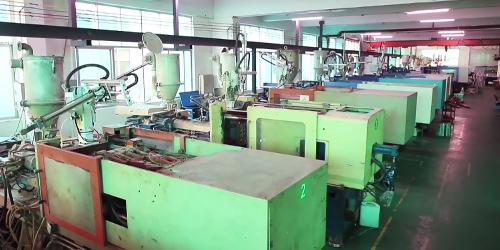
Guangdong Liyinled Lighting Co., Ltd. manufactures high-performance commercial fixtures using modern factory machinery. The state-of-the-art Liyinled manufacturing facility operates an automated SMT assembly line alongside a specialized Plastic Injection Molding workshop. Internal SMT assembly processes position high-efficiency LED chips with extreme accuracy. Specialized lens engineering ensures that every manufactured luminaire achieves consistent beam control. Factory engineers design custom optical lenses for heavy-duty Tri-proof Ceiling Lights and flat commercial panels. Liyinled provides full OEM and ODM customization capabilities to resolve key customer procurement concerns regarding long-term reliability, photometric precision, and overall eye comfort.
Architectural Layout and Reflectance Management
Smart spatial planning controls indoor brightness alongside optical fixture hardware. Project managers adjust fixture layout patterns carefully to protect occupant visual health across enterprise facilities. Engineers evaluate total room geometry before selecting fixture installation positions. Room length, width, and ceiling height determine exact fixture spacing across ceiling grids.
Optimizing fixture mounting height raises overhead light sources far above direct horizontal sightlines.
Adjusting light distribution angles directs focused light beams downward away from human eye level.
Selecting indirect lighting schemes reflects light rays off ceiling surfaces to soften overall ambient glare.
Room surface reflectance values alter background brightness and visual balance directly. Light-colored room surfaces boost ambient background light to balance bright fixture luminance effectively. Balancing surface reflectance values helps maintain visual comfort without increasing electrical energy consumption. Dark walls absorb surrounding light and create sharp brightness contrast.
High ceiling reflectance values increase bounced ambient light throughout upper room spaces.
Light wall finishes reduce severe visual contrast between light fixtures and surrounding background surfaces.
Reflective floor materials spread balanced ambient illumination across lower working areas.
Facility managers resolve common procurement issues by choosing high-efficiency Liyinled Commercial Lighting Solutions. Liyinled supplies dependable LED Lighting fixtures engineered to fulfill international visual safety standards across enterprise commercial facilities.
Unified Glare Rating serves as an essential benchmark for visual ergonomics, occupant safety, and indoor compliance across enterprise facilities. Premier production lines at Liyinled deliver accurate photometric control for demanding commercial and industrial projects. High-quality LED Lighting fixtures maintain comfortable light levels while protecting worker visual health.
However, UGR has clear technical limitations. The standard calculation applies only to indoor spaces. It does not evaluate outdoor floodlighting or complex directional sports illumination. Furthermore, standard equations assume uniform luminaire brightness and evaluate light sources with a solid angle subtense between 0.0003 sr and 0.1 sr at the eye. Building planners count on reliable LED Lighting designs to maintain optimal visual comfort indoors.
FAQ
What scenarios require low-UGR lighting products?
Low-UGR fixtures fit inside classrooms, offices, healthcare places, and fine inspection rooms. These inside spots need tiny glare to guard worker sight. Spaces with lots of computer use need UGR scores of 19 or lower. This stops eye strain and keeps workers focused over long work shifts.
What primary concerns do customers have when buying low-UGR fixtures?
Buyers usually care about eye comfort, exact light readings, and long-lasting light quality. Shoppers also worry about high glare numbers, bad energy use, and missing global visual safety rules. They want tested light performance that guards workers without losing total room brightness.
How does Liyinled overcome common customer procurement challenges?
Liyinled runs its own IES Test Room and Product Testing Center. Automated SMT build lines and special plastic molding shops bring precise light control. The factory gives certified light IES files for DIALux runs. This offers buyers total performance faith before setup.
Can low-UGR LED fixtures work in harsh industrial environments?
Yes. Liyinled builds tough Tri-proof Ceiling Lights made just for hard commercial and factory setups. Modern light covers give low glare scores while strong outer cases guard lights against rough conditions.