Why Aluminum Housing Improves LED Fixture Performance
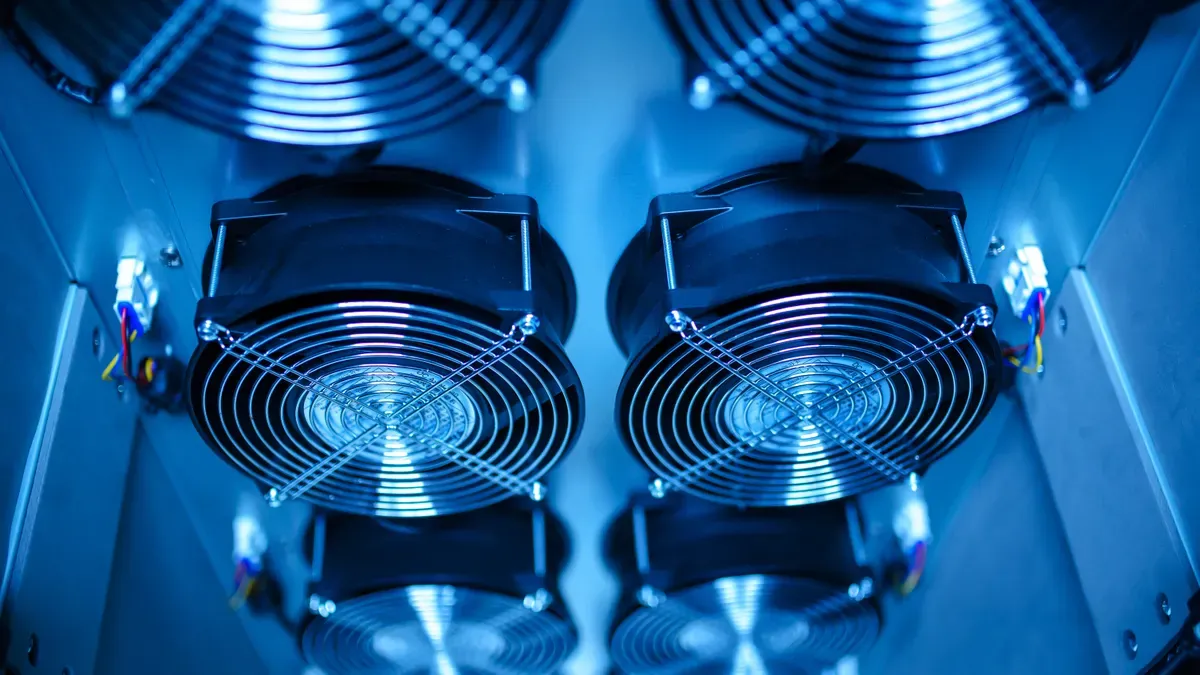
Aluminum housing is the key to optimizing LED Fixture Performance. This metal efficiently moves heat away, shields LEDs from weather and wear, and lowers total costs. Engineers prefer aluminum because it addresses the two biggest threats to LED life: overheating and physical damage. The metal's natural heat dissipation keeps critical components cool and stable, ensuring consistent color accuracy and preventing premature failure. Aluminum also resists impacts, vibrations, and corrosion that would compromise weaker materials. For buyers comparing options, the evidence clearly supports aluminum. It delivers reliable light emission year after year and reduces maintenance expenses. In short, aluminum housing transforms a good LED design into a durable, long-lasting lighting solution.
Key Takeaways
Aluminum housing keeps LED chips cool, and for every 10°C drop in temperature, the lifespan doubles.
Aluminum resists impacts, vibrations, and corrosion, protecting LEDs in harsh environments.
Precision die-casting makes tough, waterproof cases that include smart sensors.
Aluminum housing cuts total costs because it needs less upkeep and fewer replacements.
Choosing aluminum housing gives reliable, long-lasting LED performance.
Thermal Management for LED Fixture Performance
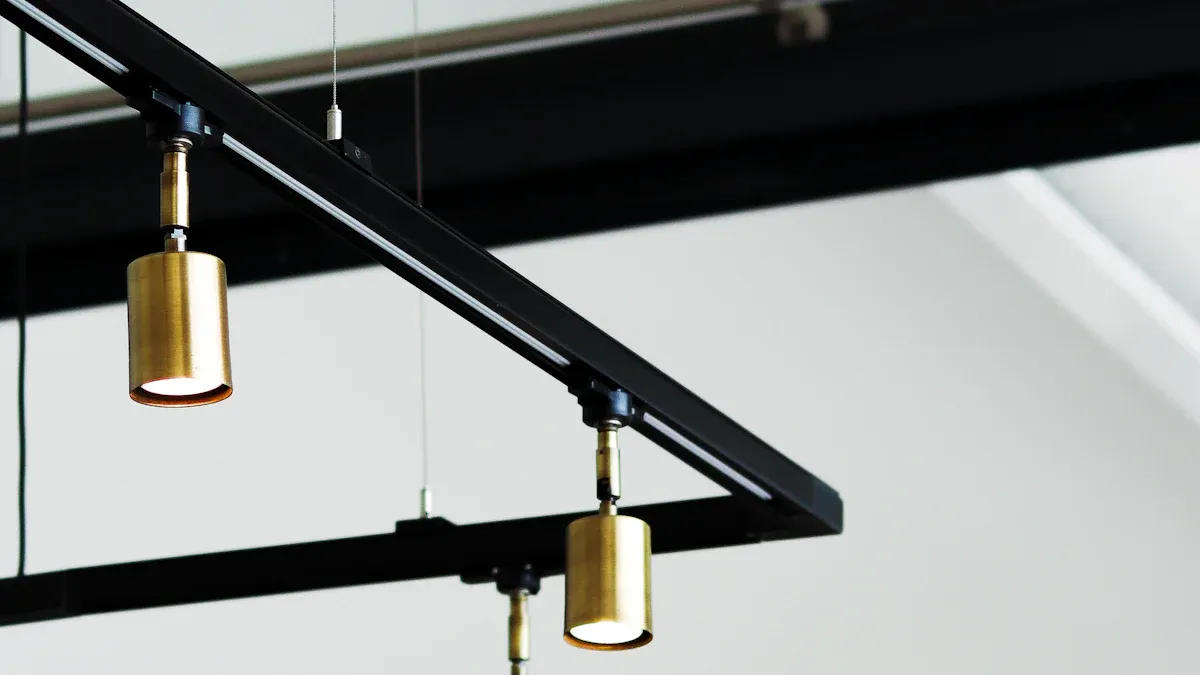
Thermal management controls how an LED fixture performs over time. Heat is the main enemy of LED chips. When temperatures rise, light output drops and color shifts. Junction temperature climbs higher, and internal components degrade faster. Aluminum housing solves this by pulling heat away from the LED chip. With thermal conductivity around 237 W/m·K for pure aluminum and 92–121 W/m·K for die-cast alloys, the metal creates a fast path for heat to leave the source. This keeps the LED cool and stable. Good LED Fixture Performance depends on keeping those temperatures low.
Heat Dissipation and Lifespan Extension
The relationship between heat and LED life is straightforward. Every 10°C reduction in junction temperature roughly doubles the LED's service life. Engineers call this concept the "10-degree rule" in electronics reliability analysis.
In electronics reliability analysis, the "10-degree rule" is often used as a practical way to understand the relationship between temperature and service life: a higher operating temperature generally accelerates aging and can significantly reduce the expected lifetime.
The numbers tell the story clearly:
Junction Temperature (°C) | Estimated Lifespan (hours) |
|---|---|
60 | >50,000 |
80 | ~30,000 |
100 | <15,000 |
An aluminum housing that achieves a 15–30°C lower junction temperature compared to plastic can transform a fixture's usable life. At 55°C junction temperature, an LED can deliver 100,000+ hours of L70 performance. At 85°C, that drops to about 50,000 hours. For a fixture running 20 hours per day, this means 11 years versus 5 years. A housing that reduces junction temperature by 30°C effectively doubles the usable lifetime of the fixture.
Comparison with Other Materials
Not all materials handle heat the same way. Engineers compare options carefully. Here is how common housing materials stack up:
Material Category | Example Material | Thermal Conductivity (W/m·K) |
|---|---|---|
Metal | Aluminum | ~237 |
Metal | Carbon Steel | ~45–60 |
Metal | Stainless Steel 304 | ~16 |
Ceramic | Alumina (Al₂O₃) | ~25–35 |
Ceramic | Zirconia (ZrO₂) | ~2–3 |
Plastic | Polyethylene | ~0.4 |
Plastic | PVC | ~0.19 |
Plastic | Polystyrene | ~0.03 |
Plastics sit at the bottom of this list. With thermal conductivity between 0.1 and 0.5 W/m·K, they act as insulators and trap heat inside the LED. This leads to faster degradation and shorter lifespan. Steel conducts heat better than plastic but adds significant weight. A steel housing makes a fixture heavy and harder to install. Ceramics like alumina offer decent conductivity at 25–35 W/m·K. But they are brittle and expensive to manufacture in complex shapes.
Aluminum strikes the best balance. It offers high thermal conductivity at a low weight and reasonable cost. For spots that need more heat dissipation, copper inserts can handle that. But for the full housing, aluminum remains the most practical choice.
LIYINLED designs its die-cast aluminum housings to optimize thermal pathways. The IES test room and aging area at the factory verify that each housing manages heat effectively. This testing ensures that LED Fixture Performance meets the expected standards before any product ships to customers. Choosing aluminum means choosing a fixture that lasts.
Structural Integrity for Long-Term Reliability
A housing must do more than manage heat. It needs to protect the LED components inside from physical damage, weather, and time. Aluminum delivers this protection through its mechanical strength and material properties. The right alloy and manufacturing process create a shell that keeps working for years.
Resistance to Impact and Vibration
Aluminum alloy 6063-T5 offers a high strength-to-weight ratio. This makes the housing rigid without adding unnecessary weight. When someone bumps a fixture with a ladder or a forklift, the aluminum shell absorbs the shock. The internal electronics stay safe. Vibration from nearby traffic or heavy machinery also poses a threat. A rigid aluminum housing resists these constant micro-movements. Loose connections and cracked solder joints never get the chance to develop.
High-precision extrusion plays a big role here too. This manufacturing technique keeps dimensional tolerances tight. The housing pieces fit together exactly as designed. No warping occurs along extended installations. For long runs of LED fixtures, this alignment matters. A slightly bent housing can stress the internal components and shorten their life. Precision extrusion prevents that problem from the start.
The housing also acts as a structural shell. It shields components from dust accumulation and mechanical impact. Combined with tempered glass rated at IK07 impact resistance, the aluminum body handles harsh conditions. The fixture resists forceful blows that would crack weaker plastic housings. This protection directly supports LED Fixture Performance by keeping the optics and electronics in perfect alignment.
Corrosion Resistance for Harsh Environments
Outdoor lighting faces constant attacks from moisture, salt, and pollutants. Aluminum handles these threats better than most materials. The 6063 alloy offers corrosion resistance that ensures long-term structural integrity in humid or coastal environments. It prevents the housing from degrading over time.
Material | Key Property | Impact on Outdoor Reliability |
|---|---|---|
Aluminum alloy | Corrosion-resistant, natural heat dissipation | Extends LED component lifetime; withstands high ambient temperatures |
Plastic | Lower durability | Reduced protection against physical and thermal stress |
Standard steel | Susceptible to salt-air corrosion | Higher risk of degradation in coastal environments |
A premium anodized surface adds another layer of defense. This finish provides a scratch-resistant and corrosion-proof exterior that lasts over 10 years. The anodized layer maintains the structural thickness of the profile. Even after years of rain, sun, and salt spray, the housing keeps its shape and strength.
The design also includes a patented anti-siphon mechanism. This prevents water ingress through the housing. With IP66 protection, the fixture resists powerful water jets and heavy rain. These features work together to deliver a 30,000-hour lifetime. Engineers can specify aluminum housing with confidence, knowing the fixture will survive harsh outdoor conditions year after year.
Precision Manufacturing and System Integration
Advanced Die-Casting and Assembly Techniques
Die-casting aluminum makes housings with complex shapes that other methods can't match. The hot metal fills precise molds, creating detailed channels for heat flow, gaskets for sealing, and mounting points for optics. This process lets engineers design for performance, not just for making parts. LIYINLED's factory in Guangdong uses this method to make housings that meet strict IP65 waterproofing standards. The die-cast body blocks dust and water jets from any direction, even during heavy monsoon rains.
The factory pairs die-casting with automated assembly lines. High-speed SMT machines place LEDs onto circuit boards with great accuracy. Plastic injection molding makes extra parts like lens holders and cable glands. Each piece fits together perfectly because the tolerances stay tight during production. The IES Test Room checks light distribution and efficiency. The Aging Area simulates years of use to confirm the fixture keeps working well. This mix of precision manufacturing and careful testing ensures every housing delivers consistent LED Fixture Performance.
Die-cast aluminum also resists warping under extreme temperatures. Plastic housings can bend in intense heat or cold, breaking their seals. Aluminum keeps its shape, maintaining the IP65 rating year after year. The material's corrosion resistance adds more protection in coastal or industrial areas. Salt air and chemical pollutants cannot damage the housing's strength. This durability means the fixture keeps working reliably across many climates, from desert heat to freezing winters.
Applications in Smart City Infrastructure
Smart city projects need fixtures that do more than just shine light. They need housings that hold sensors, communication modules, and control systems. Die-cast aluminum provides the perfect base for this integration. The casting process can create mounting bosses, antenna compartments, and cable routing channels directly into the housing. This removes the need for external boxes that add bulk and create weak points.
The thermal properties of aluminum become even more important in smart fixtures. Sensors and wireless modules create their own heat alongside the LED chips. A plastic housing would trap this heat, causing early failure of sensitive electronics. Aluminum spreads it out efficiently, keeping all parts within their working range. The impact resistance of die-cast aluminum also protects expensive smart parts from vandalism and accidental damage. Tempered glass fronts combine with the aluminum body to keep IP65 protection while allowing clear light to pass through.
For engineers designing smart lighting networks, aluminum housing makes the whole system simpler. One strong enclosure handles thermal management, environmental protection, and component integration. This cuts down installation complexity and lowers the total number of parts to maintain. LIYINLED's manufacturing capabilities support these advanced uses, producing housings that meet the tough requirements of modern urban infrastructure.
Lifecycle Cost Analysis
Lower Maintenance and Replacement Costs
Aluminum housing saves money on upkeep from the start. The metal's high heat flow, from 90 to 120 W/m·K, keeps LED chip temperatures low. This makes the light last more than 50,000 hours. Fewer changes mean fewer repair visits. Workers no longer need to climb ladders or rent trucks to replace broken lights. Each avoided trip saves labor, vehicle costs, and lost time.
The built-in fin design on aluminum housings boosts the heat release area by 400 to 600 percent. This stops early light dimming. Lights stay bright longer, so buildings avoid the costly mid-life swap that plastic-housed lights often need within 3 to 5 years. Instead, an aluminum light can work for 10 years or more. The housing also uses pure ADC12 aluminum with no holes. This removes air pockets that hurt heat flow. Fewer hidden flaws mean fewer warranty claims and less paperwork for buying teams.
Total Cost of Ownership Comparison
A simple price does not tell the full story. Engineers and buyers must look at the whole life of the product. The table below shows how aluminum housing lowers total costs compared to other options.
Thermal Property of Aluminum Housing | Mechanism Reducing TCO | Direct Cost Impact |
|---|---|---|
High heat flow (90–120 W/m·K) | Keeps LED chip temperature low, making life longer than 50,000 hours | Fewer changes and lower repair labor costs |
Built-in fin design boosts heat release area by 400–600% | Stops early light dimming and early failure | Avoids costly mid-life light swap (normally within 3–5 years instead of 10+) |
Use of pure ADC12 (no holes) | Removes air pockets that hurt heat flow | Lowers risk of early failure and warranty claims |
CNC-machined mount surface + heat paste | Makes sure heat moves well from circuit board to housing | Reduces heat-related failures, lowering total cost over the light's life |
The CNC-machined mount surface with heat paste makes sure heat moves from the circuit board to the housing. This detail stops heat-related failures that trouble cheaper designs. Every avoided failure directly cuts the total cost over the light's life. For a city managing hundreds of streetlights, these savings add up fast. The first cost of aluminum pays for itself many times through lower upkeep, fewer changes, and steady LED performance. Choosing aluminum housing means choosing a lower total cost from the first day of use.
Aluminum housing delivers clear advantages for LED lighting systems. The metal's thermal conductivity keeps chips cool, which extends lifespan and maintains consistent light output. Its structural strength protects internal components from impacts, vibrations, and corrosive environments. Precision die-casting allows complex designs that integrate sensors and maintain waterproof seals. These benefits translate directly into lower maintenance costs and fewer replacements over time.
For engineers, designers, and procurement specialists, aluminum housing represents the smartest investment. It outperforms plastic and steel alternatives in nearly every measurable way. The upfront cost pays for itself through reduced upkeep and dependable operation.
Investing in aluminum housing is an investment in the long-term output and reliability of your LED lighting system. LIYINLED's die-cast aluminum solutions deliver guaranteed quality backed by rigorous testing.
FAQ
How does aluminum housing actually extend LED lifespan?
Aluminum pulls heat away from the LED chip quickly. Lower temperatures mean less stress on internal components. A drop of just 10°C can double the rated life. That translates to years of extra service for outdoor fixtures.
Does aluminum housing cost more than plastic upfront?
Yes, the initial price runs higher. But the total cost over time tells a different story. Fewer replacements, lower labor costs, and reduced energy waste make aluminum the cheaper option within a few years of operation.
Can aluminum housings handle coastal or industrial environments?
Absolutely. The 6063 alloy resists corrosion from salt air and chemical pollutants. An anodized finish adds another protective layer that lasts over a decade. These fixtures maintain their structural integrity even in harsh conditions.
What makes LIYINLED's aluminum housings different from standard options?
LIYINLED uses pure ADC12 aluminum with no voids or air pockets. The factory tests every housing in its IES Test Room and Aging Area. This verification ensures consistent thermal performance and reliable light output before shipment.
Will aluminum housing work with smart city sensor integration?
Yes. Die-casting creates precise mounting points for sensors, antennas, and communication modules. The metal's thermal properties also keep these sensitive electronics cool. One housing handles heat management, environmental protection, and component mounting simultaneously.